

The ocean is teeming with marvels, yet few are as captivating as the octopus. Renowned for their intelligence and ability to vanish in the blink of an eye, these cephalopods have piqued the interest of both scientists and enthusiasts alike. This disappearing act, mastered over millions of years of evolution, is not only a testament to their adaptability but also a fascinating blend of biology and behavior. Dive into the enigmatic world of the octopus and uncover how they can seemingly vanish within seconds.
The Magic of Camouflage

🔥 Would you like to save this?
We'll email this post to you, so you can come back to it later!
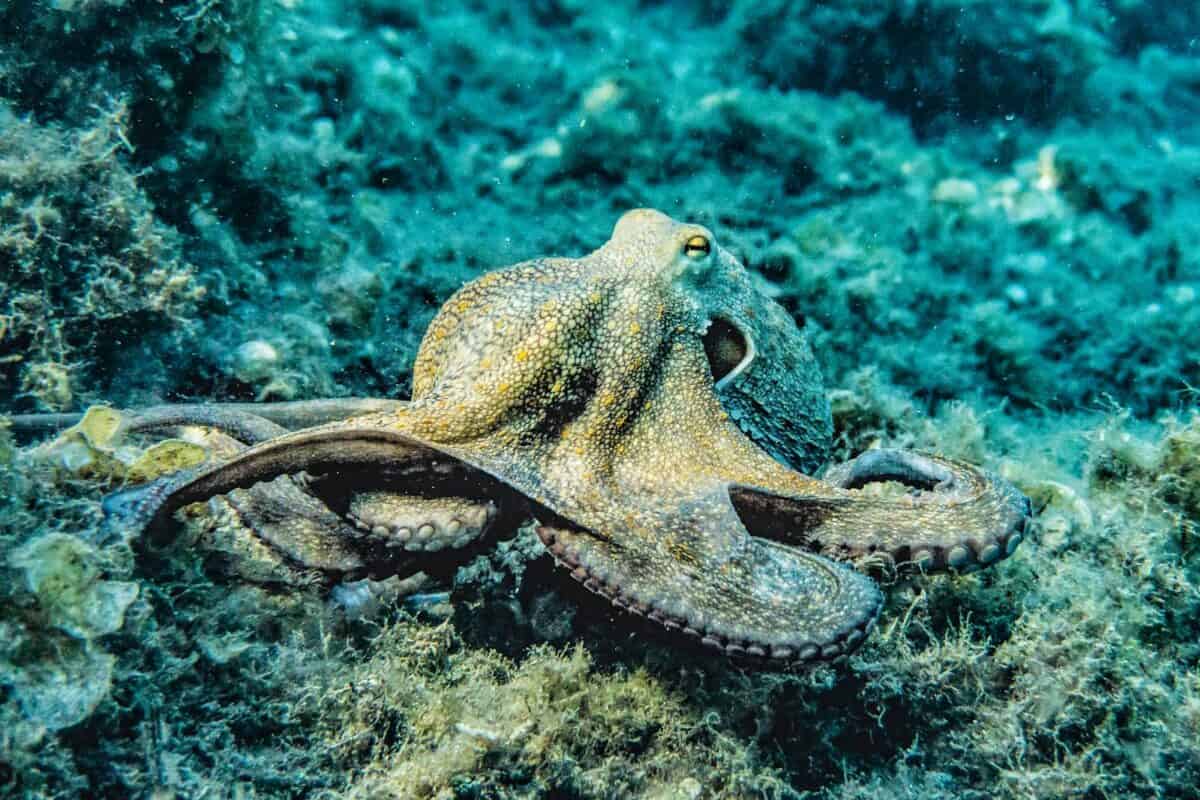
The octopus is a master of disguise, using its skin to blend seamlessly into its surroundings. This ability arises from specialized skin cells known as chromatophores, iridophores, and leucophores. Chromatophores can expand or contract to show different colors, iridophores reflect light to add iridescence, and leucophores scatter light to match the brightness of their environment. Working in harmony, these cells allow the octopus to alter its appearance instantly, making them virtually invisible to predators and prey alike.
Color Change Mechanism

🔥 Would you like to save this?
We'll email this post to you, so you can come back to it later!
At the heart of an octopus’s rapid color change is its nervous system. Unlike other animals, octopuses can control their skin texture and coloration directly through their brains. Neurons extending from the brain to the skin allow for rapid, precise control of chromatophores. This direct connection means an octopus can react to visual stimuli nearly instantaneously, adapting its appearance as needed to escape threats or catch prey.
Texture Transformation

🔥 Would you like to save this?
We'll email this post to you, so you can come back to it later!
An octopus doesn’t just rely on color to disappear—it alters its skin’s texture as well. Using specialized muscles called papillae, it can transform its skin to mimic the texture of its surroundings, such as rocks, sand, or corals. This three-dimensional change ensures that the octopus is not only camouflaged in color but in form as well, enhancing its ability to disappear into its environment completely.
Ink as a Defense Mechanism
🔥 Would you like to save this?
We'll email this post to you, so you can come back to it later!
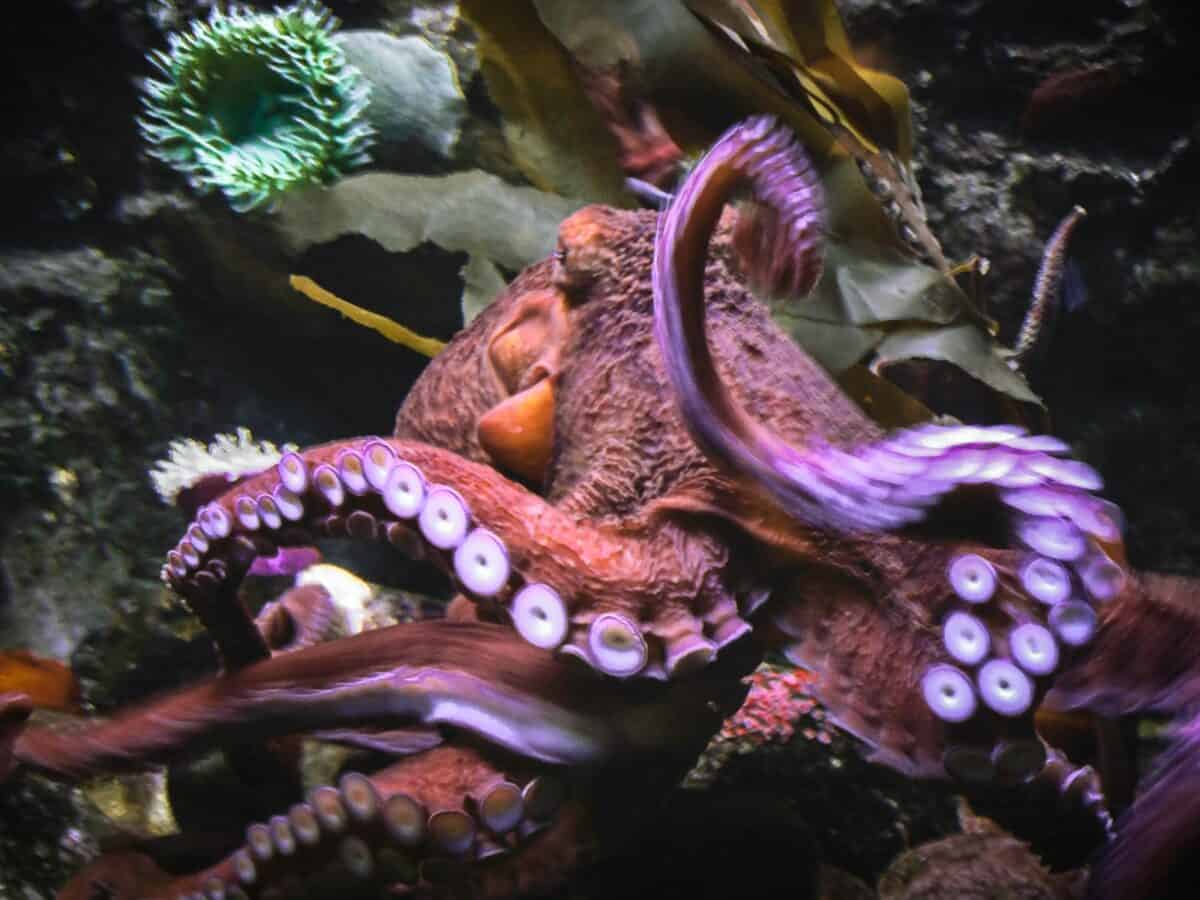
Beyond color and texture changes, octopuses have another trick up their tentacles: ink. When threatened, many octopus species release a dark, ink-like substance into the water. This ink clouds the water, creating a smokescreen that allows the octopus to make a quick escape. The ink can also contain irritants that disrupt a predator’s senses, further aiding in the octopus’s disappearance.
Stealthy Movement
🔥 Would you like to save this?
We'll email this post to you, so you can come back to it later!
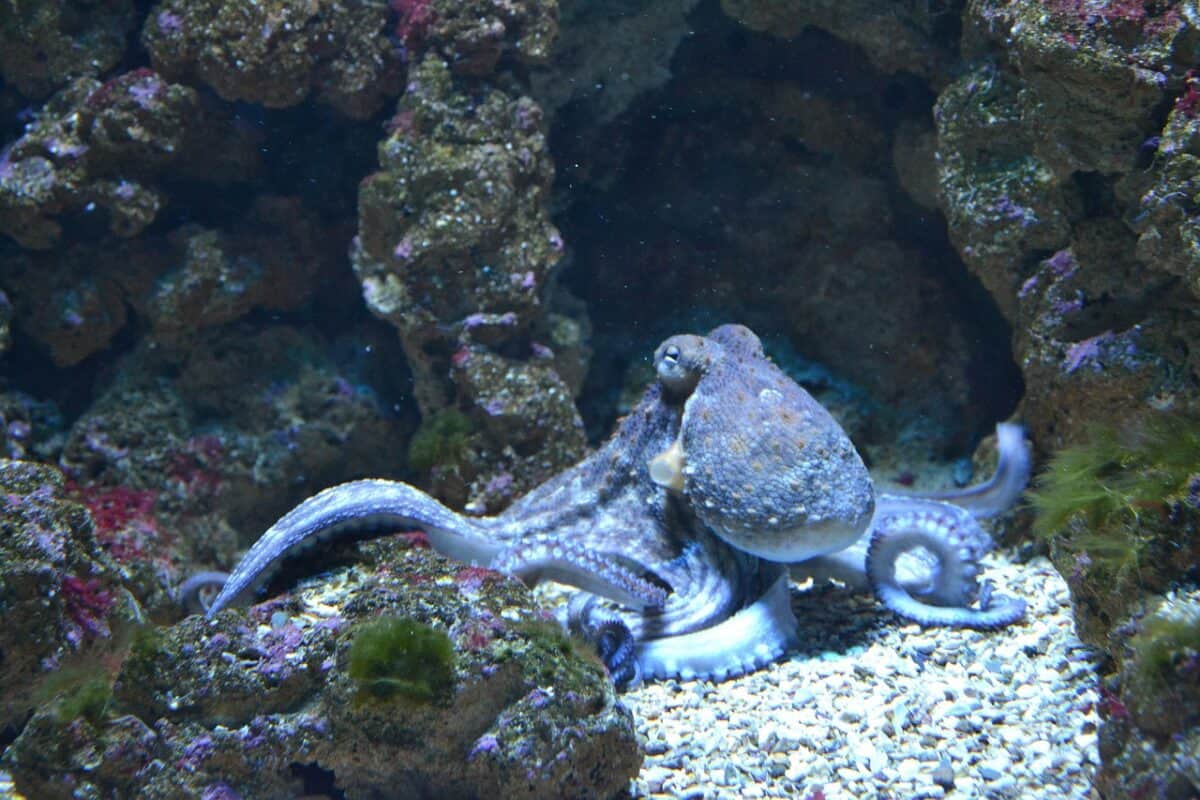
Octopuses move with a grace that complements their disappearing act. Utilizing jet propulsion, they can propel themselves quickly and silently through the water. By drawing water into their mantle and forcefully expelling it, they achieve sudden bursts of speed, allowing them to dart into safe hiding spots while predators are distracted by their ink decoy.
The Role of Intelligence
🔥 Would you like to save this?
We'll email this post to you, so you can come back to it later!
The octopus’s ability to disappear is also a testament to its intelligence. Possessing one of the highest brain-to-body mass ratios among invertebrates, they can solve complex problems and make split-second decisions in dynamically changing environments. Their cognitive abilities enable them to assess threats quickly, choose the best camouflage strategy, and execute their escape plan flawlessly.
Mimicry and Deception

🔥 Would you like to save this?
We'll email this post to you, so you can come back to it later!
Some species of octopus take their disappearing abilities a step further through mimicry. The mimic octopus, for instance, can impersonate other marine species like lionfish or flatfish. By mimicking the appearance and behavior of these often venomous or unpalatable animals, octopuses add a layer of deception, deterring potential predators from attacking.
Adaptations to Environment

🔥 Would you like to save this?
We'll email this post to you, so you can come back to it later!
An octopus’s ability to disappear also depends on its environment. Different species have adapted to the unique challenges of their habitats. For example, octopuses in reef environments often have more vivid coloration to blend in with corals, while those in sandy or rocky environments may have sandier hues. This adaptation not only aids in survival but also highlights the diversity of octopuses and their ecological niches.
Evolutionary Significance

🔥 Would you like to save this?
We'll email this post to you, so you can come back to it later!
Over millions of years, octopuses have evolved these remarkable disguising techniques as a survival strategy. Predation pressures and the need to hunt stealthily have driven the evolution of their camouflaging abilities. As such, their disappearing act is not just a biological marvel but a testament to the power of natural selection shaping life beneath the waves.
Human Fascination

🔥 Would you like to save this?
We'll email this post to you, so you can come back to it later!
The octopus’s vanishing act has long fascinated scientists and the general public. Their extraordinary abilities continue to inspire research in biomimicry and robotics, where scientists seek to replicate their camouflaging traits. Moreover, their enigmatic nature has captured the imagination of artists and writers, embedding the octopus deeply in human culture and mythology.
Challenges and Threats

🔥 Would you like to save this?
We'll email this post to you, so you can come back to it later!
Despite their magical abilities, octopuses face numerous threats. Overfishing, habitat destruction, and climate change pose significant risks. Understanding and preserving their environments is crucial, not only to protect these fascinating creatures but to maintain the balance of marine ecosystems they inhabit.
Conclusion: Masters of Disguise

🔥 Would you like to save this?
We'll email this post to you, so you can come back to it later!
The octopus’s ability to disappear in less than a second is a symphony of evolutionary wonders. From their skin’s dazzling color changes and texture transformations to their intelligent decision-making, these cephalopods demonstrate nature’s ingenuity at its finest. As we continue to study and protect these incredible creatures, we are reminded of the vast, mysterious, and interconnected world that lies beneath the ocean’s surface.

- Simple Ways to Keep Your Pumpkins Safe from Squirrel Attacks - October 26, 2026
- Transform Your Garden with Vibrant and Everlasting Strawflowers - October 22, 2026
- How to Win Over Judges in Dressage Competitions - October 19, 2026