


In the diverse animal kingdom, maternal instincts drive some of the most fascinating behaviors on our planet. From the savanna to the ocean depths, animal mothers invest significant time and energy teaching their offspring essential survival skills. These lessons form the foundation for young animals’ independence and eventual success in their environments. Unlike humans who rely heavily on formal education and cultural transmission, animals must quickly learn the skills necessary for survival through observation, practice, and sometimes tough love. This remarkable process of knowledge transfer between animal generations ensures species continuation despite environmental challenges and predatory threats.
The Universal Role of Animal Mothers

Across species, animal mothers serve as the primary instructors for their young, transferring critical knowledge that has been refined through generations of evolutionary adaptation. This knowledge transfer isn’t simply instinctual—it often involves complex teaching methods tailored to specific environments and threats. From the moment of birth or hatching, young animals begin a structured learning process guided by their mothers. Research published in the journal Science has documented intentional teaching behaviors in species ranging from meerkats to dolphins, suggesting that the transmission of survival skills is a deliberate, not merely incidental, process. This maternal investment represents one of nature’s most successful educational systems, with each generation building upon the knowledge of its predecessors.
Hunting Skills: From Playful Games to Deadly Precision

Predatory mammals excel at gradually introducing their young to hunting through a series of progressive lessons. Lionesses, for example, begin by bringing dead prey to cubs around three months of age, allowing them to familiarize themselves with the scent and taste of their natural food sources. As cubs grow, mothers bring back wounded prey, giving the young lions opportunity to practice killing techniques in a controlled setting. By 11 months, lionesses take their cubs along on actual hunts, positioning them strategically to observe stalking and ambush techniques from a safe distance. Feline mothers like cheetahs employ a different approach—demonstrating hunting skills in slow motion, exaggerating movements for cubs to observe and mimic. These teaching methods involve careful scaffolding of skills, increasing in complexity as the young animals develop their physical capabilities and understanding.
Foraging Lessons: Finding Food in Complex Environments

For herbivores and omnivores, learning which foods are safe and nutritious is critical to survival. Primate mothers exemplify sophisticated food education, with orangutan mothers spending up to eight years teaching their young which of the forest’s thousands of plant species are edible and how to process them. Research in Borneo has documented orangutan mothers demonstrating complex food preparation, including removing toxic hairs from certain fruits and using sticks to extract nutritious insects from tree bark. Bear cubs follow their mothers for up to two years, learning to identify seasonal food sources, from spring herbs to autumn berries and nuts. During this period, mothers demonstrate important foraging techniques, such as flipping rocks to find insects or breaking open beehives to access honey. Through observation and guided practice, young animals develop a comprehensive mental catalog of food sources that will sustain them throughout their independent lives.
Defensive Tactics: Recognizing and Responding to Dangers

Teaching young animals to identify predators and respond appropriately is perhaps the most critical survival lesson mothers provide. Meerkats offer a fascinating example of structured danger education. Adult meerkats bring live, disabled scorpions to pups, giving them safe practice in handling these dangerous but nutritious prey. Researchers from the University of Cambridge found that adult meerkats adjust their teaching based on the pups’ age and skill level, offering more disabled scorpions to younger pups and gradually introducing more capable prey as the pups develop. In aquatic environments, dolphin mothers teach calves to create protective mud rings to trap fish while avoiding dangerous predators like sharks. Vervet monkeys have even developed specific alarm calls for different predator types—eagles, snakes, or leopards—each requiring a different evasive response. Mothers reinforce these calls through demonstrations and corrections until young monkeys master this complex communication system.
Social Education: Learning Community Rules and Hierarchy

Many species live in complex social structures that require young animals to understand hierarchies, alliances, and appropriate behaviors. Elephant matriarchs serve as repositories of social knowledge, teaching calves proper greeting rituals and respect behaviors toward higher-ranking herd members. Studies by the Amboseli Elephant Research Project have shown that herds led by older, more experienced matriarchs demonstrate better decision-making during droughts and predator encounters, highlighting the value of transmitted social knowledge. Wolf pups learn pack dynamics through carefully monitored interactions with adult members, with mothers intervening to prevent challenges to dominant individuals until pups reach appropriate age. This social education extends to cooperative behaviors as well—young wolves observe and participate in coordinated hunting tactics that would be impossible to execute without proper social understanding. For many species, social competence is as important to survival as physical skills.
Navigation and Migration: Mapping the World
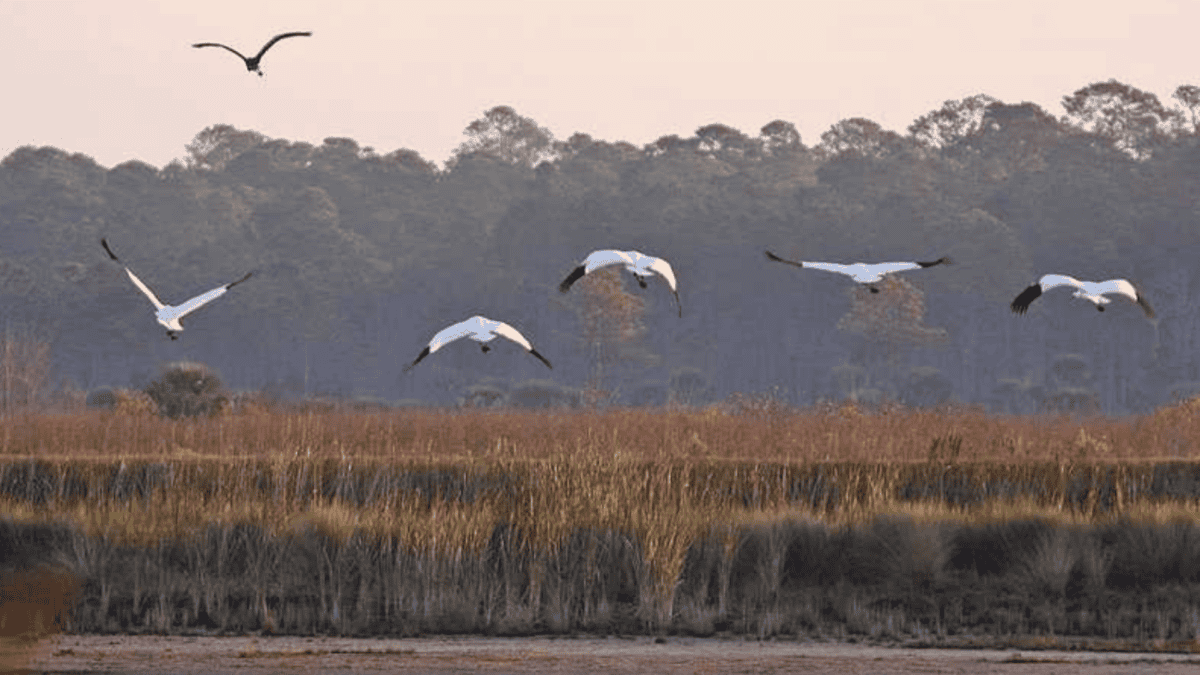
For migratory species, learning routes to seasonal feeding or breeding grounds is essential for survival. Bird mothers lead one of nature’s most remarkable educational journeys, guiding offspring along ancestral migration routes spanning thousands of miles. Research tracking whooping cranes with GPS devices revealed that young birds following experienced adults learned more direct routes than those traveling alone, demonstrating the efficiency of maternal teaching. Marine mammals like humpback whales undertake similar educational migrations, with mothers guiding calves along 3,000-mile routes between tropical breeding waters and polar feeding grounds. During these journeys, calves memorize geographic features, currents, and celestial navigation cues that will guide their independent migrations for decades to come. These navigational lessons represent one of nature’s most impressive feats of knowledge transfer, with precise routes maintained across generations through maternal teaching.
Tool Use: Sophisticated Problem-Solving Through Observation

Some species teach offspring sophisticated tool use—once thought to be exclusively human behavior. Chimpanzee mothers spend years demonstrating techniques for using sticks to fish termites from mounds or stones to crack nuts. Research from the Jane Goodall Institute has documented regional “traditions” in tool use, with different chimpanzee communities teaching distinct techniques, suggesting a form of cultural transmission. Sea otters show their pups how to use rocks to crack open shellfish, with mothers adjusting demonstrations based on the pup’s developing abilities. New Caledonian crows craft specialized tools from twigs and leaves to extract insects from crevices, with juveniles observing adult techniques for up to two years before achieving proficiency. These complex behaviors aren’t instinctual but require extensive observation, practice, and correction—a true teaching relationship between generations that develops problem-solving capabilities essential for survival in specific ecological niches.
Nest Building and Shelter Creation
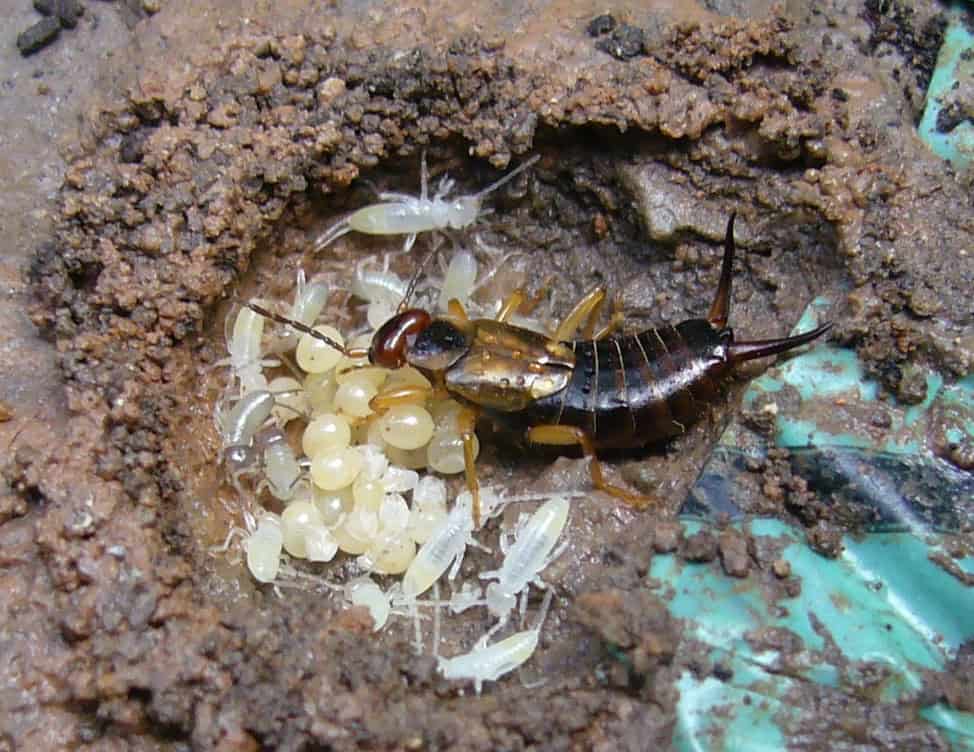
Creating safe spaces for rest, protection, and raising young is another critical skill passed from mother to offspring. Birds demonstrate particularly elaborate nest-building education, with mother birds performing construction techniques that juveniles observe and later replicate. Researchers at Cornell University found that first-time nesting birds build progressively better nests with each attempt, suggesting a learning process that begins with maternal demonstrations. Beaver kits spend up to two years working alongside parents to learn the engineering principles behind dam and lodge construction—skills that combine architectural knowledge with understanding of water flow and predator defense. Orangutan mothers teach young to construct sophisticated rainproof nests high in the canopy, demonstrating how to test branch strength and weave supports. Even insects display teaching behaviors in this domain, with paper wasp queens demonstrating nest construction techniques to worker offspring through a combination of demonstrations and corrective interventions when workers make structural errors.
Adaptability: Teaching Response to Environmental Changes
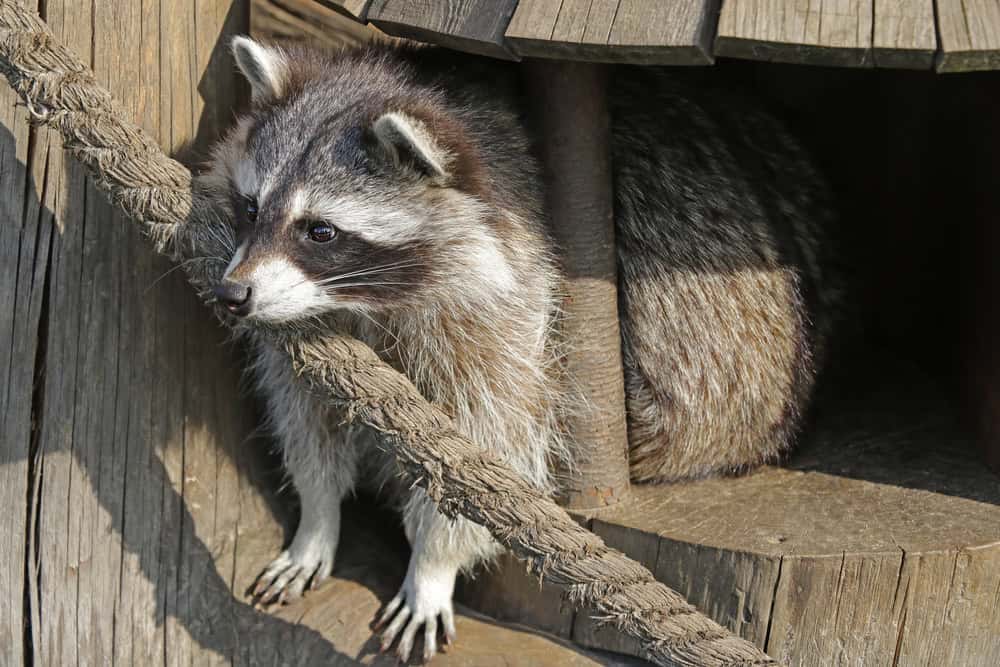
In our rapidly changing world, maternal teaching about environmental adaptability has become increasingly crucial. Mothers must not only pass down ancestral knowledge but also teach offspring to respond to new challenges. Urban-dwelling raccoon mothers have been observed demonstrating novel techniques for accessing human trash containers, with research in Toronto documenting the transmission of specific lid-opening methods between generations. Elephant matriarchs with drought experience lead herds to alternative water sources not used for decades, drawing on memories from previous climatic events. These examples highlight how maternal teaching balances traditional knowledge with innovation. Interestingly, studies suggest that younger animal mothers may sometimes demonstrate greater behavioral flexibility, teaching offspring adaptive responses to new environmental conditions more readily than older, more experienced mothers whose knowledge may be more fixed in traditional patterns.
Communication: Learning Species-Specific Languages

Teaching young animals to communicate effectively within their species is another crucial maternal role. Dolphin calves learn signature whistles from their mothers, developing individualized “names” that serve as identification within pods. Research from the University of St. Andrews has recorded mother dolphins slowing and simplifying their whistles when communicating with newborns, gradually introducing more complex vocalizations as calves develop—a process remarkably similar to human mothers using “baby talk.” Bird species with regional dialects, like white-crowned sparrows, learn specific song variations from local adults, with mothers facilitating appropriate singing interactions. Prairie dogs employ complex alarm calls that specify predator types, sizes, and directions of approach, with mothers demonstrating proper usage through repetition and context. For prey species especially, learning to interpret and produce communication signals correctly can mean the difference between life and death, making maternal instruction in “language” acquisition a fundamental survival skill.
Water Skills: Mastering Aquatic Environments
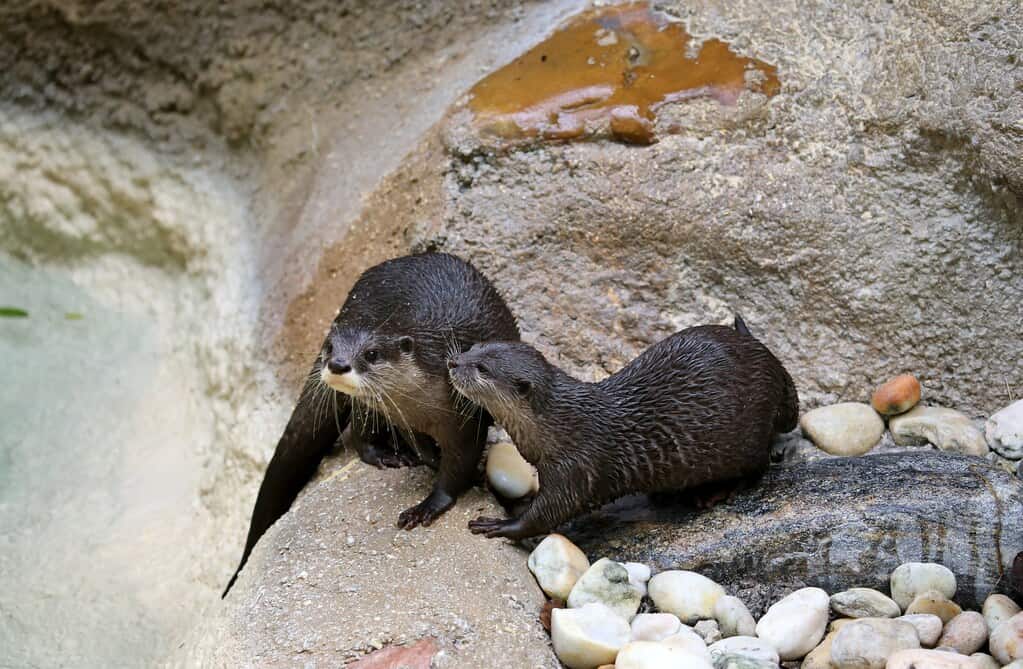
For semi-aquatic and aquatic species, teaching offspring to navigate water environments safely presents unique challenges. Otter mothers physically drag reluctant pups into water for swimming lessons, gradually moving to deeper areas as skills develop. Researchers observing North American river otters documented mothers repeatedly retrieving pups attempting to return to shore, insisting on continued practice until competency is achieved. Duck mothers lead ducklings on increasingly challenging water excursions, demonstrating diving techniques and underwater navigation. Perhaps most dramatically, polar bear mothers teach cubs to swim between ice floes in the Arctic Ocean, a skill becoming increasingly critical as climate change reduces stable ice platforms. These lessons often involve careful maternal assessment of offspring readiness, with mothers sometimes delaying water introduction until physical development reaches appropriate stages—balancing the need for skill acquisition against drowning risks.
Encouraging Independence: The Final Lesson
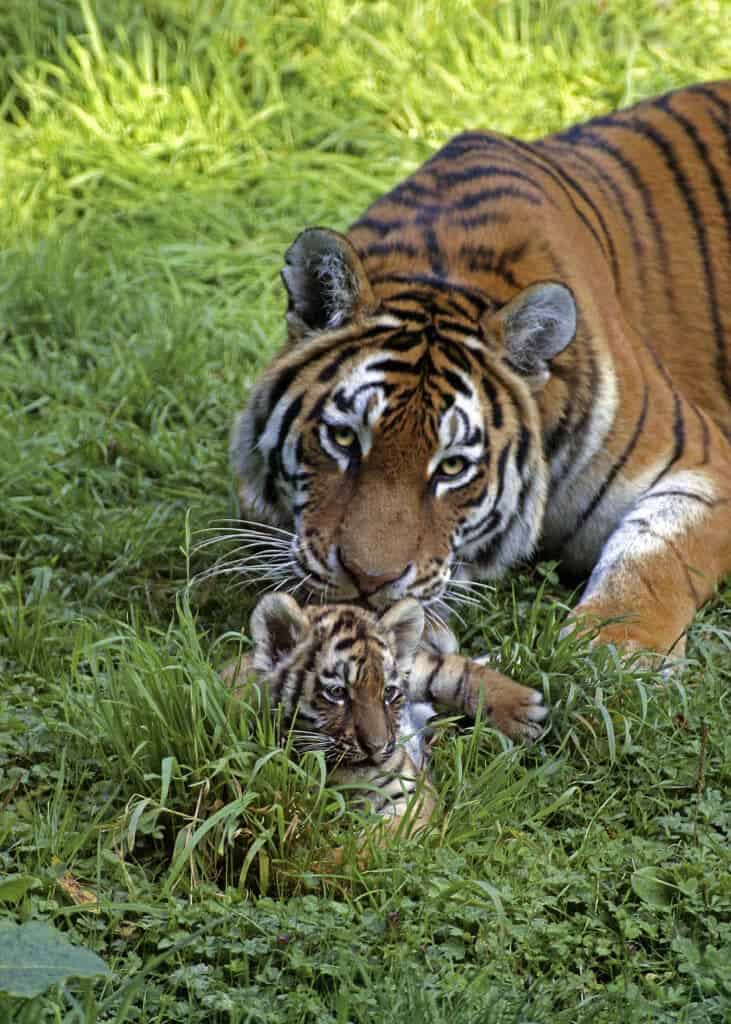
The ultimate goal of maternal teaching across species is producing independent offspring capable of survival without parental support. This transition varies dramatically between species but nearly always involves gradual withdrawal of support rather than sudden abandonment. Tiger mothers progressively reduce prey assistance, eventually bringing home kills but refusing to share, forcing cubs to hunt independently. Elephant matriarchs push adolescent males from the herd, forcing them to establish bachelor groups where they must apply their learned skills without maternal guidance. Bird parents reduce feeding frequency as fledglings develop, encouraging independent foraging while remaining nearby to demonstrate techniques. While this process may appear harsh to human observers, research indicates it’s carefully calibrated to offspring development—mothers assess readiness through behavioral cues and physical capabilities before withdrawing support. This graduated independence training represents the culmination of the maternal teaching process, transforming dependent young into self-sufficient individuals capable of continuing their species’ lineage.
The educational relationship between animal mothers and their offspring represents one of nature’s most sophisticated knowledge transfer systems, developed over millions of years of evolution. From the hunting prowess of big cats to the tool mastery of primates, these teaching behaviors ensure that critical survival skills pass efficiently between generations without reliance on formal educational structures. The diversity of teaching methods across species offers fascinating insights into the development of learning itself, with many parallels to human educational approaches. As environmental pressures increase through climate change and habitat loss, the adaptability component of maternal teaching grows increasingly important for species survival. Perhaps most remarkably, this educational process happens largely invisibly in the natural world around us—a testament to the profound but often unobserved intelligence that characterizes the mother-offspring relationship across the animal kingdom.

- What’s Hiding in the Forests of the Pacific Northwest - July 21, 2026
- Tarsiers: The Tiny Primates with Giant Eyes - July 21, 2026
- Are Zoos Still Ethical in 2025? - July 21, 2026