

Throughout history, humans have observed unusual animal behaviors preceding earthquakes, tsunamis, and other natural disasters. From elephants fleeing to higher ground before tsunamis to snakes abandoning their underground homes before earthquakes, these accounts have sparked both scientific curiosity and skepticism. Are animals truly equipped with a “sixth sense” that allows them to detect impending disasters, or are these observations merely coincidental? This article explores the fascinating intersection of animal behavior and natural disasters, examining both historical anecdotes and scientific research to determine whether animals can indeed predict catastrophic events before they occur.
Historical Observations of Animal Prediction

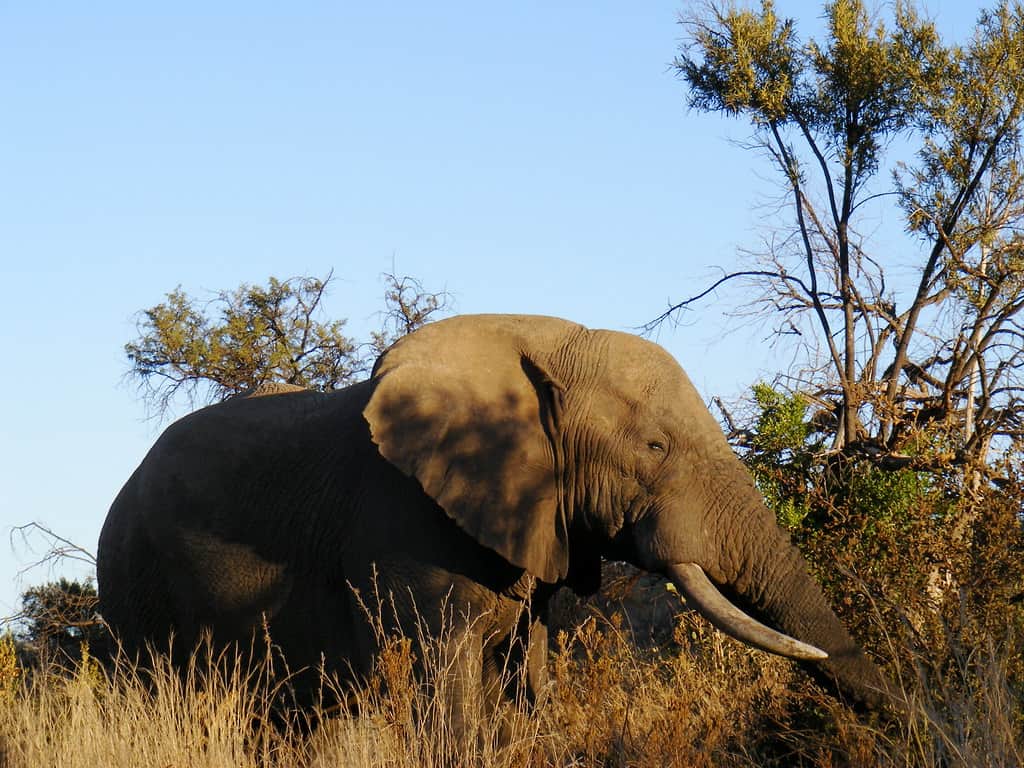
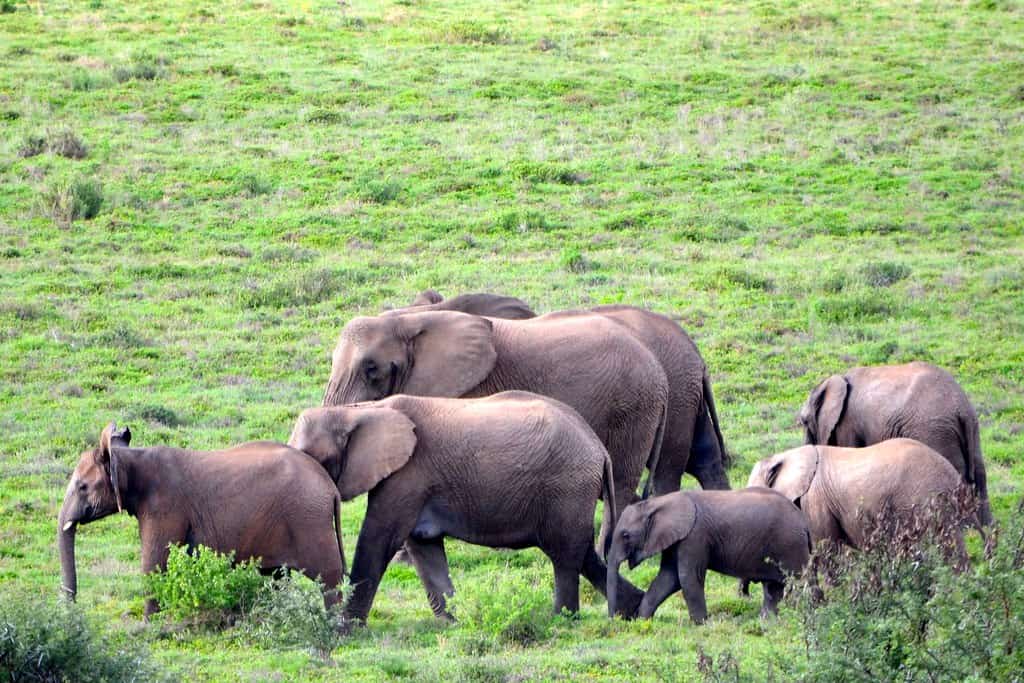
Records of animals seemingly predicting natural disasters date back thousands of years. In 373 BCE, historians documented rats, snakes, and weasels deserting the Greek city of Helice days before a devastating earthquake and tsunami obliterated the settlement. Chinese records from 780 BCE mention unusual animal behaviors before earthquakes, leading to the establishment of an official animal monitoring system for earthquake prediction during the Han dynasty. In more recent history, before the 2004 Indian Ocean tsunami that killed over 230,000 people, numerous accounts emerged of elephants screaming and running to higher ground, flamingos abandoning their low-lying breeding areas, and zoo animals refusing to come outdoors despite feeding times—all before humans had any warning of the approaching disaster. These historical observations across cultures and centuries suggest a pattern worth scientific investigation rather than mere coincidence.
The Science Behind Animal Sensing

Animals possess sensory capabilities that far exceed human perception in many areas. Many species can detect ultrasonic frequencies, minute chemical changes, electromagnetic field fluctuations, and barometric pressure shifts imperceptible to humans. For instance, elephants can communicate using infrasound frequencies below 20 Hz that travel through ground vibrations for miles. Birds possess magnetoreceptors that allow them to detect Earth’s magnetic field for navigation. Fish can sense pressure changes through their lateral line system. These enhanced sensory abilities potentially enable animals to detect early environmental changes that precede natural disasters—from seismic P-waves (the faster, less destructive waves that arrive before the damaging S-waves) to chemical changes in groundwater or subtle atmospheric pressure fluctuations that might signal an approaching storm. These biological adaptations provide a scientific foundation for understanding how animals might detect disaster precursors.
Earthquake Prediction by Animals
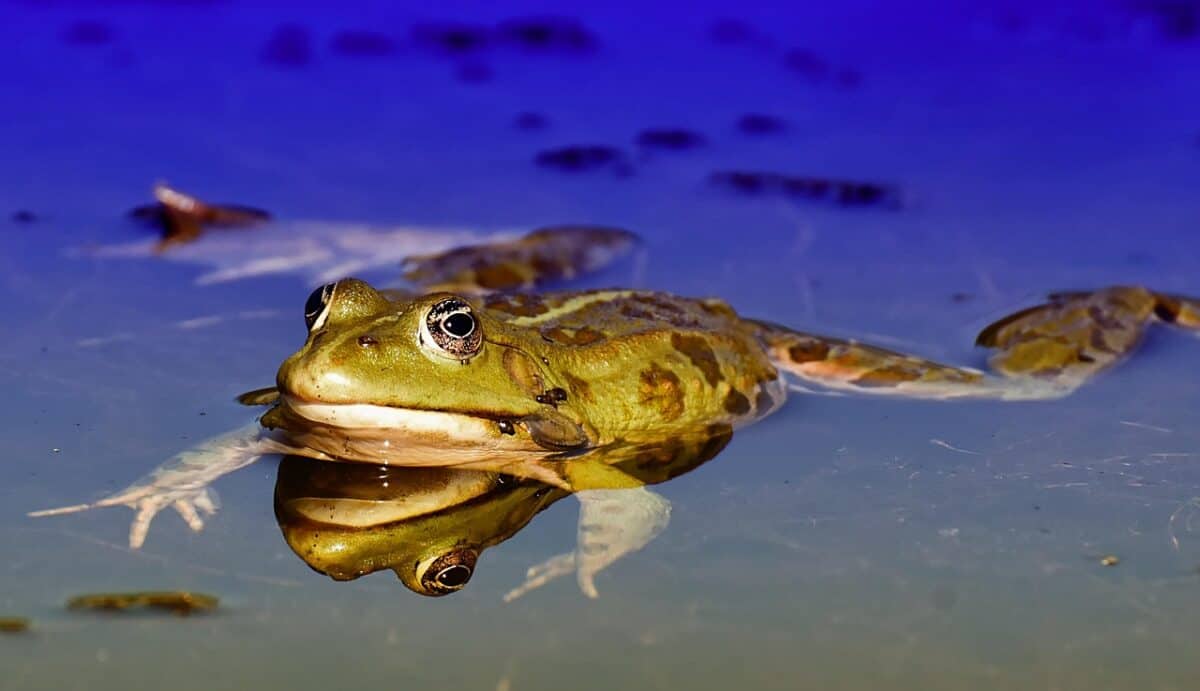
Earthquake prediction is perhaps the most studied area of animal disaster detection. Multiple studies have documented unusual behaviors in various species before seismic events. Toads have abandoned breeding ponds days before earthquakes, as observed before the 2009 L’Aquila earthquake in Italy where researchers noted the mass exodus of toads from breeding sites five days before the seismic event. Laboratory studies have demonstrated that snakes and rodents become increasingly agitated when exposed to high-frequency seismic waves similar to P-waves. In China’s Haicheng in 1975, officials ordered an evacuation based partly on observations of snakes emerging from hibernation in winter and other unusual animal behaviors, potentially saving thousands of lives when a 7.3 magnitude earthquake struck. Scientists hypothesize that animals may sense the release of gases like radon from the ground, detect subtle ground tilting, or perceive electromagnetic changes that occur during the buildup to an earthquake—all phenomena that specialized scientific equipment can now measure but that humans cannot naturally sense.
Animals and Weather Disasters

Weather-related disasters like hurricanes, tornadoes, and severe storms also appear to trigger anticipatory behaviors in animals. Birds have been observed flying to higher altitudes or inland before hurricanes make landfall, often days before meteorologists issue warnings. During Hurricane Charley in 2004, flamingos at Miami’s Metro Zoo were observed gathering in tight groups in sheltered locations 24 hours before the storm hit. Research suggests animals may detect infrasound produced by storms from hundreds of miles away or sense the dramatic drops in barometric pressure that precede severe weather. Sharks have been tracked diving into deeper waters before tropical storms, while land animals like deer and elk have been documented moving to sheltered valleys before blizzards. These behaviors align with what we now understand about animal sensory capabilities—many species can detect atmospheric pressure changes and low-frequency sounds generated by weather systems long before they arrive, giving them a natural early warning system.
Tsunami Detection Abilities

Perhaps the most dramatic accounts of animal prediction involve tsunamis, where the stakes for early detection are incredibly high. Following the 2004 Indian Ocean tsunami, wildlife officials in Sri Lanka’s Yala National Park reported finding no dead elephants, leopards, or other large mammals despite severe coastal damage—suggesting these animals had moved to higher ground before the waves hit. Indigenous Andaman Islanders also reported observing unusual animal movements that prompted them to retreat to higher elevations, resulting in remarkably few casualties among these communities despite their proximity to the earthquake epicenter. Scientists suggest animals might detect tsunamis through multiple mechanisms: feeling seismic activity that precedes tsunamis, hearing the infrasound of approaching waves, sensing pressure changes, or detecting electromagnetic disturbances created by the massive movement of salt water through Earth’s magnetic field. While anecdotal, the consistency of these observations across different tsunami events suggests more than coincidence.
Scientific Studies and Evidence
The scientific community has increasingly focused on systematically studying animal prediction of natural disasters. A groundbreaking study published in 2020 in Ethology tracked multiple wild animal species fitted with GPS collars in an earthquake-prone region of Italy. Researchers found significant behavioral changes—including unusual movements and grouping behaviors—up to 20 hours before earthquakes. Another notable study from the University of California monitored cameras in Peru’s Yanachaga National Park, documenting an absence of wildlife activity in the days before a 7.0 magnitude earthquake in 2011, with animal activity only returning to normal levels after the quake. In Germany, researchers at the Max Planck Institute have established “earthquake labs” where they monitor ant colonies and other insects, finding distinctive behavioral changes before seismic events. These controlled studies are helping move the field from anecdotal evidence to scientific validation, though researchers caution that animal behavior alone isn’t yet reliable enough for formal warning systems.
The Skeptical Perspective

Despite compelling accounts and preliminary studies, significant skepticism remains in the scientific community regarding animal prediction of natural disasters. Critics point to several limitations in the current evidence. First, confirmation bias plays a role—unusual animal behaviors that aren’t followed by disasters typically go unreported, while behaviors preceding disasters receive disproportionate attention. Second, many reports are anecdotal rather than from controlled studies, making it difficult to establish causal relationships. Some scientists argue that post-disaster accounts of animal prediction may be influenced by selective memory or embellishment. Additionally, animals exhibit unusual behaviors for many reasons unrelated to disasters—health issues, mating seasons, or responses to human activity—creating the potential for false correlations. Skeptics don’t necessarily dismiss animal sensory capabilities but argue for more rigorous methodologies, including continuous monitoring of animal behavior in disaster-prone regions to establish baseline behaviors and identify truly anomalous patterns.
Cultural Beliefs and Traditional Knowledge

Indigenous and traditional communities worldwide have incorporated animal behavior into their disaster warning systems for generations. In Japan, the word “tsunami” itself originated from fishermen who would return to shore after observing unusual agitation in their catches. Native American tribes in the Pacific Northwest have traditional knowledge about animal behaviors preceding earthquakes and volcanic eruptions. In parts of Indonesia, traditional folklore contains specific references to observing certain species before deciding whether coastal areas are safe. These cultural traditions represent thousands of years of observational data, often dismissed by colonial science but increasingly recognized as valuable ecological knowledge. The Jarawa tribe of the Andaman Islands, who survived the 2004 tsunami with minimal casualties, reportedly responded to bird calls and animal movements that signaled danger. This traditional ecological knowledge often includes sophisticated understanding of multiple species’ behaviors and environmental cues that science is only beginning to formally document.
Can Animals Predict Volcanic Eruptions?

Volcanic eruptions present another category of natural disaster where animal prediction has been observed. Before the catastrophic eruption of Mount Vesuvius in 79 CE that destroyed Pompeii, Roman writings mention unusual animal migration from the area. More recently, before the 1991 eruption of Mount Pinatubo in the Philippines, locals reported wild animals fleeing the mountain slopes days before scientific instruments detected significant activity. Studies suggest animals may detect gases like sulfur dioxide released before eruptions, feel subtle ground vibrations from magma movement, or sense temperature changes imperceptible to humans. At Yellowstone National Park, researchers have noted bison and other wildlife avoiding certain areas days before geothermal events. A 2020 study at the Masaya volcano in Nicaragua found that bat activity dramatically decreased in response to gas emissions before detectable changes in volcanic activity. These observations suggest animals may provide supplementary data for volcanic monitoring, particularly in remote areas where instrumentation is limited.
Practical Applications and Warning Systems
While animal behavior alone isn’t reliable enough for formal disaster warning systems, several countries have experimented with incorporating animal monitoring into their disaster preparedness frameworks. China’s seismological bureau has maintained programs monitoring unusual behavior in snakes, bees, and other animals in seismically active regions since the 1970s. Japan has funded research on unusual behaviors in catfish, long associated with earthquake prediction in Japanese folklore. More practical applications include training dogs to detect early seismic activity (they can be sensitive to P-waves that precede more damaging S-waves) and monitoring farm animal behavior through automated systems that alert to unusual patterns. The U.S. Geological Survey has explored partnerships with wildlife biologists to establish baseline behaviors for species in disaster-prone regions. The most promising approach appears to be using animal behavior as one component of a multi-faceted early warning system, complementing rather than replacing traditional scientific monitoring.
The Role of Technology in Validating Animal Prediction

Advances in technology are revolutionizing the study of animal disaster prediction. Miniaturized GPS trackers, accelerometers, and heart rate monitors can now continuously record animal movements and physiological responses, generating vast datasets for analysis. Machine learning algorithms can identify subtle behavioral changes across multiple species that might indicate environmental disturbances. Camera trap networks in wildlife preserves provide continuous monitoring without human interference. These technologies allow researchers to establish baseline behaviors and identify truly anomalous patterns preceding disasters. The International Bio-Logging Society has established protocols for tracking animal movements in disaster-prone regions, creating standardized data that can be correlated with seismic or meteorological events. Environmental DNA sampling can even track species presence in water bodies, potentially detecting unusual migrations. These technological advances are helping transform what was once considered folklore into quantifiable science, though significant challenges remain in interpreting the complex data generated.
Limitations and Future Research Directions

Despite promising developments, significant limitations and challenges persist in the study of animal disaster prediction. One fundamental issue is distinguishing between correlation and causation—animals may behave unusually before disasters for reasons unrelated to sensing the coming event. Another challenge is the variability in animal responses; not all individuals of a species react the same way, and responses may differ based on age, health, and previous experience. The field also struggles with methodological consistency, as different research groups use varying definitions of “unusual behavior” and monitoring techniques. Future research directions include establishing permanent animal monitoring stations in disaster-prone areas, developing multi-species observation protocols, and creating standardized methods for reporting and analyzing behavioral changes. Interdisciplinary collaboration between seismologists, zoologists, ethologists, and indigenous knowledge holders represents another promising approach. The goal isn’t necessarily using animals as predictors but understanding what environmental changes they detect that our instruments might miss.
Conclusion: Between Myth and Science
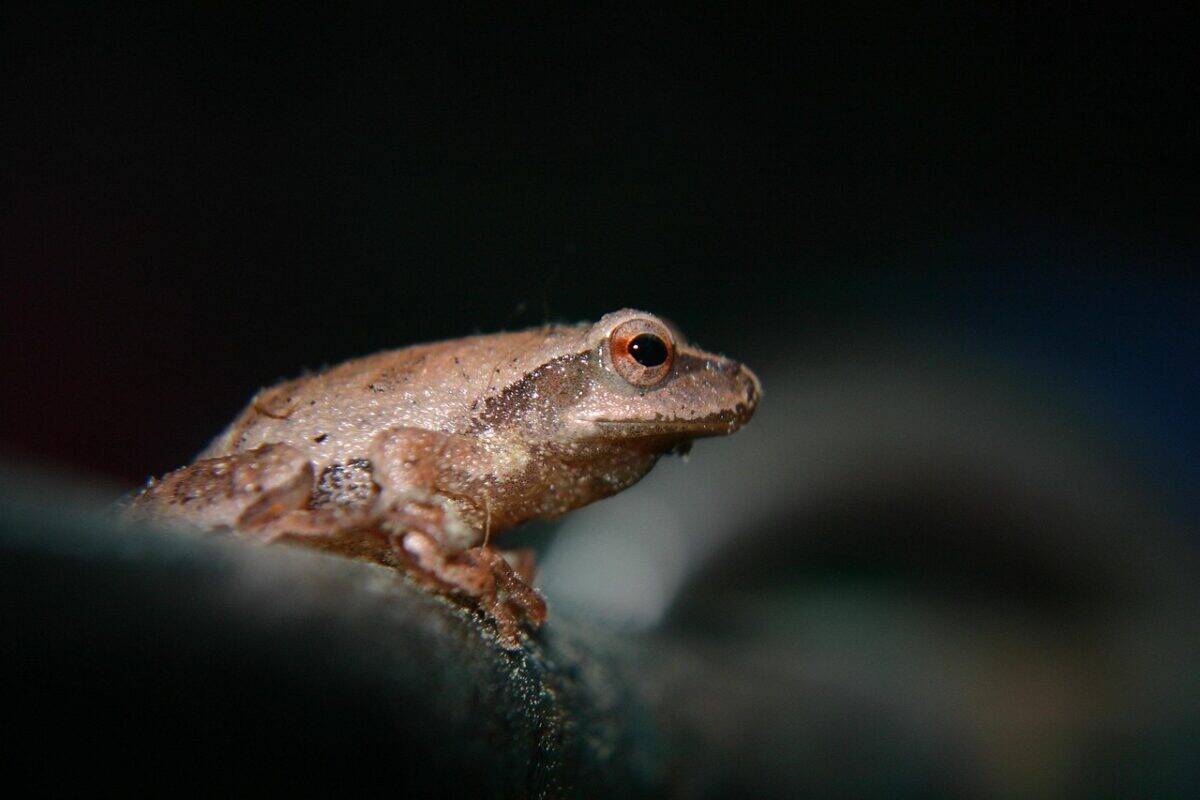
The question of whether animals can predict natural disasters exists in a fascinating middle ground between myth and established science. The evidence suggests animals do possess sensory capabilities that allow them to detect environmental changes preceding disasters—changes often imperceptible to humans. Historical observations across cultures and preliminary scientific studies provide compelling support for the phenomenon, particularly for earthquakes, tsunamis, and severe weather events. However, the field still lacks the rigorous, systematic evidence needed for reliable prediction systems based solely on animal behavior. The most reasonable conclusion is that animal disaster prediction is neither pure myth nor established fact, but rather an emerging area of scientific inquiry with significant potential. As technology advances and our understanding of animal sensory perception deepens, we may eventually develop systems that incorporate animal behavior as one component of comprehensive early warning networks. Until then, perhaps the wisest approach is to maintain healthy scientific skepticism while remaining open to the possibility that many species perceive aspects of our shared environment that humans, for all our technological sophistication, still cannot directly sense.

- This Tiny Insect Can Survive in Outer Space—Here’s How - July 21, 2026
- Could the Tasmanian Tiger Be Brought Back to Life? - July 21, 2026
- Why You Should Never Approach a Sleeping Hippo - July 21, 2026