

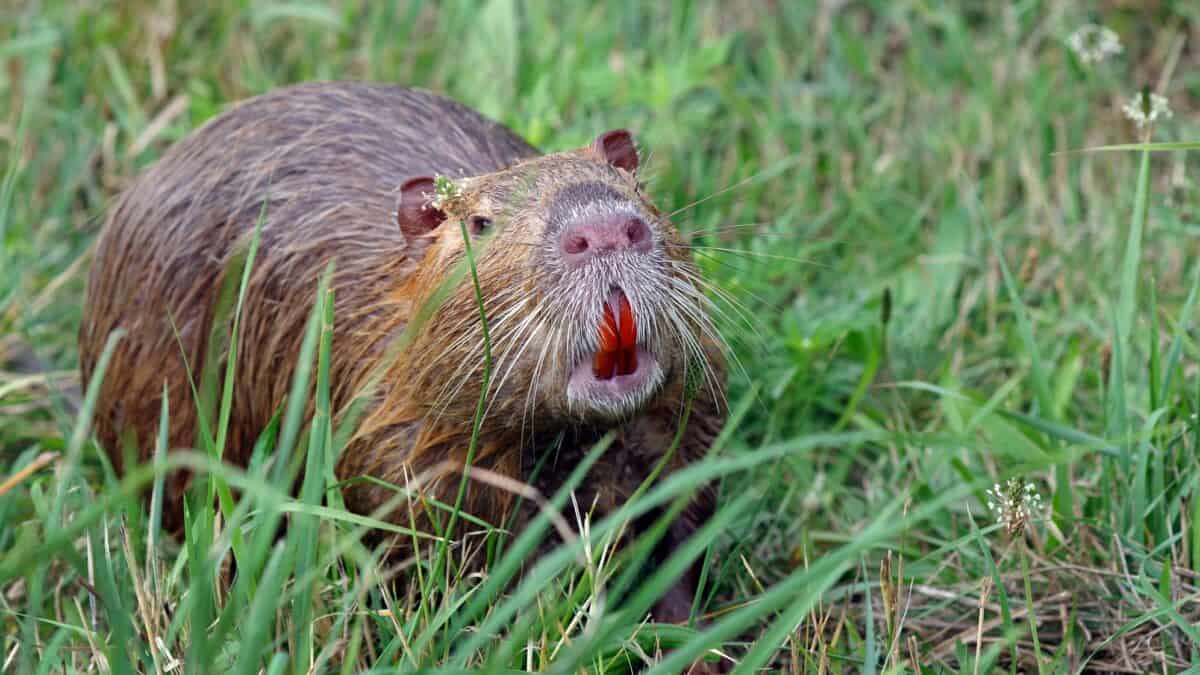
Animals don’t just live in their environments—they build and reshape them. A global study led by Professor Gemma Harvey from Queen Mary University of London has identified over 600 species that physically alter landscapes. From beavers creating wetlands to termites building mounds visible from space, these animals play a crucial role in shaping the world around us.
A Study That Changes Perspectives
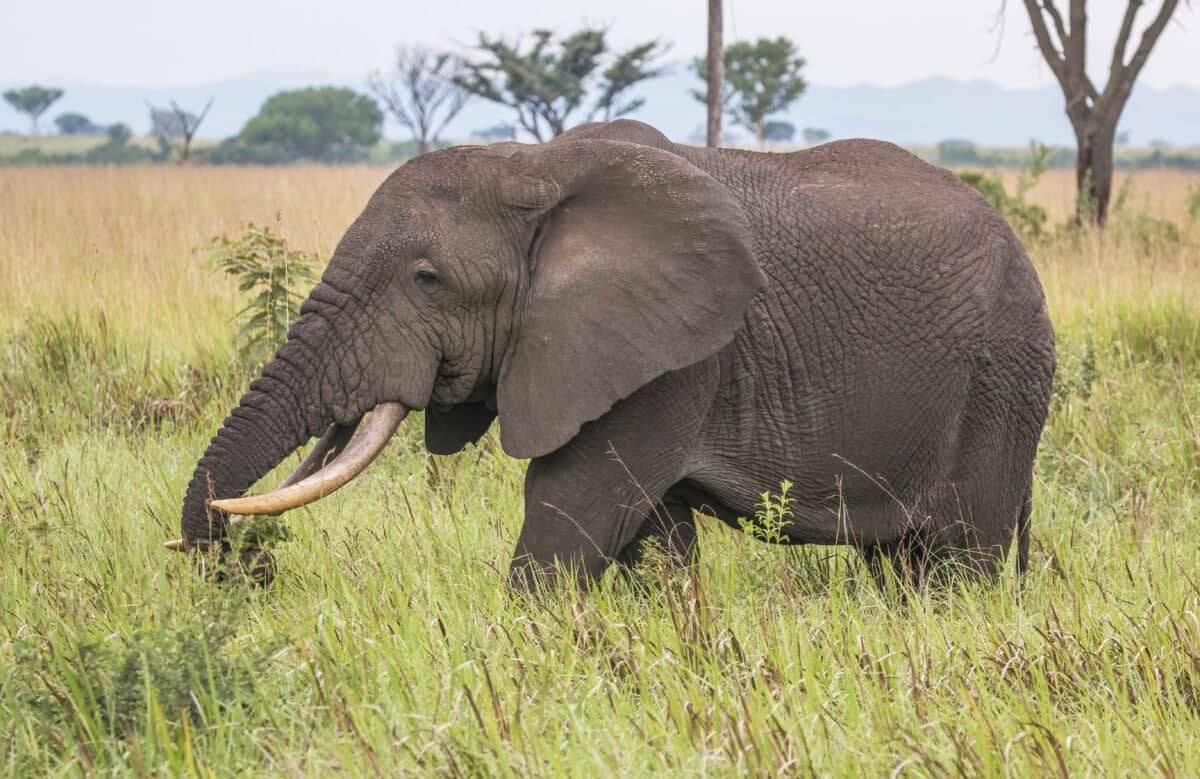
Published in Proceedings of the National Academy of Sciences, this study is the first to analyze how animals influence Earth’s surface at a global scale. The research highlights how species across freshwater and land ecosystems modify landscapes, sometimes rivaling the effects of natural disasters like floods. The impact of these animal architects is more significant than scientists previously imagined.
From Tiny Creatures to Large-Scale Builders

Termites construct towering mounds that regulate temperature and moisture. Beavers, often called “ecosystem engineers,” create dams that control water flow, forming habitats for countless other species. Even hippos shape river systems by carving channels through wetlands. These activities show how animal behaviors drive geological change over time.
Nature’s Ongoing Construction Projects

The way animals alter landscapes isn’t random—it’s an essential part of ecosystem health. Beavers’ dams prevent soil erosion, termites enrich soil with nutrients, and prairie dogs aerate the ground, improving plant growth. Without these species, entire ecosystems could collapse or dramatically change.
Conservation and the Role of Animal Engineers
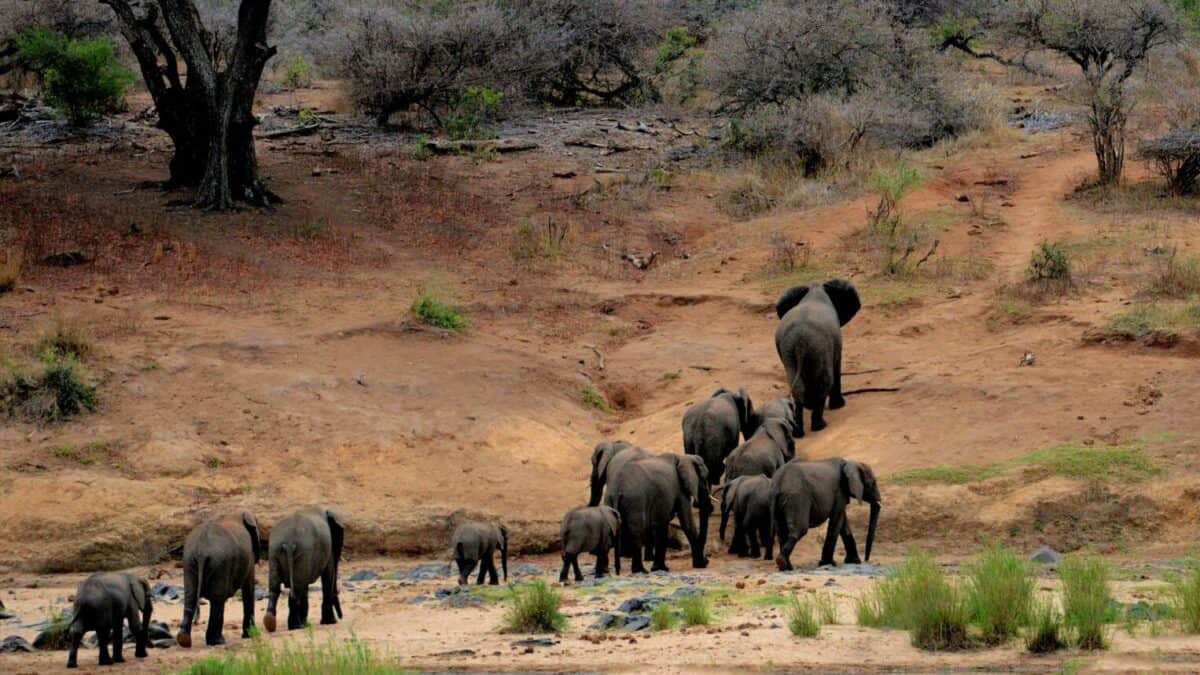
Understanding how animals shape the land is crucial for conservation efforts. By protecting species like beavers and elephants, we also preserve the landscapes they help maintain. The study emphasizes that animal-driven changes should be recognized and considered in environmental management strategies.
A Planet Shaped by Life
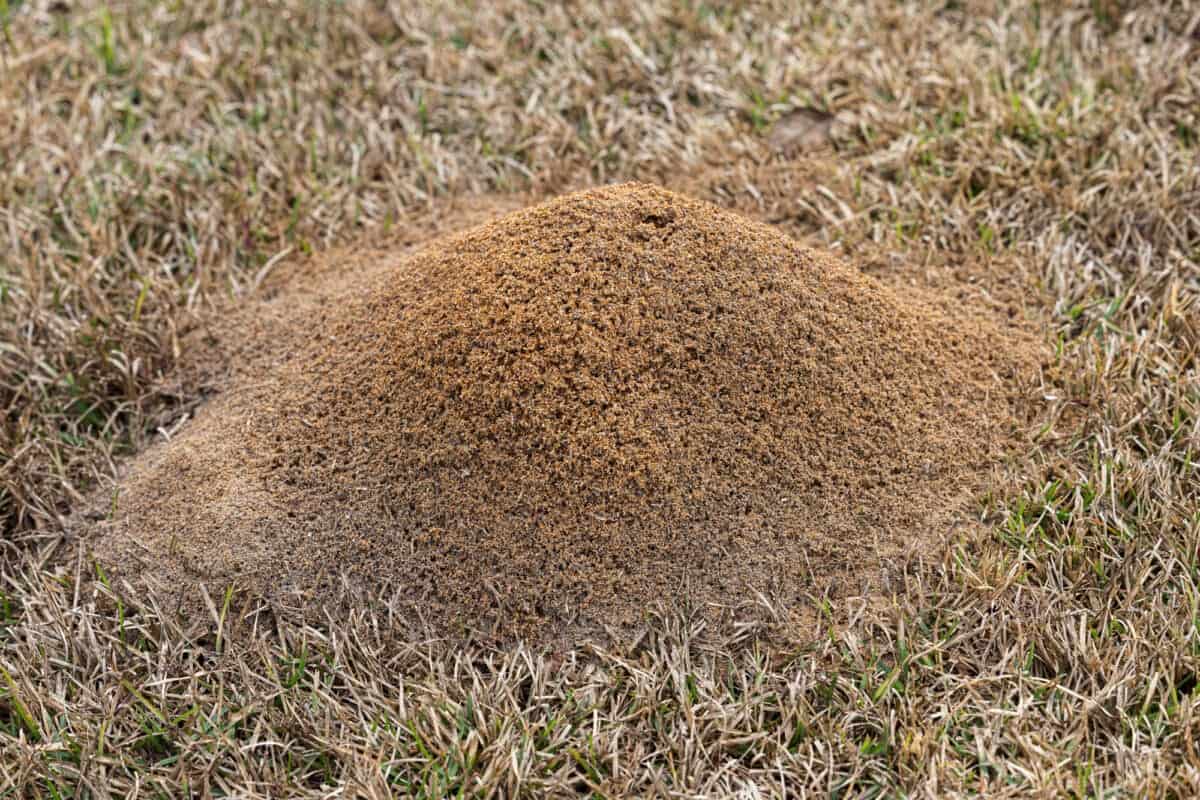
For centuries, humans have focused on how natural forces like wind and water shape the Earth. This study reminds us that animals play just as big a role in designing our world. From small insects to massive mammals, nature’s architects prove that Earth’s landscapes are living, evolving creations—shaped not just by geology, but by the creatures that call it home.

adventuring, photography and videography. I am currently working towards a BSc in Biodiversity and Ecology at Stellenbosch University to go on to specialise in Marine Sciences one day.
Please send any feedback to Feedback@animalsaroundtheglobe.com
- The Colombian Divers Risking Their Lives to Remove Deadly Ghost Nets - July 22, 2026
- Did You Know That Moose Can Weigh Up To 1400 Pounds - July 22, 2026
- Dog Comes Face To Face With A Snow Leopard And Makes A Hasty Escape - July 22, 2026