
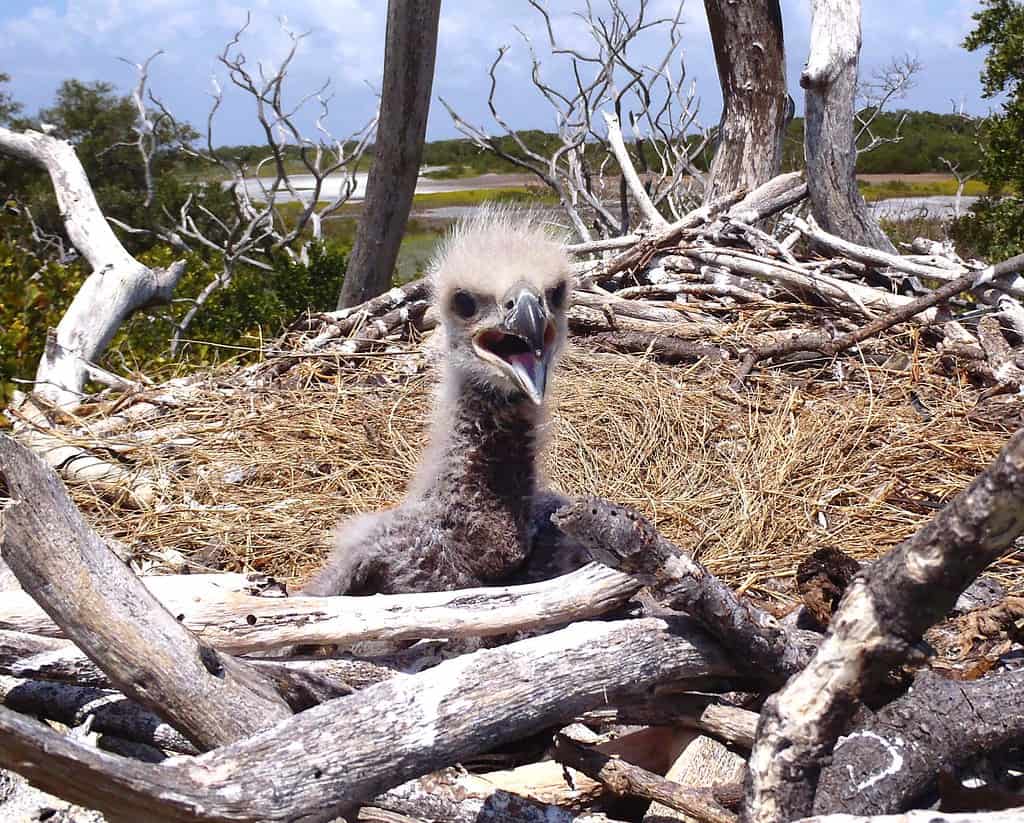
The journey of a bald eagle from helpless hatchling to majestic predator represents one of nature’s most remarkable transformations. America’s national bird faces numerous challenges during its crucial first year of life – a period marked by rapid development, learning essential survival skills, and navigating environmental threats. While adult bald eagles are powerful symbols of strength and freedom, their offspring begin life utterly dependent and vulnerable. This precarious early stage sees mortality rates approaching 50%, making the survival strategies developed by these young birds truly extraordinary. From their first tentative movements in the nest to their inaugural solo flights, bald eagle chicks overcome tremendous odds through a combination of parental care, instinctive behaviors, and remarkable physiological adaptations.
From Egg to Hatchling: The Beginning of Life

A bald eagle chick’s journey begins inside a chalky white egg approximately 3 inches long. Female eagles typically lay 1-3 eggs per clutch, with each egg weighing about 4.5 ounces. The parents take turns incubating these eggs for approximately 35 days, maintaining a constant temperature of around 99°F (37°C). This dedicated incubation is critical – even brief exposure to extreme temperatures can be fatal to the developing embryo. Inside the egg, the chick develops rapidly, forming a specialized “egg tooth” on its beak that will be used to break through the shell during hatching. This hatching process, known as “pipping,” can take up to 48 hours as the exhausted chick struggles to free itself from its confined quarters. Once emerged, the hatchling is wet, nearly blind, and weighs only about 3 ounces – roughly the weight of three slices of bread.
The Nesting Environment: A Safe Haven

Bald eagle nests, called aeries, provide the first critical environment for a chick’s survival. These massive structures, often built near water sources, can reach dimensions of 6 feet in diameter, 4 feet in depth, and weigh up to 2 tons. Parents carefully select nesting sites in tall, sturdy trees offering clear visibility of surroundings and protection from predators. The interior of the nest features a bowl-shaped depression lined with soft materials like moss, grass, and downy feathers, creating a microclimate that helps regulate the chicks’ body temperature during their first vulnerable weeks. The substantial size and careful construction of these nests serve multiple survival functions: protection from predators, insulation against weather extremes, and a safe space for chicks to practice essential movements and behaviors before fledging. Research shows that successful eaglets typically come from nests located at least 100 feet from human disturbance, highlighting the importance of this secure first home.
Sibling Dynamics: Competition and Cooperation

When multiple eggs hatch in a single nest, complex sibling dynamics emerge that significantly impact survival odds. Bald eagle eggs typically hatch asynchronously – with up to several days between hatchings – creating immediate size and strength disparities among nestmates. This disparity often leads to a phenomenon called “sibling rivalry,” where the older, larger chick may aggressively compete for food and sometimes physically attack its younger siblings. In years of food scarcity, this competition can be particularly intense, occasionally resulting in siblicide, where younger chicks perish from starvation or direct aggression. However, research has shown that in years of abundant food resources, siblings can exhibit remarkable cooperation, with older chicks sometimes allowing younger ones access to food. A 15-year study conducted in the Chesapeake Bay region found that nests with multiple chicks actually produced more surviving eaglets per nest than single-chick nests during food-rich years, suggesting sibling presence can sometimes enhance survival through increased parental attentiveness and shared thermoregulation benefits.
Nutrition and Feeding: Fueling Rapid Growth

The nutritional needs of growing bald eagle chicks are extraordinary, driving some of the most rapid growth rates in the bird world. In their first 12 weeks, eagle chicks typically increase their weight by about 4,500%, from roughly 3 ounces at hatching to 9-10 pounds before fledging. This remarkable growth requires substantial nutrition, with parents delivering approximately 13 pounds of food per week to a single eaglet. Fish comprise about 60-90% of this diet, supplemented by waterfowl, small mammals, and occasionally carrion. Parents meticulously tear food into small, manageable pieces for young chicks, gradually offering larger portions as the nestlings develop. This high-protein diet provides essential nutrients like calcium for bone development and taurine for proper nervous system formation. Interestingly, studies have shown that eagle chicks can survive temporary food shortages by entering a state of slowed metabolism and growth, allowing them to weather brief periods of scarcity – a crucial adaptation for survival during their first year.
Physical Development: Growing Into Predators

The physical transformation of bald eagle chicks during their first year is nothing short of remarkable. Hatchlings begin life covered in a light gray down that provides minimal insulation, making them entirely dependent on parental brooding for warmth. Within 10 days, this initial down is replaced by a thicker, woollier secondary down. By 3-4 weeks, the first dark feathers begin emerging on their wings and back. Between weeks 4-7, their iconic hooked beak and massive talons develop rapidly – essential tools for their predatory future. The growth of flight feathers is particularly critical, with primaries and secondaries emerging in a precise sequence that ensures balanced wings upon fledging. By 10-12 weeks, most body feathers have grown in, though young eagles retain a distinctively different appearance from adults, with mottled brown plumage and dark eyes rather than the white head and yellow eyes that will develop years later. This juvenile plumage serves an important survival function, signaling to territorial adult eagles that these birds are immature and not competitive threats.
Learning to Fly: The Critical Fledging Period

Perhaps no developmental milestone is more critical to a young eagle’s survival than learning to fly. The fledging process begins around 10-12 weeks after hatching, but the preparation starts much earlier. At about 6 weeks, eaglets begin “wingercising” – standing in the nest and vigorously flapping their wings to build crucial flight muscles. As fledging approaches, they engage in “branching” – cautiously exploring the limbs surrounding the nest. The actual first flight typically occurs at 10-14 weeks, with males generally fledging slightly earlier than the larger females. This initial flight is often awkward and brief, with many young eagles landing on nearby branches or even on the ground. Data from tracked eagles shows that approximately 15% of fledglings suffer injuries during these first flights, usually from collisions or misjudged landings. After fledging, young eagles typically remain near the nest for 4-10 weeks in a period called the “post-fledging dependency period,” continuing to receive food from parents while perfecting their flight skills through increasingly ambitious practice flights. This gradual progression from nest-bound chick to confident flyer is essential for survival, as efficient flight is necessary for hunting, evading predators, and eventually dispersing to establish their own territories.
Hunting Skills: From Dependency to Self-Sufficiency
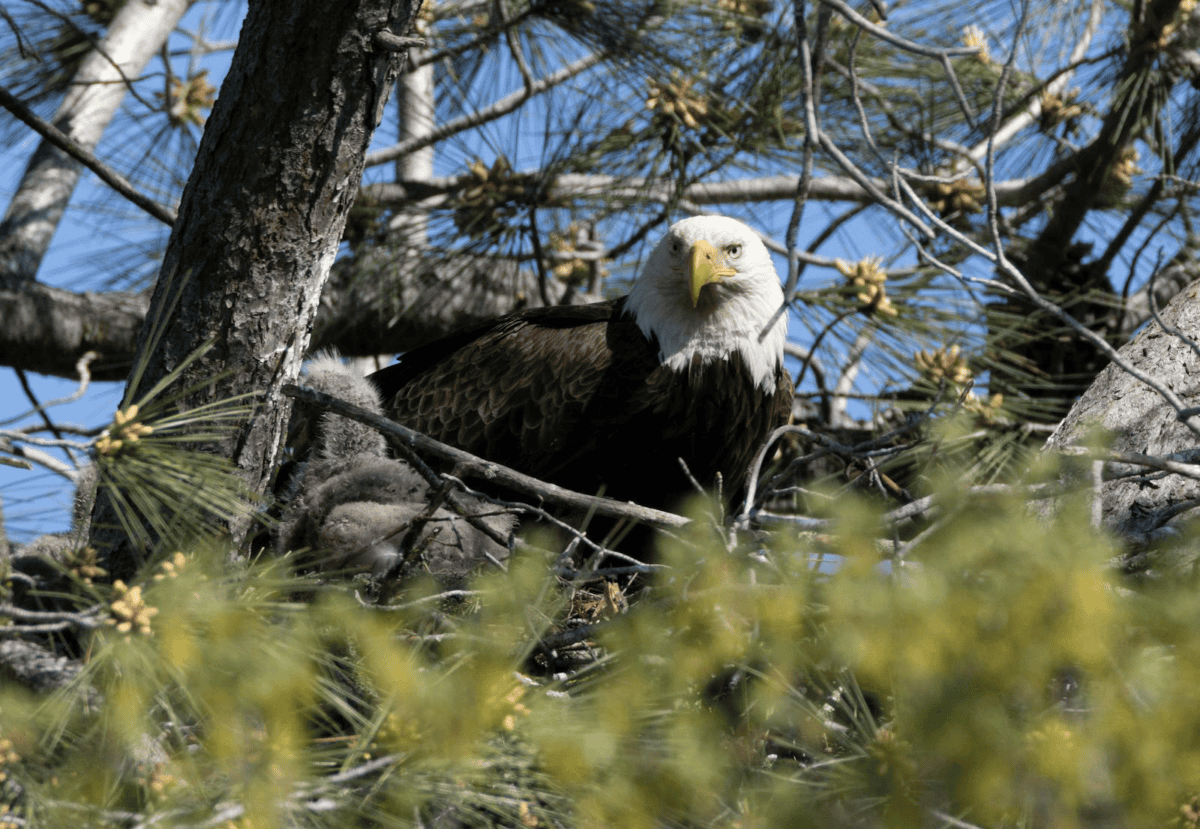
The acquisition of hunting skills represents one of the most crucial developmental challenges for first-year bald eagles. Young eagles aren’t born with an innate ability to catch prey – they must learn through observation, practice, and trial and error. Initially, fledglings watch their parents closely, observing hunting techniques from perches near the nest. Parents may demonstrate fishing techniques by flying low over water and performing dramatic catches in full view of their offspring. As young eagles gain confidence, they begin practicing these skills, often starting with easier targets like dead fish on shorelines before attempting the more complex task of catching live fish. Studies using radio-tagged juveniles have revealed that first hunting attempts are remarkably unsuccessful, with success rates below 5%. By six months, this improves to about 25% – still well below the 60-70% success rate of experienced adults. This learning curve explains why the period immediately following independence is particularly dangerous, with mortality rates spiking when parental food provision ends. Young eagles often resort to scavenging and stealing food from other birds (kleptoparasitism) to supplement their diet during this critical learning phase.
Territorial Dispersal: Finding a Place in the World

Between 4-6 months after hatching, young bald eagles face another critical survival challenge: territorial dispersal. This period marks their permanent departure from the natal area as they begin wandering to establish their own range. Tracking studies have revealed remarkable journeys, with some first-year eagles traveling over 1,000 miles from their birth nest. This dispersal serves several evolutionary purposes – preventing inbreeding, reducing competition with parents, and colonizing new habitats. However, it also exposes young eagles to numerous dangers in unfamiliar territories. Interestingly, juvenile eagles show distinct patterns during this phase, often congregating in areas with abundant food resources such as salmon runs or waterfowl wintering grounds. These gathering areas, sometimes hosting hundreds of immature eagles, provide crucial social learning opportunities where young birds can observe techniques from slightly older juveniles and find relatively easy hunting opportunities. Research from the Chesapeake Bay region indicates that first-year eagles that locate these communal feeding areas have survival rates nearly 20% higher than those that wander more randomly, highlighting the importance of this resource-finding ability during their first year.
Weathering the Elements: Adapting to Seasonal Challenges

As young bald eagles experience their first full seasonal cycle, they must develop strategies to survive changing environmental conditions. Eagles hatched in northern regions often undertake partial migrations to avoid the harshest winter conditions, while those from more temperate areas may remain relatively local. Weather presents significant challenges – heavy rainfall can soak feathers and reduce insulation, while extreme heat can cause dangerous dehydration. Young eagles gradually develop physiological and behavioral adaptations to address these challenges. They learn to seek shelter during storms, position themselves to minimize wind exposure, and use sunning behaviors to dry wet feathers quickly. Thermal regulation is particularly critical, with juveniles developing a sophisticated network of blood vessels in their unfeathered legs that functions as a countercurrent heat exchange system, helping them conserve body heat in cold conditions. Data from satellite-tracked juveniles shows that first-year eagles spend significantly more time seeking shelter during adverse weather than adults do, reflecting their still-developing ability to withstand environmental extremes. This weather adaptation process represents a crucial but often overlooked aspect of first-year survival.
Predators and Threats: Navigating a Dangerous World

Despite their eventual status as apex predators, first-year bald eagles face numerous threats that contribute to their approximately 50% first-year mortality rate. Great horned owls occasionally prey on eagle chicks still in the nest, while ground predators like raccoons and foxes may attack fledglings that end up on the ground. However, the most significant natural threat comes from other adult eagles, which may attack juveniles perceived as competition. Human-related hazards pose even greater risks. Lead poisoning from ingesting bullet fragments in scavenged game animal remains affects approximately 25% of first-year eagles brought to rehabilitation centers. Collisions with vehicles, power lines, and wind turbines collectively account for approximately 30% of documented juvenile eagle deaths. Environmental contaminants remain problematic despite improved regulations, with pesticides and industrial pollutants bioaccumulating in the fish that form the eagles’ primary diet. Perhaps most insidiously, habitat loss continues to reduce suitable territories for these expanding populations, forcing juveniles into marginal areas with higher mortality risks. Young eagles that learn to recognize and avoid these various threats significantly improve their survival odds.
Social Learning: The Importance of Observation

While instinct plays a critical role in eagle development, research increasingly highlights the importance of social learning for first-year survival. Young eagles are keen observers, watching not only their parents but also other eagles and even other species. This observational learning encompasses multiple survival skills, from specific hunting techniques to predator recognition. For example, juvenile eagles have been documented adopting fishing strategies they’ve observed from ospreys, and learning to recognize potential threats by watching the alarm responses of crows and other alert species. Interestingly, studies using camera-monitored artificial feeding stations have revealed that young eagles quickly learn which food sources are safe by watching the behavior of slightly older juveniles – approaching only after seeing others feed without negative consequences. This tendency toward observational learning explains why juvenile eagles are frequently found in loose aggregations rather than remaining solitary, despite their species’ generally territorial nature. First-year eagles with more opportunities for social learning – particularly those hatched in areas with higher eagle densities – show measurably higher survival rates, demonstrating the crucial survival value of learning from others during this vulnerable period.
The Path to Maturity: Looking Beyond the First Year

For bald eagles that successfully navigate their first year, the journey to full maturity remains a long one. These birds require 4-5 years to attain their iconic white head and tail feathers, yellow beak, and mature plumage. During this extended adolescence, their survival odds gradually improve with each passing year as they refine their hunting skills and gain experience. Second-year eagles show approximately 75% survival rates, while third-year birds reach nearly 90% – approaching the 95% annual survival rate of adults. However, these maturing eagles face a unique challenge: establishing territories in an increasingly crowded landscape. With bald eagle populations having rebounded dramatically from fewer than 500 nesting pairs in the 1960s to over 71,000 eagles today, competition for prime nesting territories has intensified. Successfully navigating the first year doesn’t guarantee eventual breeding success, as only eagles that secure quality territories typically reproduce. Nevertheless, this robust population recovery stands as a testament to the remarkable resilience of these birds and the conservation efforts that have supported their comeback. For the young eaglet that hatches today, surviving the first year represents just the beginning of a potentially long life – with some wild bald eagles documented to live over 30 years.
Conclusion: A Testament to Resilience

The journey of a bald eagle chick through its first year epitomizes both the harshness and the wonder of natural selection. From helpless hatchling to independent juvenile, these iconic birds must overcome numerous challenges through a combination of parental care, instinctive behaviors, and learned skills. The approximately 50% that survive this critical period represent the most adaptable individuals – those that successfully mastered flying, hunting, finding resources, and avoiding threats. Their remarkable transformation offers powerful insights into avian development and the complex interplay between genetics and environmental learning. As we continue to monitor and protect these magnificent birds, each successful fledgling serves as a living reminder of the resilience embedded in nature and the responsibility we bear to preserve the habitats that make such remarkable journeys possible.

- This Tiny Insect Can Survive in Outer Space—Here’s How - July 21, 2026
- Could the Tasmanian Tiger Be Brought Back to Life? - July 21, 2026
- Why You Should Never Approach a Sleeping Hippo - July 21, 2026