


The bald eagle, synonymous with the American spirit and emblematic of national pride, faced a bleak future in the mid-20th century due to environmental challenges. However, through concerted conservation efforts and public awareness, these majestic birds have made a remarkable comeback across the United States. This article delves into the factors that contributed to their decline, the pivotal interventions that aided their recovery, and the inspiring story of resilience and revival.
The Symbol of Freedom: Bald Eagle Significance

Bald eagles have long been revered as symbols of freedom and strength, serving as the national bird and emblem of the United States. Their image graces the Great Seal of the United States and appears on various government institutions’ logos, emphasizing the bird’s integral role in American culture and heritage.
A Troubling Decline: Understanding the Crisis
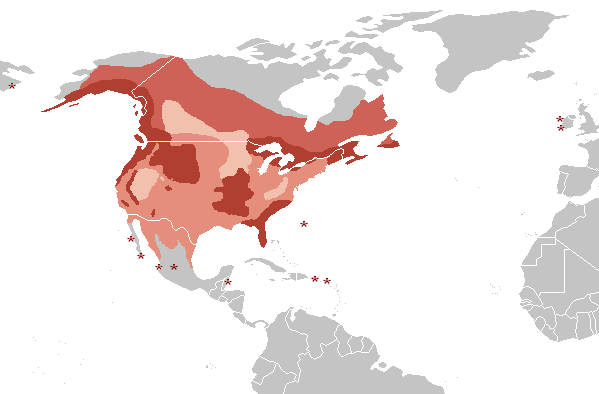
By the mid-1900s, the bald eagle population in the contiguous United States had dwindled to alarming numbers, with estimates suggesting fewer than 500 nesting pairs remained. This precipitous decline was primarily attributed to habitat destruction, illegal shooting, and the widespread use of the pesticide DDT, which weakened eggshells and reduced hatchling survival rates.
The Role of DDT: A Catalyst for Collapse

DDT (dichloro-diphenyl-trichloroethane) was widely used in the mid-20th century as an agricultural pesticide. While effective at controlling pests, it accumulated in the food chain, ultimately affecting bald eagles. The chemical caused eggshell thinning, making it difficult for parent eagles to incubate their eggs without breaking them.
A Turning Point: The Endangered Species Act

In response to the critical status of bald eagles and several other wildlife species, the United States Congress passed the Endangered Species Act (ESA) in 1973. This powerful legislation provided the necessary framework for conservation practices and allocated resources essential for protecting endangered and threatened species, including the bald eagle.
DDT Ban: Paving the Way for Recovery

The Environmental Protection Agency’s (EPA) ban on DDT in 1972 played a crucial role in the resurgence of bald eagle populations. By eliminating this harmful pesticide from the environment, bird populations could slowly regenerate, as eggshells began to normalize in thickness, significantly improving chick survival rates.
Restoration Programs: Hands-On Conservation Efforts

Numerous restoration programs across the country directly contributed to the bald eagle’s comeback. These efforts included monitoring and protecting nesting sites, captive breeding and release initiatives, and public awareness campaigns that encouraged protection and appreciation of these iconic birds.
Community Involvement: Grassroots Efforts in Conservation

Communities across the United States rallied to support bald eagle recovery efforts. Local conservation groups and volunteers worked tirelessly to clean up habitats, monitor nests, and report illegal activities threatening bald eagles. This grassroots involvement proved essential in creating a nationwide awareness and passion for protecting these birds.
Pioneering Research: Science-Driven Solutions

Scientific research played a vital role in understanding bald eagle ecology and identifying primary threats to their survival. Studies conducted by ornithologists and wildlife biologists provided the data needed to implement effective conservation strategies, guide policy decisions, and evaluate the success of recovery efforts.
Rebounding Numbers: A Quantifiable Success

Today, the bald eagle population stands as a testament to the success of collaborative conservation. From fewer than 500 pairs in the 1960s, bald eagle numbers have risen to over 71,000 nesting pairs across the United States, marking one of the most dramatic wildlife recovery stories in American history.
Current Challenges: Maintaining the Momentum

Despite this success, current challenges such as habitat encroachment, climate change, and lead poisoning from ammunition continue to pose threats. Ongoing vigilance and adaptive management strategies are essential to ensure the bald eagle’s continued survival and prosperity.
The Joy of Sight: Bald Eagles in Everyday America

Today, the sight of a bald eagle soaring majestically through the sky is a common one in many regions of the United States. This once-rare event is now a frequent reminder of the power of coordinated conservation efforts and the resilience of nature when given the chance to recover.
A Collective Achievement: Lessons from Success

The revival of the bald eagle population is a powerful example of what can be achieved when governments, scientists, and everyday citizens unite for a common cause. This success story offers valuable lessons for future conservation endeavors, underscoring the importance of persistence, adaptability, and a holistic approach to environmental stewardship.
In conclusion, the journey of the bald eagle from near extinction to flourishing populations is an inspiring narrative of hope and determination. It highlights the impact of environmental legislation, community involvement, and science-driven conservation efforts. As these birds continue to thrive, they remind us of the potential to restore ecological balance and protect our natural heritage for future generations.

- Owls and Other Forest Dwellers of the Cascades - July 19, 2026
- What Happens When a Python Eats Something Too Big? - July 19, 2026
- Baby Koalas Hug Their Moms for Safety and Comfort - July 19, 2026