
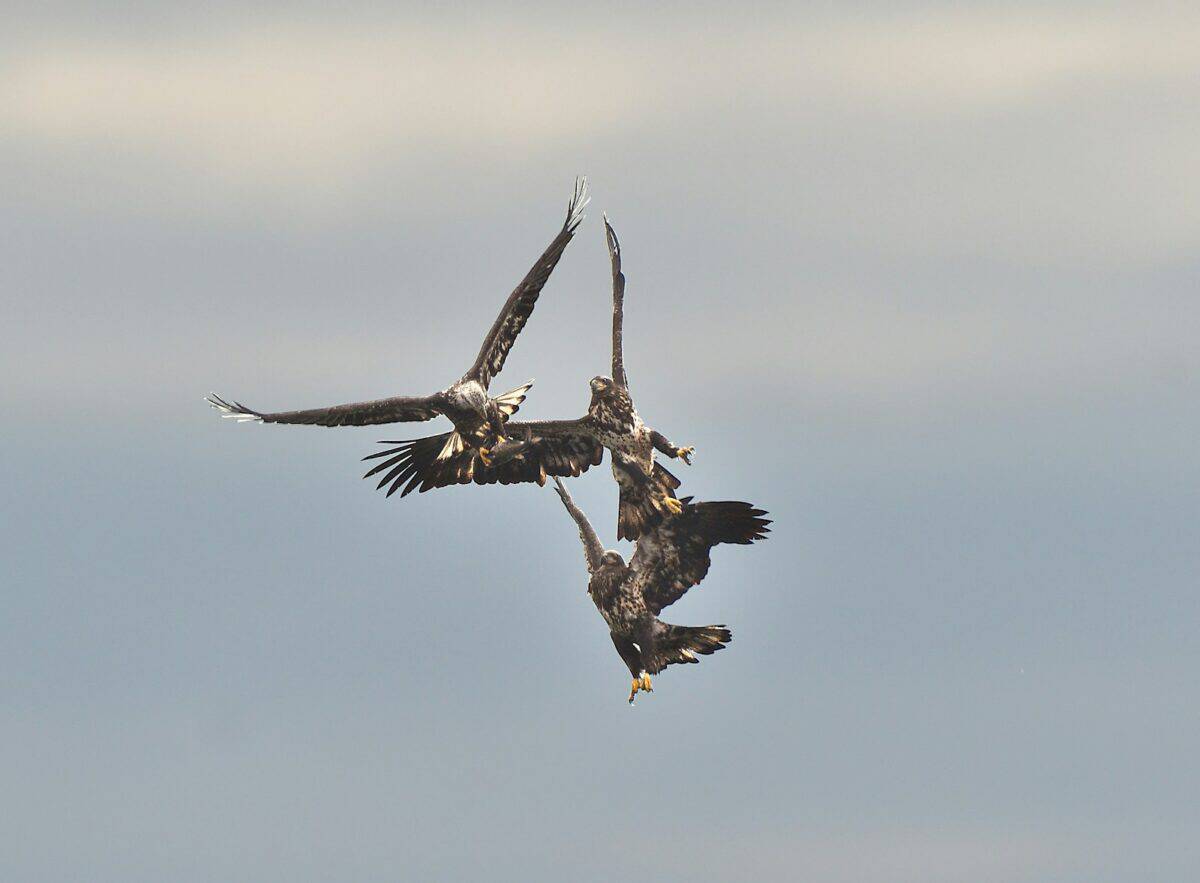
As hurricanes barrel toward coastlines with devastating force, we often wonder about the wildlife caught in these storms’ paths. While humans evacuate and seek shelter, birds face these violent weather events without the luxury of evacuation orders or sturdy buildings. Yet, despite wind speeds exceeding 150 mph, torrential downpours, and massive flooding, birds have developed remarkable adaptations and behaviors that help them survive nature’s most powerful storms. This resilience represents millions of years of evolutionary adaptations that enable these feathered creatures to weather hurricanes and continue their species’ survival against seemingly impossible odds.
The Remarkable Sensing Abilities of Birds
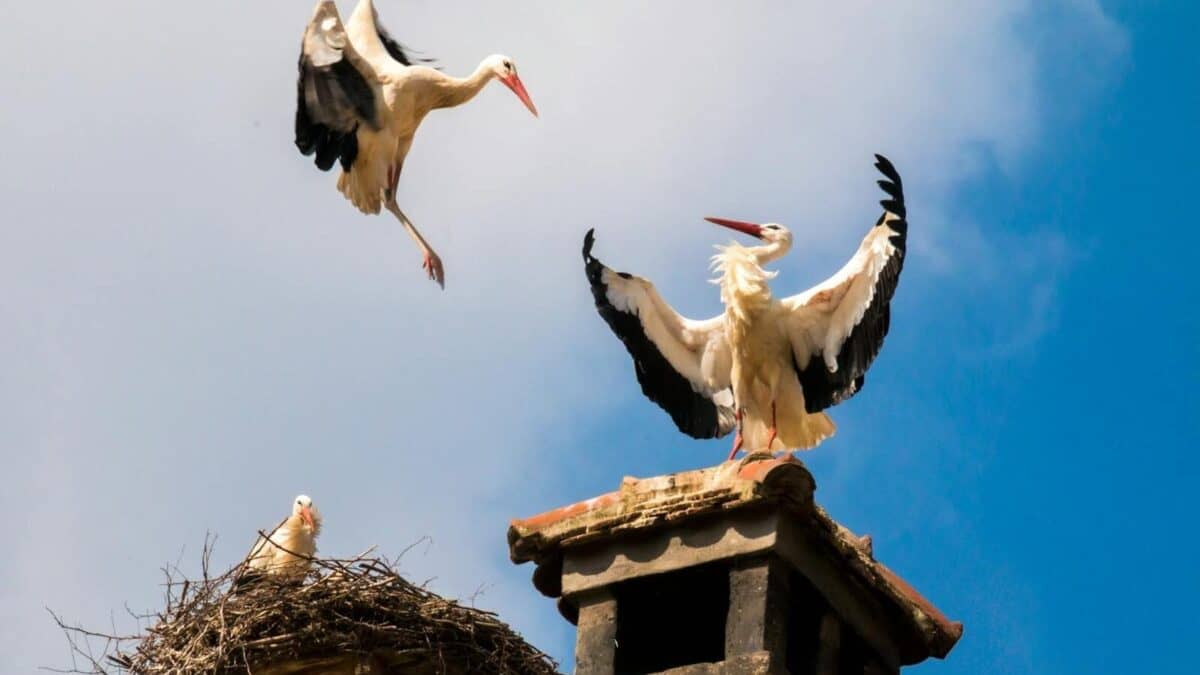
Birds possess an extraordinary ability to detect changes in barometric pressure, which serves as an early warning system for approaching storms. Research has shown that birds can sense drops in air pressure as slight as 1-2 millibars, allowing them to detect hurricanes days before they arrive. This sensitivity comes from their paratympanic organ (PTO), a specialized middle-ear structure that functions as a barometer. When pressure drops indicate an approaching hurricane, many bird species begin altering their behavior accordingly—feeding more intensively to build energy reserves or initiating migration away from the storm’s projected path. This remarkable adaptation gives birds a crucial head start in hurricane preparation that many other animals lack.
Pre-Hurricane Evacuation Behaviors

Many bird species demonstrate remarkable evacuation behaviors when their sensory abilities detect an approaching hurricane. Radar studies have shown large flocks of birds taking flight 24-48 hours before a hurricane makes landfall, often flying hundreds of miles to escape the storm’s path. This phenomenon, sometimes called “evacuation migration,” isn’t random—birds typically fly perpendicular to the hurricane’s trajectory to exit the danger zone most efficiently. Larger birds with stronger flight capabilities, such as hawks, herons, and egrets, are particularly adept at these evacuation flights. However, this strategy carries its own risks, as birds can become exhausted or disoriented if caught in the storm’s outer bands, occasionally resulting in mass displacement of certain species to regions hundreds or even thousands of miles from their typical range.
Riding the Eye of the Storm
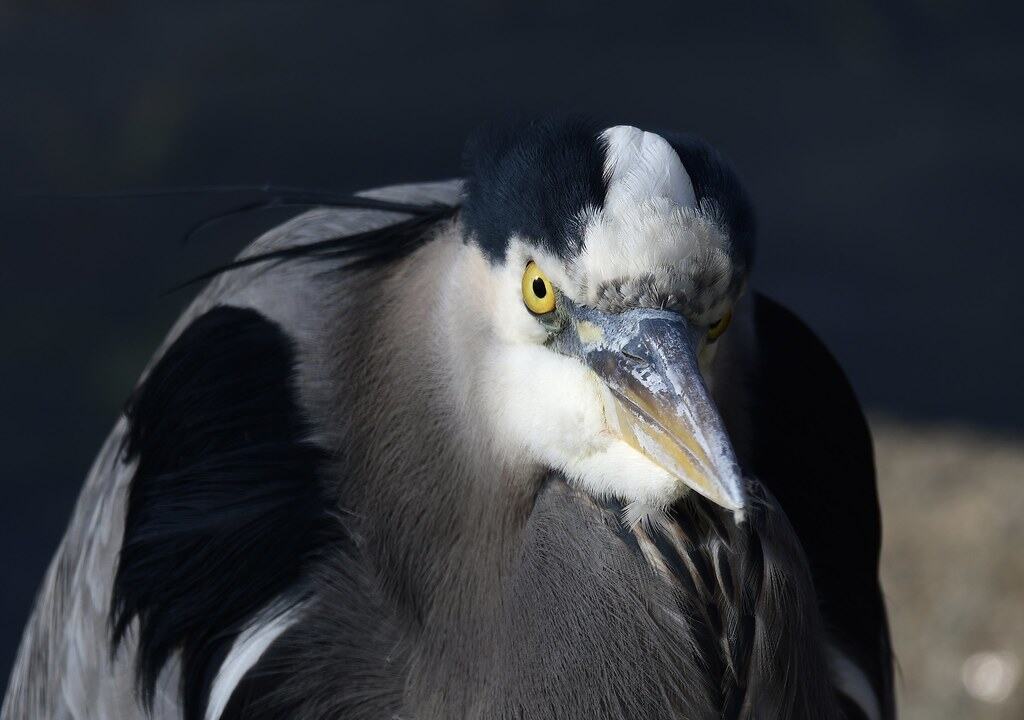
One of the most fascinating hurricane survival strategies involves birds that become inadvertently caught in a hurricane’s eye—the calm center of the storm. Ornithologists have documented cases where migratory birds, seabirds, and even small songbirds become trapped within the eye of a hurricane and are carried along with the storm, sometimes for hundreds of miles. This phenomenon creates what scientists call a “hurricane bird cage.” Within this relatively calm eye, birds find temporary refuge from the violent winds that surround them. Meteorologists and bird watchers often report unusual bird sightings when the eye passes over land, with species appearing far outside their normal ranges. While this involuntary transport is dangerous, it demonstrates the remarkable adaptability of birds that can maintain flight within these unique conditions until finding an opportunity to escape.
Seeking Natural Shelters
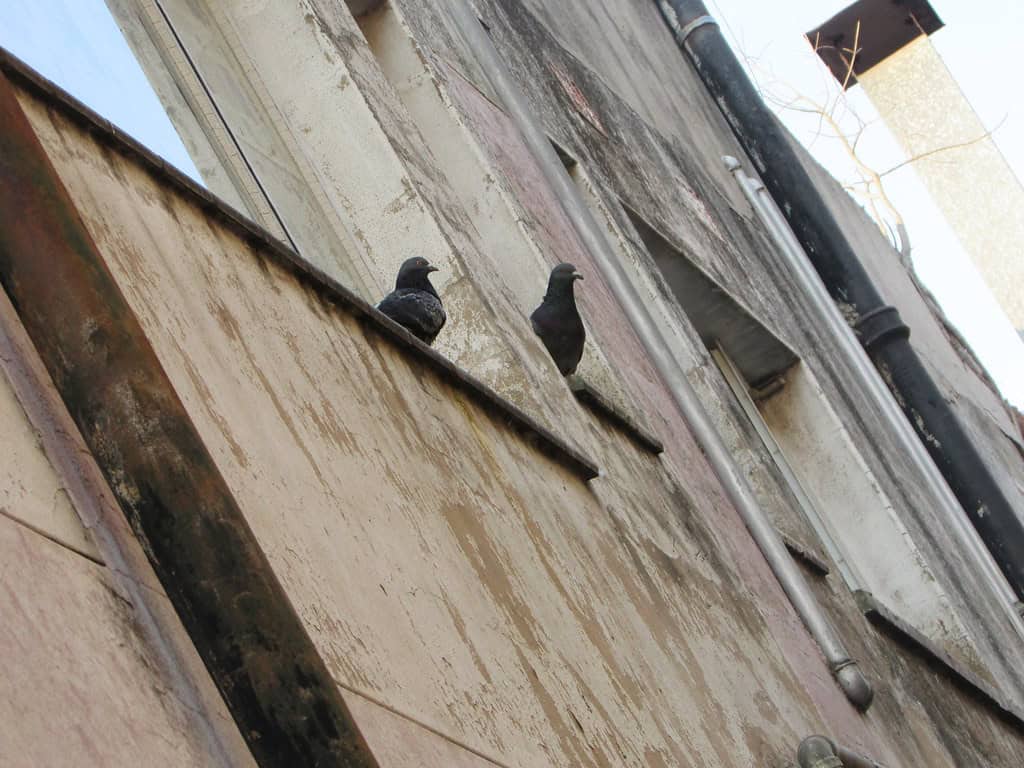
When evacuation isn’t possible, birds employ impressive strategies to find natural shelter from hurricane-force winds and rain. Dense vegetation offers crucial protection, with many species seeking refuge in the interior of thick bushes, tangles of vines, or clusters of bamboo where wind speeds are significantly reduced. Cavity-nesting species like woodpeckers have a particular advantage, as they can retreat into tree hollows or abandoned woodpecker holes that provide substantial protection. Birds also utilize the leeward sides of hills, bluffs, and large trees, positioning themselves in these natural wind shadows. Some ground-dwelling species even seek shelter in burrows, rock crevices, or dense ground cover. The ability to identify and utilize these microhabitats can mean the difference between survival and death during the most violent stages of a hurricane.
Clinging Through the Storm
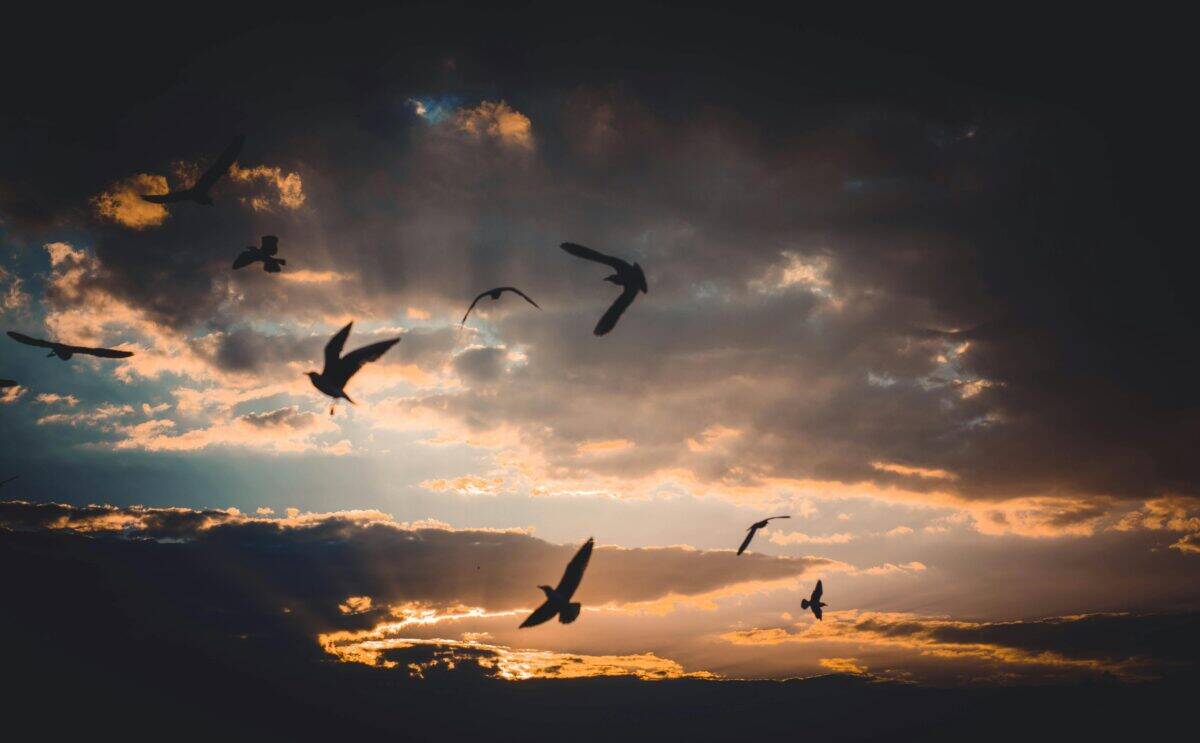
When shelter options are limited, many birds rely on their remarkable physical adaptations to simply hold on through hurricane-force winds. The avian foot is perfectly designed for this purpose, with a locking tendon mechanism that allows birds to maintain a powerful grip on branches or perches even while sleeping or during high winds. This adaptation, called the “perching reflex,” works because the tendons in birds’ legs automatically tighten and lock their toes around a perch when they sit. During hurricanes, this allows birds to maintain their position even as branches violently sway. Additionally, many species turn to face into the wind and crouch low on branches, minimizing their body’s surface area exposed to gusts. These physical adaptations and behaviors allow birds to literally weather the storm in place when evacuation isn’t possible.
The Impact of Feather Structure
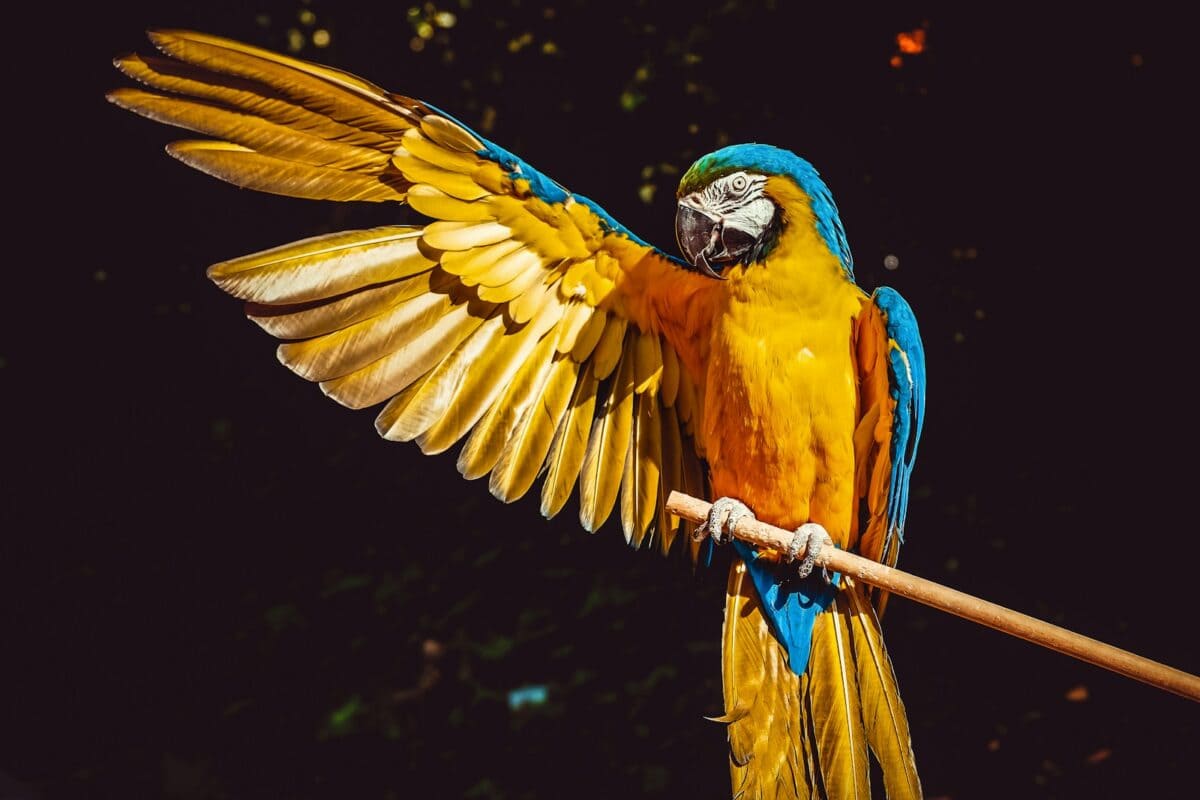
A bird’s feathers provide crucial protection during hurricanes through their remarkable structural properties. The overlapping arrangement of contour feathers creates a nearly waterproof shield when properly maintained, with many species increasing preening behaviors before storms to ensure maximum water resistance. This waterproofing comes from preen oil, secreted from a gland at the base of the tail and carefully distributed across feathers during grooming. Beneath these outer feathers, the soft, insulating down feathers trap warm air against the body, helping birds maintain critical body temperature even when soaked. Additionally, the aerodynamic properties of flight feathers allow birds to maintain some control even in high winds. Research has shown that the microscopic structure of feather barbs and barbules—which hook together like Velcro—can withstand significant force before separating, making feathers remarkably resilient against hurricane-force winds.
Metabolic Adaptations
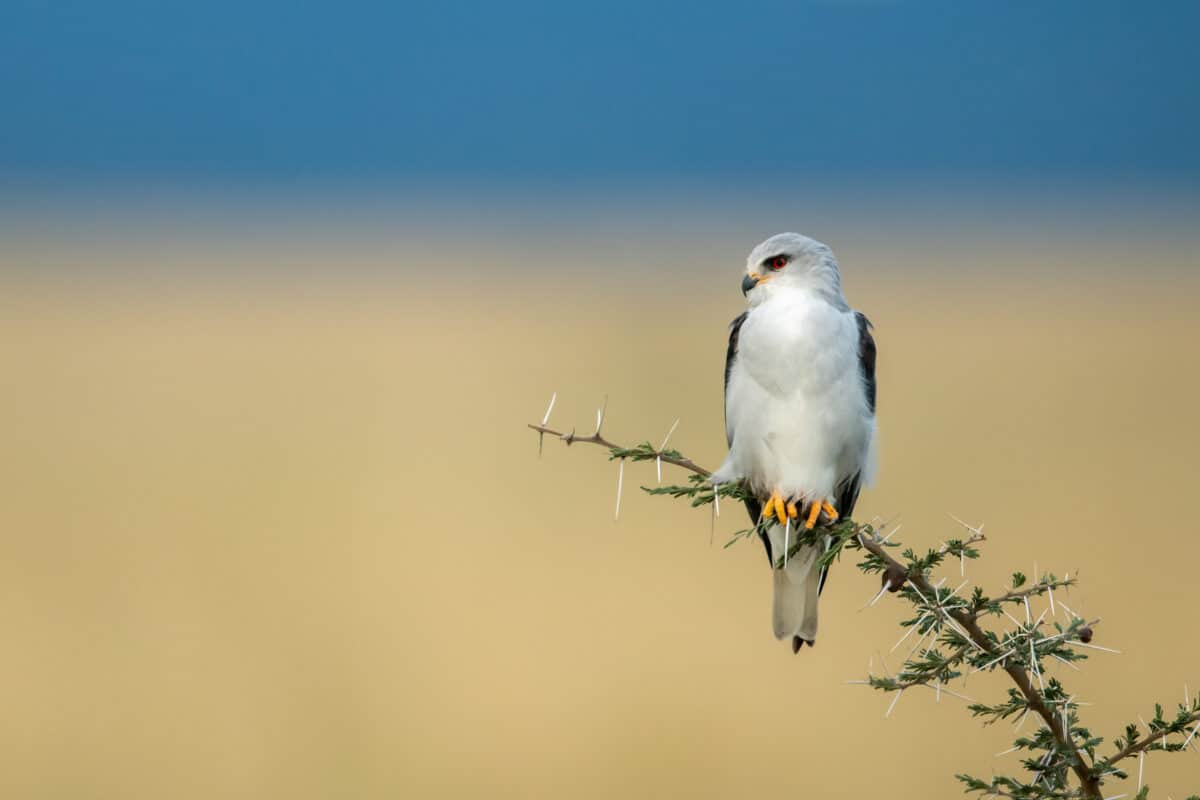
Birds possess remarkable metabolic adaptations that help them survive the challenging conditions hurricanes create. During severe weather events, many species can enter a state similar to torpor—a temporary condition of decreased physiological activity. This state allows birds to reduce their metabolic rate by up to 30%, conserving precious energy reserves when feeding opportunities are limited during and immediately after hurricanes. Additionally, birds can make rapid physiological adjustments to cope with food scarcity, including reducing their digestive organ mass and increasing fat metabolism efficiency. These metabolic shifts help explain how small songbirds, with typically high energy requirements, can survive several days with limited food access during hurricane conditions. Some species also demonstrate facultative hypothermia, allowing their body temperature to drop slightly during stress periods, further conserving energy reserves that become crucial for post-hurricane recovery.
Community Behavior Changes

Hurricane survival often involves significant changes in birds’ social behaviors. Researchers have observed that normally territorial species will temporarily abandon territorial disputes during severe weather events, allowing higher densities of birds to utilize limited shelter resources. This “emergency suspension” of normal social rules has been documented in species ranging from woodpeckers to warblers. Additionally, mixed-species flocking behaviors increase before and after hurricanes, with different bird species grouping together for improved predator detection and food finding. These temporary communities often include species that rarely associate under normal conditions. Hurricane-induced community changes can last for days or weeks after the storm passes, particularly in areas with significant habitat damage. This behavioral flexibility represents another important adaptation that improves survival rates during extreme weather events.
Post-Hurricane Resilience

The aftermath of a hurricane presents birds with a drastically altered landscape and new challenges for survival. Despite these difficulties, birds demonstrate remarkable resilience in post-hurricane environments. Within hours of a storm’s passage, many species resume activity, with research showing that feeding behaviors often intensify to make up for energy expended during the hurricane. Birds quickly adapt to altered food sources, with insectivores benefiting from increased insect activity after floods and fruit-eaters adjusting to wind-fallen fruits. Some species, particularly woodpeckers and other insect specialists, experience temporary population boosts as damaged trees attract wood-boring insects. Birds also show impressive flexibility in nesting behaviors, quickly establishing new territories when habitats are damaged and using novel materials for nest construction when traditional materials are unavailable. This post-hurricane adaptability plays a crucial role in avian populations’ ability to maintain stability despite catastrophic weather events.
Species-Specific Hurricane Strategies

Different bird species have evolved specialized strategies for hurricane survival based on their ecological niches. Seabirds like frigatebirds and petrels often fly above or ahead of hurricanes, using their exceptional flying abilities to navigate around storm systems—a strategy documented through satellite tracking studies. Wading birds like herons and egrets move to higher ground away from storm surge areas, taking advantage of their long legs to navigate through post-hurricane floodwaters when foraging. Woodpeckers and other cavity-nesting species benefit from their protected nest sites, which often survive even when the outer portions of trees are damaged. Ground-dwelling species like quail hunker down in dense underbrush, relying on camouflage and minimal movement. Shorebirds employ a mix of strategies, with some species flying inland ahead of storms while others shelter in dense coastal vegetation. These diverse approaches highlight how hurricane survival strategies have evolved to match each species’ physical capabilities and ecological requirements.
The Risks of Hurricane Displacement
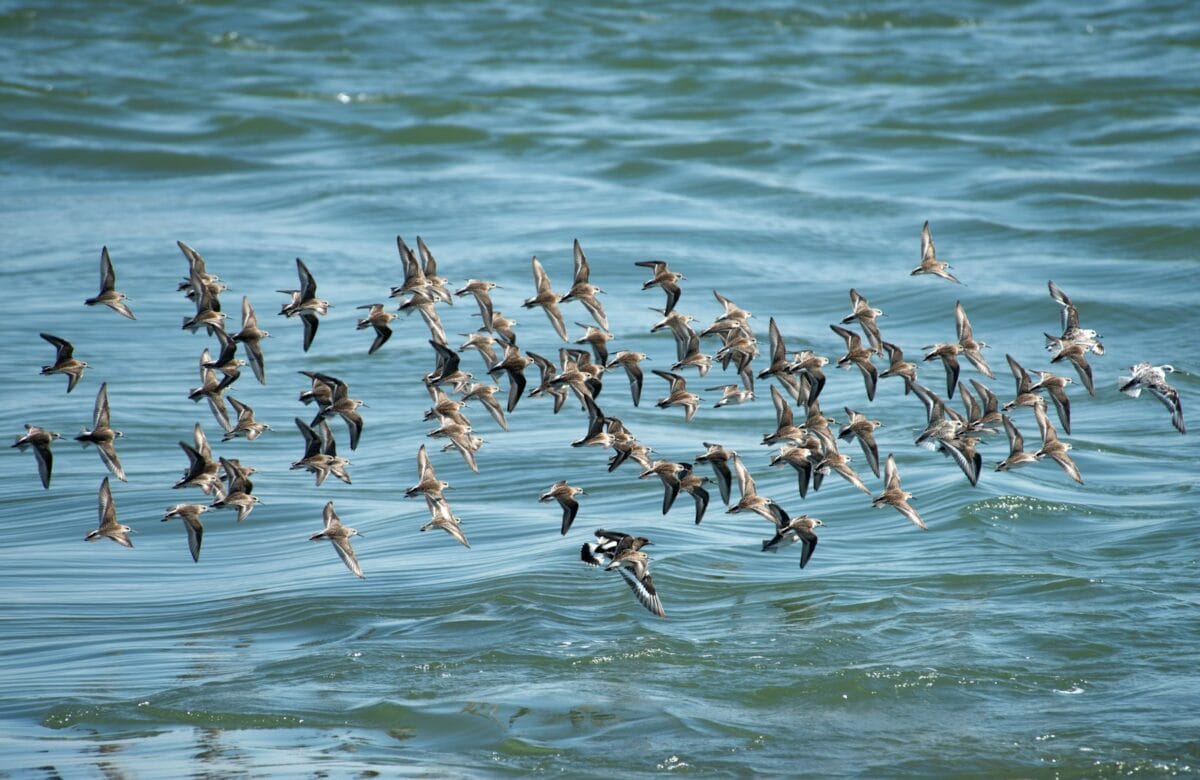
Despite their numerous adaptations, birds face significant risks when hurricanes alter their typical ranges. When powerful storms carry birds hundreds or thousands of miles from their normal habitats, these displaced individuals face numerous challenges. Research tracking bird movements after hurricanes has documented seabirds appearing deep inland and terrestrial species being carried far out to sea. These displaced birds often struggle with unfamiliar food sources, predators, and climate conditions. The energy demands of returning to their original ranges can be insurmountable, particularly for smaller species. Hurricane displacement can also disrupt critical life cycle events, including migration and breeding seasons. Long-term studies suggest that while individual birds may perish after displacement, populations typically show resilience through reproductive compensation in subsequent breeding seasons. However, for endangered species with limited ranges, hurricane displacement presents a particularly severe threat that can have population-level impacts.
Evolutionary Implications of Hurricane Survival

The ability of birds to survive hurricanes represents millions of years of evolutionary adaptation to extreme weather events. Researchers studying the genetic aspects of hurricane survival have identified evidence of selection pressure from tropical storms on bird morphology and behavior. Species in hurricane-prone regions often display physical adaptations like stronger grip strength, more aerodynamic wing shapes, and enhanced waterproofing of feathers compared to closely related species in less storm-prone areas. Behavioral traits like pressure sensitivity and shelter-seeking also show evidence of genetic underpinnings shaped by natural selection. The increasing frequency and intensity of hurricanes due to climate change may accelerate these selection pressures, potentially leading to observable evolutionary changes in bird populations over coming decades. This ongoing evolutionary process highlights how hurricanes have shaped—and continue to shape—avian biology in profound ways.
Conclusion: Nature’s Ultimate Survivors

Birds represent some of nature’s most remarkable survivors, having evolved an impressive array of physical adaptations, behaviors, and physiological responses that allow them to endure hurricanes without human-made shelter. From their remarkable pressure-sensing abilities that provide early warnings to their specialized feather structures and grip mechanisms that help them weather violent winds, birds demonstrate nature’s ingenious solutions to extreme challenges. The varied strategies employed across different species—from evacuation to sheltering in place—highlight how evolutionary processes have created specialized approaches tailored to each bird’s ecological niche and physical capabilities. As climate change increases the frequency and intensity of hurricanes, understanding these survival mechanisms becomes increasingly important for conservation efforts aimed at protecting vulnerable bird populations. Through continued research and observation, we gain not only appreciation for these remarkable creatures but also insights that might help us better protect them in an uncertain climate future.

- This Tiny Insect Can Survive in Outer Space—Here’s How - July 21, 2026
- Could the Tasmanian Tiger Be Brought Back to Life? - July 21, 2026
- Why You Should Never Approach a Sleeping Hippo - July 21, 2026