


In the frigid fjords of British Columbia, a surprising discovery offers hope for the critically endangered sunflower sea star. Once abundant along the Pacific coast, these vibrant echinoderms have suffered devastating losses due to sea star wasting disease (SSWD). Now, researchers have found resilient populations thriving in cooler waters, suggesting that temperature plays a crucial role in their survival.
The Rise and Fall of the Sunflower Sea Star
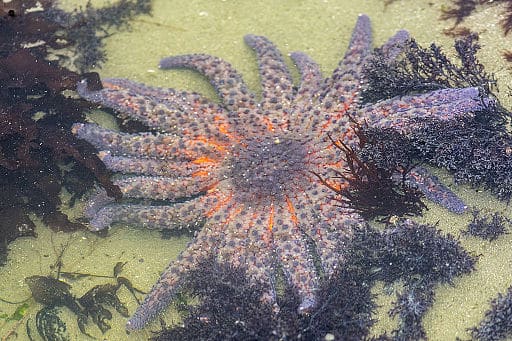
Sunflower sea stars (Pycnopodia helianthoides) were once a common sight from Baja California to Alaska. Known for their impressive size and numerous arms, they played a vital role in maintaining the balance of marine ecosystems by preying on sea urchins. However, beginning in 2013, SSWD decimated their populations, with estimates indicating a decline of about 91 percent, leading to their classification as critically endangered.
A Chilling Discovery in British Columbia
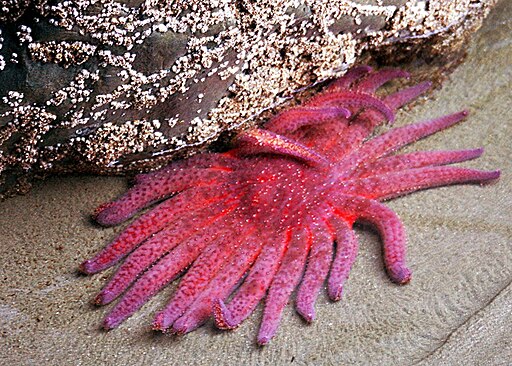
In 2016, members of the First Nations Coastal Guardian Watchmen reported sightings of large sea stars in their crab traps near Bella Coola. This prompted marine ecologist Alyssa Gehman and her team to investigate. Between 2018 and 2023, they conducted surveys in the fjords and surrounding islands, diving up to 14 meters below the surface. They found that while signs of SSWD were present, the fjord populations were healthier and had more adults compared to those around the islands.
The Protective Power of Cold Water
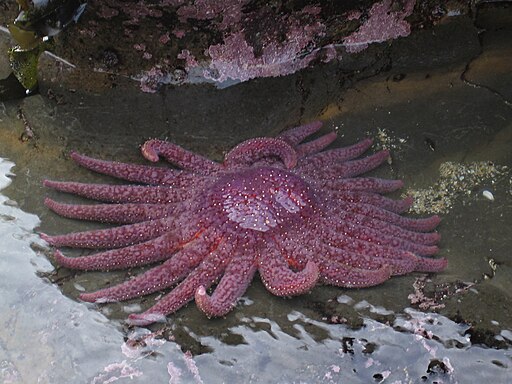
The researchers observed that the cooler temperatures of the fjords appeared to offer protection against SSWD. While the disease was still present, its impact was less severe in these colder environments. This finding suggests that temperature is a significant factor in the progression of SSWD, and that cooler waters may help mitigate its effects.
Implications for Conservation Effort
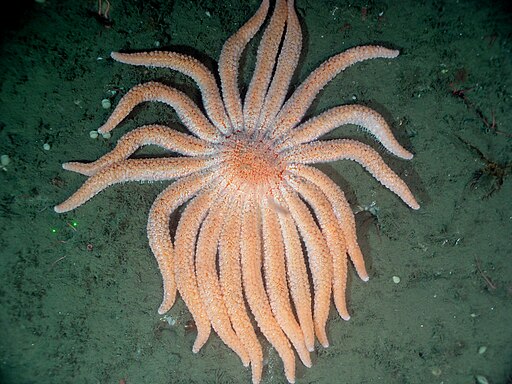
The discovery of resilient populations in cooler waters provides valuable insights for conservation strategies. Understanding the relationship between temperature and disease progression could inform efforts to protect and restore sea star populations. Moreover, these findings highlight the importance of preserving cold-water habitats as refuges for vulnerable species.
A Beacon of Hope for Marine Ecosystems

The resurgence of sunflower sea stars in British Columbia’s fjords offers a glimmer of hope for the recovery of this keystone species. By continuing to study these resilient populations, scientists aim to develop effective conservation strategies that could help restore balance to marine ecosystems along the Pacific coast.

adventuring, photography and videography. I am currently working towards a BSc in Biodiversity and Ecology at Stellenbosch University to go on to specialise in Marine Sciences one day.
Please send any feedback to Feedback@animalsaroundtheglobe.com
- Top 21 Must-see Birds For Bird Watchers In America - July 20, 2026
- Italy Mourns Hero Police Dog Killed by Food Laced with Nails - July 20, 2026
- Pigeon Turns into Fashionista and Wears Bread - July 19, 2026