

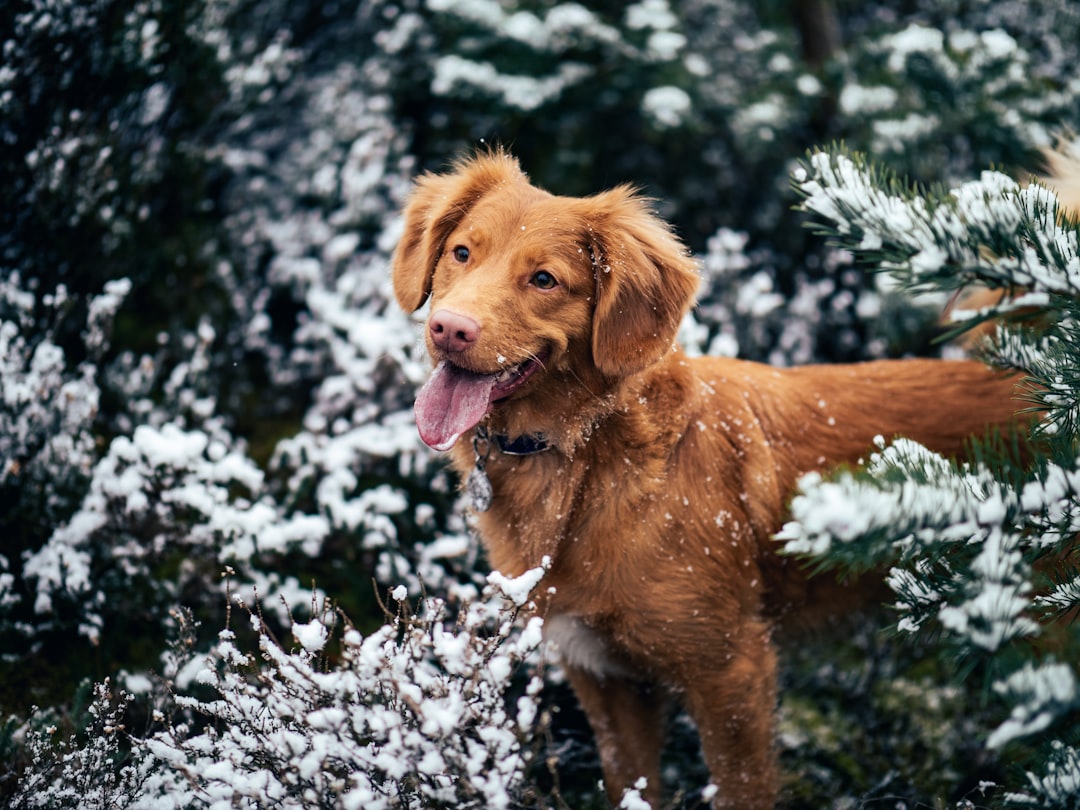

The Surge in Seasonal Canine Shifts (Image Credits: Unsplash)
As winter grips many regions with frost and shorter days, dog owners often observe subtle yet noticeable shifts in their pets’ usual demeanor, prompting questions about how the season truly influences four-legged companions.
The Surge in Seasonal Canine Shifts
Experts have identified a pattern where dogs exhibit heightened reactivity during colder months, a phenomenon dubbed “winter reactivity.” This term captures the uptick in behaviors such as increased barking, lunging, or general irritability that some dogs display when temperatures plummet. Behaviorists note that these changes stem from environmental stressors rather than inherent personality flaws.
Studies and observations reveal that reduced outdoor time plays a key role, leading to pent-up energy that manifests as overreactions to stimuli. For instance, a dog accustomed to long walks might become more alert or defensive in brief, chilly outings. This seasonal effect has gained attention in recent years, with professionals urging owners to recognize it as a natural response to winter’s demands.
Factors Driving Behavioral Changes
Cold weather disrupts a dog’s routine in profound ways, starting with limited exercise opportunities. Snow, ice, and low temperatures discourage extended play sessions, causing frustration that builds over time. Additionally, shorter daylight hours disrupt sleep cycles, potentially leading to restlessness or anxiety that amplifies reactivity.
Physiological responses also contribute significantly. Dogs with thinner coats or smaller breeds feel the chill more acutely, which can heighten their sensitivity to surroundings. Research indicates that seasonal variations in aggression correlate with these weather patterns, as documented in analyses of canine behavior across different climates. Owners in northern areas report more pronounced effects, where prolonged indoor confinement exacerbates the issue.
Recognizing the Signs in Your Dog
Spotting winter reactivity early allows for timely interventions. Common indicators include excessive vocalization at familiar sights or sounds that previously went unnoticed. Dogs might pull harder on leashes during walks or show reluctance to venture outside, signaling discomfort intertwined with behavioral unease.
Other subtle cues involve changes in body language, such as stiff postures or widened eyes when encountering other animals. These reactions often peak in mid-winter, aligning with the harshest weather. Monitoring these patterns helps distinguish temporary seasonal influences from deeper health concerns, ensuring a proactive approach to pet care.
Practical Strategies to Ease the Transition
Adapting your dog’s environment proves essential for mitigating winter reactivity. Indoor enrichment activities, like puzzle toys or scent games, provide mental stimulation to offset reduced physical exercise. Scheduling shorter, more frequent outings during warmer parts of the day maintains routine without risking hypothermia.
Consulting a veterinarian rules out underlying issues, while behavior training reinforces calm responses. Here’s a list of effective adjustments:
- Incorporate warm clothing or booties for sensitive paws to encourage outdoor time.
- Use interactive feeders to burn energy indoors and reduce boredom.
- Practice desensitization techniques in controlled settings to build tolerance for winter stimuli.
- Maintain consistent feeding and sleep schedules to stabilize mood.
- Consider breed-specific needs, as northern breeds like Huskies tolerate cold better than others.
Navigating Winter with a Balanced Pack
Understanding winter reactivity empowers owners to support their dogs through the season’s challenges, fostering stronger bonds amid the cold. By addressing these behavioral shifts thoughtfully, pets remain happy and healthy, turning potential winter woes into manageable routines.
Key Takeaways
- Winter reactivity arises from limited exercise and environmental stress, not sudden temperament changes.
- Breeds vary in cold tolerance; monitor small or thin-coated dogs closely.
- Enrichment and routine adjustments prevent escalation of reactive behaviors.
What changes have you noticed in your dog’s behavior this winter? Share your experiences in the comments below.

- Urban Coyotes Show Remarkable Adaptability, Learning to Thrive in City Environments - July 22, 2026
- Beavers Are Nature’s Engineers, Creating Vital Habitats for Other Wildlife Species - July 21, 2026
- The Recovery of the California Condor Offers Hope for Other Critically Endangered Birds - July 21, 2026