


In the lush, temperate forests of Chile and Argentina, a remarkable amphibian takes parenthood to an extraordinary level. Darwin’s frog, named after the famous naturalist Charles Darwin, demonstrates a fascinating form of parental care that has intrigued scientists and nature enthusiasts alike. This small frog, known for its distinctive vocal sac, showcases an extraordinary method of nurturing its young: carrying its tadpoles in its throat. Let us dive into this captivating world of Darwin’s frog and uncover the secrets of its remarkable parenting.
Meet the Darwin’s Frog
🔥 Would you like to save this?
We'll email this post to you, so you can come back to it later!
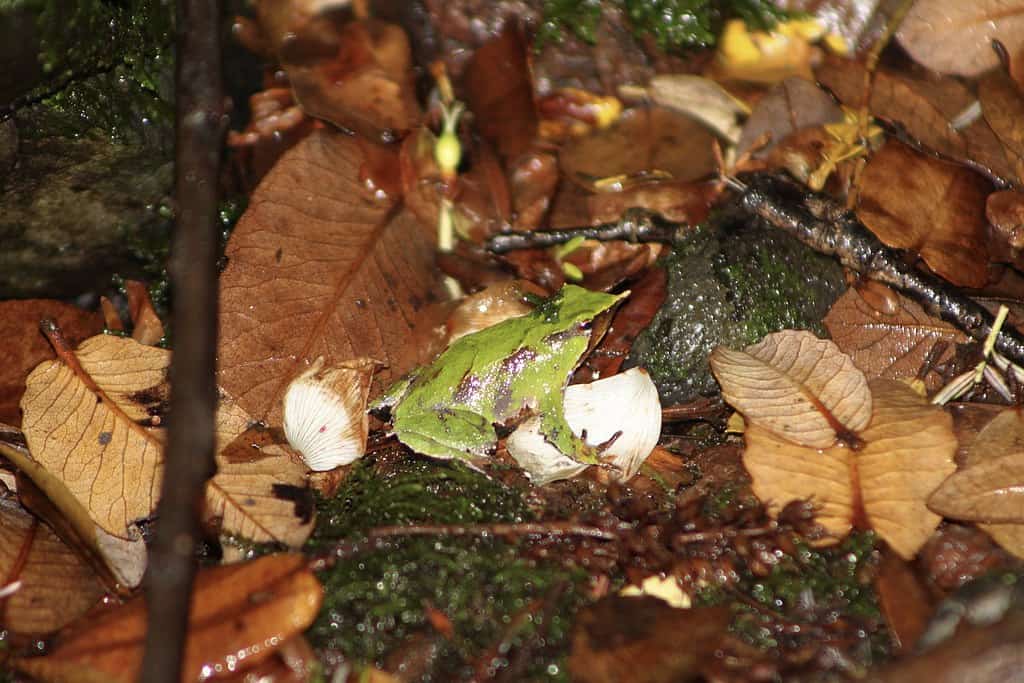
The Darwin’s frog, or *Rhinoderma darwinii,* is a small amphibian native to the southern regions of South America. Known for its pointed nose, this frog is often mistaken for a dead leaf, a clever camouflage that protects it from predators. Despite its small size, Darwin’s frog has become a symbol of the incredible diversity found within the animal kingdom.
A Unique Mode of Reproduction
🔥 Would you like to save this?
We'll email this post to you, so you can come back to it later!
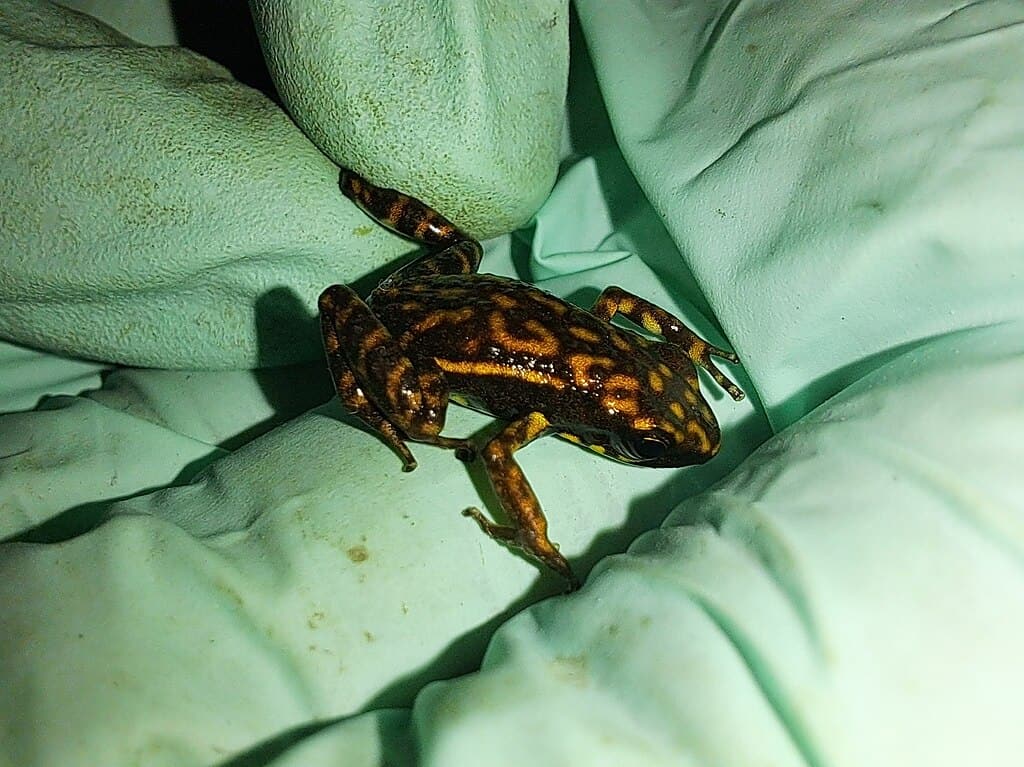
Unlike many other amphibians that rely on external water bodies for reproduction, Darwin’s frogs exhibit an unusual mode of reproduction that sets them apart. After mating, the female lays eggs on the forest floor, leaving the males with an exceptional responsibility: to carry these eggs and later, the tadpoles, within their vocal sacs.
The Role of the Male Frog
🔥 Would you like to save this?
We'll email this post to you, so you can come back to it later!
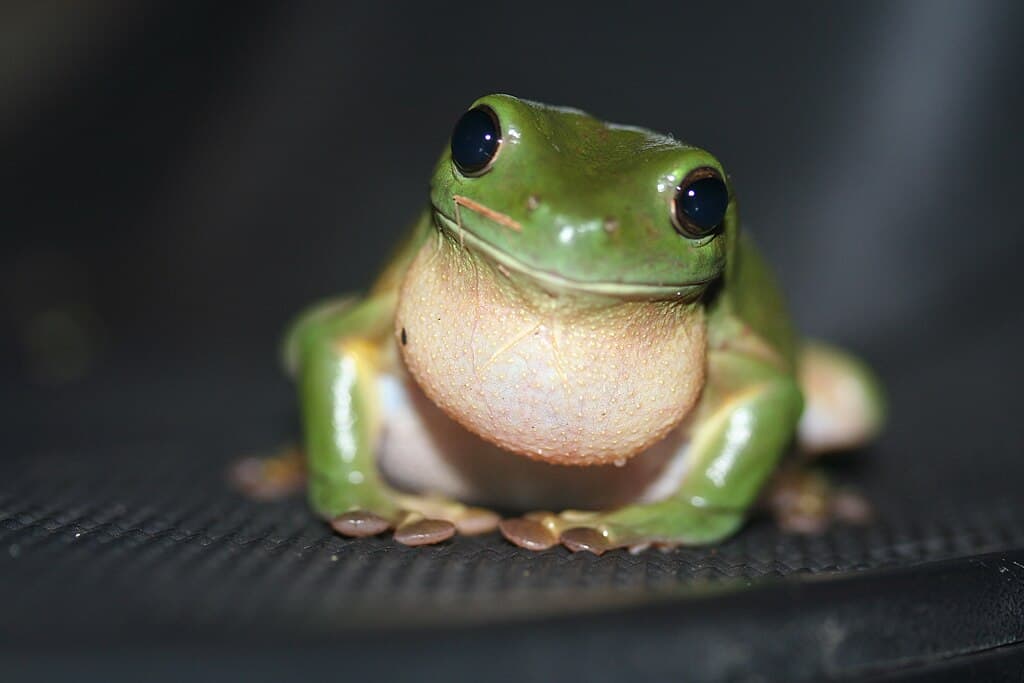
In a striking reversal of typical amphibian parental roles, the male Darwin’s frog takes on the duty of ensuring the offspring’s survival. The male gathers the fertilized eggs in his mouth and transfers them to his vocal sac, a specialization that shows the father’s vital role in their early development.
Cradle in a Vocal Sac
🔥 Would you like to save this?
We'll email this post to you, so you can come back to it later!
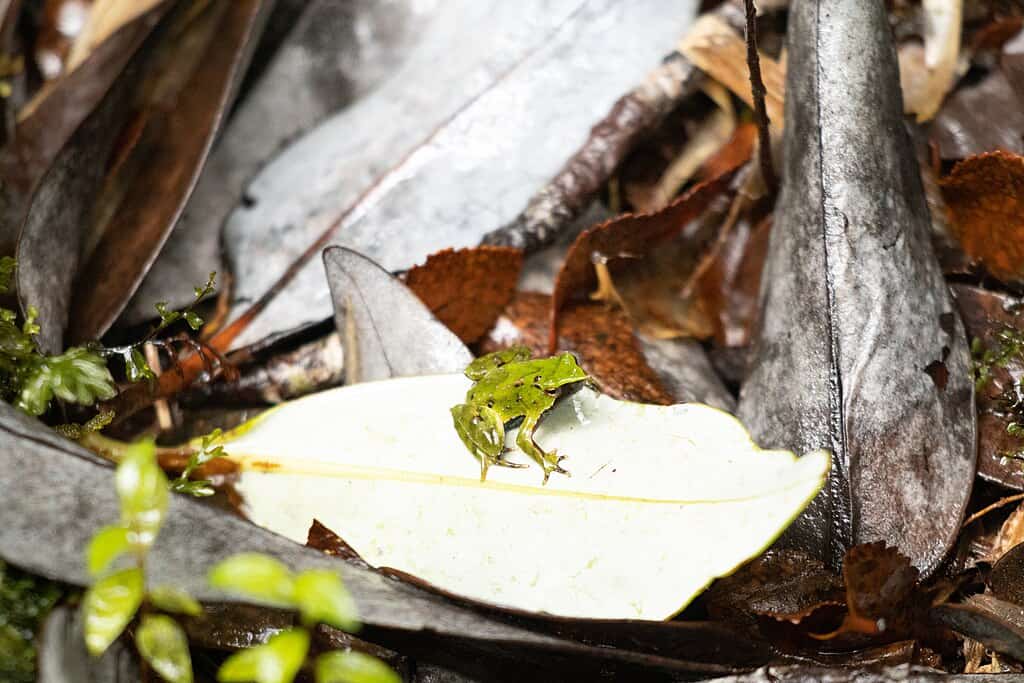
Once safely ensconced in the vocal sac, the eggs hatch into tadpoles. Here, these developing young remain protected and nurtured. It’s a unique natural nursery, offering both a safe haven and necessary nutrients, while isolating the tadpoles from the dangers of the external environment.
Development Inside the Throat

🔥 Would you like to save this?
We'll email this post to you, so you can come back to it later!
Inside the vocal sac, the tadpoles undergo a remarkable transformation, feeding on the yolk reserves of their eggs until they mature into juvenile frogs. This development is an extraordinary testament to nature’s innovation, showcasing how a species adapts its reproductive strategy to ensure survival.
The Challenge of Throat Breeding

🔥 Would you like to save this?
We'll email this post to you, so you can come back to it later!
Carrying tadpoles in the throat is challenging and limits the number each male can nurture. This method of reproduction, while protective, is physically demanding, with the male frog refraining from normal feeding until the young frogs emerge from his mouth as fully developed juveniles.
Exiting the Vocal Sac A Metamorphic Journey
🔥 Would you like to save this?
We'll email this post to you, so you can come back to it later!
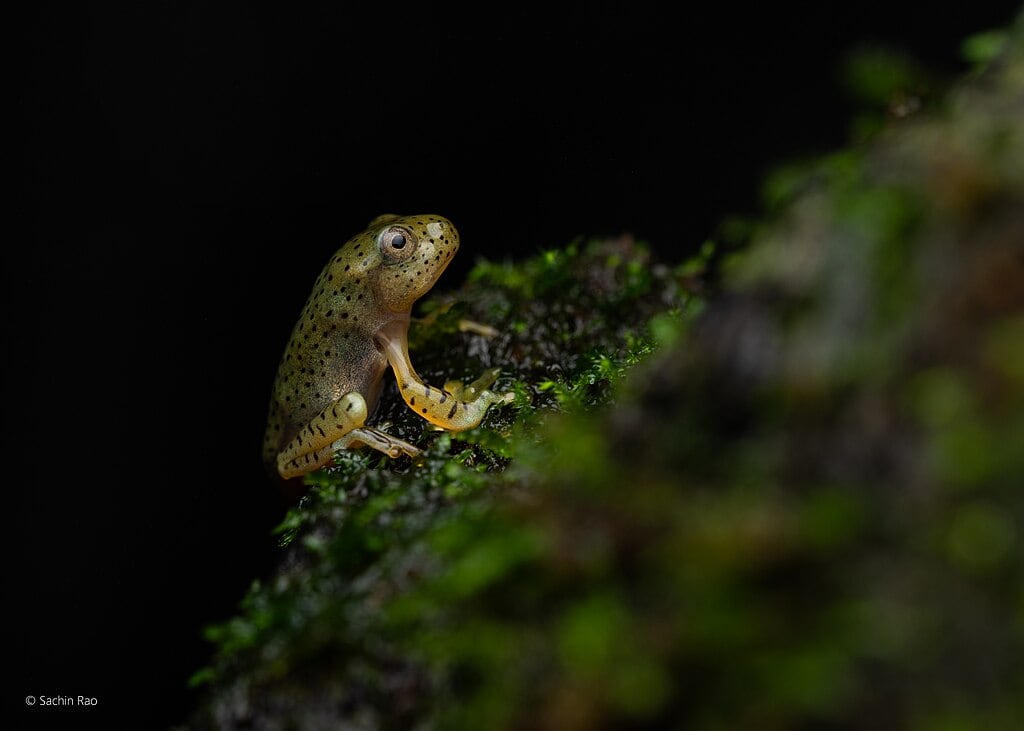
After spending approximately six weeks inside the vocal sac, the juvenile frogs are ready to make their debut in the outside world. They crawl out of their father’s mouth, fully formed, ready to start their independent lives and continue the cycle of life.
Conservation Concerns
🔥 Would you like to save this?
We'll email this post to you, so you can come back to it later!
Despite their fascinating biology, Darwin’s frogs are not without threats. Habitat loss and disease pose significant risks to their populations. Conservation efforts are paramount to ensure that these frogs continue to thrive in their natural habitat and that their unique reproductive methods can be studied and admired by future generations.
Scientific Significance
🔥 Would you like to save this?
We'll email this post to you, so you can come back to it later!
The reproductive strategy of Darwin’s frogs provides invaluable insight into evolutionary biology and amphibian ecology. Studying these frogs helps scientists understand how species adapt their reproductive strategies to overcome environmental challenges, contributing to the broader knowledge of biodiversity and its preservation.
Evolutionary Considerations

🔥 Would you like to save this?
We'll email this post to you, so you can come back to it later!
Darwin’s frog is an example of evolutionary adaptation at its finest. They have developed unique features and behaviors that have allowed them to survive and reproduce in a distinct environment, underscoring the role of natural selection in shaping the diverse life forms we observe today.
Learning from Darwin’s Frog

🔥 Would you like to save this?
We'll email this post to you, so you can come back to it later!
Understanding the reproductive strategies of Darwin’s frogs can provide insights into potential conservation strategies for other amphibians facing similar threats. This knowledge can inform breeding programs and habitat management to help preserve not only this unique species but also other endangered amphibians around the world.
The Future of Darwin’s Frog

🔥 Would you like to save this?
We'll email this post to you, so you can come back to it later!
As research continues, there is hope that new insights and conservation efforts will enhance our understanding of Darwin’s frogs and improve their resilience against current threats. With sustained scientific and conservation efforts, these remarkable frogs can continue to thrive, serving as a reminder of the wonders of natural adaptation.
Conclusion

🔥 Would you like to save this?
We'll email this post to you, so you can come back to it later!
In conclusion, Darwin’s frogs are a testament to the intricate and delicate balance of nature. Their unique reproductive process inspires awe and admiration, highlighting the intricate strategies life employs to thrive in diverse environments. As we learn more, it becomes imperative to protect these unique creatures and their habitats, ensuring that their legacy continues for generations to come.

As a little kid, I fell in love with nature, wildlife, and animals. Living in the USA, South Africa, Italy, China and Germany gave me the opportunity to discover the world's Wildlife. My favorite animals are Mountain Gorillas, Siberian Tigers, and Great White Sharks.
I'm a certified PADI Open Water Diver, went to Everest Base Camp and Trekked Gorillas in Uganda. I hold a Master of Science in Economics and Finance.
Please send any feedback to feedback@animalsaroundtheglobe.com
- 12 Common Mistakes Pet Owners Make and How to Fix Them - November 5, 2026
- 11 Creatures That Can Survive a Nuclear Blast - November 5, 2026
- 10 Things That Attract a Bald Eagle And 3 That Drive It Away - November 5, 2026