
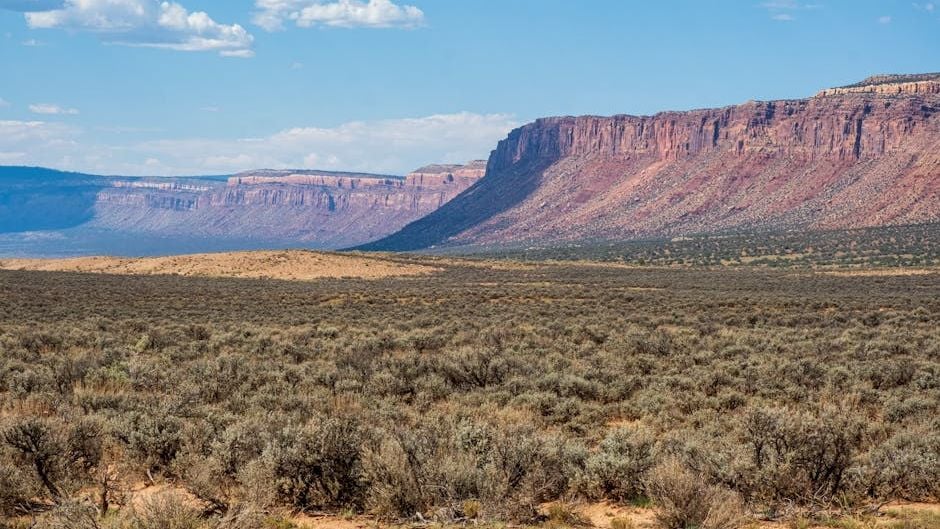
Stand on the rim of the Grand Canyon and look down. Nearly a mile of exposed rock stretches beneath you, layer by ancient layer, each one deposited when this entire region sat at or near the bottom of a shallow tropical sea. The fact that you’re now standing well over a mile above the ocean is not simply a dramatic backdrop. It’s one of geology’s most persistent mysteries.
How and when the Colorado Plateau attained its current mean elevation of roughly two kilometers has puzzled scientists for nearly 150 years. This region was a tectonically stable sedimentary basin near sea level until the Laramide orogeny initiated in the Late Cretaceous, and it now resides somewhere between two and three kilometers above sea level. The journey from seafloor to sky involves plate collisions, vanished oceans, a sinking ancient slab, and a hot mantle doing things that still aren’t entirely understood.
A Foundation Built Over Billions of Years
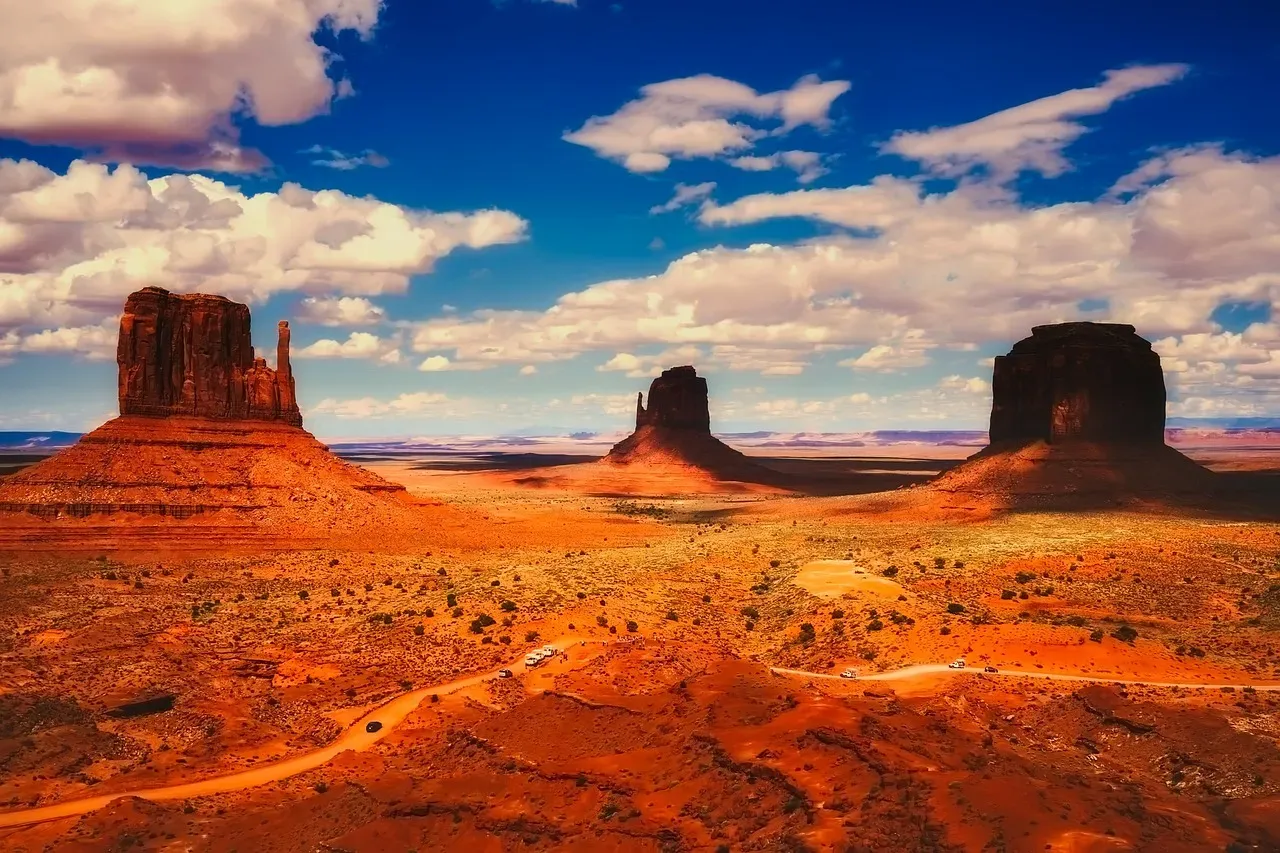
Before any uplift could happen, the plateau needed a foundation. An enormous geologic event occurred about 1,750 million years ago, when a group of volcanic islands collided with the southern boundary of North America, which at that time lay near present-day Utah and southern Wyoming. New continental crust was added to the continent in the process, ultimately becoming the crystalline basement rock and foundation for the present-day Colorado Plateau.
Erosion went to work over millions of years and wore that basement rock down to a flat surface. By around 600 million years ago, the surface sat near sea level, providing space for the accumulation of sediment.
Throughout the Paleozoic Era, tropical seas periodically inundated the Colorado Plateau region, and thick layers of limestone, sandstone, siltstone, and shale were laid down in shallow marine waters. The mostly flat-lying sedimentary rock units that make up the plateaus are found today at elevations between roughly 4,900 and 11,000 feet above sea level, a striking contrast to their origins on an ancient seafloor.
The Laramide Orogeny: The First Great Push
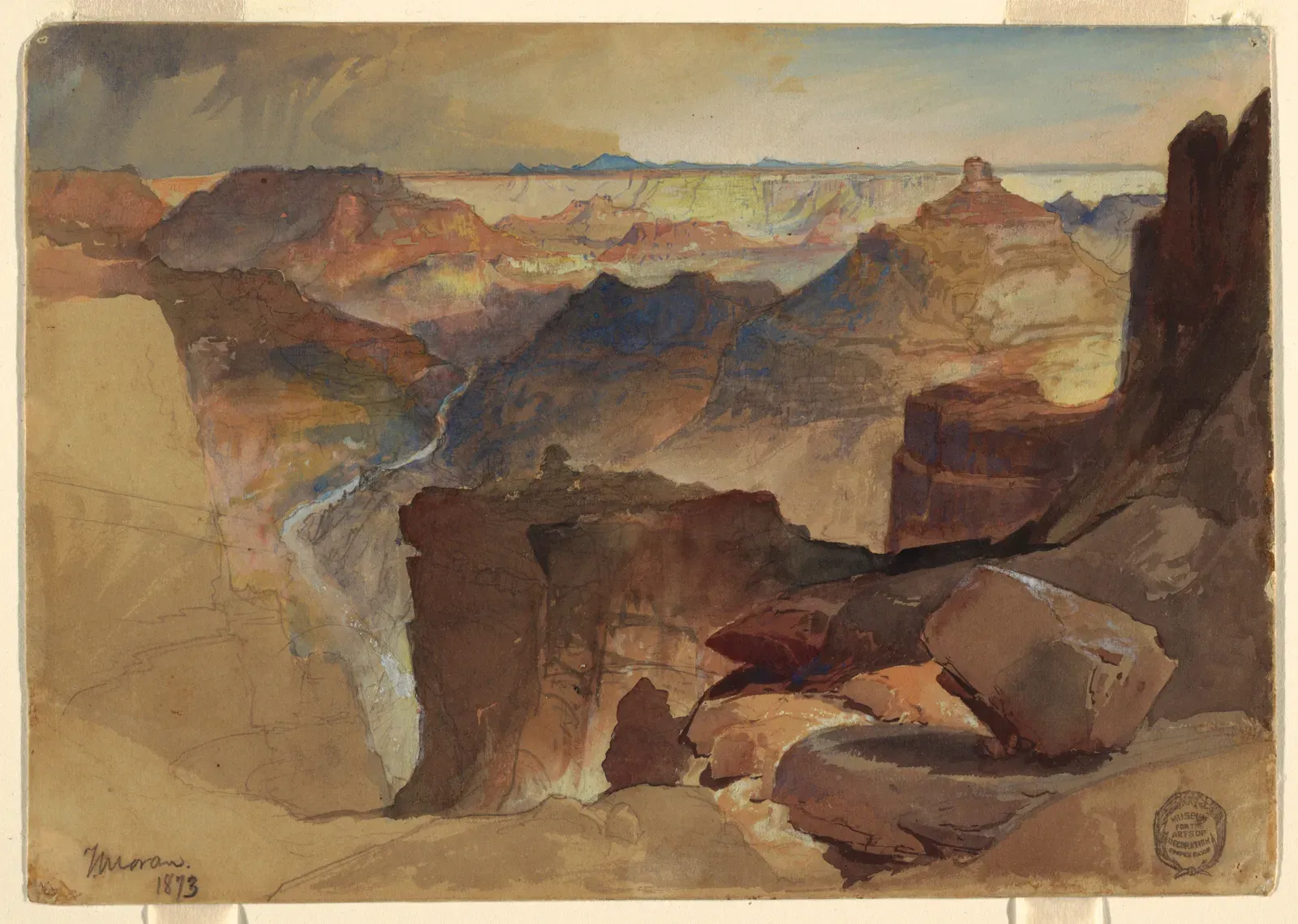
The initial major uplift, the Laramide Orogeny, occurred approximately 70 to 40 million years ago. This event was triggered by the shallow subduction of the Farallon Plate beneath the North American Plate, raising the entire region.
The plateau is a stable crustal block that experienced significant vertical uplift without the intense folding and faulting common in nearby regions. This stability allowed its sedimentary layers to remain mostly flat-lying, creating the characteristic layered stratigraphy that defines the region’s landscape today.
The Laramide Orogeny deformed the thick sequence of Paleozoic and Mesozoic strata that had previously been lying flat near sea level beneath the Western Interior Seaway. The broad arches, monoclines, domes, and basins formed by this event are beautifully preserved in the plateau as textbook examples of geologic structures. Existing data and estimates suggest that roughly half of modern surface elevations were attained by the end of the Laramide orogeny, around 40 million years ago.
The Deep Puzzle: Mantle Processes and the Sinking Slab
The forces that drove the rock uplift of the low-relief, high-elevation, tectonically stable Colorado Plateau have been the subject of long-standing debate. While the adjacent Basin and Range province and Rio Grande rift province underwent Cenozoic shortening followed by extension, the plateau experienced roughly two kilometers of rock uplift without significant internal deformation.
Deep beneath the region of the Colorado Plateau lies material that is extremely dense, thought to be the ancient remnants of an oceanic plate that moved beneath the continental lithosphere. With this knowledge that an ancient oceanic plate lies beneath the Colorado Plateau, scientists created a model combining knowledge of mantle temperatures with basic principles of physics.
Another possible explanation for the final stages of uplift lies in the temperature differences between the cold, thick lithosphere of the Colorado Plateau and the relatively thinner and warmer lithosphere of the surrounding Basin and Range provinces. This difference in temperature could have caused the mantle to rise and replace the cold lithosphere under the Colorado Plateau with hot mantle, pushing the continental crust even further upward.
During Cenozoic time, the Colorado Plateau was raised about two kilometers above sea level. The most recent and best-documented phase of uplift, amounting to roughly one kilometer, has been concentrated at its southwest margin between six and one million years ago, while the eastern plateau may have been at high elevations since Eocene time.
Lithospheric Warming and Delamination: The Ongoing Debate
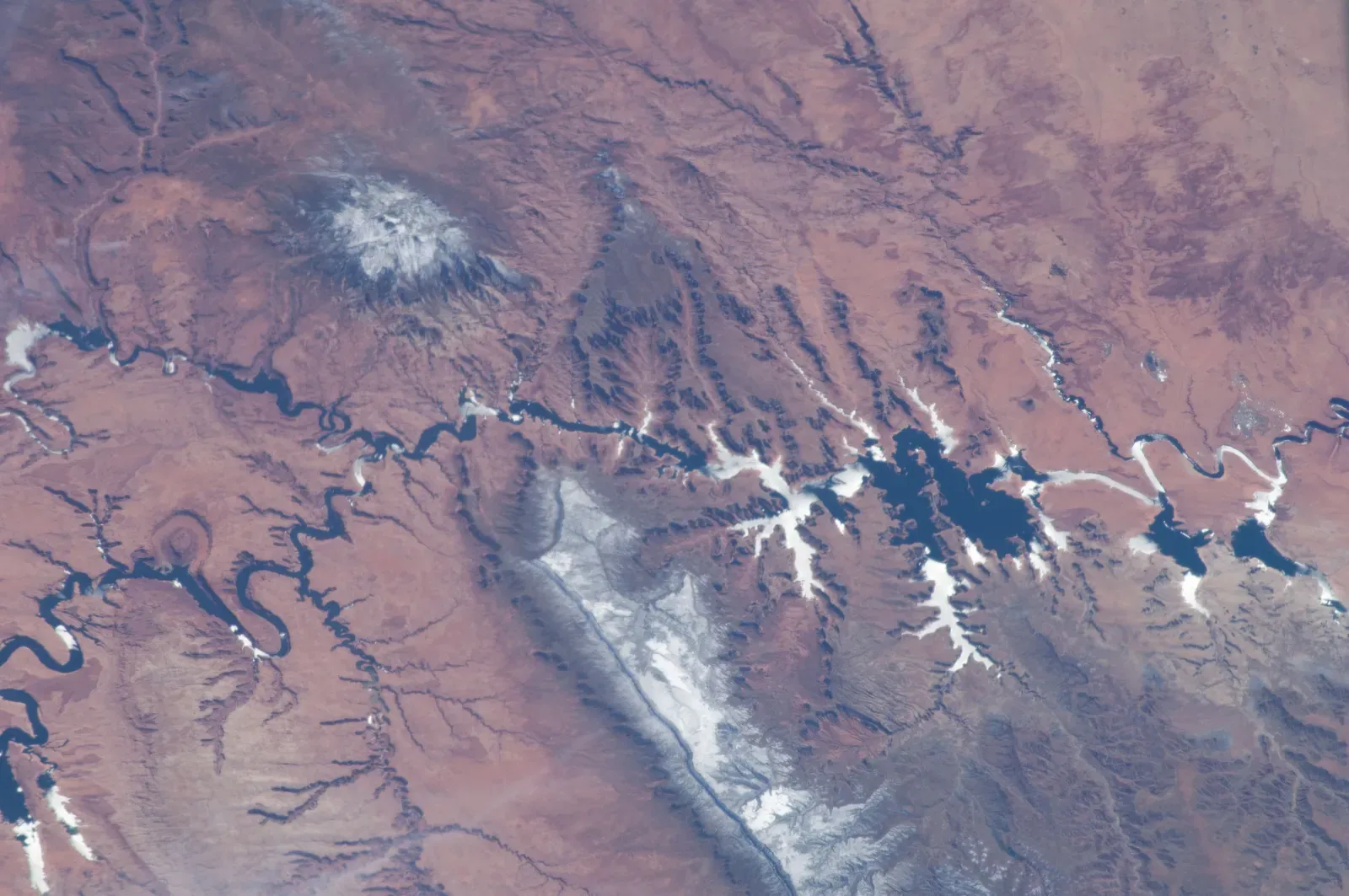
One compelling proposal suggests that warming of the thicker, more iron-depleted Colorado Plateau lithosphere over 35 to 40 million years, following mid-Cenozoic removal of the Farallon plate from beneath North America, is the primary mechanism driving rock uplift.
Some researchers interpret seismic structures beneath the plateau as a continuing regional, delamination-style foundering of lower crust and continental lithosphere. This implies that Pliocene uplift of the plateau and the magmatism on its margins are intimately tied to continuing deep lithospheric processes.
Lower-crustal hydration is also considered an important factor in the tectonic evolution of the Colorado Plateau. The presence of hydrous phases lowered the density of the Colorado Plateau’s lower crust and accounts for a meaningful portion of the isostatically supported uplift within the region today.
Current research suggests the region was uplifted in three distinct episodes: approximately 70 to 50 million years ago driven by flat-slab subduction; roughly 38 to 23 million years ago associated with voluminous regional magmatism and slab removal; and within the last 20 million years associated with inboard propagation of basaltic magmatism tracking convective erosion of the lithospheric core.
What the Landscape Reveals and What Still Remains Unknown
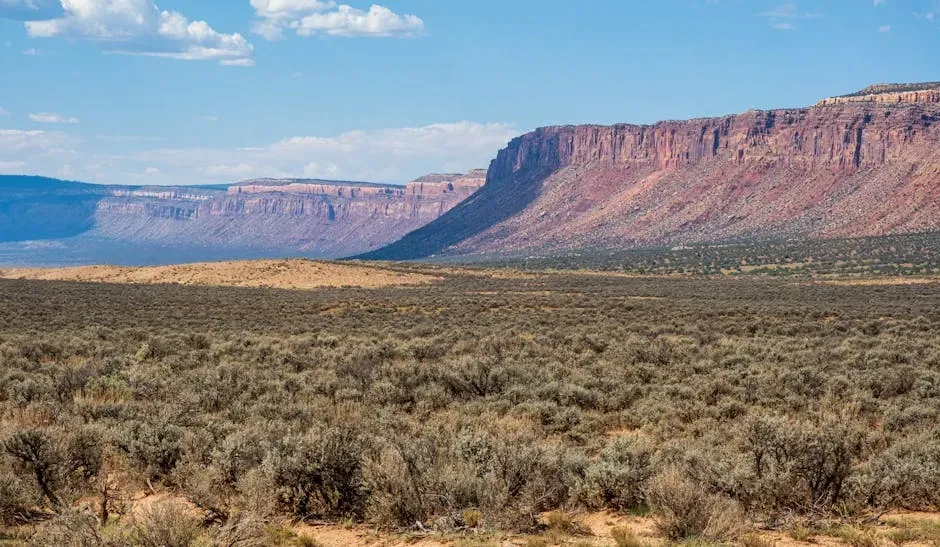
One reason why resolving the cause of plateau uplift is such a difficult problem is that deciphering the paleoelevation of continents is extremely challenging. Dated marine deposits can determine when an area was at sea level, but no direct, reliable proxy yet exists for the past altitude of an elevated region.
Neogene uplift helped integrate the Colorado River from the Rockies at around 11 million years ago to the Gulf of California by roughly five million years ago. The sharp rim-to-core transition defined by geological and geophysical data sets suggests a young, transient plateau that is still uplifting as it shrinks to merge with surrounding regions of postorogenic extension.
The story of the rise of the Colorado Plateau remains an active area of research. Contradictory interpretations regarding the uplift history of the Colorado Plateau often arise from the diverse information yielded by the many studies conducted in this region. The evidence continues to accumulate, even if a clean single answer still eludes scientists.
Conclusion
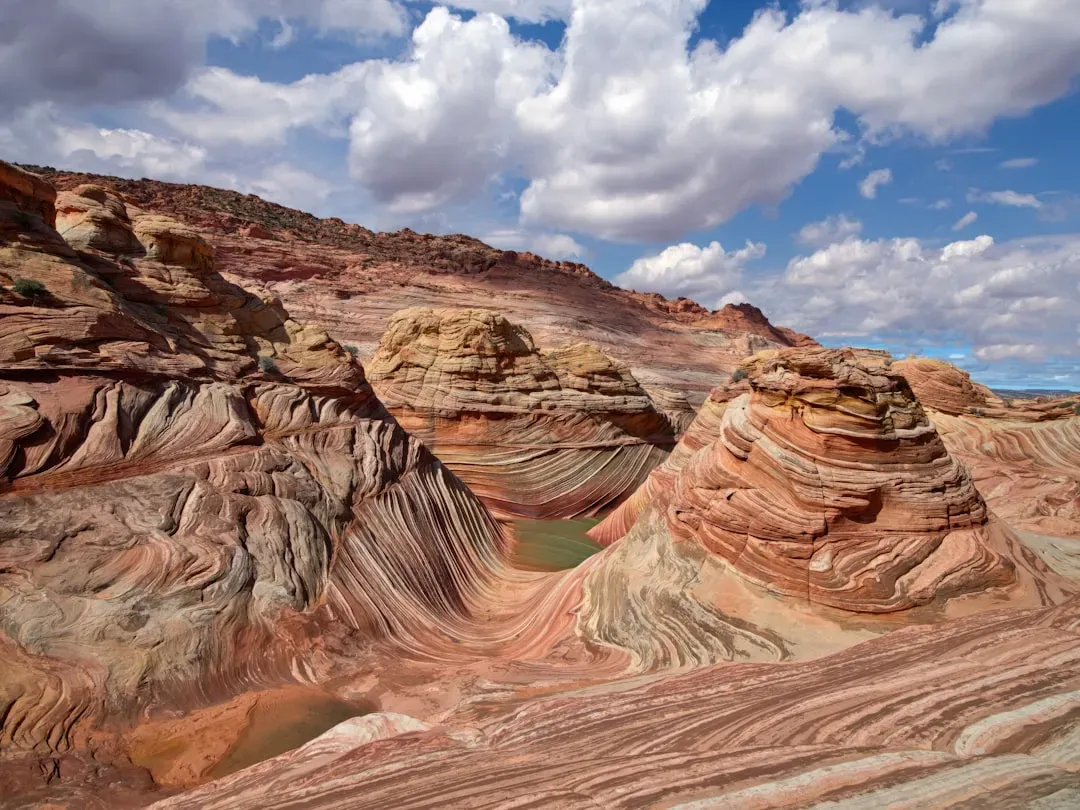
The Colorado Plateau didn’t rise overnight, and it didn’t rise through any single dramatic event. What happened beneath this landscape over hundreds of millions of years involved vanished oceans, a subducting plate sliding beneath a continent, heat slowly migrating upward through the mantle, and a crustal block unusually resistant to the deformation that reshaped everything around it.
It represents a massive, stable block of the Earth’s crust that has been uplifted and deeply eroded, and the exposed result is the most concentrated collection of national parks in the United States. Every canyon wall, every mesa, every red cliff face is a cross-section of time made visible only because the land rose high enough and stayed dry enough for erosion to do its work.
What makes the Colorado Plateau genuinely compelling isn’t just its beauty. It’s the honesty of it. The rocks don’t hide the story. They stack it in plain sight, and the more geologists look, the more they realize how much of that story the Earth is still in the middle of telling.

- 7 Surprising Benefits of Spending Time Outdoors With Your Dog Every Day - July 10, 2026
- 7 Costly Mistakes When Starting a Hobby Farm - July 10, 2026
- 9 Animals Making a Comeback Across Missouri - July 10, 2026