
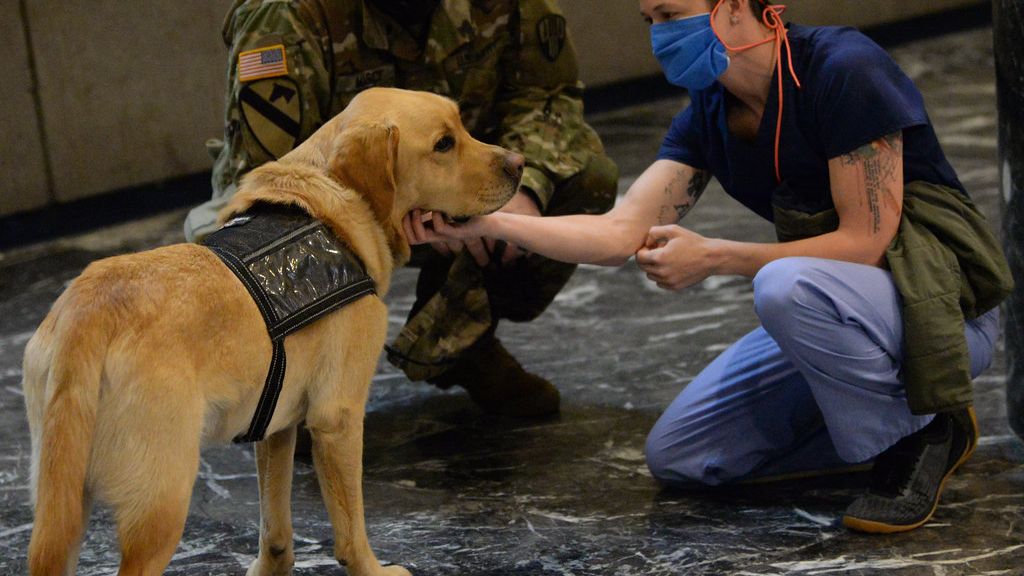
Most people assume their dog’s extraordinary sense of smell is just useful for sniffing out treats or finding their favorite toy. However, the truth is far more remarkable than we could have imagined. Dogs possess an olfactory ability so powerful that they’re now being trained to detect diseases in humans, from cancer to diabetes, often before symptoms even appear. It sounds almost too good to be true, yet the science backs it up in ways that continue to surprise even medical professionals.
Here’s the thing: we’re not talking about a few lucky instances where a dog accidentally noticed something odd. We’re looking at systematic, repeatable results backed by rigorous research. These four-legged detectives are being trained worldwide to identify illnesses that standard medical tests sometimes miss.
The Biological Superpower Behind Canine Noses

Dogs possess around 300 million scent receptors in their noses, compared to roughly five or six million in humans. Think about that for a moment. It’s not just a matter of having a better nose; it’s an entirely different sensory universe. Canine noses can be as much as 100,000 times more sensitive than those of humans.
The anatomy of a dog’s nose is equally fascinating. Their nasal structure allows them to process incoming air differently than we do. When dogs inhale, they divert up to fifteen percent of incoming air directly to the olfactory epithelium, a membranous tissue densely populated with olfactory receptors that help them detect odors in tiny concentrations. This specialized tissue acts like a highly sophisticated chemical analysis laboratory built right into their snout.
According to researchers, a dog can detect a teaspoon of sugar diluted in a million gallons of water, equivalent to two Olympic sized pools. Let’s be real, that’s not just impressive – it’s almost incomprehensible. While humans rely heavily on vision to navigate the world, dogs experience reality primarily through scent, creating a rich, detailed picture of their environment that we can barely imagine.
The part of a dog’s brain dedicated to analyzing smells is proportionally far larger than ours. This means they’re not just smelling more; they’re processing that information with incredible sophistication. Their noses can distinguish individual components within a complex scent mixture, much like we might pick out individual instruments in an orchestra.
How Diseases Create Detectable Scent Signatures
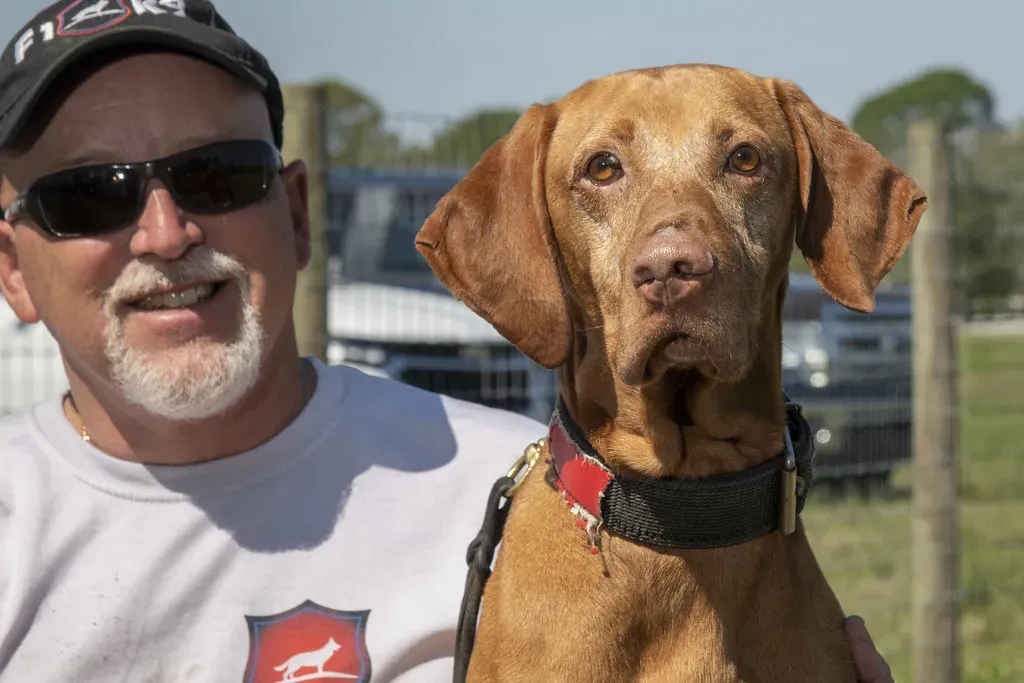
Researchers believe that sickness causes the human body to release specific volatile organic compounds (VOCs), which are emitted as gases and create a scent that, while undetectable to us, dogs can sense. Every illness triggers metabolic changes in our bodies. Cancer cells multiply abnormally. Infections spark immune responses. Diabetes alters blood chemistry.
The ability of dogs to distinguish diseases by their high-resolution sense of smell is based on the volatile organic compound hypothesis, as numerous infectious and non-infectious diseases change metabolic processes releasing characteristic VOC patterns in the form of an olfactory fingerprint. These chemical changes leave traces in bodily fluids like breath, urine, sweat, and saliva.
What makes this even more intriguing is that these scent signatures appear to be disease-specific. A dog trained to detect lung cancer responds differently to samples from lung cancer patients than to those from individuals with other respiratory conditions. The chemical fingerprint of Parkinson’s disease differs from that of diabetes, which differs from that of epilepsy.
Individual odours in disease consist of different volatile organic molecules that differ in magnitude, volatility and concentration. It’s like each illness has its own unique aromatic code. Some VOCs might be shared across multiple conditions, yet the overall pattern remains distinct enough for a trained dog to identify.
The beauty of this biological detection system is that it works on such low concentrations. The olfactory detection threshold of dogs is lower than 0.001 parts per billion, surpassing electronic nose technology by far. We’re talking about detection capabilities that make our most advanced laboratory equipment look primitive.
Training Detection Dogs: From Puppy To Medical Marvel
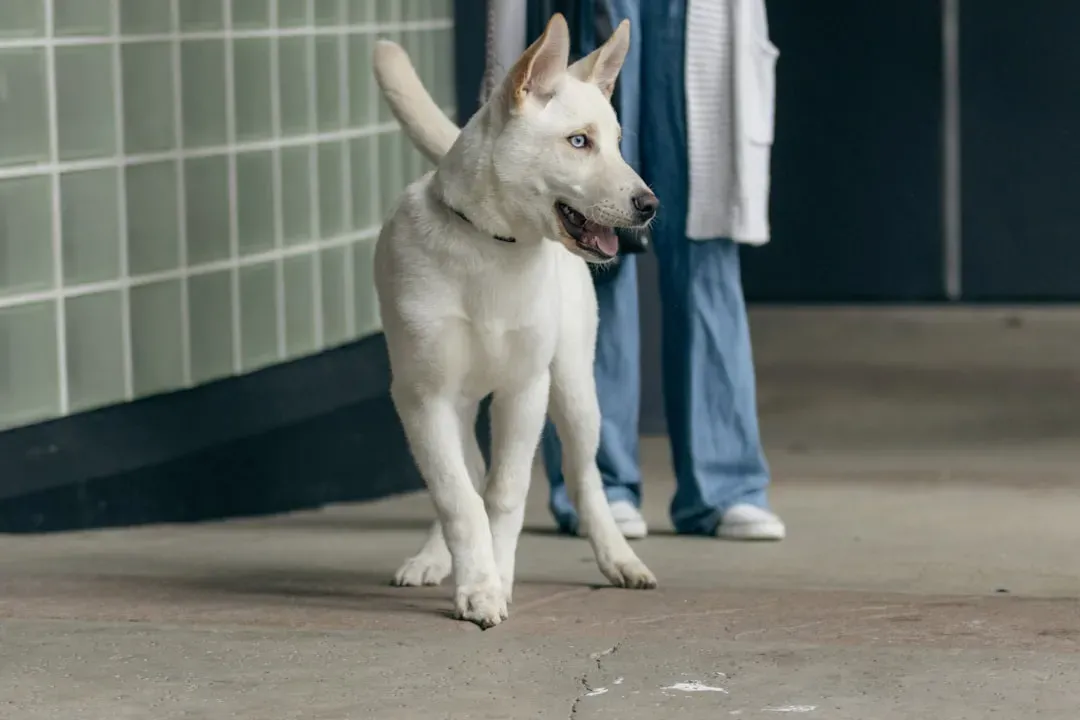
Training a medical detection dog isn’t as simple as teaching it to sit or fetch. Sweat, saliva or other bodily fluids are commonly used as samples to train the dogs, with trainers collecting specimens from both diseased and healthy individuals to establish clear contrasts.
If the canine correctly indicates a sample that was positive for the disease being researched, they receive a treat or a toy, and indicating can look like sitting next to the sample, freezing with their nose pressed against it or even pawing at the sample. This positive reinforcement approach builds on a dog’s natural desire to please and their love of rewards.
The training process can take months. Each detection dog trains for up to eight months, during which they smell samples of breath, plasma, urine, and saliva collected by doctors, and after smelling more than 300 unique samples, dogs are able to distinguish between a healthy sample and a cancerous one. That’s an enormous investment of time and resources, yet the results justify the effort.
Dogs also learn to generalize the scent. This means they can apply their knowledge from training samples to completely new samples they’ve never encountered before. It’s similar to how we might recognize a song in a different key or identify a friend’s voice over a poor phone connection.
Honestly, one of the most remarkable aspects is the dogs themselves seem to enjoy the work. The training feels more like play to them, which keeps them motivated and engaged throughout their careers as biomedical detection dogs.
Real-World Success Stories: Cancer, COVID-19, and Beyond
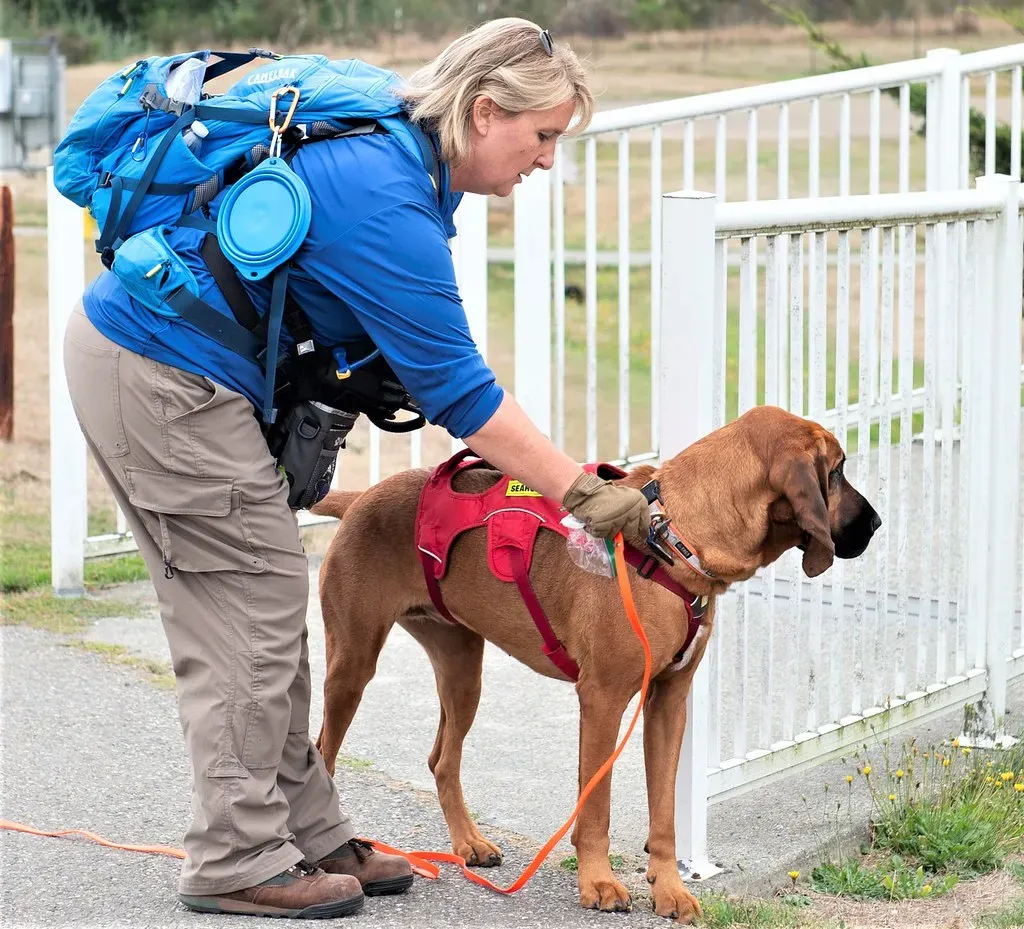
Trained dogs were able to identify patients with prostate cancer from urine samples more than ninety-six percent of the time in a 2015 study. That’s an accuracy rate that rivals or exceeds many conventional screening tests. Dogs trained to detect cancer based on breath samples were able to detect breast cancer with eighty-eight percent accuracy, and lung cancer with ninety-nine percent accuracy.
The COVID-19 pandemic provided an unexpected opportunity to test canine detection capabilities on a global scale. The global success of COVID-19 detection dogs demonstrated the efficacy of biomedical detection dog detection of virus-induced human disease, with dogs trained, tested, and evaluated in at least twenty-five countries. Two dogs trained to identify the scent in live individuals tested out at ninety-four to ninety-six percent positive and negative agreement compared to PCR testing.
In a double-blind trial for Parkinson’s disease, dogs identified skin swabs from people with Parkinson’s with up to eighty percent sensitivity and ninety-eight percent specificity, even when other health conditions were present, offering hope for a simple, non-invasive diagnostic method using biomarkers that appear long before traditional symptoms. I know it sounds crazy, but imagine being able to detect Parkinson’s years before the first tremor appears.
The Canines for Care team reported that dogs correctly identified all of the C. difficile positive samples hidden in a hospital ward and flagged eighty-three potential locations of contamination in a clinical unit over forty-nine working days. These aren’t just laboratory successes; they’re real-world applications that could transform patient care and hospital hygiene protocols.
The Challenges and Limitations of Canine Disease Detection
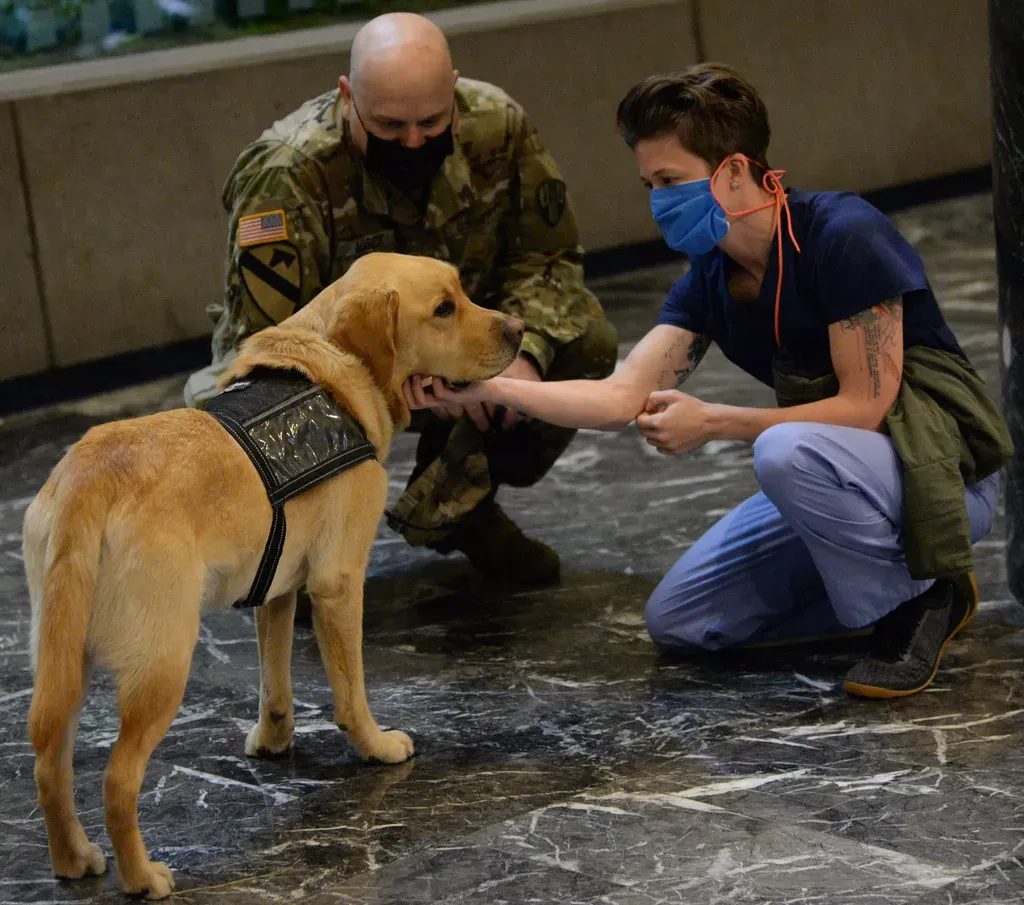
Despite the promising results of scent detection dogs, this method is only marginally or not used in the field of human medicine, as the majority of medical professionals continues to rely on diagnostic standard methods although the canine medical detection method achieved equal or even higher rates of diagnostic accuracy. There’s a gap between scientific validation and clinical acceptance.
The biggest challenge is translating what we see in the research setting into an operational setting, as dogs that work well in the laboratory don’t always work well in a community environment, and having a small sample of an odor in a lab is very different from having a huge amount of odor coming from various sources out in the real world. Environmental distractions, competing scents, and the dogs’ own biological needs create variables that don’t exist in controlled studies.
There’s also the issue of standardization. Diagnostic accuracies varied with sensitivities ranging from nineteen to ninety-nine percent and specificities from seventy-three to ninety-nine percent when compared to histopathology. This variability stems from differences in training methods, sample types, and testing protocols across different research groups.
Dogs, like humans, have off days. They get tired, distracted, or simply lose motivation. This biological variability makes some medical professionals skeptical about relying on dogs for critical diagnostic decisions. There’s also the practical consideration of cost and scalability – training a medical detection dog is expensive and time-consuming.
Still, I think dismissing this technology because of these challenges would be short-sighted. Every diagnostic tool has limitations, and the key is understanding when and how to best deploy canine detection capabilities.
The Future: Electronic Noses and Broader Applications

Researchers are working on an AI system that could do the job just as well as dogs, with scientists finding they could repeat the training used for dogs on machines until they can’t tell the difference between the two. The goal isn’t necessarily to replace dogs but to learn from their extraordinary abilities to create complementary technologies.
Researchers aim to develop sensors and nanotechnology that mimic dogs’ highly developed sense of smell to detect minute odorant changes, with organizations working together to develop ways that dogs can teach artificial-intelligence technology to recognize the smell of disease. Think of it as dogs training their mechanical successors.
The potential applications extend far beyond what we’ve discussed. Dogs have demonstrated the ability to detect diseases including toxigenic Clostridium difficile in stool, lung and breast cancers in breath, four different bacteria causing urinary tract infections, malaria infection using patient clothing, and Parkinson’s disease in sebum. Each successful application opens doors to new possibilities.
Some researchers envision a future where breath analysis devices, inspired by canine olfaction, could be integrated into regular health screenings. Others imagine dogs working alongside traditional diagnostic methods in hospital settings, providing a rapid initial screening that guides more targeted testing.
The intersection of biology and technology here is particularly exciting. We’re using nature’s most sophisticated chemical detection system to teach us how to build better machines, which will then work alongside the biological detectors in a complementary system.
Conclusion: A New Chapter in Medical Detection
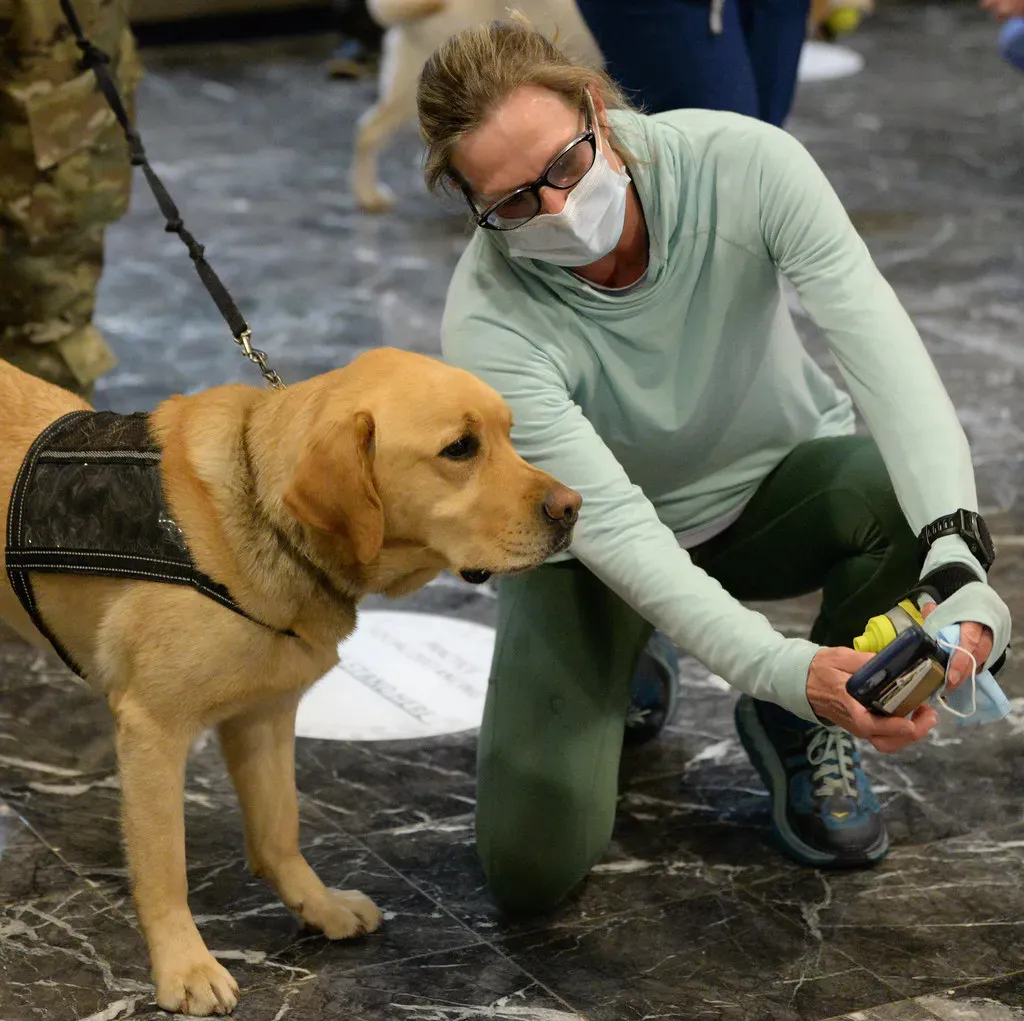
The ability of dogs to detect human illnesses represents more than just a scientific curiosity. It’s a reminder that nature has already solved problems we’re only beginning to understand. The extraordinary olfactory sense of canines combined with the possibility to learn by operant conditioning enables dogs for their use in medical detection in a wide range of applications.
We’re standing at the threshold of a new era in diagnostic medicine. While dogs won’t replace traditional medical tests anytime soon, they’re carving out a valuable niche as rapid, non-invasive screening tools. The research continues to evolve, training methods improve, and our understanding of the chemical signatures of disease deepens.
Perhaps most beautifully, this field exemplifies the ancient partnership between humans and dogs in a thoroughly modern context. For thousands of years, dogs have worked alongside us, guarding, hunting, and guiding. Now they’re adding medical detective to their impressive résumé. The nose that once tracked prey across ancient landscapes is now tracking cancer cells and viral particles, potentially saving countless lives in the process.
What do you think about the possibility of a dog screening you for illness at your next doctor’s visit? Would that change how you view our canine companions?

- These 7 Historic US Battlefields Are Sacred Grounds Of Remembrance - August 2, 2026
- The JWST Found A Jekyll-and-Hyde Galaxy In The Early Universe - August 2, 2026
- 10 Heartwarming Ways A Chihuahua Shows They’ve Bonded With You - August 2, 2026