
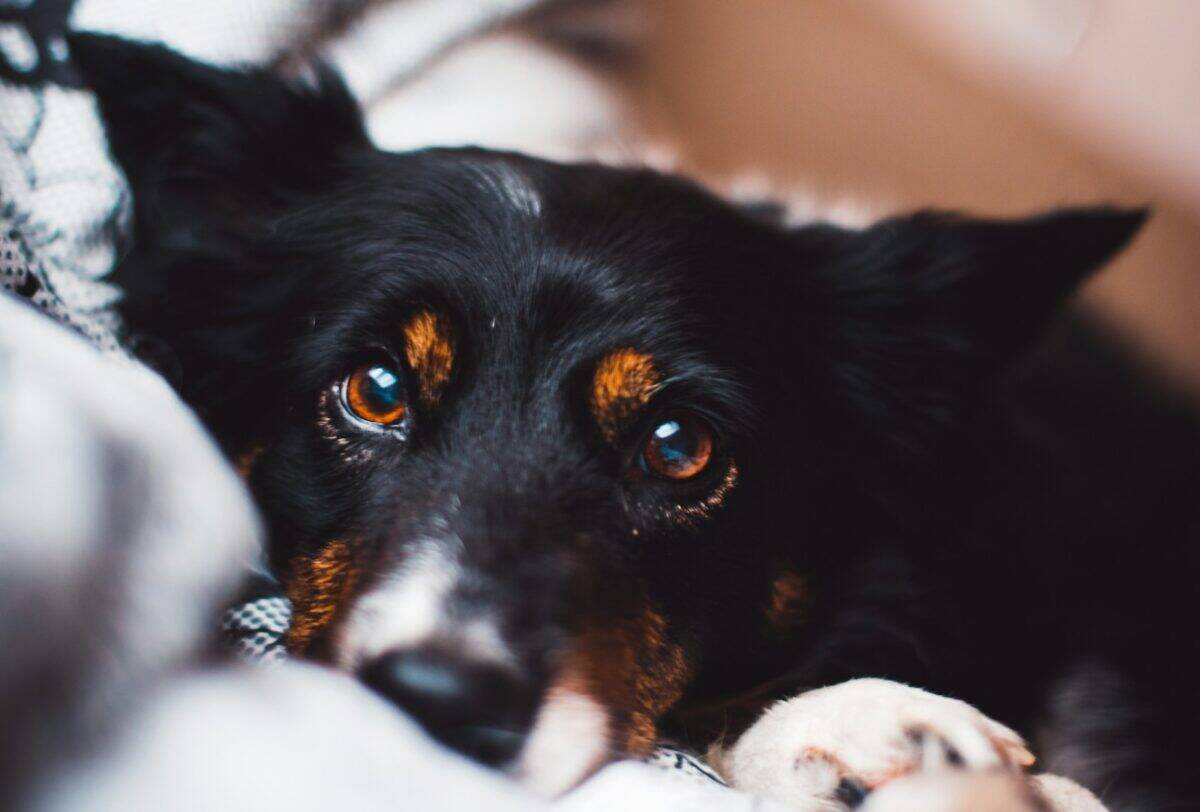
The profound connection between humans and dogs transcends words, often communicated through a simple gaze. When your dog looks deeply into your eyes, something remarkable happens—a chemical bond forms, strengthening the relationship that has evolved over thousands of years. This eye contact is far more than casual observation; it’s a sophisticated communication tool that dogs have developed specifically for interacting with humans. Unlike their wolf ancestors who interpret direct eye contact as threatening, domesticated dogs have adapted to use this visual connection as a primary way to understand, bond with, and communicate with their human companions. This article explores the fascinating science behind how dogs use eye contact to forge unbreakable bonds with the humans in their lives, revealing the neurological, evolutionary, and behavioral aspects of this unique cross-species connection.
The Oxytocin Connection: The Chemical Bond
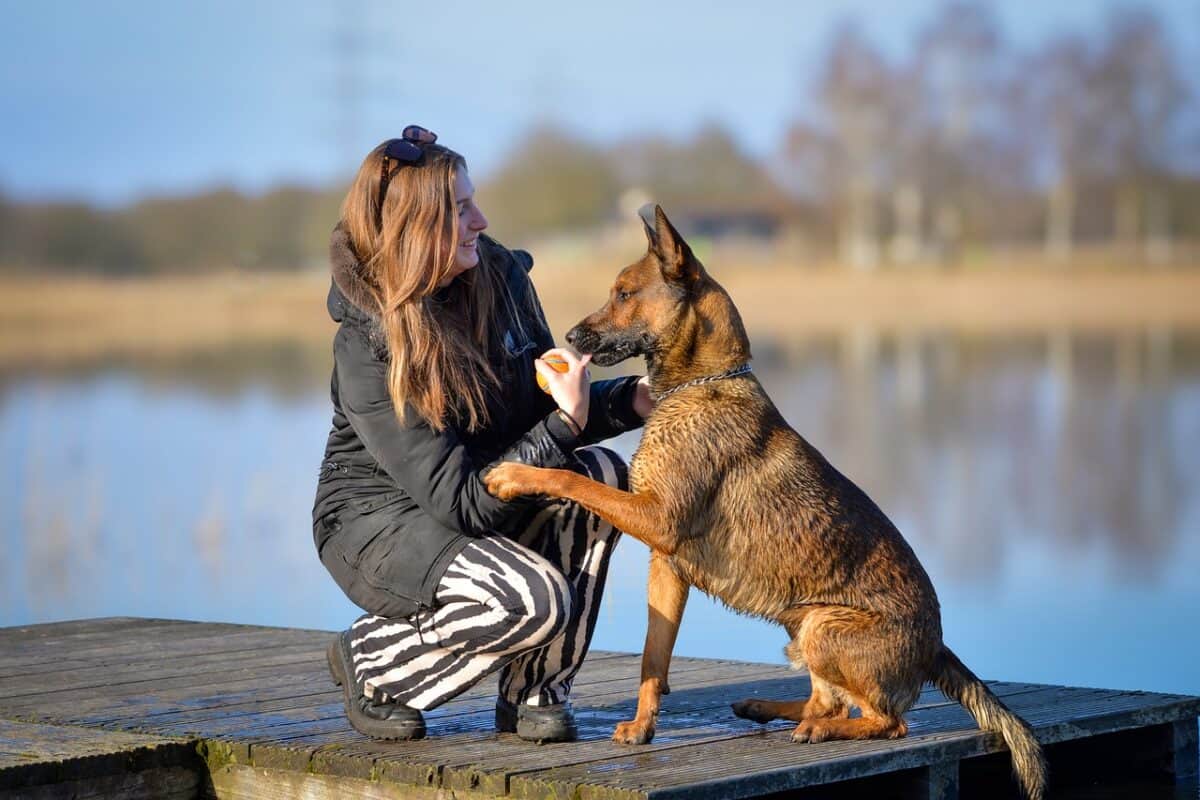
At the heart of the dog-human bond lies oxytocin, often called the “love hormone” or “bonding hormone.” Research published in the journal Science revealed that when dogs and their owners gaze into each other’s eyes, both experience a surge in oxytocin levels. This is the same hormone released when a mother looks at her baby, creating feelings of trust, attachment, and love. When dogs and humans make eye contact, oxytocin levels can increase by up to 300% in both species, creating a positive feedback loop that reinforces their bond.
This mutual oxytocin release represents a unique biological phenomenon that doesn’t typically occur between different species. Takefumi Kikusui, an animal behaviorist at Azabu University in Japan, demonstrated that this chemical reaction doesn’t happen when wolves—even hand-raised ones—interact with humans, suggesting that this response evolved specifically during dog domestication. This biochemical bonding mechanism helps explain why the connection between humans and dogs often feels so instinctual and emotionally fulfilling for both parties.
Evolutionary Development of Canine Gaze

Dogs evolved from wolves approximately 33,000 years ago, and during this domestication process, their relationship with eye contact fundamentally changed. In wolf packs, direct eye contact is often perceived as a challenge or threat, leading to confrontation. However, domesticated dogs have developed the ability to use eye contact as a social bonding tool—a remarkable evolutionary adaptation that facilitated their integration into human society.
Research from the Max Planck Institute for Evolutionary Anthropology found that dogs have evolved specialized facial muscles around their eyes that wolves lack. These muscles allow dogs to make what researchers call “puppy dog eyes”—raising their inner eyebrows to make their eyes appear larger and more infant-like. This adaptation triggers a nurturing response in humans, demonstrating how dogs have evolved specific physical traits to enhance communication through eye contact. This physical evolution, coupled with behavioral changes, has allowed dogs to develop a sophisticated eye communication system specifically tailored for human interaction.
The Referential Gaze: How Dogs Use Eyes to Communicate

Dogs employ a behavior known as “referential gazing” to communicate their needs and intentions. This sophisticated communication method involves a dog looking at an object of interest, then back at their human, and again at the object—effectively saying, “Look at that!” or “I want that.” Researchers at Eötvös Loránd University in Hungary have documented how dogs use this triangular gazing pattern to direct human attention and request assistance.
This referential gazing demonstrates dogs’ understanding that humans are potential helpers who can assist them in achieving goals they cannot accomplish alone. Studies show that dogs are more likely to use referential gazing with familiar humans than strangers, indicating they recognize which humans are more likely to respond to their visual cues. This communication technique doesn’t just serve practical purposes; it strengthens the emotional connection between dogs and their owners by creating moments of shared attention and mutual understanding.
Reading Human Intentions Through Eye Contact

Dogs don’t just use eye contact to communicate their own needs—they’re remarkably adept at interpreting human intentions through our eyes. Research conducted at the University of Portsmouth demonstrated that dogs can follow human gaze direction to locate hidden food or toys, understanding that eye direction conveys meaningful information. More impressively, dogs can distinguish between intentional and accidental cues, showing they comprehend the purpose behind human eye movements.
This ability to read human intentions through eye contact gives dogs an evolutionary advantage in human society. By accurately interpreting human attentional states through eye contact, dogs can better predict human behavior and respond appropriately. Studies have shown that dogs are particularly attentive to the eye region of human faces, focusing more on this area than on other facial features. This selective attention demonstrates that dogs recognize the eyes as the most informative part of the human face for understanding intentions and emotions.
The Role of Eye Contact in Puppy Development

The foundation for eye-based communication begins remarkably early in a dog’s life. Puppies start making eye contact with humans between 6-8 weeks of age, during a critical socialization period. Research from the University of Veterinary Medicine in Vienna found that puppies who receive positive reinforcement when making eye contact with humans develop stronger gazing behaviors that persist into adulthood. This early training period shapes their lifelong approach to human interaction.
Interestingly, a puppy’s breed can influence their natural tendency toward eye contact. Working breeds like Border Collies and German Shepherds, historically selected for their ability to work cooperatively with humans, typically establish eye contact more readily and maintain it longer than breeds developed for independent work. Studies have shown that puppies who develop strong eye contact skills during their developmental period not only bond more effectively with humans but also demonstrate enhanced trainability and social cognition throughout their lives.
When Dogs Avoid Eye Contact: Understanding Avoidance Behaviors
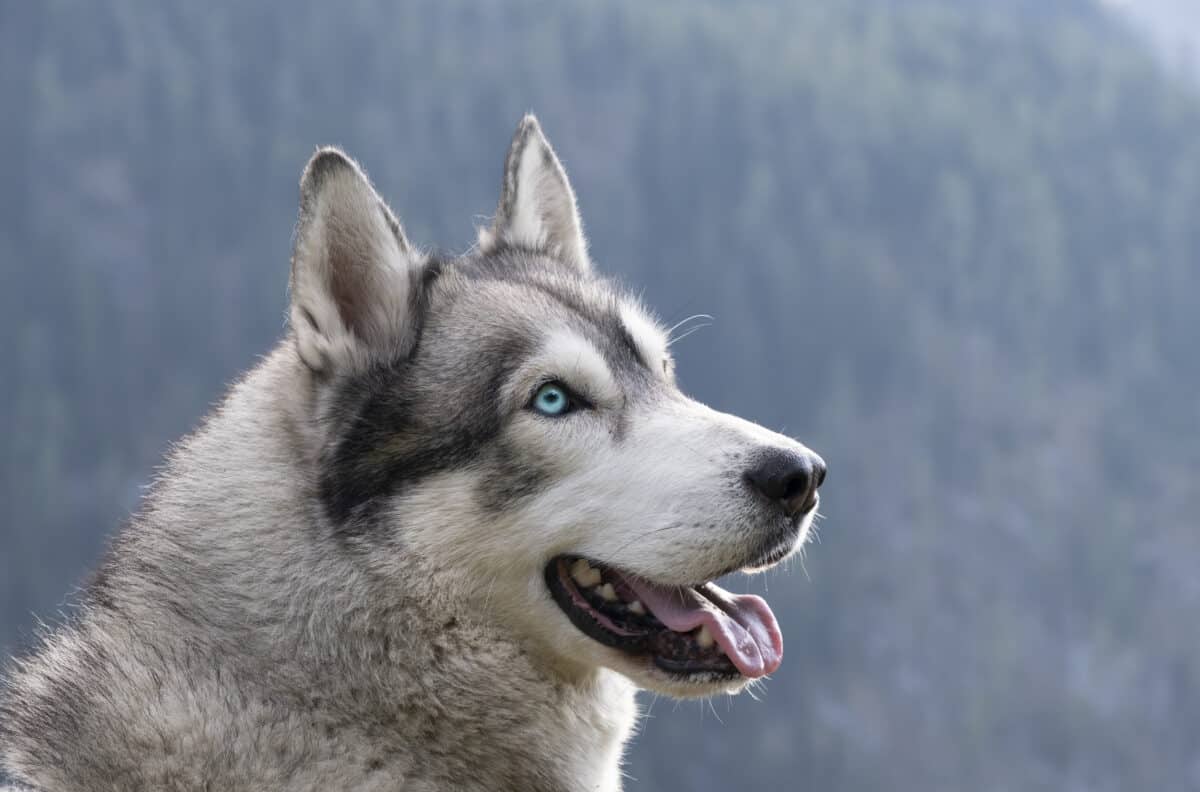
While eye contact generally strengthens the human-dog bond, there are situations where dogs deliberately avoid meeting our gaze. This avoidance isn’t a sign of a weak bond but usually indicates stress, submission, or conflict avoidance. Research from the University of Helsinki found that dogs will look away from angry human faces, demonstrating their ability to recognize negative emotions and respond appropriately by reducing potential conflict through gaze aversion.
Dogs may also avoid eye contact when they’ve done something they associate with negative owner reactions—the classic “guilty look” often involves gaze aversion combined with submissive body language. However, studies show this isn’t actually guilt but rather a learned response to human disapproval. Understanding when and why your dog avoids eye contact can provide valuable insights into their emotional state and perception of social situations. Respecting these natural avoidance behaviors is important for maintaining trust in the relationship.
Training Through Eye Contact: The “Watch Me” Command
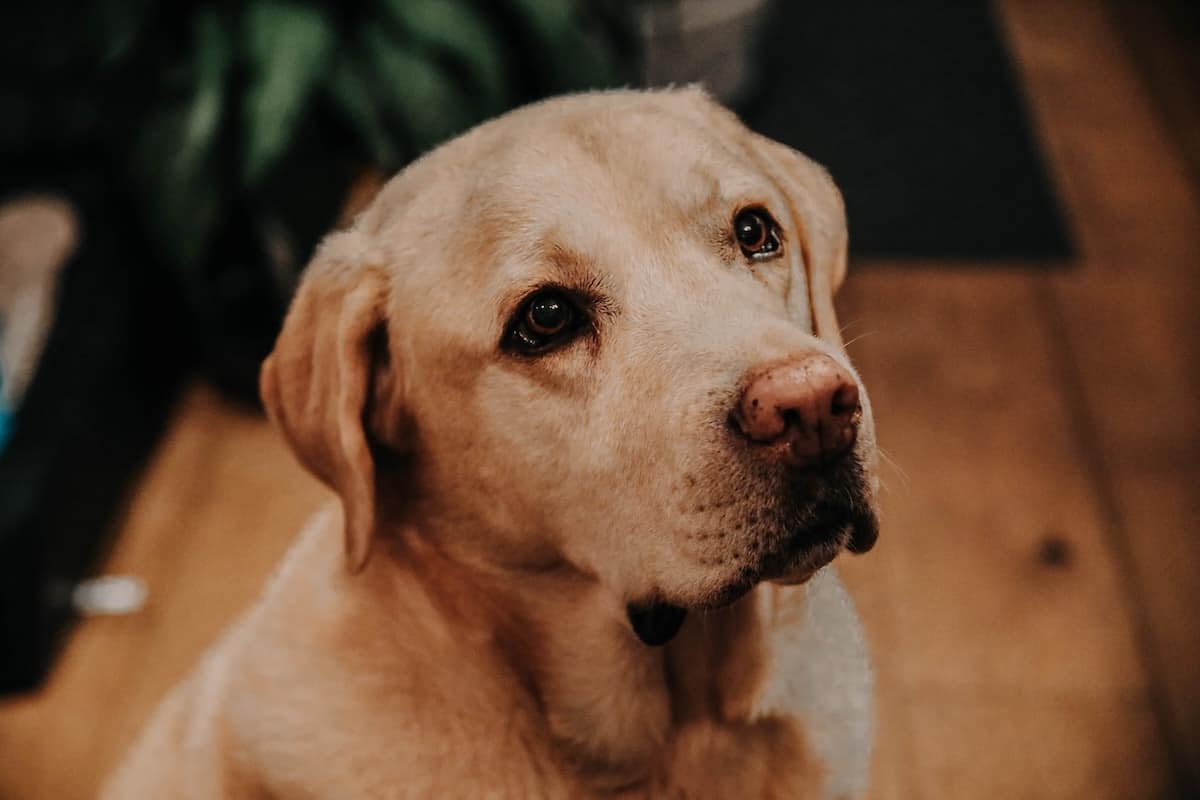
Eye contact is not just a natural bonding behavior—it’s also a valuable training tool. The “watch me” or “look at me” command teaches dogs to make deliberate eye contact with their owners, establishing attention and focus that forms the foundation for more complex training. When a dog learns to maintain eye contact on command, they’re demonstrating their willingness to attend to the human and ignore distractions, which is essential for effective training in challenging environments.
Professional dog trainers emphasize that reinforcing eye contact during training sessions strengthens not only obedience but also the emotional connection between dog and handler. Research published in the Journal of Veterinary Behavior found that dogs who are trained using positive reinforcement for eye contact show higher levels of oxytocin and lower stress hormones during training sessions compared to dogs trained without emphasizing eye contact. This biochemical response suggests that incorporating intentional gaze exercises into training routines can make the learning process more rewarding and less stressful for dogs.
The Healing Power of Canine Gaze
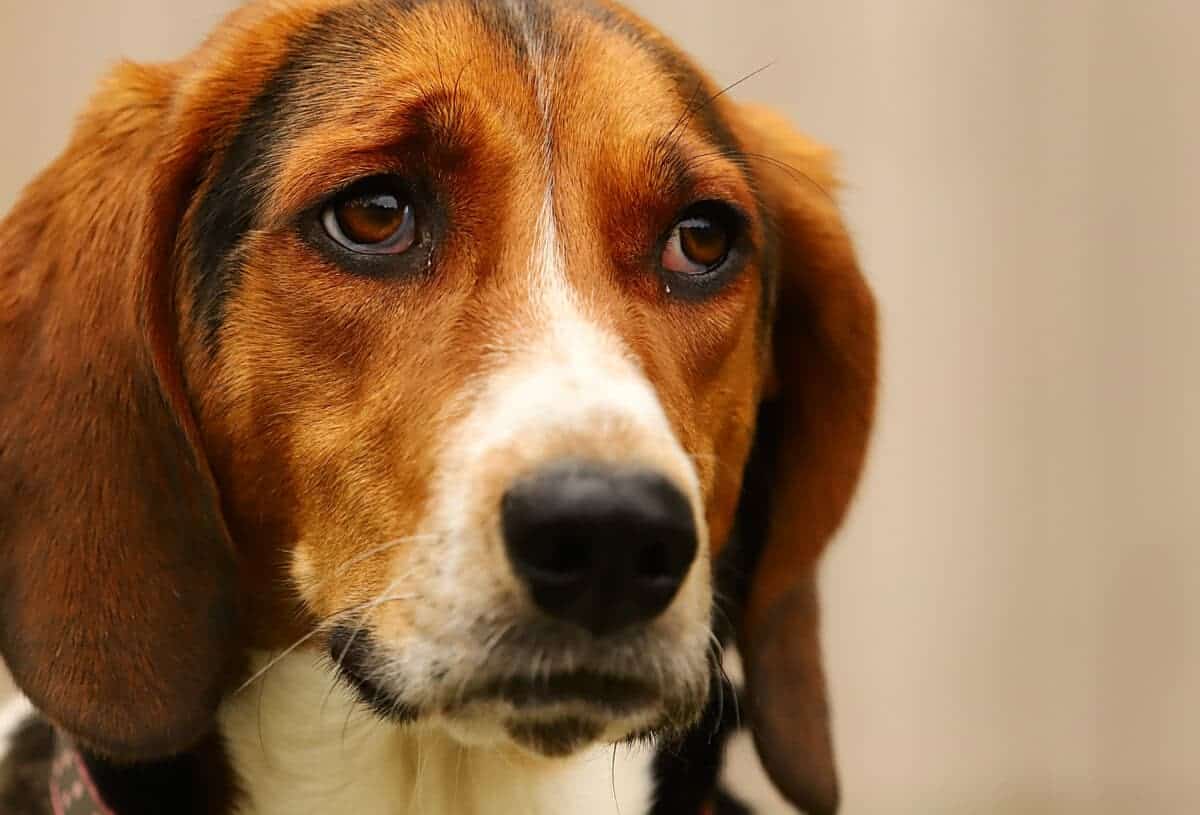
The therapeutic effect of a dog’s gaze extends beyond the emotional bond with their owners. Therapy and service dogs are specifically trained to make appropriate eye contact with the people they assist, providing comfort and connection. Research from the University of Missouri-Columbia found that interactions involving eye contact with therapy dogs can reduce stress hormones like cortisol while increasing beneficial neurochemicals like oxytocin, serotonin, and dopamine in human patients.
For individuals with autism spectrum disorders, who often struggle with human eye contact, interactions with dogs can provide a bridge to developing this social skill. Studies show that children with autism make eye contact more frequently and for longer durations with therapy dogs than with human therapists. The non-judgmental nature of canine eye contact creates a safe space for practicing this fundamental social skill. Similarly, patients with PTSD often report that the steady, accepting gaze of a service dog helps reduce anxiety and provides a sense of security in overwhelming situations.
Breed Differences in Eye Contact Behavior
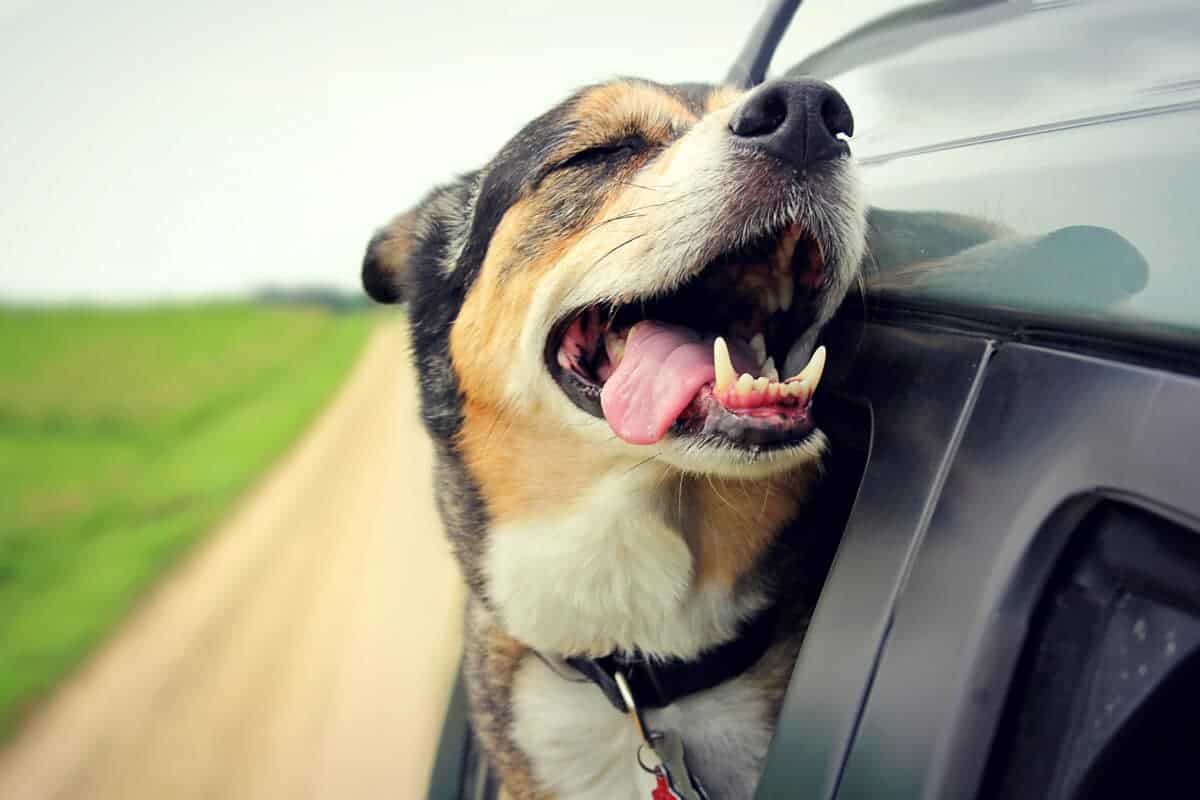
Not all dogs use eye contact in the same way or with the same frequency. Research from Eötvös Loránd University revealed significant variations in eye contact behavior across different dog breeds. Working breeds like Border Collies, Australian Shepherds, and German Shepherds typically make more frequent and sustained eye contact with humans, reflecting their breeding history for cooperative work requiring close human direction. These breeds often naturally check in with their owners through brief eye contact, even without training.
In contrast, scent hounds like Beagles and Bloodhounds, bred to work independently following scents, tend to make less frequent eye contact with their owners. Primitive breeds with closer genetic ties to wolves, such as Siberian Huskies and Akitas, may also show less pronounced gazing behaviors. Understanding these breed-specific tendencies can help owners set realistic expectations for their dog’s communication style. However, regardless of breed, most dogs can develop stronger eye contact behaviors with appropriate positive reinforcement and training.
The Dark Side: When Eye Contact Becomes Problematic

While eye contact generally strengthens the human-dog bond, it can become problematic in certain contexts. Prolonged, intense staring from a dog can sometimes indicate resource guarding, territorial behavior, or even aggression. According to veterinary behaviorists, a hard, fixed stare accompanied by a stiff body posture and other warning signs like growling should be taken seriously as potential indicators of discomfort or aggression.
Dogs with anxiety disorders or those who have experienced trauma may find direct eye contact threatening, triggering fear responses rather than bonding. For these dogs, gradual desensitization and counterconditioning can help change their emotional associations with eye contact from negative to positive. It’s also important to recognize cultural differences in how humans interpret dog gazing—what might seem like loving eye contact in one cultural context might be perceived as challenging or disrespectful in another. Understanding the nuanced contexts in which eye contact occurs is essential for correctly interpreting its meaning.
Strengthening Bonds Through Mindful Eye Contact
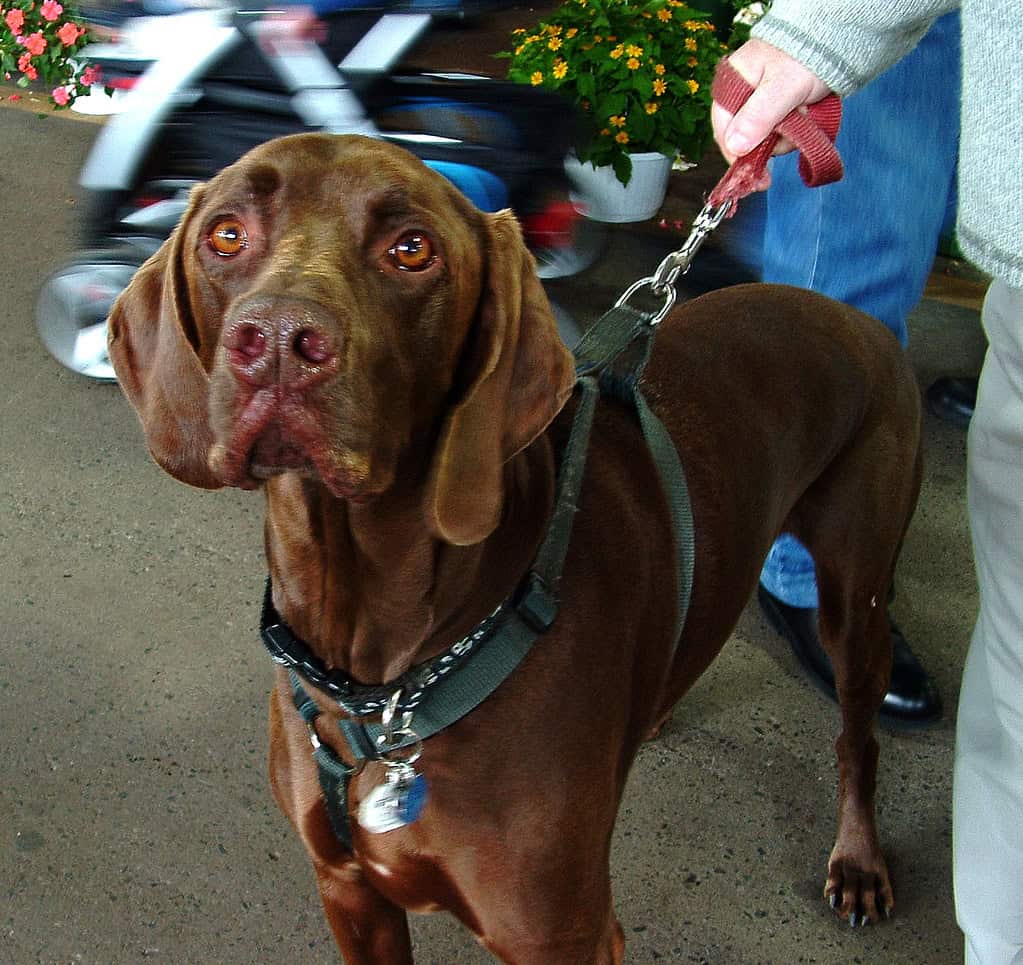
Dog owners can deliberately strengthen their bond by practicing quality eye contact with their pets. Veterinary behaviorists recommend spending a few minutes each day engaged in calm, positive eye contact with your dog. This can be incorporated into daily routines like feeding time or before walks. During these sessions, speak softly and maintain a relaxed body posture to ensure the experience remains positive for your dog.
Research from the University of Tokyo suggests that the quality of eye contact matters more than quantity. Brief but frequent moments of mutual gazing throughout the day can be more effective at strengthening bonds than forced, prolonged eye contact sessions. Additionally, combining eye contact with gentle touch—like a soft stroke under the chin or behind the ears—can enhance the oxytocin release for both parties. Remember that forcing eye contact with a reluctant dog can damage trust, so always respect your dog’s comfort level and allow them to initiate or break eye contact naturally.
Conclusion: The Eyes as Windows to Interspecies Connection
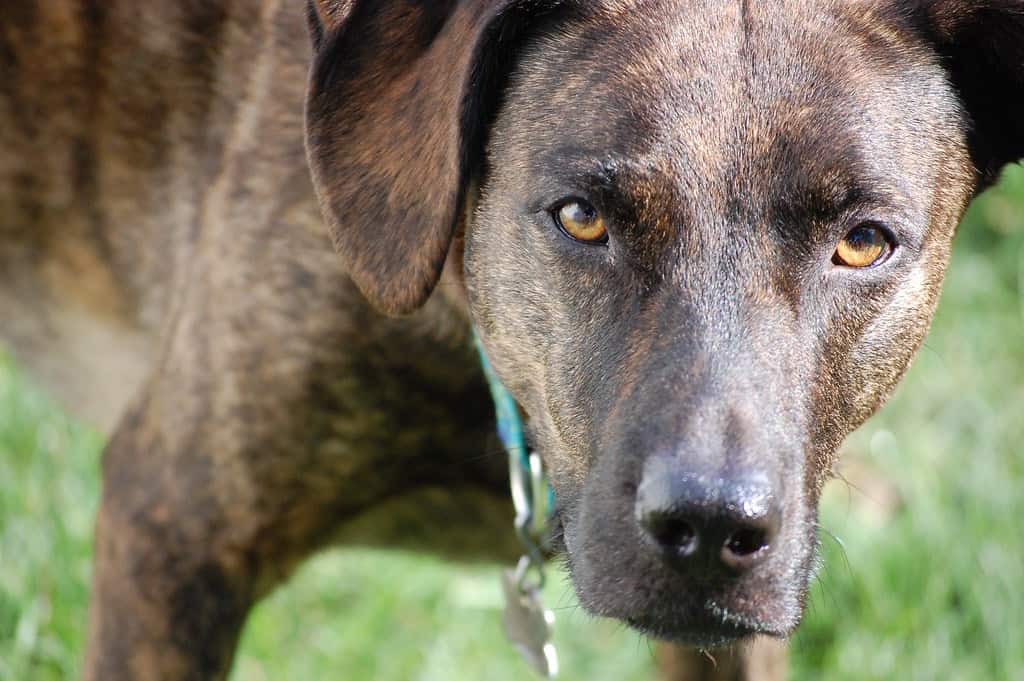
The way dogs use eye contact to bond with humans represents one of the most remarkable examples of interspecies communication in the animal kingdom. Through thousands of years of co-evolution, dogs have transformed what was once a threatening gesture among wolves into a sophisticated tool for connection, communication, and cooperation with humans. The neurochemical foundations of this bond—particularly the mutual oxytocin release—create a biological basis for the emotional attachment many of us feel with our canine companions.
Understanding how and why dogs use eye contact allows us to better appreciate the depth of our relationship with them and respond appropriately to their visual communication attempts. Whether they’re requesting help, expressing affection, or simply checking in, dogs’ eyes truly are windows into their intentions and emotions. By respecting and nurturing this unique form of communication, we honor the evolutionary journey that has brought our two species into such close alignment.
As science continues to unravel the complexities of canine cognition and communication, one thing remains clear: the simple act of meeting your dog’s gaze represents a profound connection that transcends language barriers. That moment when eyes meet across species boundaries isn’t just meaningful—it’s transformative, reinforcing a bond that has shaped both human and canine evolution for millennia.
Next time your dog seeks your eyes with their gaze, remember you’re participating in an ancient ritual of connection—one that continues to evolve and enrich both our species in countless ways. In that shared moment of attention, you’re not just looking at each other; you’re looking into the remarkable history and future of one of nature’s most enduring partnerships.

- The World’s Smallest Vertebrate Was Discovered in a U.S. Forest - July 30, 2026
- How Tigers Are Reclaiming Lost Ground in Nepal - July 30, 2026
- The Animal That Drinks Fog - July 30, 2026