

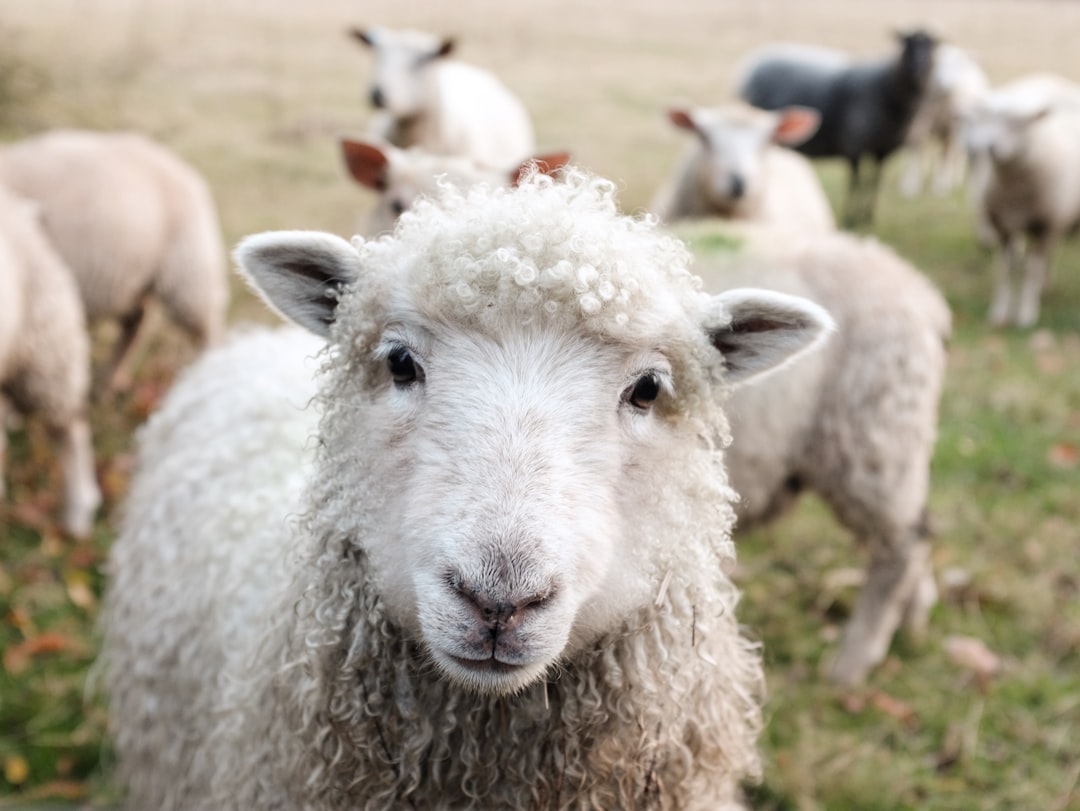

Foundations of Compassion in Action (Image Credits: Unsplash)
Farm Sanctuary’s pioneering efforts have transformed individual animal rescues into a broader force for change in animal agriculture.
Foundations of Compassion in Action
The story begins in 1986, when Farm Sanctuary emerged as the nation’s first refuge dedicated exclusively to farmed animals. Founders Gene Baur and Lorri Bauman witnessed the harsh realities of factory farming firsthand, rescuing animals from slaughterhouse-bound trucks and abandoned lots. These early acts of mercy laid the groundwork for a movement that challenged the status quo of animal exploitation.
Over the decades, the organization expanded to include sprawling sanctuaries in New York and California, housing hundreds of cows, pigs, chickens, and other species. Each rescue not only provided safety but also served as a living testament to the intelligence and emotions of farmed animals. Visitors and volunteers often left with shifted perspectives, carrying stories of resilience that rippled outward.
This hands-on approach turned abstract advocacy into tangible narratives, drawing public attention to the plight of billions of animals in industrial systems annually.
Stories That Inspired Advocacy Waves
One standout example involved a sow named Julia, who arrived at the sanctuary after years as a breeding machine in confinement. Freed from her ordeal, she raised her piglets in a nurturing environment, living out six peaceful years that highlighted the bonds possible beyond commercial operations. Her journey, shared through sanctuary updates, moved countless supporters to question routine farming practices.
Similar tales abound: chickens scratching freely for the first time, goats forming unlikely friendships with sheep, and cows grazing vast pastures after lives in feedlots. These animals became unofficial ambassadors, their transformations documented in photos and videos that went viral on social media. Platforms like X amplified these narratives, fostering empathy and boosting donations to anti-cruelty campaigns.
By humanizing what society often overlooked, these residents propelled legislative pushes for better welfare standards and vegan living initiatives.
Educational Ripples from Sanctuary Grounds
Farm Sanctuary’s humane education programs brought these animal stories directly to schools and communities. Virtual presentations and downloadable curricula reached thousands, teaching about the sentience of farmed species through real-life examples from the sanctuaries. Participants learned how over 800 animals at the New York site alone demonstrated natural behaviors suppressed in agriculture.
Advocacy extended beyond education; the organization lobbied for policies curbing factory farm abuses and promoted plant-based alternatives. Rescued animals starred in documentaries like early versions of “Peaceable Kingdom,” exposing viewers to the sanctuary’s daily operations and the ethical dilemmas of meat production.
- Rescue operations that spotlighted undercover investigations into farm cruelty.
- Outreach events where animals interacted with the public, breaking down stereotypes.
- Collaborations with filmmakers and authors to immortalize individual stories in books such as “Animals of Farm Sanctuary.”
- Grassroots campaigns inspired by resident animals, leading to local bans on certain practices.
- International influence, as similar sanctuaries modeled their work after Farm Sanctuary’s blueprint.
Challenges and Enduring Legacy
Despite successes, the path included hurdles like legal battles against agribusiness and the emotional toll of constant rescues. Yet, the animals’ presence motivated staff and volunteers to persist, turning grief over losses into fuel for reform. Today, Farm Sanctuary continues to envision a world where exploitation gives way to sanctuary for all farmed animals.
The movement they ignited now encompasses global networks of rescuers and advocates, with sanctuaries popping up from California meadows to Pacific Northwest refuges. This evolution underscores how a few bold interventions grew into a comprehensive push for compassion.
Key Takeaways
- Farm Sanctuary’s rescues humanized farmed animals, shifting public views on agriculture.
- Education and media exposure amplified individual stories into widespread advocacy.
- Ongoing efforts blend rescue with policy work for systemic change.
As these animals’ legacies remind us, true progress starts with seeing the individuals behind the industries. What steps can you take to support farm animal welfare? Share your thoughts in the comments.

- Urban Coyotes Show Remarkable Adaptability, Learning to Thrive in City Environments - July 22, 2026
- Beavers Are Nature’s Engineers, Creating Vital Habitats for Other Wildlife Species - July 21, 2026
- The Recovery of the California Condor Offers Hope for Other Critically Endangered Birds - July 21, 2026