


In the ever-evolving landscape of mental health treatment, the bond between humans and animals is being explored as a potential therapeutic avenue. A notable method is the use of horses in therapeutic environments, offering teens struggling with anxiety an innovative path to healing. This article delves into how these majestic animals are bridging the gap between traditional therapies and the unique needs of adolescents with anxiety.
The Rise of Equine Therapy
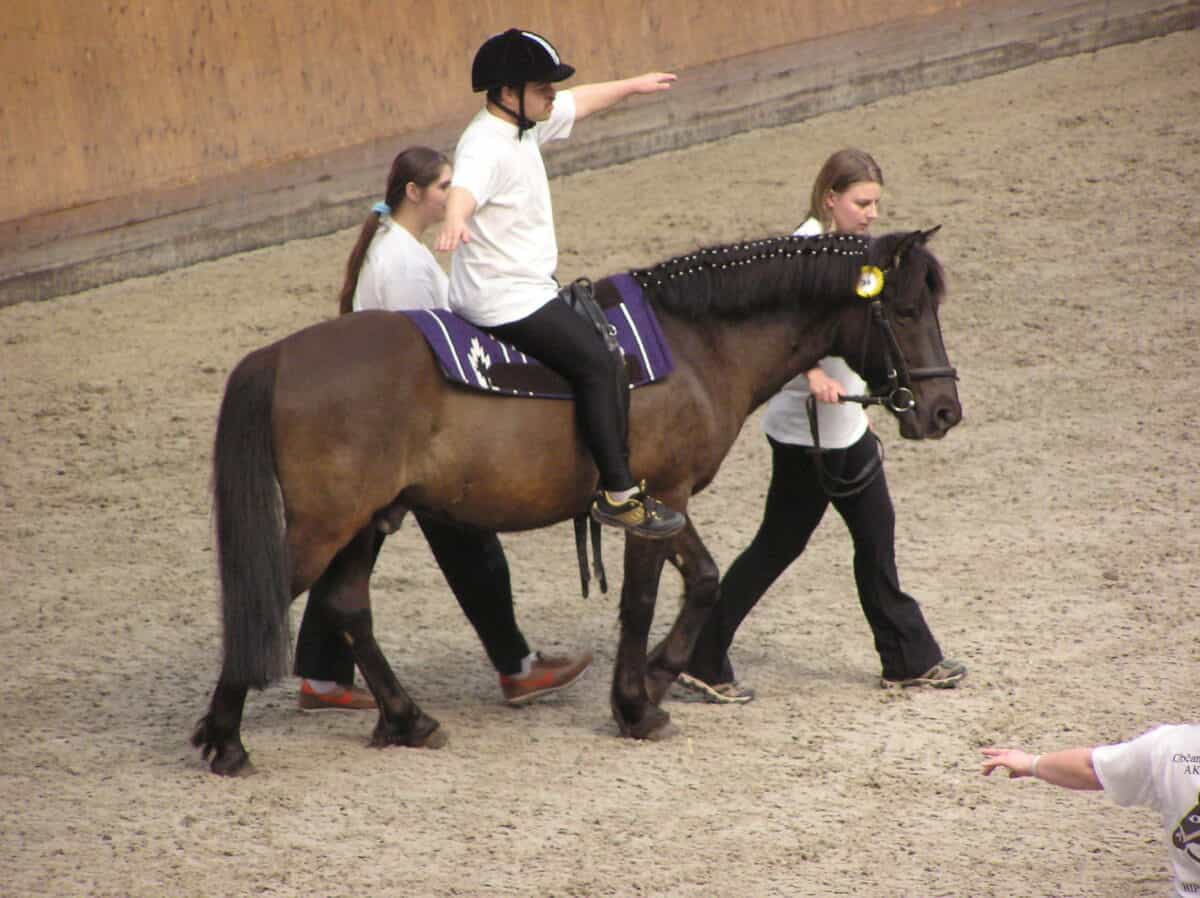
Equine therapy, also known as hippotherapy or equine-assisted therapy, is gaining recognition for its positive impact on mental health. Initially used for physical rehabilitation, the therapeutic benefits of interacting with horses have expanded into mental health treatment. This approach is particularly impactful for teens, offering a non-judgmental space conducive to healing emotional wounds.
Understanding Anxiety in Teens

Anxiety disorders are among the most common mental health issues affecting teenagers today. Pressures from school, social media, and family expectations can exacerbate feelings of anxiety. Traditional treatments include therapy and medication, but not all teens respond well to these methods. The experiential nature of equine therapy offers an alternative route that can resonate emotionally and physically with adolescents.
Building Trust Through Connection

At the heart of equine therapy is the relationship between the horse and the participant. Horses are naturally intuitive animals, capable of sensing and responding to human emotions. This connection helps teens build trust and improve their interpersonal skills, fostering a sense of safety and belonging.
Boosting Self-Esteem and Confidence
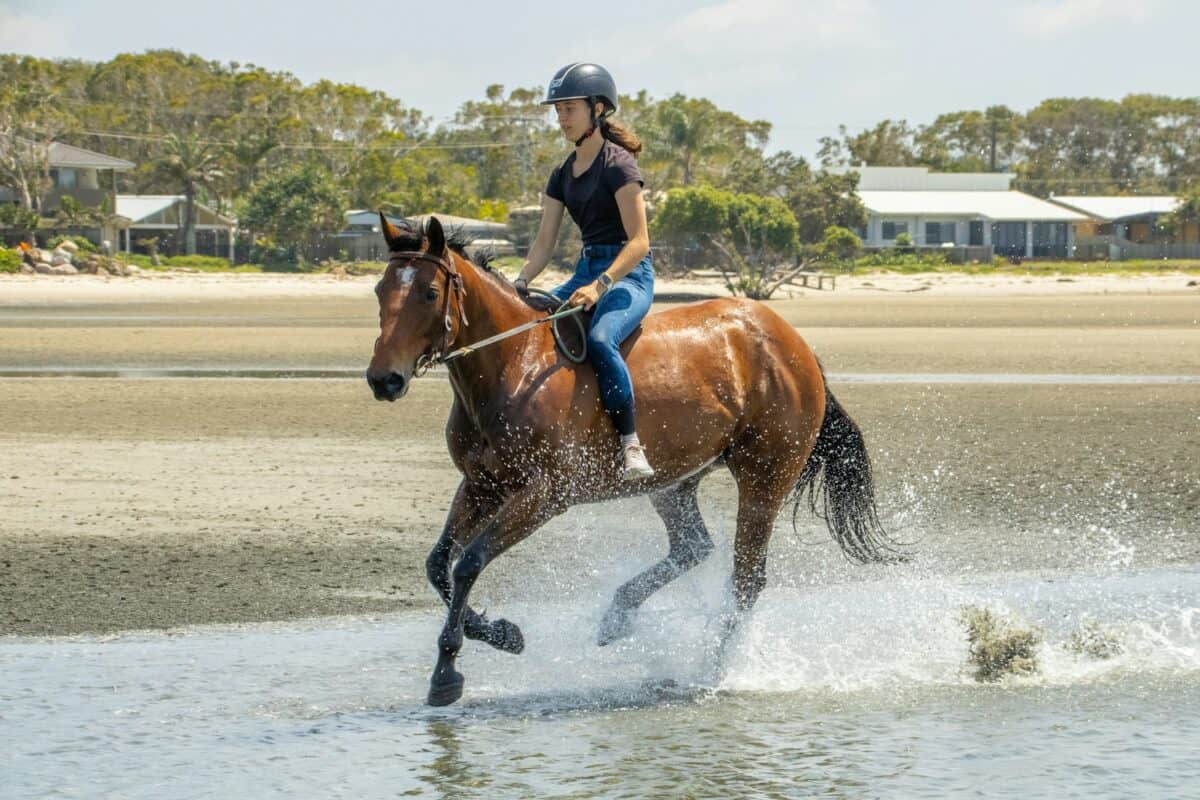
The process of caring for and working with a large animal like a horse can significantly enhance a teenager’s self-esteem and confidence. Activities such as grooming, leading, and riding require attention, discipline, and patience. Successfully completing these tasks can instill a sense of accomplishment and boost the teen’s overall confidence levels.
Encouraging Mindfulness and Presence

Horses live in the moment, which naturally encourages teens to do the same. This focus on the present is a powerful tool for reducing anxiety. Engaging with horses requires full attention, helping teens step away from their worries and learn the art of mindfulness.
Enhancing Communication Skills

Non-verbal communication plays a huge role in equine therapy, as horses respond primarily to body language and energy. Teens learn to express themselves more effectively and understand the importance of clear communication, skills that are transferrable to their everyday lives.
Providing a Safe Space for Emotional Expression

Many teens struggling with anxiety find it challenging to express their feelings. Horses offer a non-judgmental presence that can encourage emotional sharing. This freedom to express emotions without fear of criticism or misunderstanding can be profoundly therapeutic.
Facilitating Personal Growth and Reflection

Through interactions with horses, teens are encouraged to reflect on their thoughts, actions, and reactions. This self-reflection nurtures personal growth and can lead to a better understanding of their anxieties, helping them manage these feelings more effectively.
Creating a Sense of Responsibility

Caring for a horse involves a significant amount of responsibility. This aspect of equine therapy teaches teens accountability and discipline, life skills that can be applied beyond the therapeutic setting.
Easing Symptoms of Anxiety Through Physical Activity
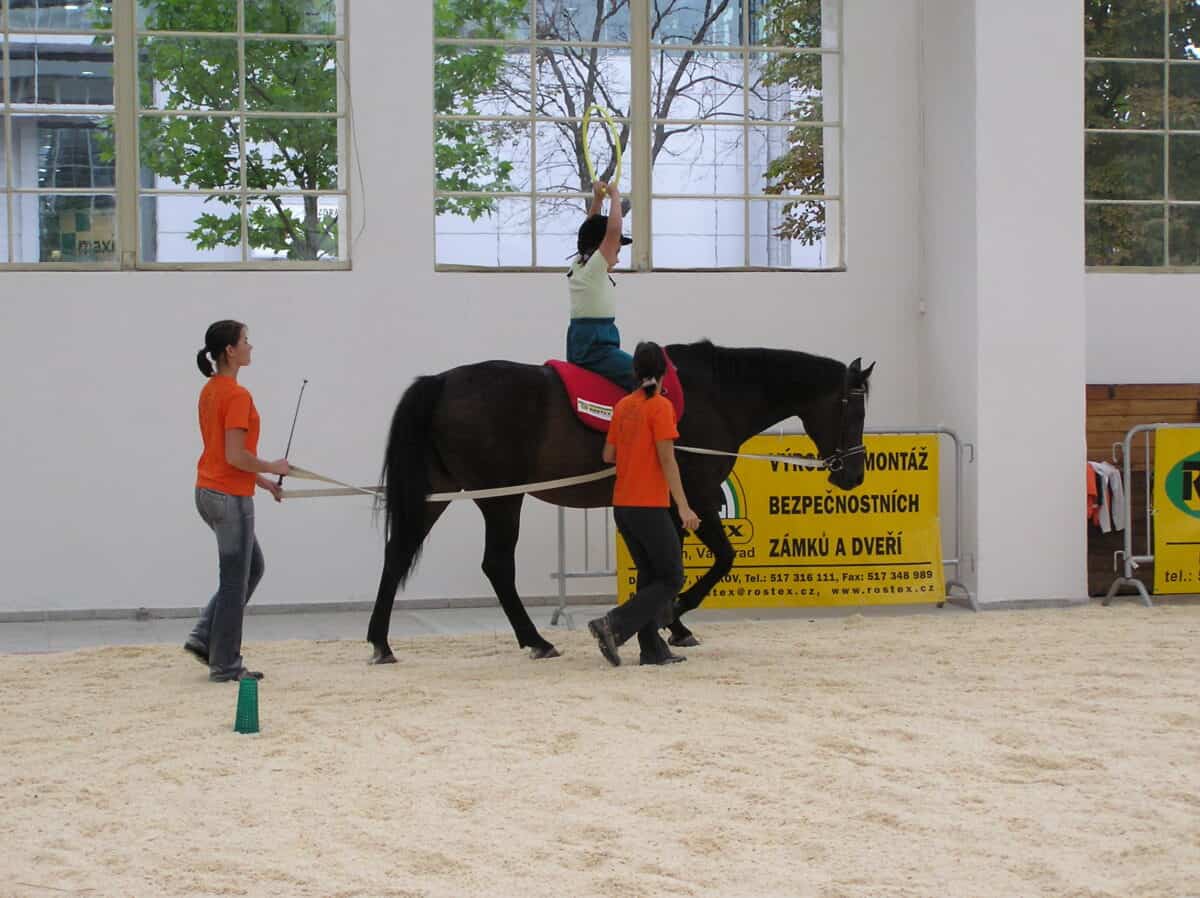
Engaging in equine activities offers a form of exercise that can alleviate symptoms of anxiety. Physical movement, especially in an outdoor setting, boosts endorphins, which are natural mood lifters, enhancing overall mental well-being.
Positive Reinforcement and Feedback

Equine therapy emphasizes positive reinforcement. Teens receive immediate feedback from the horses, which helps them understand the impact of their actions. This feedback loop reinforces positive behaviors and improves the therapeutic outcomes.
Integrating Equine Therapy with Other Treatments
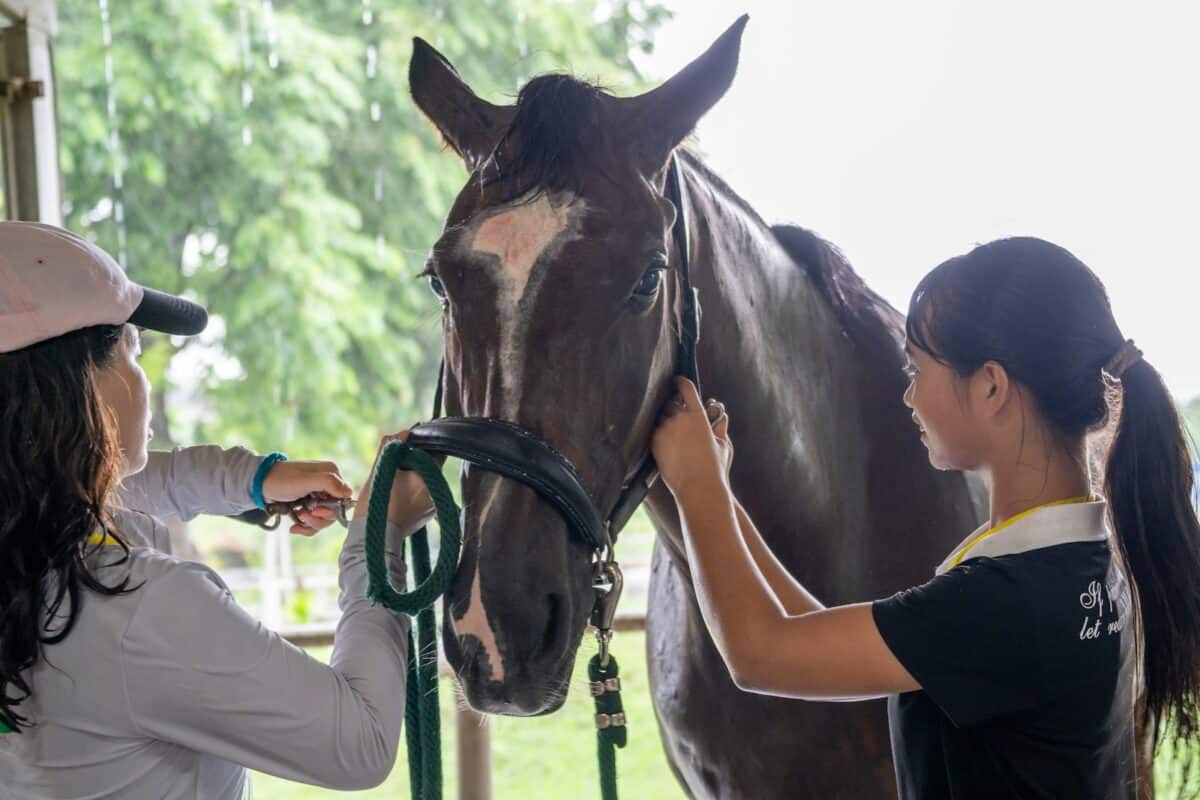
Equine therapy does not stand alone; it is often used in conjunction with other forms of therapy. Combining equine therapy with traditional methods can create a more comprehensive treatment plan that addresses various aspects of a teen’s anxiety.
Incorporating horses into therapeutic settings offers a compelling alternative to traditional mental health treatments for teens facing anxiety. The unique bond formed between horse and human can foster a range of emotional and psychological benefits, from increased confidence to improved mental clarity. As equine therapy continues to gain traction, it promises to play an integral role in the mental health landscape, offering new hope and healing for adolescents worldwide.

- Owls and Other Forest Dwellers of the Cascades - July 19, 2026
- What Happens When a Python Eats Something Too Big? - July 19, 2026
- Baby Koalas Hug Their Moms for Safety and Comfort - July 19, 2026