


The eucalyptus-scented world of koalas holds secrets that would make even the most sophisticated perfumer jealous. These seemingly sleepy marsupials are actually running a complex chemical communication network that puts modern social media to shame. Through their remarkable scent glands, koalas engage in territorial disputes, romantic pursuits, and social hierarchies that are invisible to our human noses but crystal clear to their own species. What appears to be a simple tree-dwelling lifestyle is actually a sophisticated system of chemical messaging that has evolved over millions of years.
The Secret Language of Scent
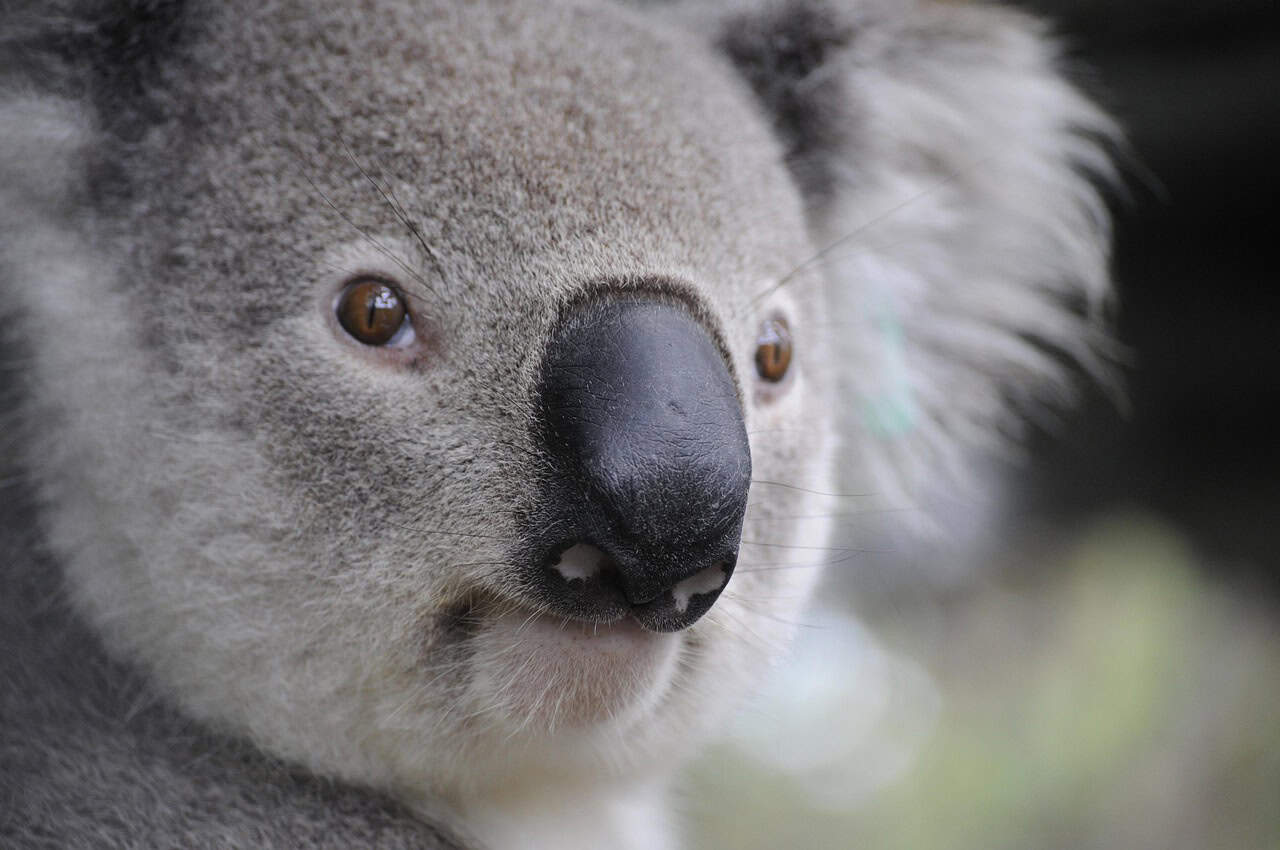
Koalas possess an extraordinary ability to communicate through chemical signals that remain largely invisible to human observers. Their scent glands produce complex mixtures of volatile compounds that carry specific messages about identity, territorial boundaries, and social status. These chemical communications can convey information about an individual’s age, health, reproductive status, and even their recent dietary choices.
The sophistication of this scent-based communication system rivals that of many other mammals, yet it operates on wavelengths that humans can barely comprehend. Each koala’s scent signature is as unique as a fingerprint, allowing individuals to recognize friends, foes, and potential mates from considerable distances. This chemical language forms the backbone of koala social structure and territorial organization.
Anatomy of Koala Scent Glands

Male koalas possess a prominent scent gland located on their chest, which appears as a brown, leathery patch of skin that stands out against their gray fur. This gland, known as the sternal gland, is most developed in adult males and becomes particularly active during breeding season. The gland contains specialized cells that produce a waxy, aromatic secretion with a distinctive musky odor.
Female koalas also have scent glands, though they are typically smaller and less prominent than those of males. Both sexes possess additional scent-producing areas around their genital regions and in their cheek pouches. These secondary glands contribute to the overall scent profile that each koala carries, creating a complex bouquet of chemical information that other koalas can decode instantly.
Chemical Composition of Koala Scents
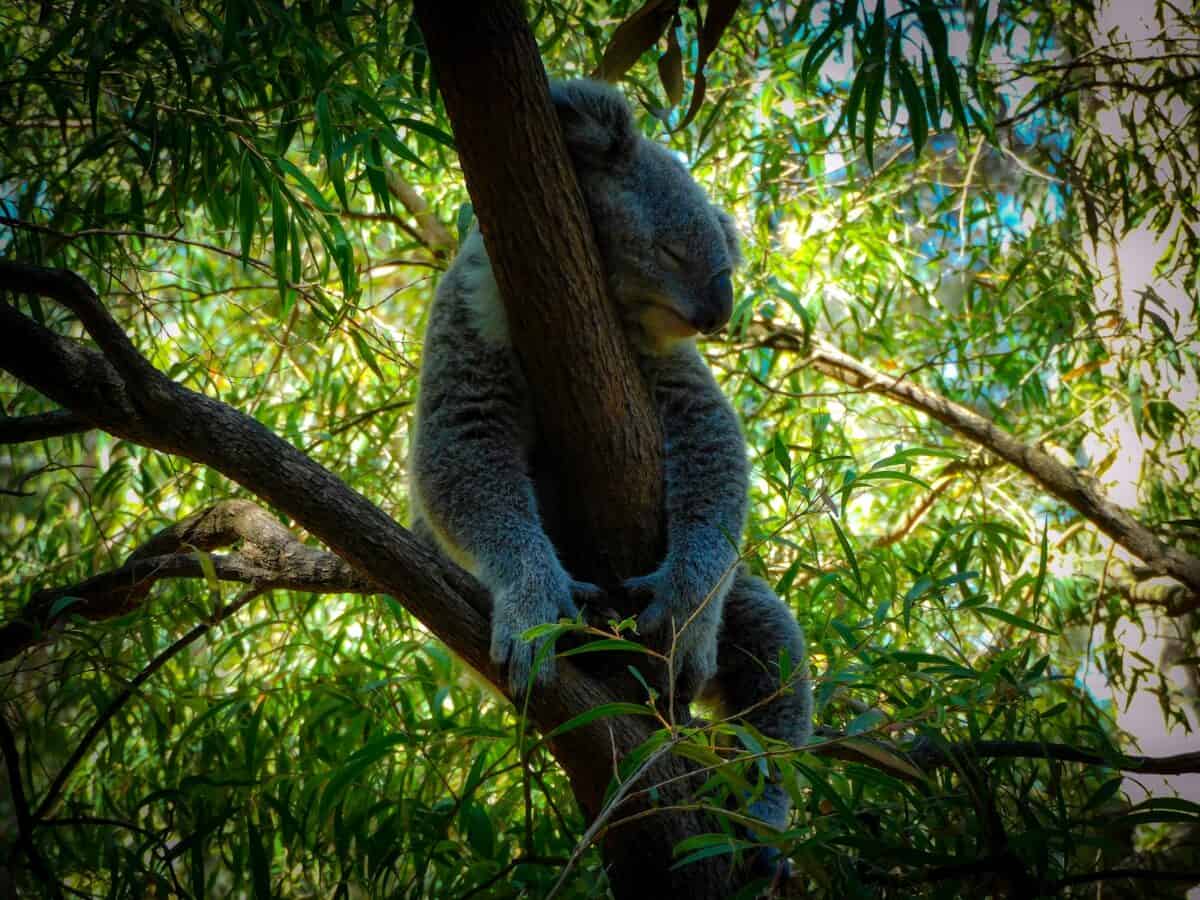
The scent secretions from koala glands contain a sophisticated mixture of organic compounds, including alcohols, aldehydes, and fatty acids. Research has identified over 30 different chemical compounds in male koala scent gland secretions, with the exact composition varying between individuals and seasons. These compounds work together to create a unique scent signature that serves multiple communication functions.
The primary active compounds include phenolic substances that provide the characteristic musky odor, as well as volatile esters that help carry the scent over longer distances. The concentration and ratio of these chemicals can convey specific information about the individual’s health, dominance status, and reproductive readiness. Scientists have discovered that the chemical complexity of these secretions rivals that of many commercial perfumes.
Environmental factors such as diet, stress levels, and season can influence the chemical composition of these scent markers. This variability allows koalas to communicate changing circumstances and conditions to other members of their species through subtle modifications in their scent profiles.
Territorial Marking Behaviors

Koalas engage in deliberate scent-marking behaviors that serve as biological “no trespassing” signs throughout their eucalyptus forest territories. Males will rub their chest glands against tree trunks, leaving behind oily secretions that can persist for weeks or even months. This behavior typically occurs at eye level for other koalas, making the scent marks highly visible and accessible to potential intruders.
The frequency and intensity of scent marking increase significantly during breeding season, when territorial disputes become more common. Dominant males often create extensive networks of scent marks throughout their territories, with some individuals marking the same trees repeatedly to maintain fresh scent boundaries. These chemical boundaries serve as an early warning system, allowing koalas to avoid direct confrontations whenever possible.
Scent Communication During Breeding Season

During the breeding season, typically occurring between September and February in Australia, koala scent communication reaches its peak intensity. Male koalas increase their scent marking activities dramatically, using their chest glands to advertise their presence and availability to potential mates. The chemical composition of their secretions also changes during this period, with increased levels of certain compounds that signal reproductive readiness.
Female koalas also modify their scent profiles during estrus, producing pheromones that can attract males from considerable distances. These chemical signals are so effective that males can detect a receptive female’s scent from several kilometers away under favorable wind conditions. The ability to communicate reproductive status through scent helps coordinate mating activities across the sparse koala populations that inhabit Australia’s eucalyptus forests.
Rival Recognition Through Scent
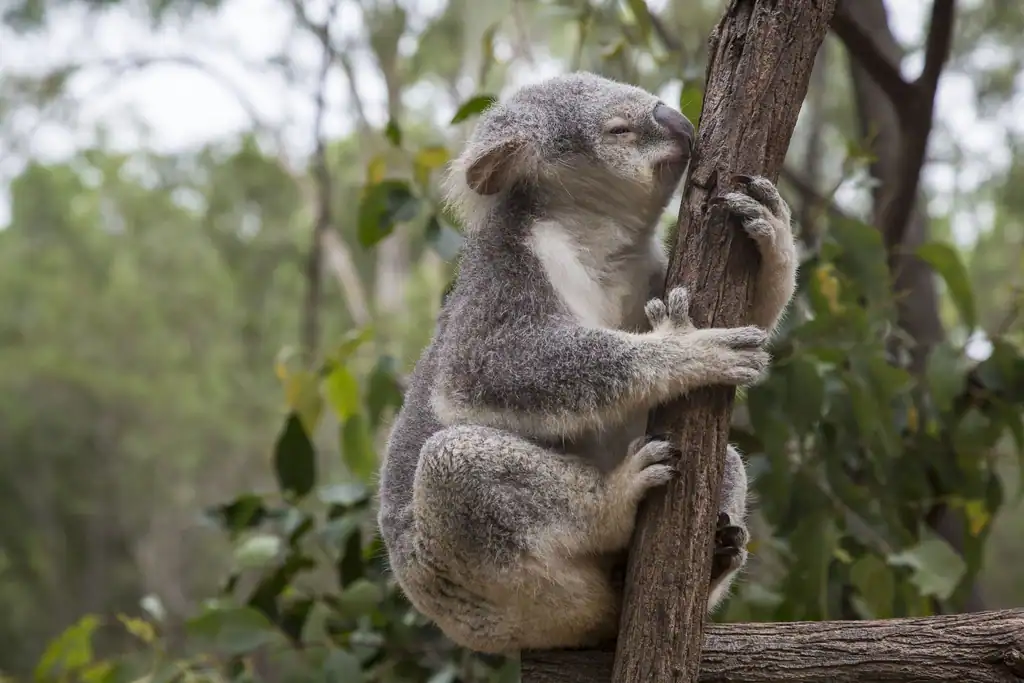
Koalas possess an remarkable ability to identify individual rivals through their unique scent signatures, much like humans recognize voices or faces. When a koala encounters the scent mark of another individual, they can immediately determine whether it belongs to a familiar neighbor, a stranger, or a known competitor. This recognition system helps maintain stable territorial boundaries and reduces the likelihood of unnecessary conflicts.
The scent recognition abilities of koalas are so sophisticated that they can determine not only the identity of the marker but also when the mark was made. Fresh scent marks trigger stronger responses than older ones, allowing koalas to assess the current threat level in their territory. This temporal aspect of scent communication helps koalas make informed decisions about when to investigate potential intrusions and when to retreat to safer areas.
Aggressive Responses to Rival Scents
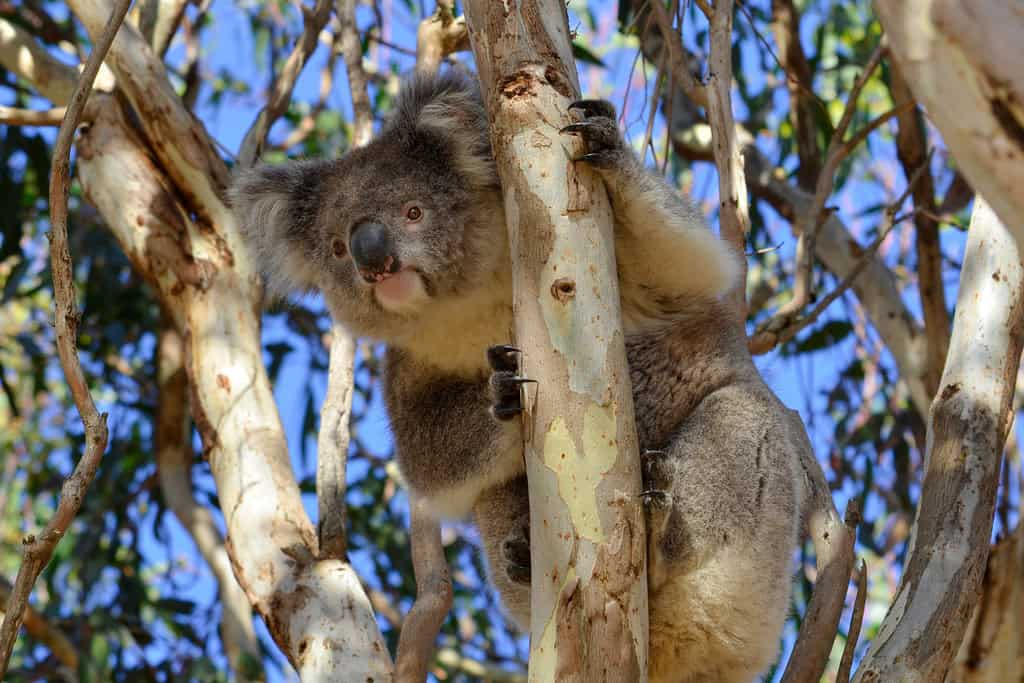
When koalas encounter the scent marks of unfamiliar individuals or known rivals in their territory, they often display distinct behavioral responses that can escalate into direct confrontations. Males may respond to rival scents by increasing their own marking behavior, essentially engaging in a chemical arms race to establish dominance. They may also produce loud vocalizations, known as bellows, which serve as auditory warnings to accompany their scent-based territorial claims.
Physical confrontations between rival males often begin with intensive scent investigation, where individuals will carefully examine each other’s scent glands and recent markings. These encounters can escalate to wrestling matches, with males using their powerful claws and teeth to establish dominance. The outcome of these confrontations often determines access to prime territories and breeding opportunities.
Interestingly, koalas can sometimes avoid direct confrontations by carefully timing their activities to minimize encounters with rivals. By reading the “scent calendar” left by other individuals, koalas can navigate their territories more safely and efficiently.
Scent and Social Hierarchies
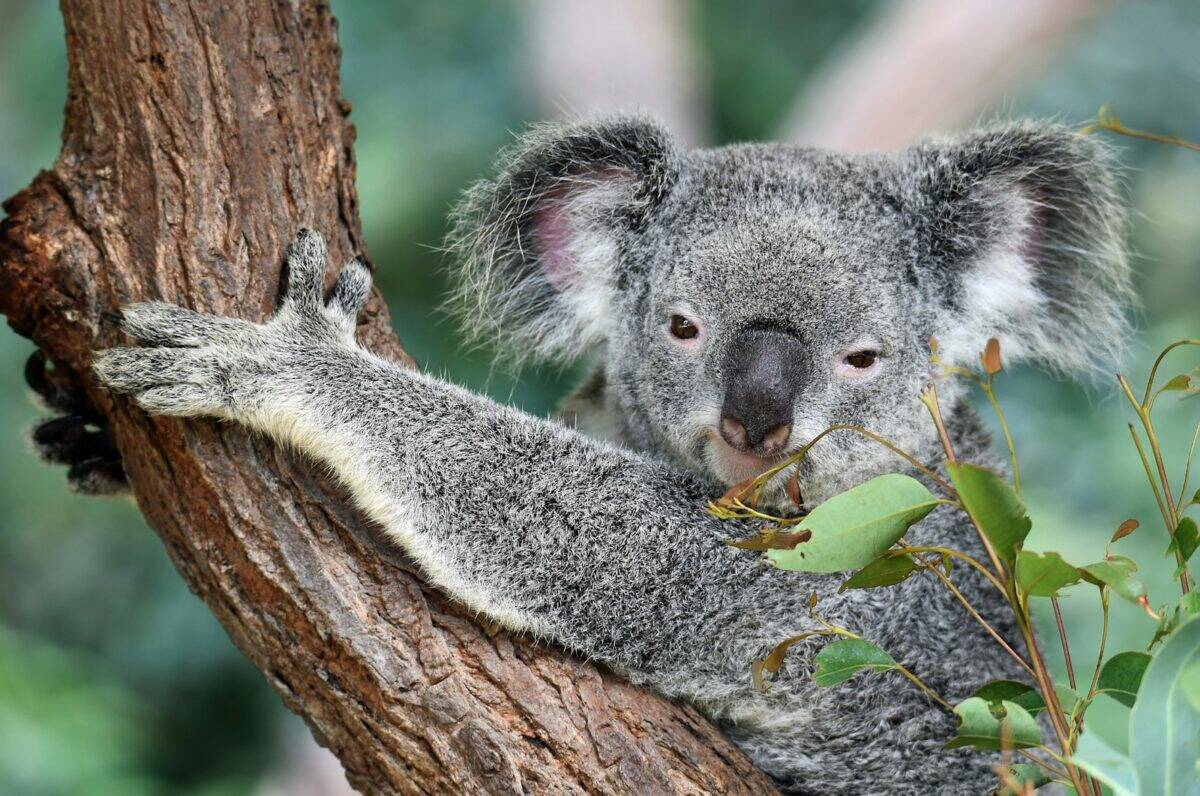
The scent communication system of koalas plays a crucial role in establishing and maintaining social hierarchies within local populations. Dominant males typically produce stronger, more complex scent secretions that contain higher concentrations of certain chemical compounds. These “power scents” serve as indicators of fitness and fighting ability, helping to establish pecking orders without constant physical confrontations.
Subordinate males often modify their scent-marking behavior in response to dominant individuals, either reducing their marking activities or avoiding areas heavily marked by superior rivals. This chemical diplomacy helps maintain social stability within koala populations and reduces the energy costs associated with constant territorial disputes. The scent-based hierarchy system is so effective that it can persist for months or even years within stable populations.
Environmental Factors Affecting Scent Communication
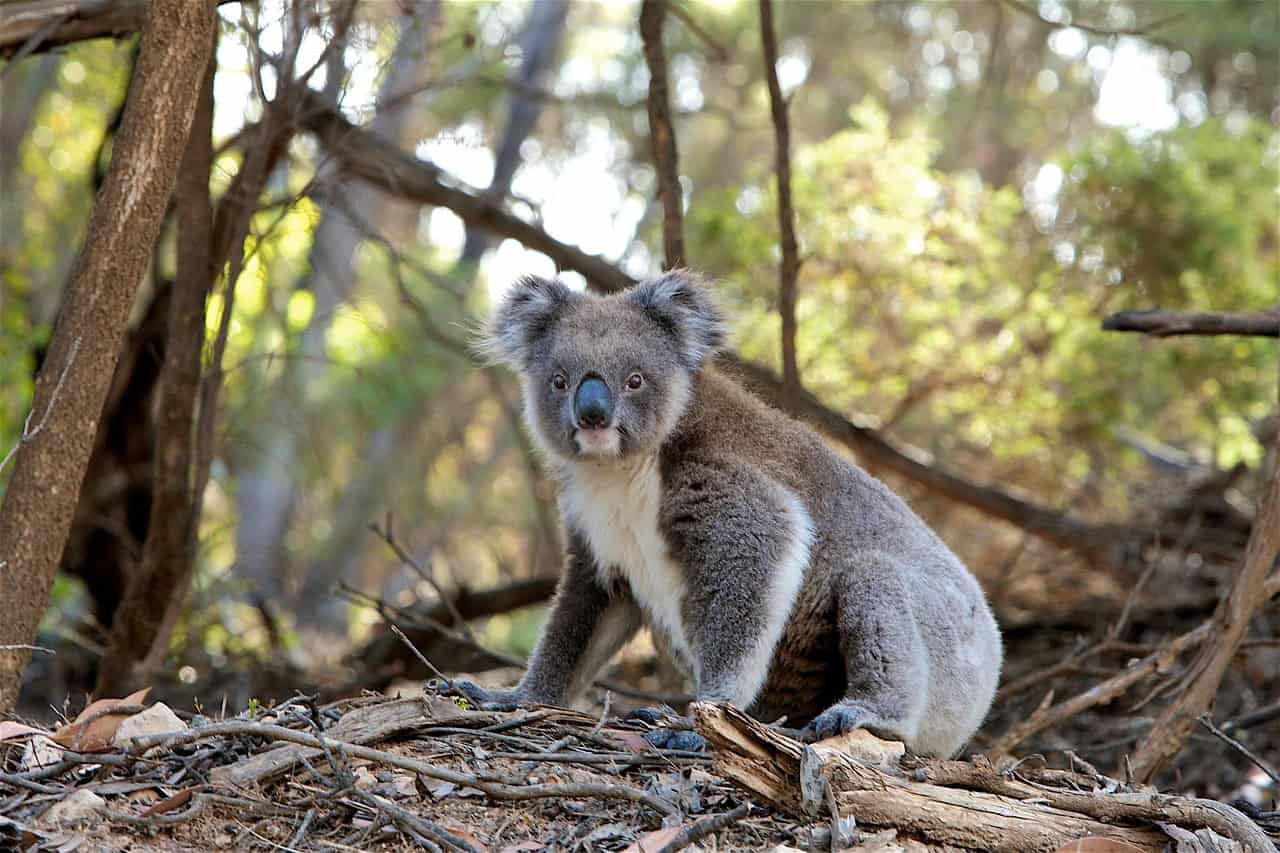
Weather conditions significantly impact the effectiveness of koala scent communication, with humidity, temperature, and wind patterns all influencing how far and how long scent marks remain detectable. During humid conditions, scent marks may persist longer but travel shorter distances, while dry, windy weather can disperse scents rapidly but reduce their longevity. Koalas appear to adjust their marking behaviors in response to these environmental conditions.
The structure of eucalyptus forests also affects scent communication, with dense canopies limiting air circulation and potentially creating scent “shadows” where chemical signals are less effective. Koalas often select specific trees and locations for their scent marking activities, choosing spots that maximize the dispersal and persistence of their chemical messages. Forest fires, habitat fragmentation, and human activities can all disrupt these carefully established scent communication networks.
Climate change is beginning to impact koala scent communication patterns, as rising temperatures and changing precipitation patterns alter the effectiveness of their chemical messaging systems. Scientists are studying how these environmental changes might affect koala social structures and territorial behaviors in the future.
Mother-Offspring Scent Recognition
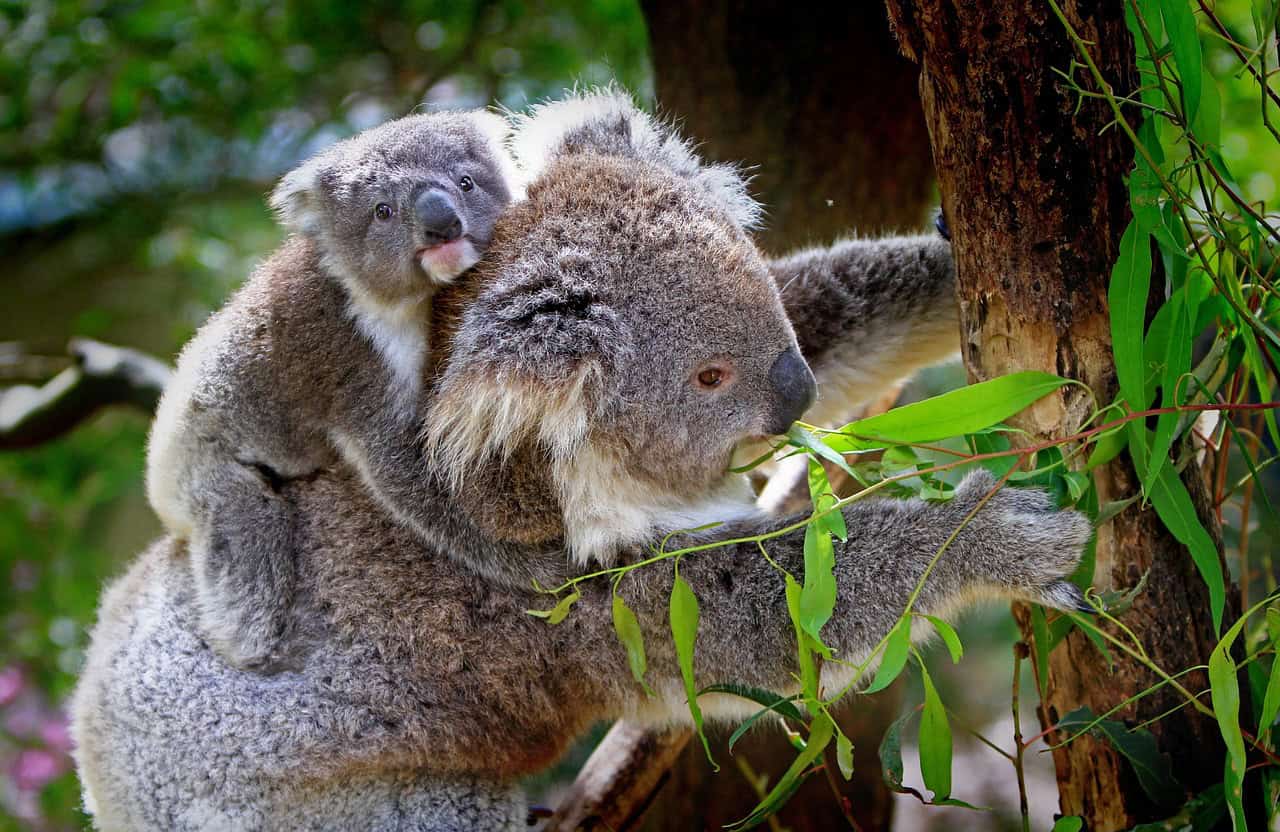
Koala mothers and their young maintain strong bonds through scent recognition that begins from birth and continues throughout the lengthy dependency period. Newborn koalas, called joeys, are born with the ability to recognize their mother’s unique scent signature, which helps them navigate to the pouch and locate milk sources. This early scent imprinting is crucial for survival during the vulnerable first months of life.
As joeys develop and begin to explore outside the pouch, they continue to rely on their mother’s scent for security and guidance. The mother’s scent serves as a home base that joeys can follow back to safety when they venture too far from the nest tree. This scent-based navigation system is particularly important in the three-dimensional environment of the eucalyptus canopy, where visual landmarks may be limited.
The mother-joey scent bond gradually weakens as the young koala approaches independence, typically around 12 months of age. During this transition period, the joey begins to develop its own distinct scent signature while still maintaining some recognition of its mother’s scent markers.
Scent Memory and Recognition Abilities
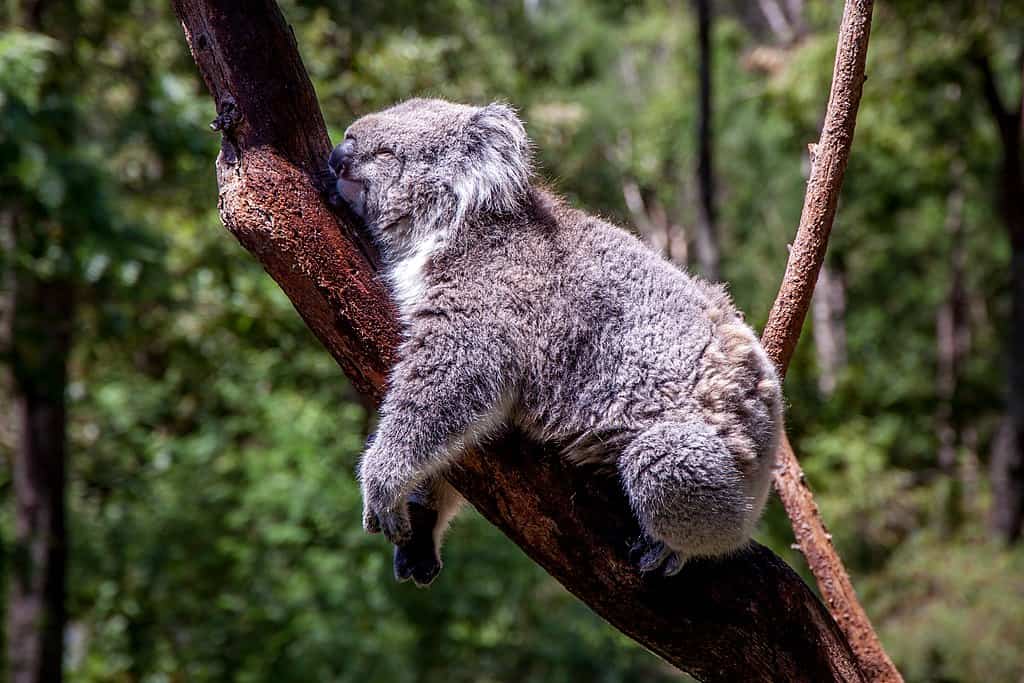
Koalas possess impressive scent memory capabilities that allow them to remember and recognize the scent signatures of dozens of individual koalas over extended periods. Research suggests that koalas can remember the scents of rivals, mates, and neighbors for months or even years, creating a detailed mental map of their social environment. This long-term scent memory is crucial for maintaining stable territories and social relationships.
The ability to distinguish between familiar and unfamiliar scents helps koalas make quick decisions about potential threats and opportunities. When encountering a new scent, koalas may spend considerable time investigating and learning the chemical signature, adding it to their mental catalog of known individuals. This learning process is similar to how humans might memorize faces or voices, but operates entirely through chemical information.
Young koalas must learn to interpret and respond to different scent signals as they mature, developing their chemical literacy through experience and observation. This learning process is essential for their survival and successful integration into adult koala society.
Seasonal Variations in Scent Production

Koala scent production follows distinct seasonal patterns that correspond to breeding cycles, food availability, and environmental conditions. During the breeding season, both males and females increase their scent gland activity, producing more potent and complex chemical mixtures. Male koalas show the most dramatic seasonal changes, with their chest glands becoming significantly more active and aromatic during peak breeding periods.
Outside of breeding season, koala scent production typically decreases but does not cease entirely. Maintenance marking continues throughout the year to preserve territorial boundaries and social relationships. The chemical composition of these maintenance marks differs from breeding season secretions, containing fewer reproductive pheromones and more general identification compounds.
Seasonal variations in eucalyptus leaf chemistry may also influence koala scent production, as their diet directly affects the chemical composition of their bodily secretions. During periods when preferred eucalyptus species are most nutritious, koalas may produce higher quality scent marks that better communicate their health and fitness status to rivals and potential mates.
Scent Overmarking and Competitive Behaviors
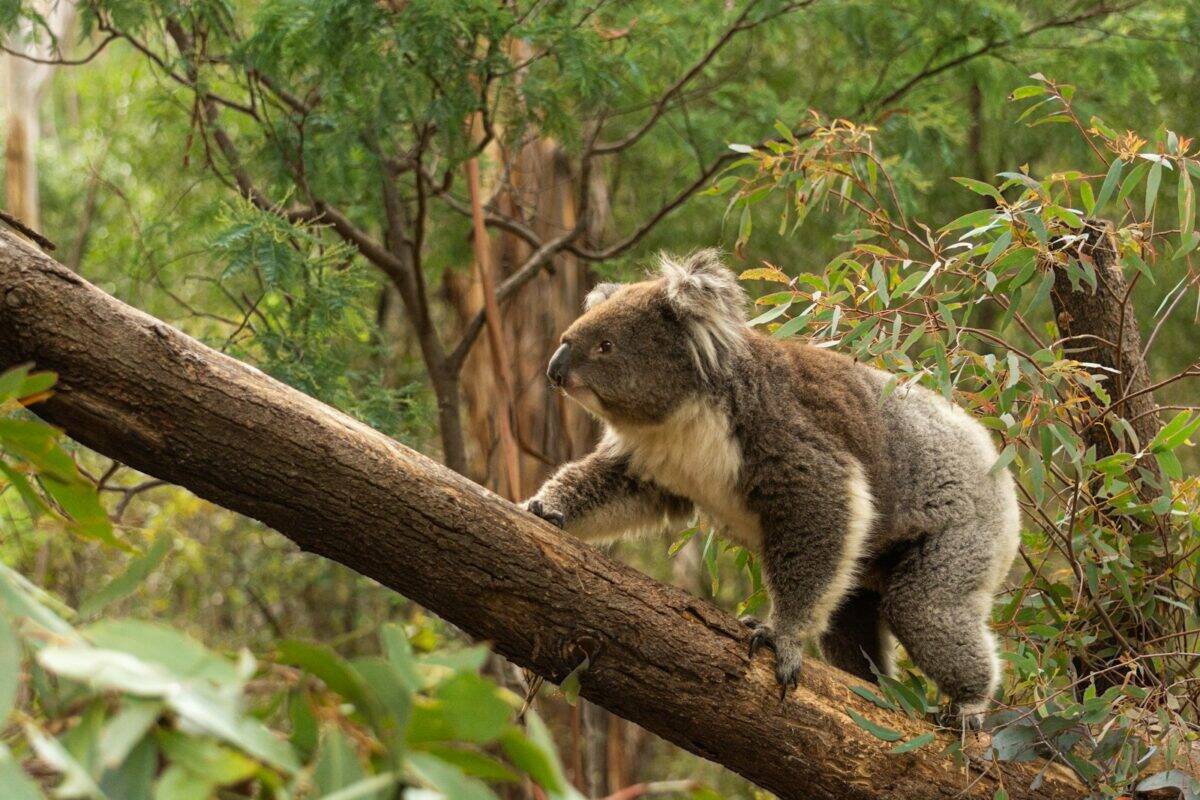
One of the most interesting aspects of koala scent communication is the practice of overmarking, where one individual deliberately scent-marks over the existing marks of another koala. This behavior represents a direct challenge to the original marker’s territorial claims and often leads to escalated conflicts between rivals. Dominant males frequently overmark the scent marks of subordinate individuals, effectively erasing their chemical signatures from the landscape.
The act of overmarking requires significant energy and resources, as koalas must produce fresh secretions and physically return to contested locations. This investment demonstrates the importance of scent communication in koala society and the competitive advantages that come with maintaining strong chemical presence in preferred territories. Overmarking battles can continue for days or weeks, with rivals repeatedly marking and remarking the same locations.
Some koalas develop sophisticated overmarking strategies, targeting the most prominent or strategically important scent marks while ignoring less significant ones. This selective approach suggests that koalas can assess the relative importance of different scent marks and allocate their marking efforts accordingly.
The Role of Scent in Mate Selection
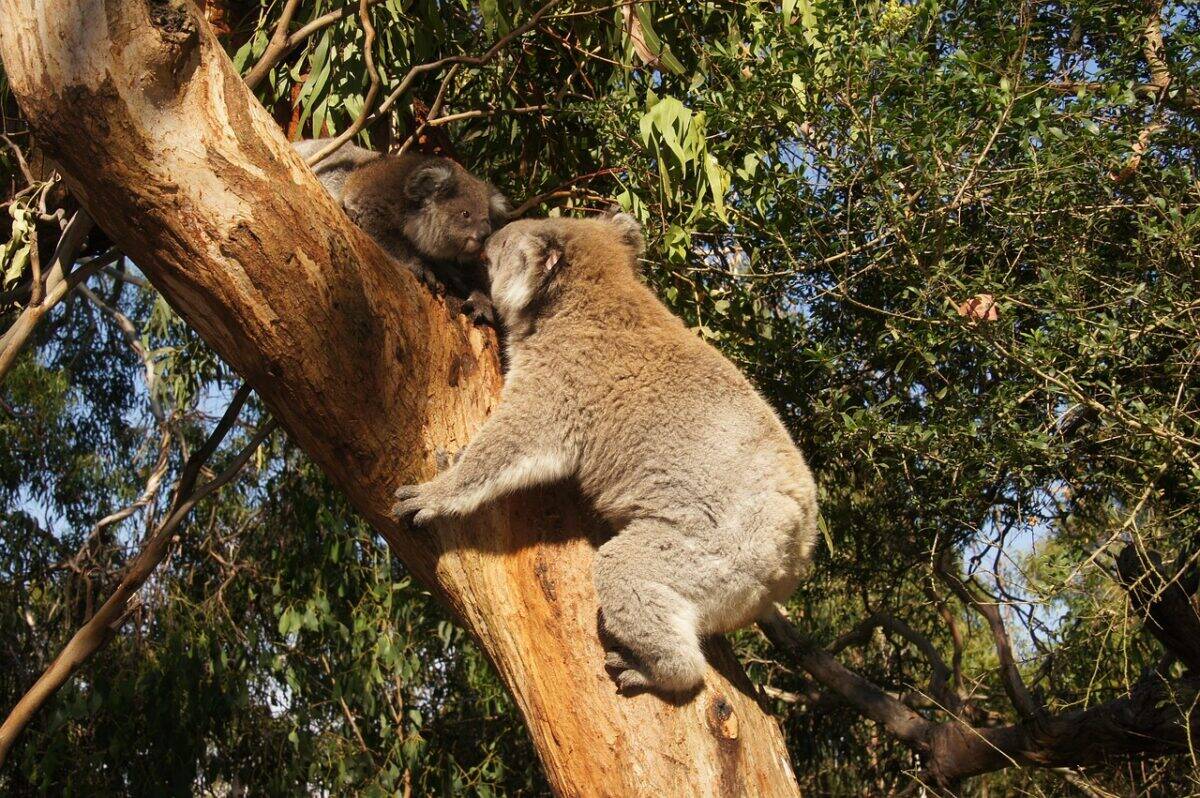
Female koalas use scent information as a crucial factor in mate selection, with research suggesting that they prefer males whose scent signatures indicate good health, genetic quality, and territorial dominance. The chemical composition of male scent glands can reveal information about immune system strength, diet quality, and overall fitness level. Females may travel considerable distances to investigate the scent marks of particularly attractive males.
Male koalas also assess potential mates through scent, using chemical cues to determine female reproductive status and receptivity. The ability to detect and interpret these subtle chemical signals helps males time their courtship efforts more effectively and avoid wasting energy on unreceptive females. This chemical courtship system helps ensure that mating occurs at optimal times for reproductive success.
The complexity of koala scent communication in mate selection suggests that chemical compatibility may be just as important as physical attributes in determining reproductive success. Pairs that are chemically compatible may have better breeding outcomes and stronger pair bonds during the brief koala mating season.
Scent Communication in Fragmented Habitats

Habitat fragmentation poses significant challenges to koala scent communication systems, as it disrupts the natural flow of chemical information between individuals and populations. When eucalyptus forests are divided by roads, developments, or cleared land, the scent networks that connect koala communities become broken and ineffective. This fragmentation can lead to social isolation and reduced breeding success among koala populations.
In fragmented habitats, koalas may need to travel greater distances to encounter potential mates or establish territories, making their scent communication systems less efficient. The edges of forest fragments may also experience different environmental conditions that affect scent dispersal and persistence. These challenges require koalas to adapt their marking behaviors and may favor individuals with more potent or long-lasting scent signatures.
Conservation efforts increasingly recognize the importance of maintaining connected habitats that allow for effective scent communication between koala populations. Wildlife corridors and habitat restoration projects aim to restore the natural flow of chemical information that is essential for healthy koala communities.
Stress and Its Impact on Scent Production
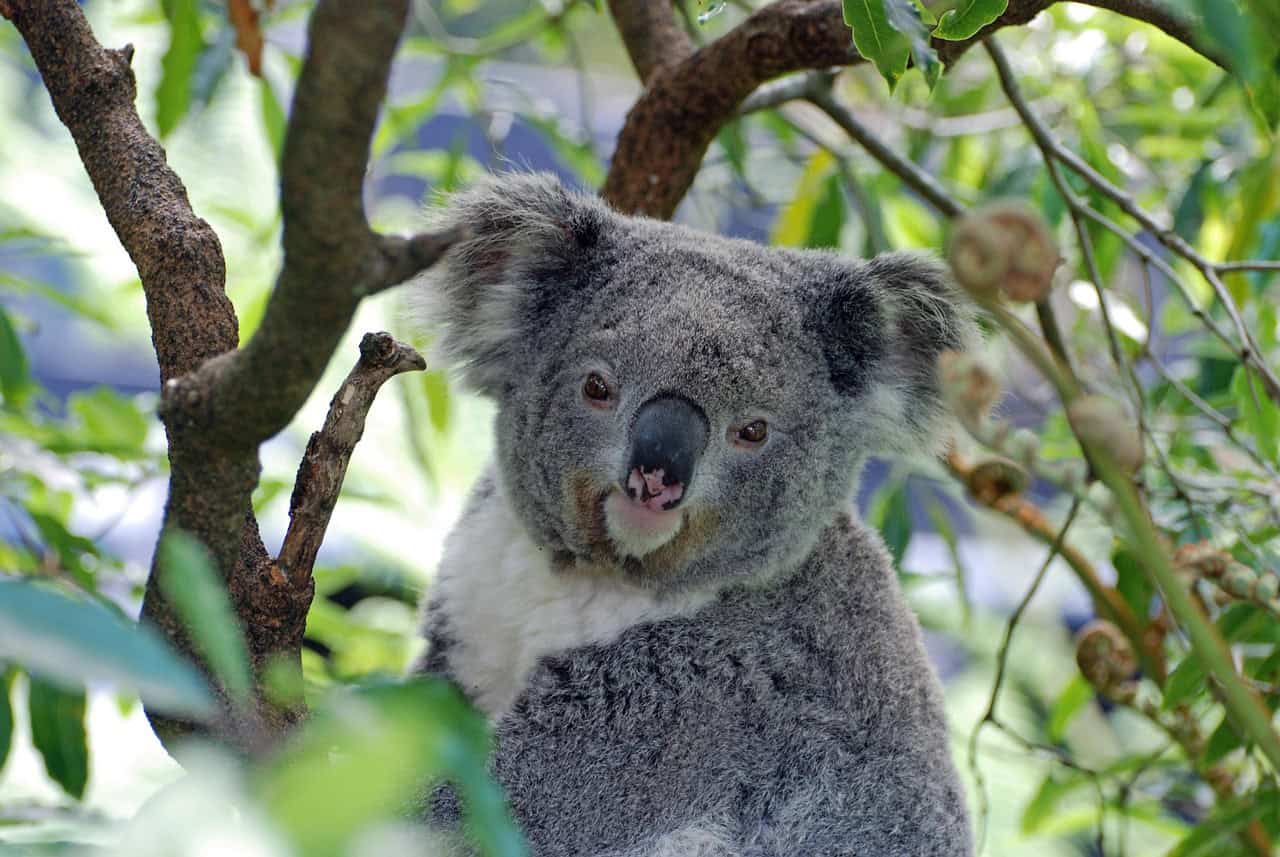
Stress significantly affects koala scent production, with stressed individuals often producing altered chemical signatures that may communicate their compromised condition to other koalas. Chronic stress from habitat loss, human disturbance, or disease can reduce the quality and quantity of scent gland secretions, potentially affecting an individual’s ability to maintain territories or attract mates. These stress-induced changes in scent chemistry may serve as early warning signals of population health problems.
Research has shown that koalas living in high-stress environments, such as urban edges or fragmented forests, may have different scent profiles compared to those in undisturbed habitats. These chemical differences could affect social interactions and breeding success, potentially contributing to population declines in disturbed areas. Understanding the relationship between stress and scent communication is crucial for koala conservation efforts.
The ability of koalas to detect stress-related changes in the scent of other individuals may also influence their social behaviors and habitat use patterns. Koalas may avoid areas where they detect high levels of stress-related chemicals, potentially leading to further concentration of populations in remaining high-quality habitats.
Future Research Directions

Scientists are continuing to uncover new aspects of koala scent communication, with modern analytical techniques revealing previously unknown chemical compounds and communication pathways. Advanced gas chromatography and mass spectrometry methods are identifying trace compounds that may play important roles in koala social behavior. These technological advances are opening new windows into the complex world of koala chemical communication.
Genetic research is also beginning to reveal the hereditary aspects of scent production, with some chemical signatures potentially being linked to specific genetic markers. This information could be valuable for conservation breeding programs and understanding the genetic health of koala populations. The intersection of genetics and chemical communication represents a promising frontier in koala research.
Climate change impacts on koala scent communication represent another important area of future research, as scientists work to understand how changing environmental conditions might affect these critical communication systems. This research will be essential for developing effective conservation strategies that account for the complex needs of koala chemical communication networks.
Conservation Implications

Understanding koala scent communication has significant implications for conservation efforts, as it highlights the importance of maintaining not just suitable habitat but also the social and chemical networks that connect koala populations. Conservation strategies must consider the spatial scales at which scent communication operates and ensure that protected areas are large enough to support complete scent communication networks.
The knowledge of koala scent communication also informs wildlife management practices, particularly in areas where human activities might disrupt chemical signaling systems. Road construction, urban development, and forest management activities can all interfere with scent communication networks, potentially requiring mitigation measures to maintain population connectivity. Wildlife corridors and habitat restoration projects are increasingly designed with scent communication requirements in mind.
Captive breeding programs for koalas are also beginning to incorporate knowledge of scent communication, recognizing that successful breeding may depend on providing opportunities for natural chemical interactions between individuals. This understanding is helping to improve the success rates of conservation breeding efforts and the eventual release of captive-bred koalas into wild populations.
Conclusion
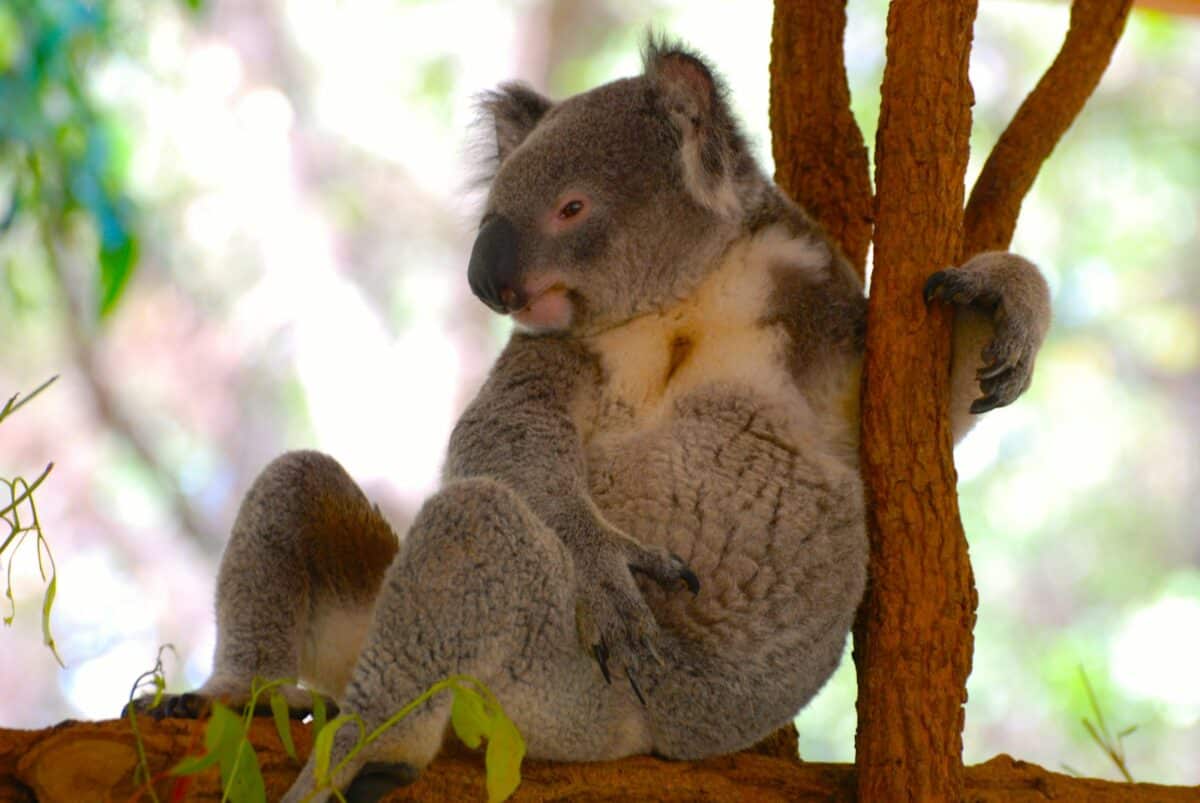
The intricate world of koala scent communication reveals a sophisticated biological system that operates largely beyond human perception but governs nearly every aspect of koala social life. From territorial disputes to mate selection, from mother-offspring bonds to seasonal breeding cycles, these chemical conversations shape the daily existence of every koala in Australia’s eucalyptus forests. As we face mounting conservation challenges, understanding these invisible networks becomes increasingly crucial for protecting not just individual koalas but the complex social structures that enable their survival.
The remarkable ability of koalas to communicate through scent represents millions of years of evolutionary refinement, creating a communication system that is both efficient and remarkably complex. As habitat fragmentation and climate change continue to threaten koala populations, preserving these chemical communication networks becomes as important as protecting the trees themselves. After all, what good is a perfect eucalyptus forest if the koalas living there can’t tell their neighbors from their enemies?

- What It’s Like to See Plankton Glow in Real Life - July 26, 2026
- Why Marine Iguanas Are at Risk—and How You Can Help - July 26, 2026
- 10 Sharks That Are Gentle Giants — And 7 That Aren’t So Friendly - July 25, 2026