
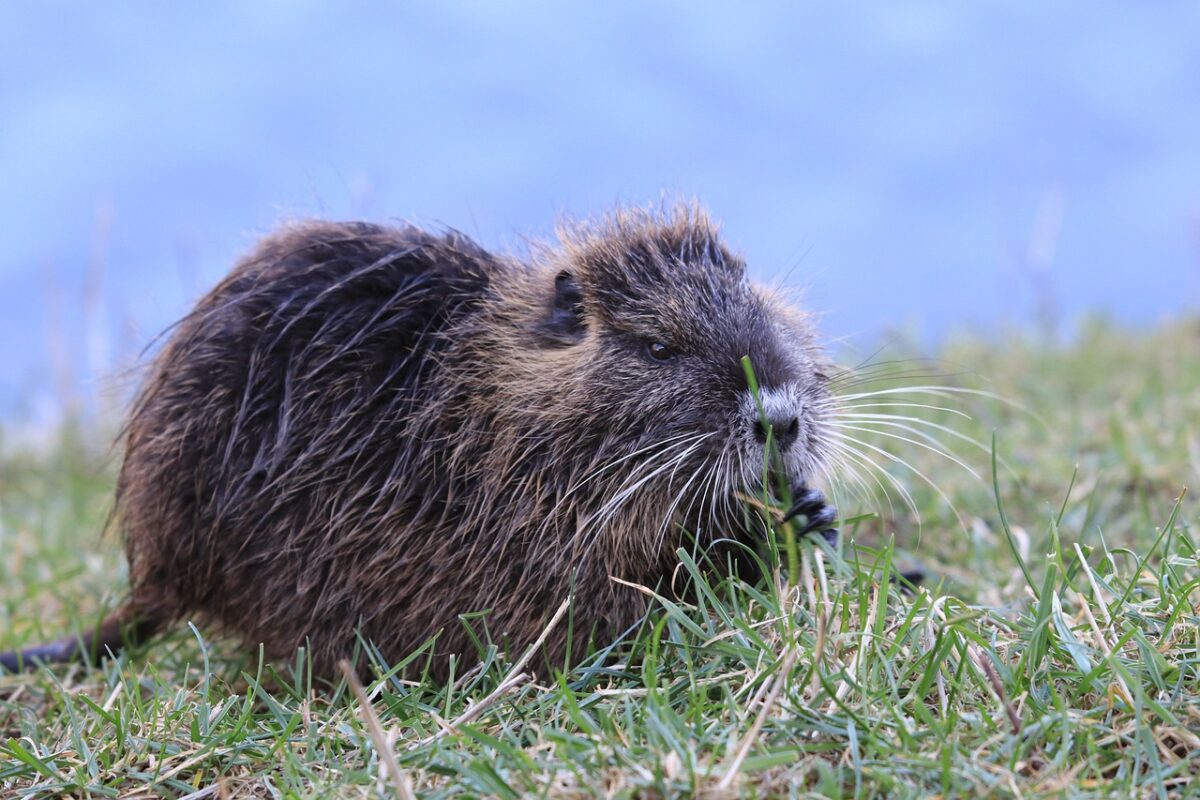
The semi-aquatic muskrat might seem like an unlikely hero in climate science, yet this stocky brown rodent is quietly revealing crucial information about environmental changes happening across North and South Carolina. These humble creatures, about the size of a rabbit and sporting distinctive vertically flattened tails, have become unwitting witnesses to the dramatic shifts occurring in their wetland homes.
Muskrats serve as an ecohydrologic indicator species and are highly sensitive to changing hydrologic conditions, making them perfect messengers for climate change impacts. Their behaviors, population patterns, and habitat preferences tell a compelling story about how rising temperatures and shifting precipitation patterns are reshaping Carolina wetlands. As the Carolinas get warmer and wetter, wetlands provide numerous benefits and services related to mitigating negative impacts of a changing climate.
Let’s dive into how these remarkable rodents are helping scientists understand and track the environmental changes transforming our landscapes.
Muskrat Population Patterns as Climate Indicators
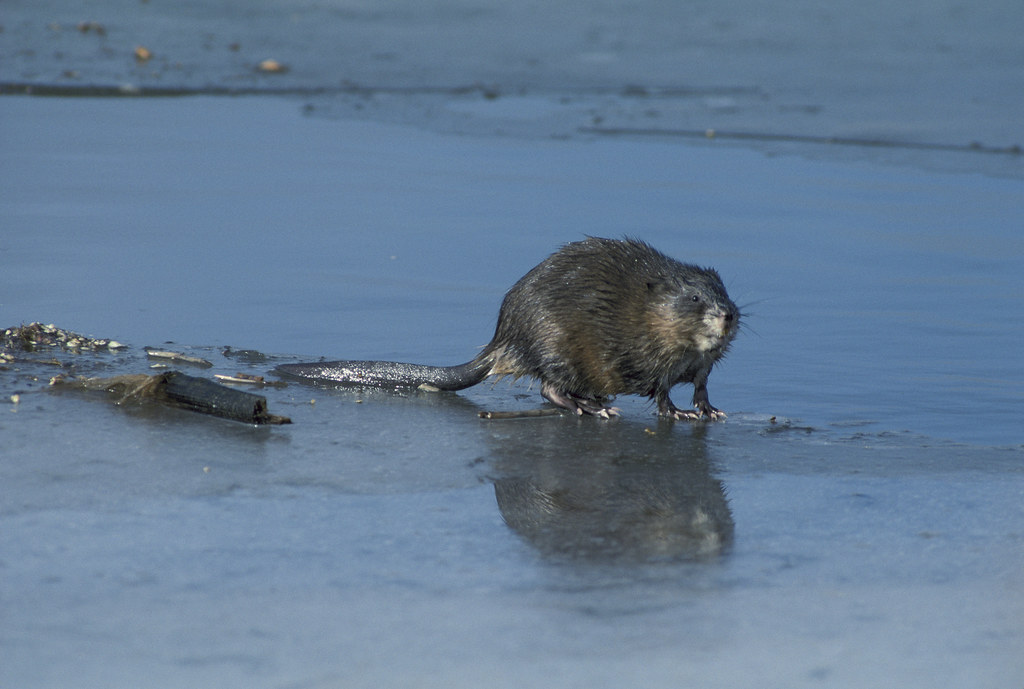
Muskrat populations have been experiencing regional declines in some areas of North America over recent years, and the Carolinas are no exception to this troubling trend. What makes muskrats particularly valuable as climate indicators is their cyclical population patterns that directly correlate with environmental conditions. Muskrat populations have always followed a boom-and-bust cycle, with their numbers crashing in dry years and peaking after major floods, but in recent decades the booms have been shrinking.
Wilson initiated several research studies from the 1940s through the 1960s to determine why the muskrat population was declining, examining the influence that certain factors, such as weather, predators and varying water levels, can have on muskrat populations. These historical studies provide crucial baseline data for understanding how current population changes relate to climate shifts. The dramatic swings in muskrat numbers serve as an early warning system for broader ecosystem disruption.
Water Level Dependencies and Climate Vulnerability
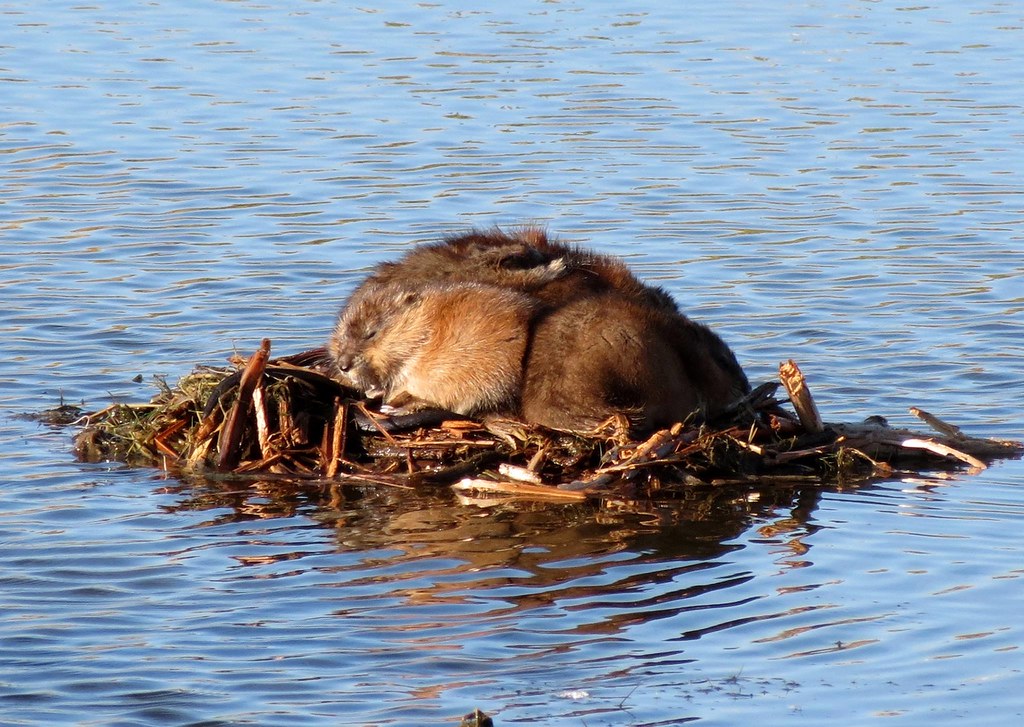
Muskrats require a permanent supply of water and are exceptionally vulnerable to changes in water availability. They are affected by quick changes in temperature, and dry, hot weather is especially bad for them. This dependency makes them living barometers for climate-related hydrological changes sweeping through the Carolinas.
The most important condition is a high winter water level, without it muskrats will burrow in river channels instead of build houses on floodplains. When climate patterns alter seasonal water cycles, muskrats must adapt their behavior, and these adaptations become visible indicators of environmental stress. Increased frequencies of drought associated with climate change could result in a decrease in habitat quantity and suitability for muskrat as wetland areas may dry out more consistently.
Migration Patterns Reveal Environmental Stress
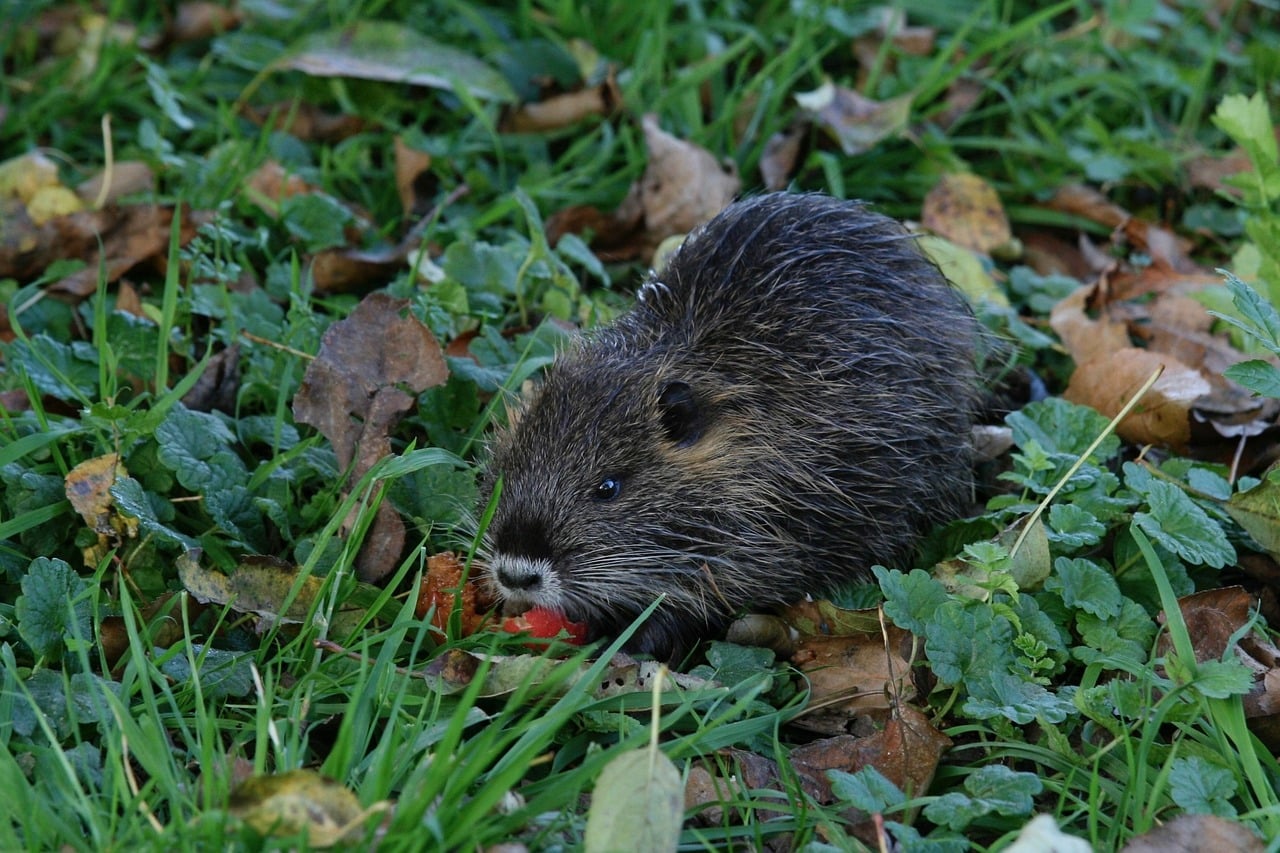
Perhaps one of the most dramatic behavioral indicators comes from muskrat movement patterns during environmental stress. During dry years, population size and density decreased while the number of individuals migrating through a given location increased, suggesting overcrowding in remaining patches of habitat drives long and perilous migrations in search of viable territory.
In one flood year, DNA from a pair of closely related muskrats turned up nearly 25 miles apart, suggesting that the animals can roam or be carried far in search of suitable habitat beyond their place of birth. These extraordinary migration distances reflect the animals’ desperate attempts to find suitable habitat in a changing landscape. The increased movement patterns serve as clear signals that traditional habitats are becoming unreliable due to climate-related changes.
Habitat Construction Changes Signal Environmental Shifts
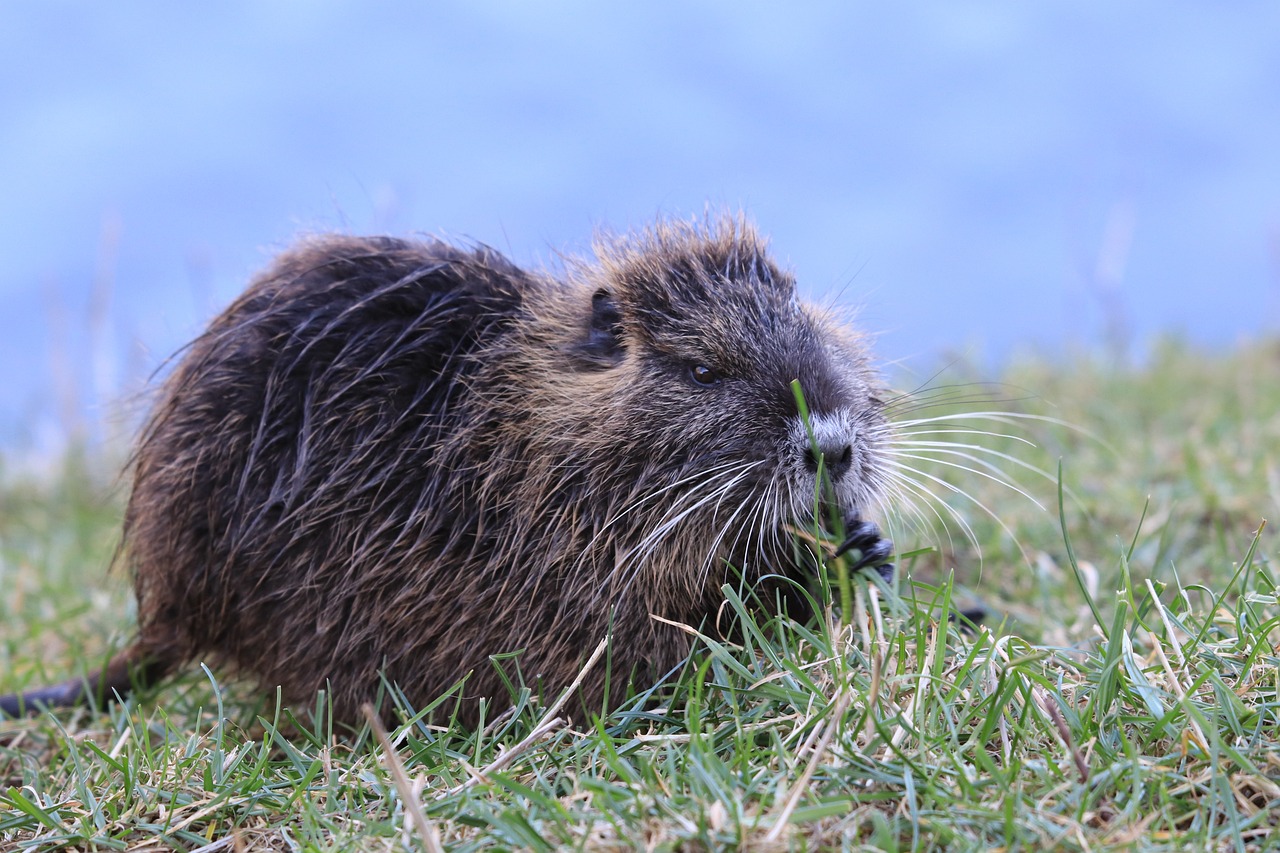
Muskrat engineering behavior provides another powerful indicator of climate change impacts. Low winter water decreases flood risk, but muskrats will not build houses then, meaning they cannot engineer their environment and diversify the plant community. This behavioral shift has cascading effects throughout the wetland ecosystem.
In wetlands where passive weirs were constructed to raise water levels, they colonize areas further into the wetlands, but only in years in which the weirs were operational due to the deeper average winter water level expanding available habitat. The presence or absence of muskrat lodges becomes a visible marker of water level stability. When climate patterns disrupt these water levels, the resulting changes in muskrat construction behavior become immediate indicators of environmental stress.
Carolina-Specific Habitat Distribution Patterns

In the Carolinas specifically, muskrats show distinctive distribution patterns that reflect regional climate conditions. South Carolina populations are found primarily in the Piedmont and in the northeastern section of the upper Coastal Plain. Muskrats are found throughout North Carolina but are rare in coastal areas of southeastern North Carolina.
The reasons are not fully understood, but high salinity and tidal fluctuations may be responsible for their absence from coastal areas. Climate change is intensifying these conditions through sea level rise and increased storm intensity, potentially pushing the edge of muskrat habitat further inland. In North Carolina and around Raleigh, you will find them near many rivers, creeks, ponds, and lakes, mostly in the Piedmont-area.
Ecosystem Engineering as Environmental Health Indicators
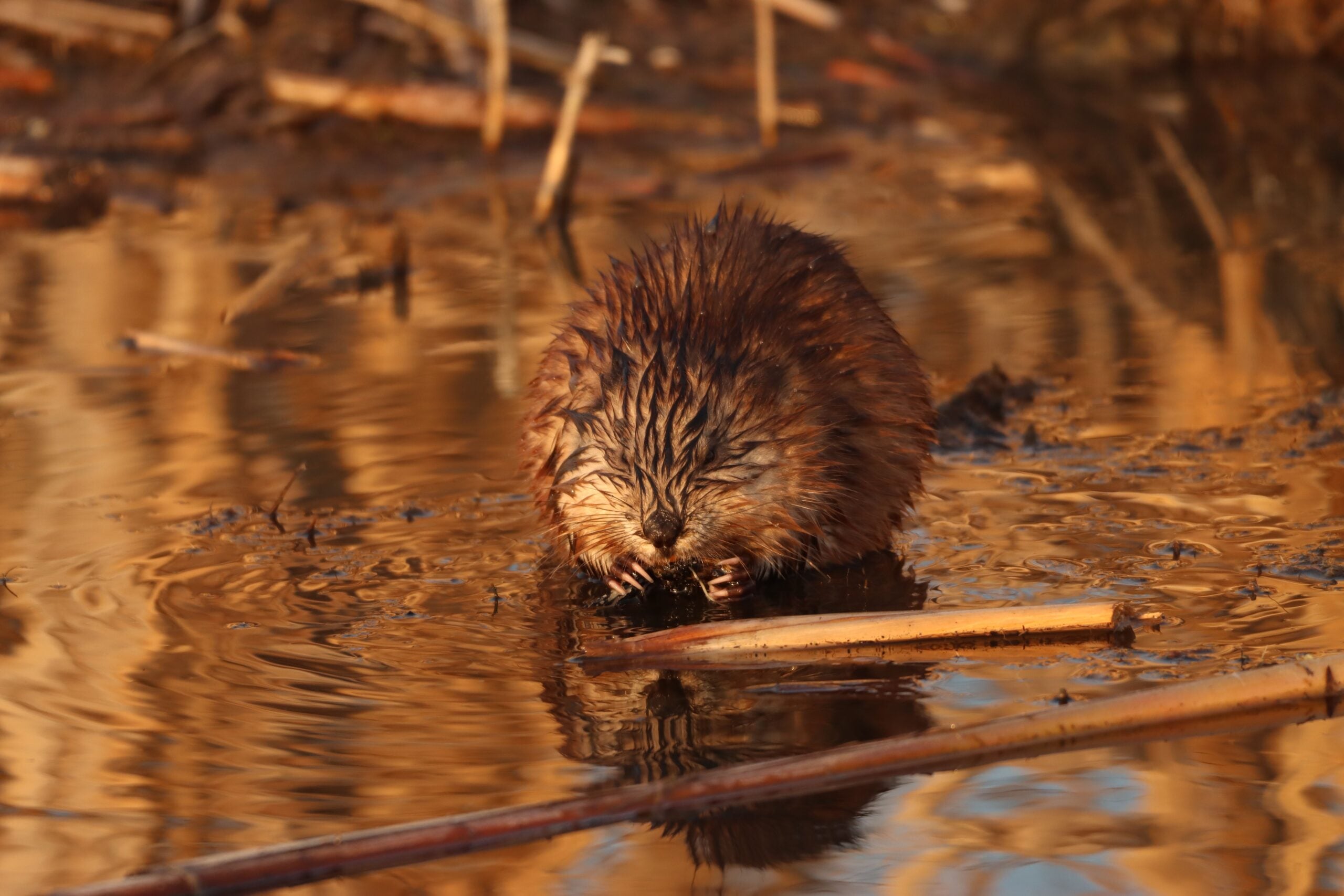
Biotic ecosystem engineers are increasingly recognized as important drivers of biodiversity, structure, and function in many ecosystems. Muskrats fill this crucial role in Carolina wetlands, and their ability to perform ecosystem engineering functions serves as an indicator of overall environmental health. This study demonstrates that muskrat disturbance influences wetland plant diversity at scales relevant to regional drivers of plant diversity.
Multivariate analysis indicated a distinct plant community associated with muskrat disturbances. When climate change disrupts muskrat populations or behaviors, these plant community changes become visible indicators of broader ecosystem stress. The health of muskrat populations directly correlates with the health of the entire wetland ecosystem they engineer.
Food Web Disruption Signals Broader Climate Impacts
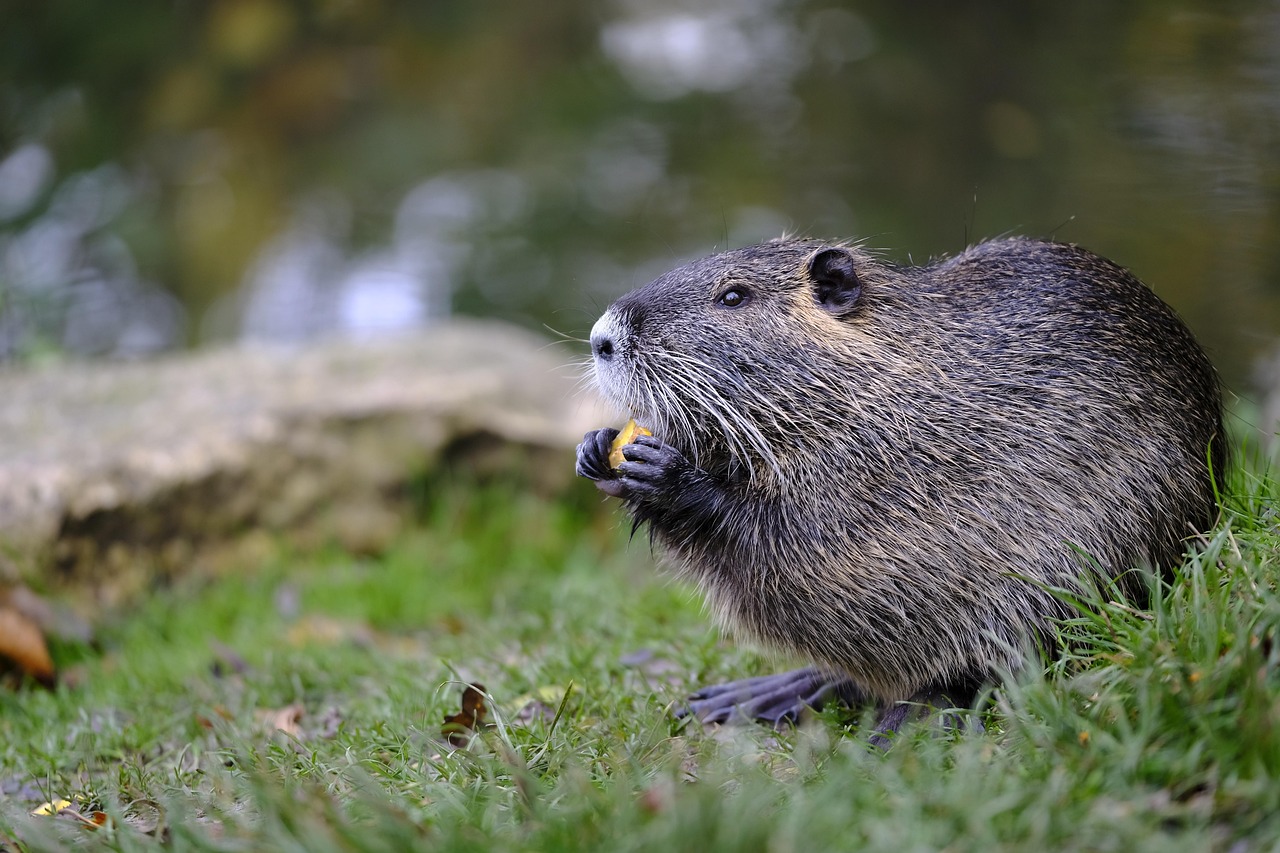
If it continues, the decline of muskrat in the region will have impacts throughout the food chain, as muskrat are prey to many animals, including lynx, fox and mink. Muskrat behavior changes ripple through entire food webs, making them excellent indicators of climate change effects on ecosystem stability. They graze intensively on plants near the shore, strongly influencing plant life in the area and providing prey for fox, lynx, mink and other predators.
Wetlands are one of the most productive and biodiverse habitats, with a disproportionately high number of plant and animal species living or breeding in wetlands, with approximately half of all Endangered Species Act species in the United States being wetland dependent. Changes in muskrat behavior and populations serve as early warning indicators for potential disruptions to these critical biodiversity hotspots.
Carolina Wetland Systems Under Climate Pressure
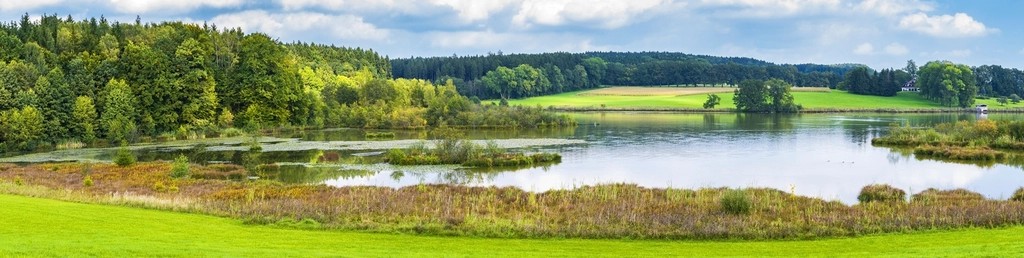
In North and South Carolina, the National Wetlands Inventory estimates there are over 10 million acres of wetlands, accounting for about 18% of the land area in North Carolina and approximately 23% of South Carolina. These vast wetland systems are experiencing unprecedented pressure from climate change, and muskrat behavior provides critical insights into how these changes are progressing.
Wetlands sequester carbon, cool the landscape, protect against storm damage, and mitigate flooding as rainfall increases and sea levels rise. However, the high intensity of human development has led to a dramatic decline of wetlands in recent decades, combined with climate change and other stressors such as systematic water regulation and species invasions. Muskrat behavioral changes serve as real-time monitors of these combined pressures on Carolina wetland systems.
Conclusion
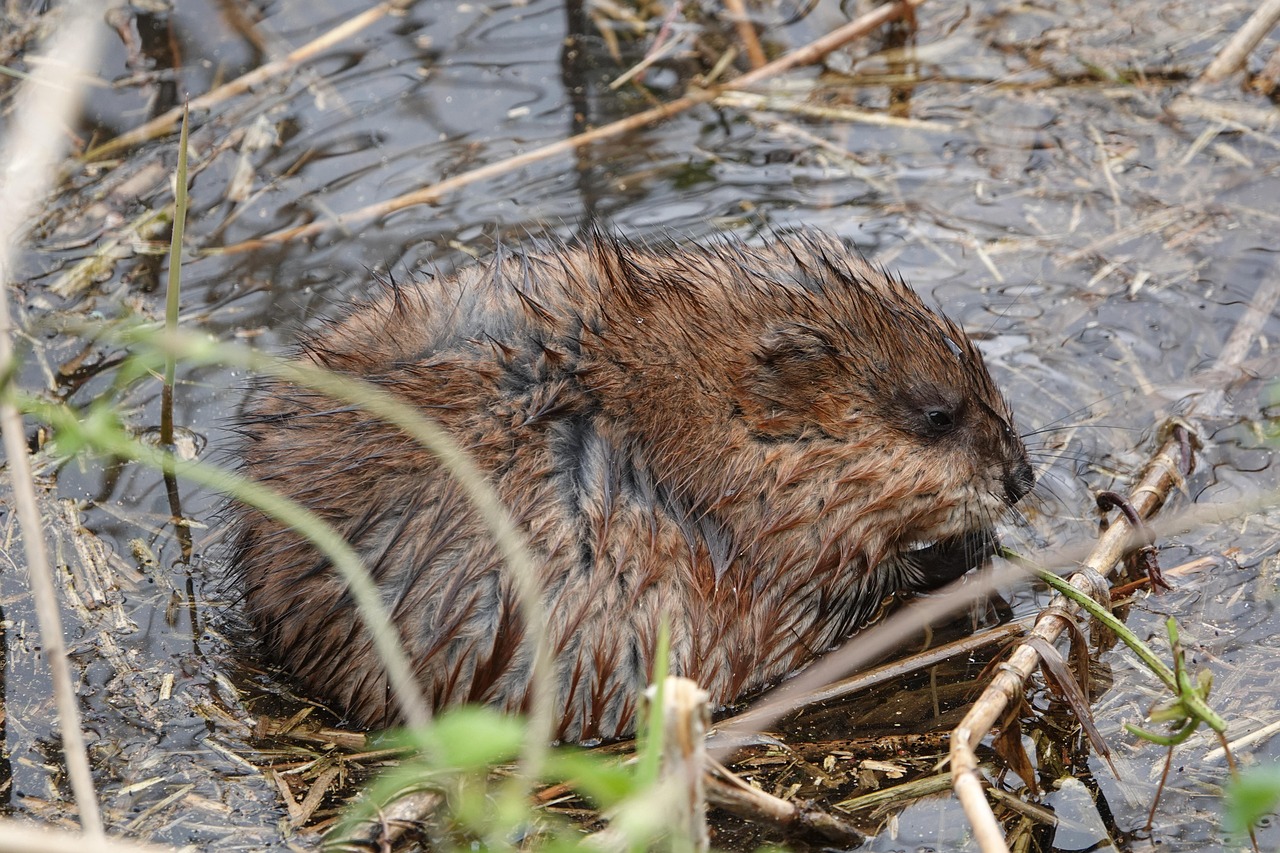
The humble muskrat has emerged as an unlikely but invaluable sentinel for climate change impacts across the Carolinas. From their boom-and-bust population cycles to their intricate habitat engineering behaviors, these semi-aquatic rodents provide scientists with a living laboratory for understanding how environmental changes ripple through wetland ecosystems.
Their sensitivity to water level changes, temperature fluctuations, and seasonal patterns makes them perfect biological indicators of climate stress. They’re a bit of a canary in a coal mine. As we continue to face the challenges of a changing climate, monitoring muskrat behavior and populations will remain crucial for understanding and adapting to environmental transformations in the Carolinas.
What do you think about these small creatures playing such a big role in climate science? Tell us in the comments.

- 12 Animals That Have Mastered the Art of Camouflage - July 22, 2026
- 12 Bizarre US Animals You Didn’t Know Existed In Your Backyard - July 22, 2026
- 10 Things Golden Retrievers Do That Melt Senior Hearts - July 22, 2026