

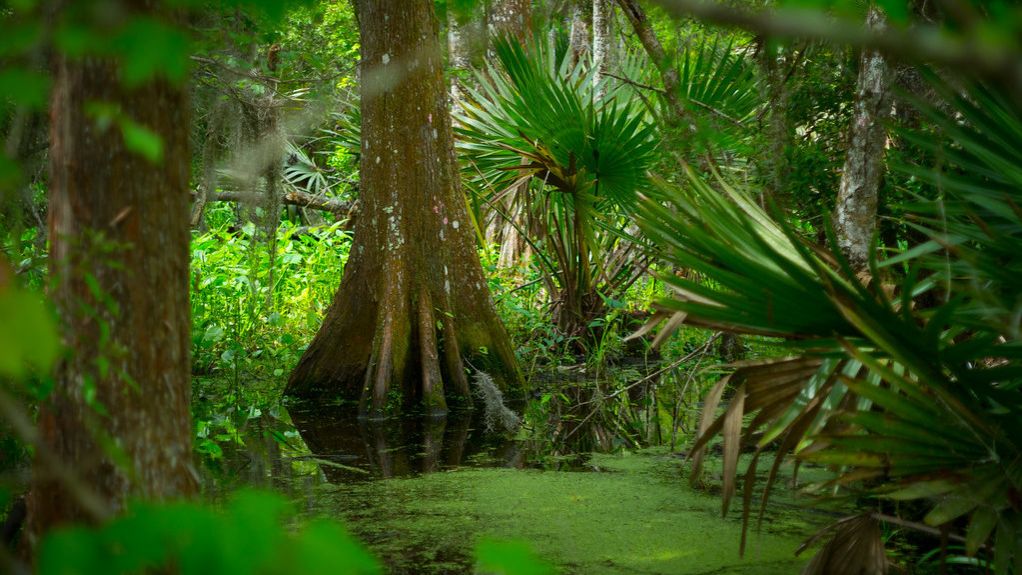
Tropical forests are some of the most complex, breathtaking ecosystems on Earth. They teem with life, store enormous amounts of carbon, and help regulate the global climate in ways we’re still trying to fully understand. So when they get damaged – by logging, fire, or land clearing – the consequences ripple outward in ways that affect all of us.
Here’s the thing though: forests don’t always need our help to come back. Sometimes nature has its own toolkit, and one of the most underestimated tools in that kit is a group of trees capable of pulling nitrogen straight from the air. What they do with it, and why it matters for forest recovery, is honestly more fascinating than most people realize. Let’s dive in.
The Quiet Powerhouses of Forest Recovery

Imagine planting a garden in completely exhausted soil with barely any nutrients left. You’d struggle to grow much of anything. That’s exactly the situation a tropical forest faces after deforestation or severe disturbance. The soil becomes nutrient-depleted, compacted, and hostile to new growth.
Nitrogen-fixing trees are a rare kind of biological solution to this problem. They belong to a group called legumes, and they form a partnership with soil bacteria that allows them to convert atmospheric nitrogen into a usable form for plants. Think of them as living fertilizer factories, quietly enriching the ground beneath them with every passing season.
What the Research Actually Found
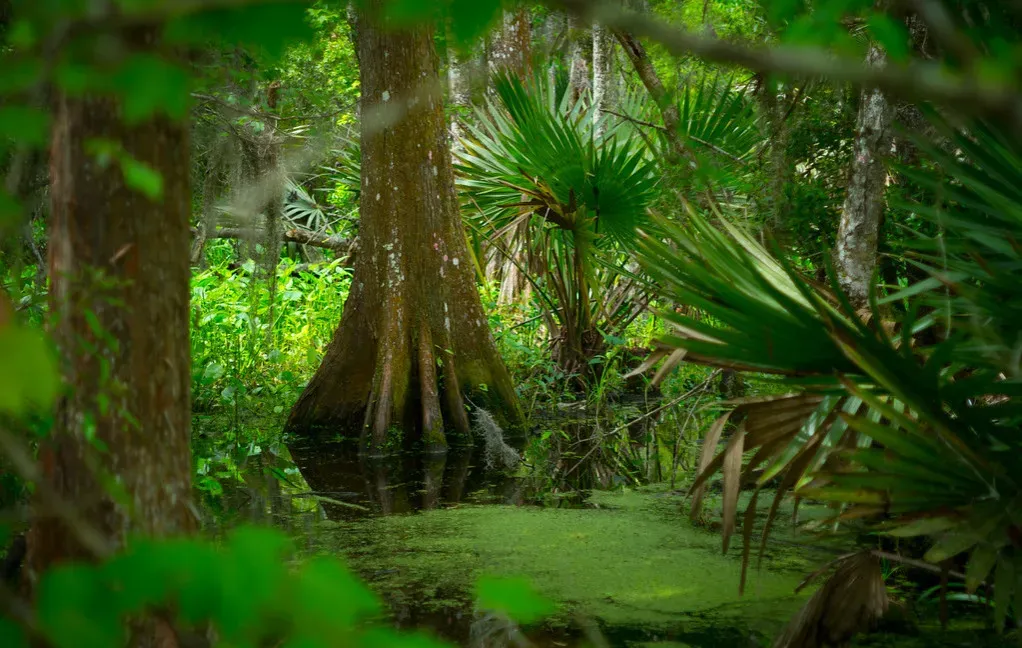
A study published by researchers working across tropical forest sites revealed something genuinely striking. Nitrogen-fixing trees don’t just survive in degraded forest patches – they actively accelerate the recovery of the broader ecosystem around them. Their presence speeds up the return of other tree species, soil microbes, and eventually the canopy structure itself.
What makes this finding particularly exciting is the scale of the effect. It’s not a marginal improvement. The forests recovering near nitrogen-fixing species showed notably faster accumulation of biomass compared to those without them. That’s a big deal when you consider how slowly most tropical forests regenerate after serious disturbance.
The Nitrogen Problem That Most People Never Think About
Nitrogen is the backbone of proteins, DNA, and essentially all living matter. Yet despite making up roughly about four-fifths of the air we breathe, most plants can’t access it in its atmospheric form. They need it converted first, typically through microbial activity in the soil.
In degraded soils, that microbial community is often severely disrupted. The ecosystem essentially loses its nitrogen pipeline. This is why certain disturbed tropical areas can stay barren and scrubby for decades – not because trees don’t want to grow, but because the chemical foundation they need simply isn’t there anymore. Nitrogen-fixing trees essentially rebuild that foundation from scratch.
How These Trees Change the Soil Around Them
When nitrogen-fixing trees shed leaves, drop branches, or lose roots, they’re depositing nitrogen-rich organic matter into the surrounding soil. Over time, this enrichment doesn’t stay local to just one tree. It spreads outward as the organic material decomposes and as water carries dissolved nutrients through the ground.
Other plant species that move into the area then benefit from this improved soil chemistry without having done anything themselves to create it. It’s a bit like a pioneer moving into a rough neighborhood and slowly, steadily making it livable for everyone who follows. Honestly, it’s one of nature’s more generous arrangements.
Why This Matters for Forest Restoration Efforts
Global forest restoration is a massive priority right now. Commitments to restore hundreds of millions of hectares of degraded land have been made at international climate summits. The challenge has always been: how do you actually get forests to grow back quickly enough to matter for climate goals?
This research suggests that strategically planting nitrogen-fixing trees could serve as a critical head start for restoration projects. Rather than waiting decades for soil fertility to slowly recover on its own, restoration teams could actively seed these species into degraded areas to accelerate the whole process. It’s not a silver bullet, but it might be close to one.
The Species That Do the Heavy Lifting
Not every tree in the legume family fixes nitrogen with the same efficiency. Some species are far more effective than others, and the local ecology matters enormously. The right nitrogen-fixer in the wrong region could fail to establish or even disrupt existing native plant communities.
Research in this area is increasingly pointing toward the importance of matching specific nitrogen-fixing species to specific regional ecosystems. A species thriving in Central American forest recovery might be entirely wrong for Southeast Asian restoration sites. This kind of ecological precision is something the science is still working to refine, and it’s one of the more genuinely complex challenges ahead.
A Turning Point for How We Think About Forest Resilience
For a long time, the dominant view in conservation circles was that protecting intact forests was all that really mattered. Degraded forests were often written off as too difficult or too slow to recover meaningfully. This research challenges that pessimism in a pretty direct way.
The discovery that certain native tree species can catalyze ecosystem recovery at a meaningful pace changes the math on restoration. It also shifts attention toward understanding the biological relationships within forests rather than just the trees themselves. I think that’s the deeper lesson here: forests aren’t just collections of trees. They’re networks, partnerships, and chemical conversations happening at every level of the soil and canopy simultaneously.
Conclusion: Nature’s Blueprint Is Already Written
The science around nitrogen-fixing trees is a powerful reminder that ecosystems often carry the seeds of their own recovery. They don’t always need us to engineer a solution from scratch. Sometimes the most valuable thing we can do is understand what nature already knows, and then get out of the way – or better yet, lend it a hand by planting the right species in the right places.
What this research gives us is something genuinely hopeful in a field that often feels defined by loss. Tropical forests have been absorbing punishment for decades. The fact that certain trees can help them fight back faster than we ever expected is worth sitting with for a moment. It changes what’s possible.
What do you think – should nitrogen-fixing trees become a cornerstone of global forest restoration policy? Share your thoughts in the comments below.

- Urban Coyotes Show Remarkable Adaptability, Learning to Thrive in City Environments - July 22, 2026
- Beavers Are Nature’s Engineers, Creating Vital Habitats for Other Wildlife Species - July 21, 2026
- The Recovery of the California Condor Offers Hope for Other Critically Endangered Birds - July 21, 2026