


Prairie dogs, often misunderstood and overlooked, play a crucial role in maintaining and restoring the ecological balance of American grasslands. These small yet industrious rodents are seen by some as pests, but their presence and activities are fundamental to the health and vitality of these ecosystems. By understanding the integral part they play, we can better appreciate and support their critical role in grassland restoration.
Understanding Prairie Dogs: An Introduction
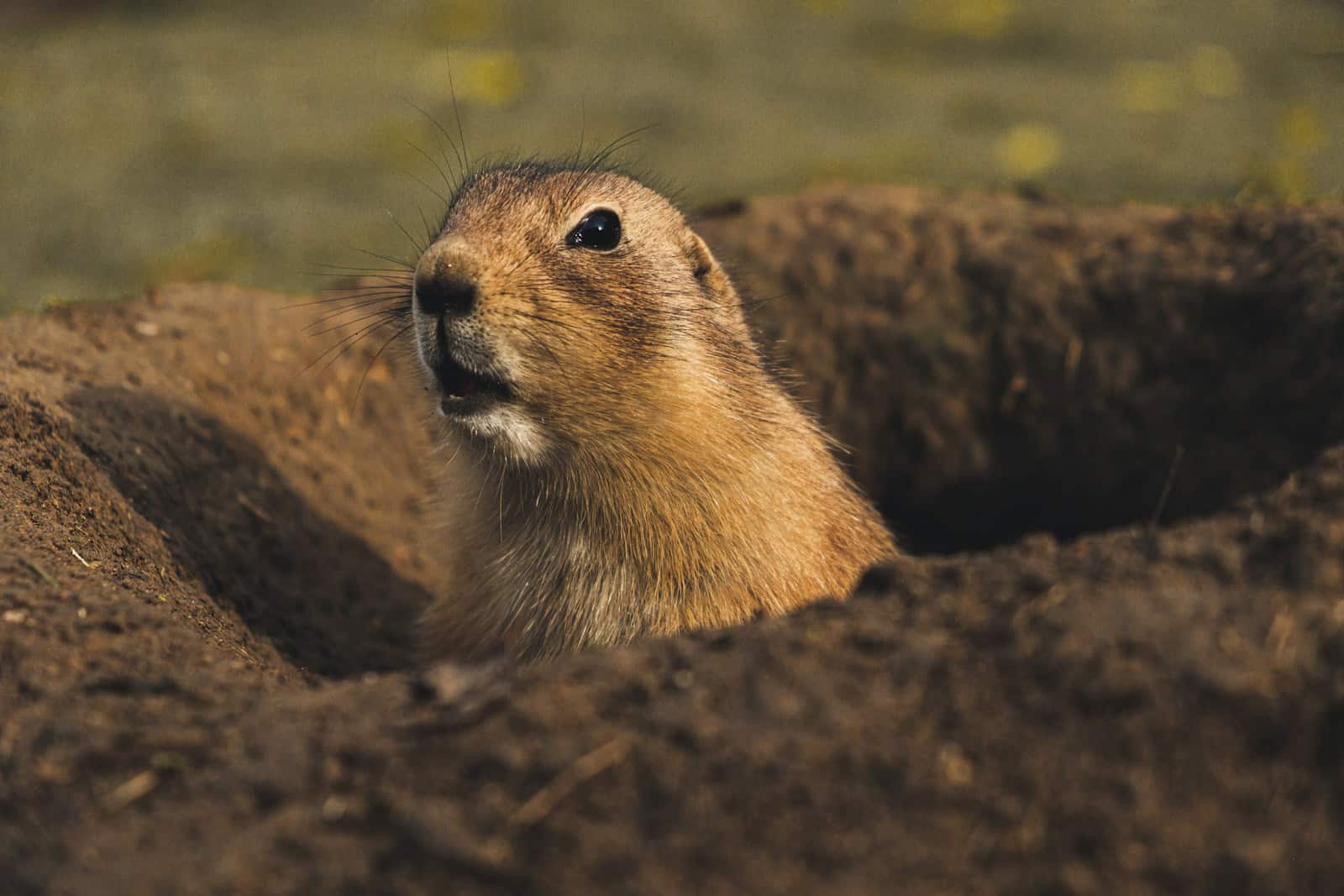
Prairie dogs are small, burrowing rodents native to North America. Belonging to the genus Cynomys, they are part of the squirrel family and are known for their intricate social structures and vocal communication. Despite their name, prairie dogs are not dogs; they’re given the name due to their bark-like calls. There are five species of prairie dogs, with the black-tailed prairie dog being the most prevalent across American grasslands.
Prairie Dog Colonies and Their Impact on the Ecosystem

Prairie dogs live in large colonies, also known as “towns,” which can cover extensive areas. These colonies facilitate incredible ecological interactions by fostering biodiversity. Their burrowing alters the landscape, creating habitats for other species, such as burrowing owls and black-footed ferrets, that rely on these areas for shelter and food.
A Keystone Species in Grassland Ecosystems

Referred to as a keystone species, prairie dogs have a disproportionate impact on their environment relative to their abundance. Their activities shape the structure and function of grassland ecosystems, which more than 130 other species depend on. Removal of prairie dogs often results in declines or losses of these dependent species, underlining their ecological significance.
Prairie Dogs and Soil Health
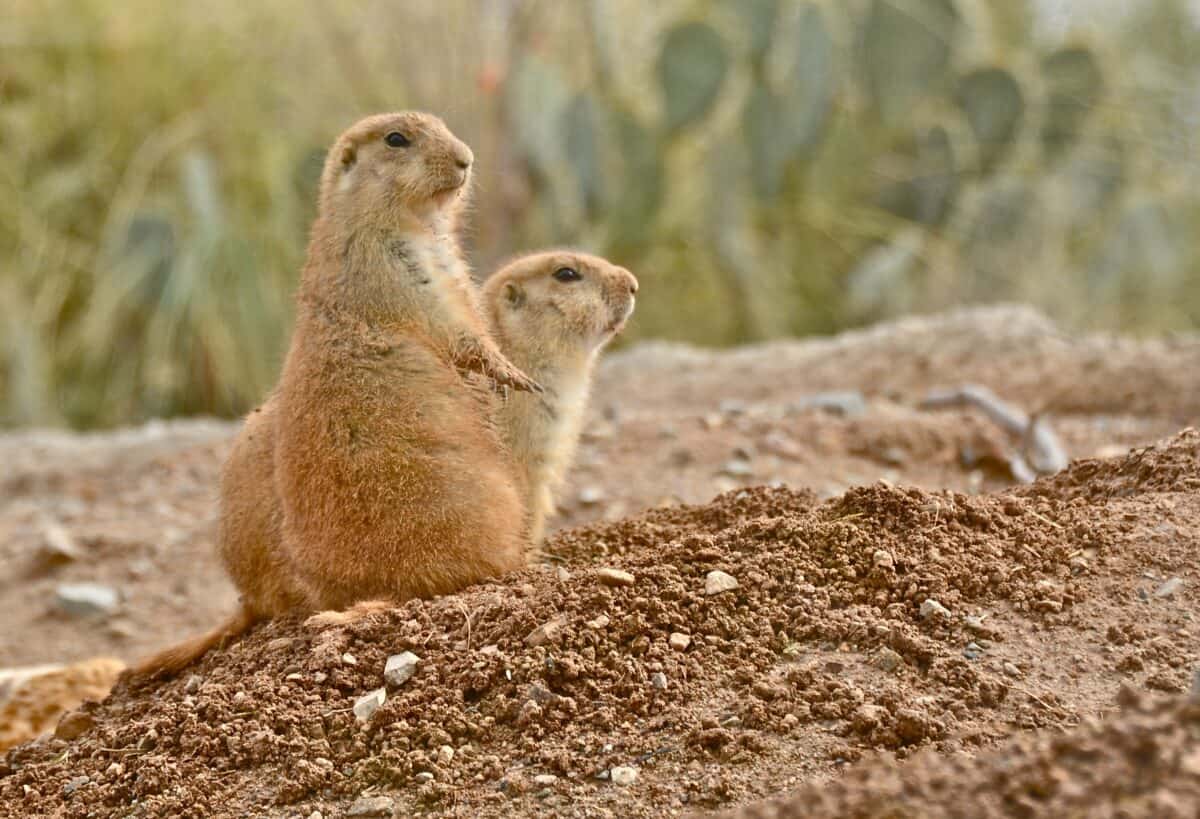
The burrowing behaviors of prairie dogs are instrumental in enhancing soil health. By continually turning over soil, they aerate and mix it, promoting the growth of plants and grasses. This process increases water infiltration and reduces compaction, benefiting the entire plant community by improving root penetration and nutrient cycling.
Vegetation Management through Grazing
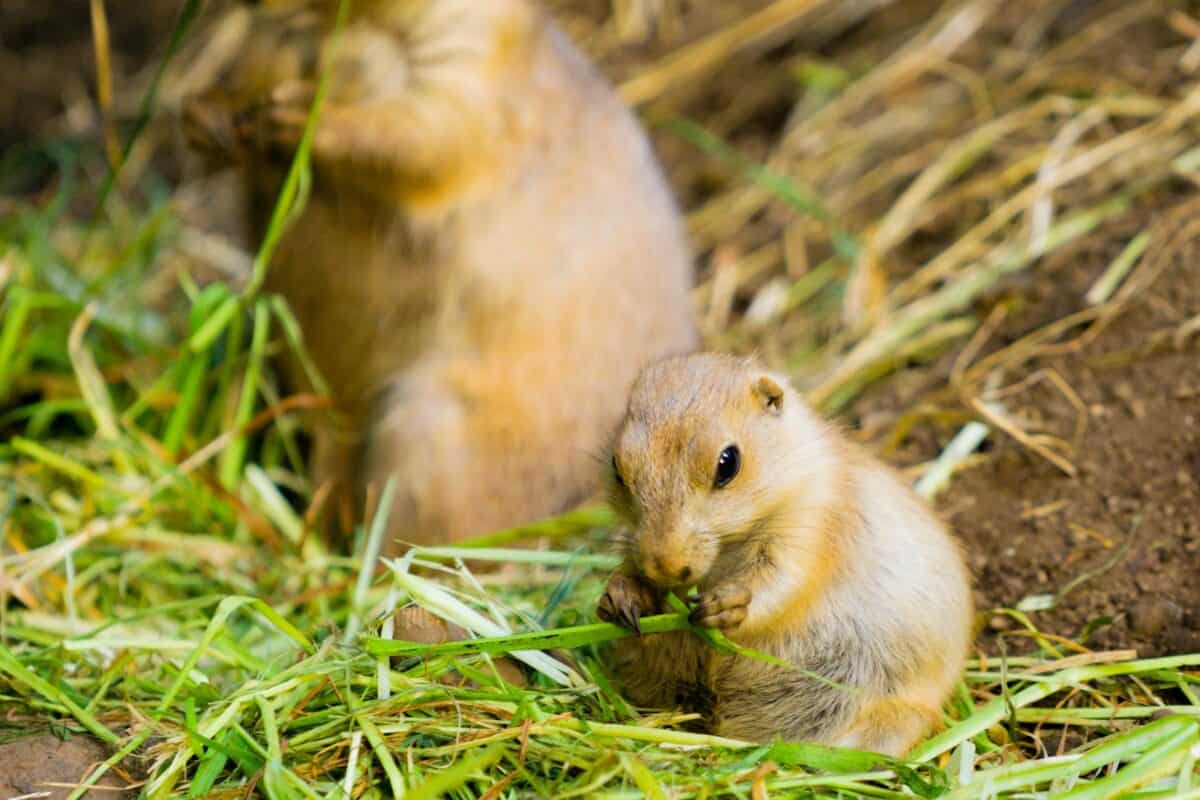
Prairie dogs graze on grasses and plants, and their feeding habits help control vegetation and maintain grassland health. By selectively grazing, they promote the growth of native plants and halt the spread of invasive species. Their presence ensures that no single plant species dominates, thus supporting a diverse and balanced plant community.
Nutrient Redistribution
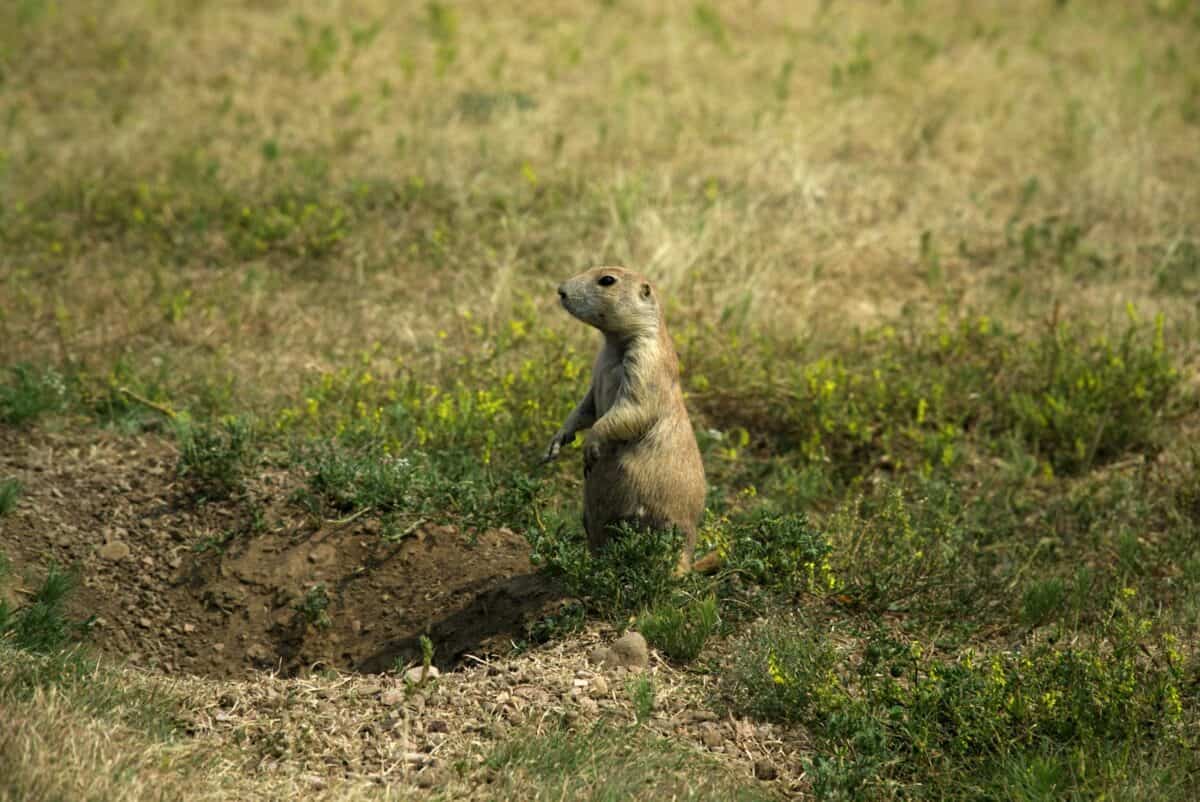
As prairie dogs dig, they bring subsoil and nutrients to the surface, redistributing these throughout their colonies. This activity contributes to a more heterogeneous nutrient landscape, enriching the soil and fostering an environment conducive to robust plant growth.
Facilitating Water Absorption and Reducing Erosion

The burrow systems of prairie dogs serve important hydrological functions. By creating channels that capture and direct rainwater, their burrows assist in water absorption and reduce surface runoff. This action minimizes soil erosion and helps conserve water, critical for sustaining plant life during dry spells.
Maintaining Biodiversity
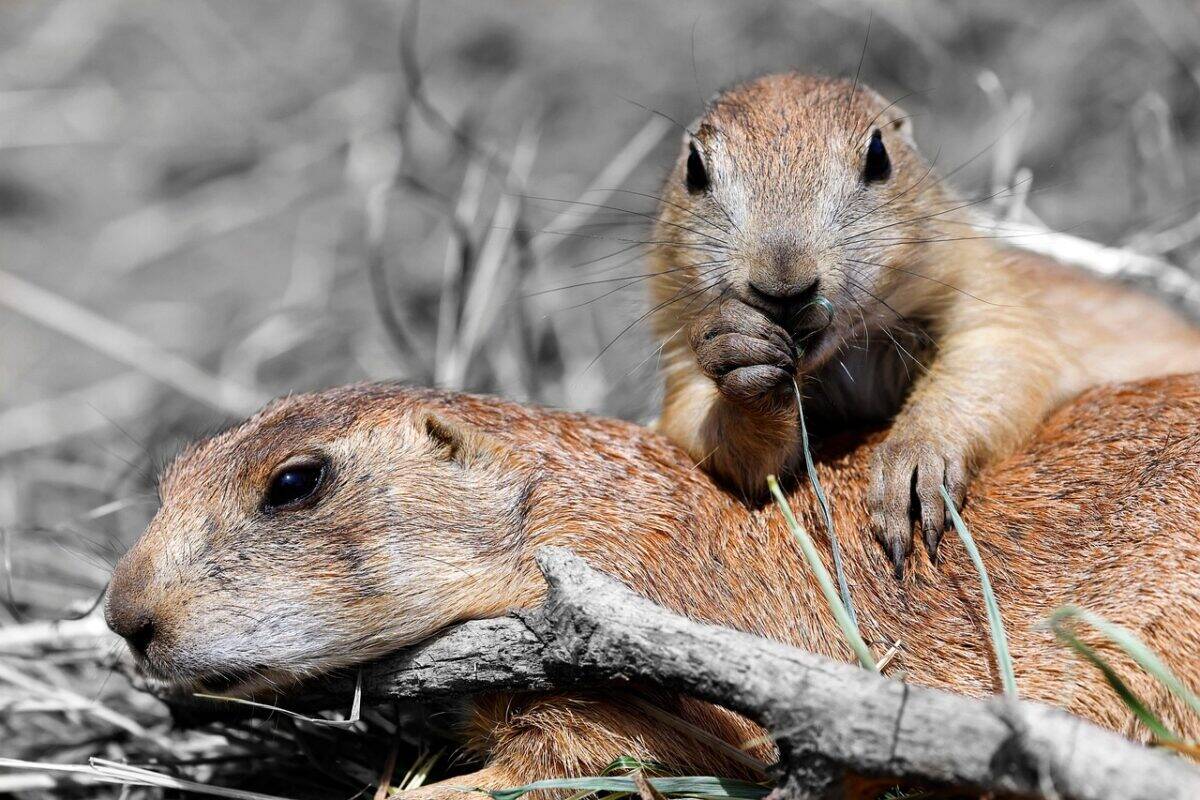
Prairie dog colonies function as microhabitats supporting a variety of insect and vertebrate species. By providing food resources and shelter, they allow for a higher number of species to coexist in the grasslands, thus fostering biodiversity. This biodiversity is crucial for maintaining resilience against environmental changes and disturbances.
The Relationship with Predators

Prairie dogs are a crucial food source for many predators, such as coyotes, hawks, eagles, and the endangered black-footed ferret. By supporting the survival of these predators, prairie dogs help maintain the balance of food webs in grassland ecosystems.
Pioneers of Grassland Restoration Projects

Conservationists have increasingly recognized prairie dogs’ role in grassland restoration projects. Initiatives to protect and reintroduce prairie dog populations have gained momentum, as their ecological impact offers a sustainable method of restoring degraded grasslands to their natural state.
Challenges and Conservation Efforts
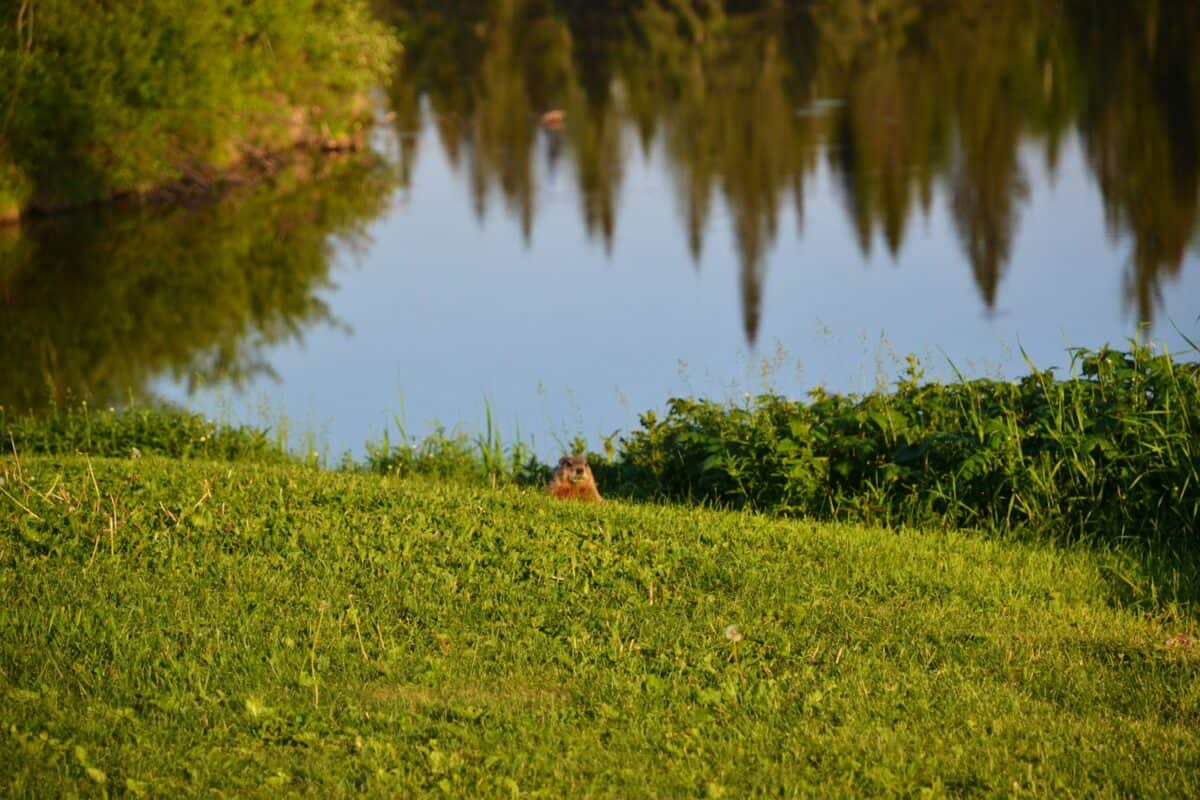
Despite their ecological importance, prairie dogs face challenges such as habitat loss, disease, and human conflict. Conservation efforts focus on protecting prairie dog habitats and encouraging public education about their benefits to the ecosystem. Organizations work to develop management practices that foster coexistence between prairie dogs and agricultural interests.
The Future of Prairie Dogs and Grassland Restoration
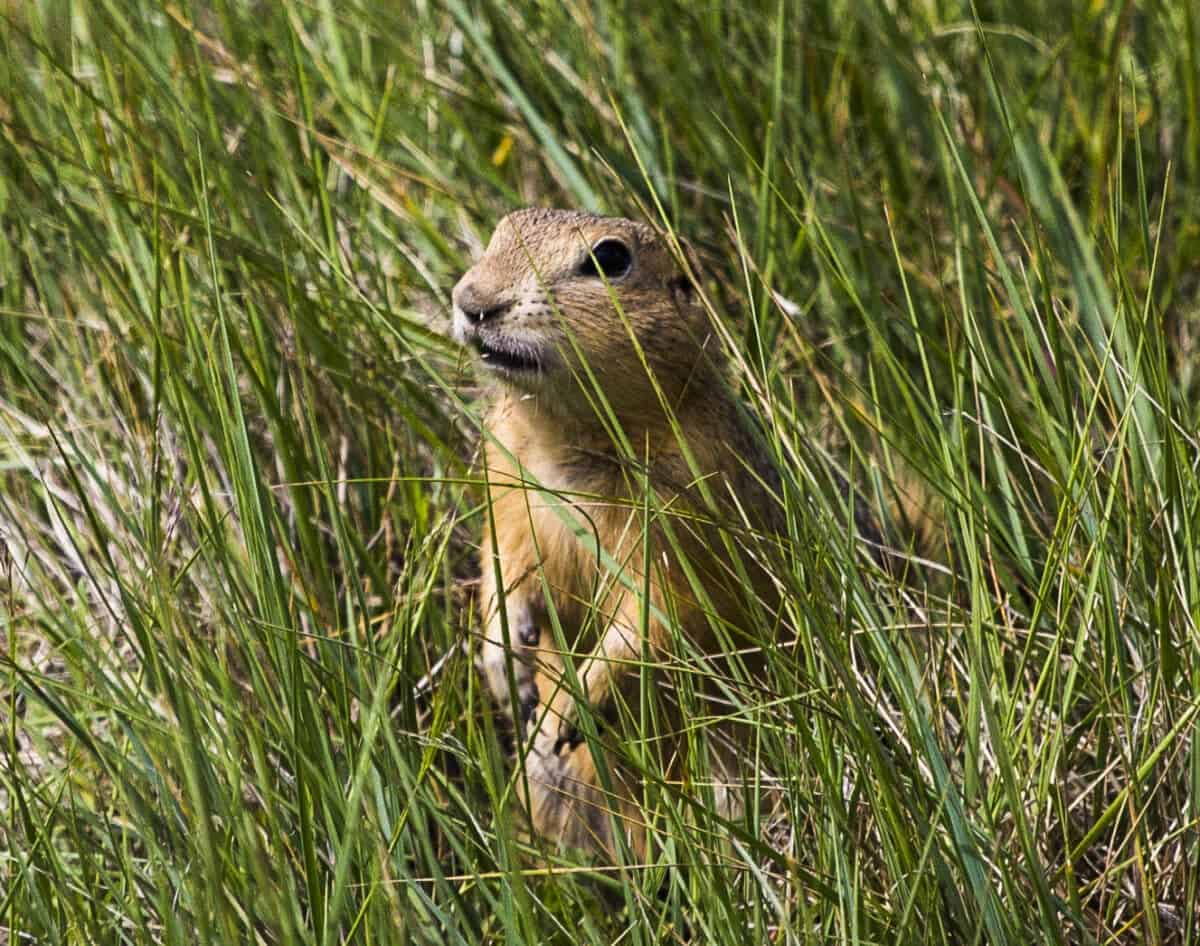
As awareness of the environmental benefits of prairie dogs grows, so too does the opportunity to leverage their natural behaviors for grassland restoration. With ongoing research and dedicated conservation efforts, we can expect prairie dogs to continue playing a vital role in supporting healthy and resilient grassland ecosystems.
The reintroduction and protection of prairie dogs offer a promising avenue for restoring the American grasslands. By appreciating these animals not just as individual species but as pivotal to the entire ecological community, we can foster healthier ecosystems resilient to the challenges of our changing world.

- What’s Hiding in the Forests of the Pacific Northwest - July 21, 2026
- Tarsiers: The Tiny Primates with Giant Eyes - July 21, 2026
- Are Zoos Still Ethical in 2025? - July 21, 2026