
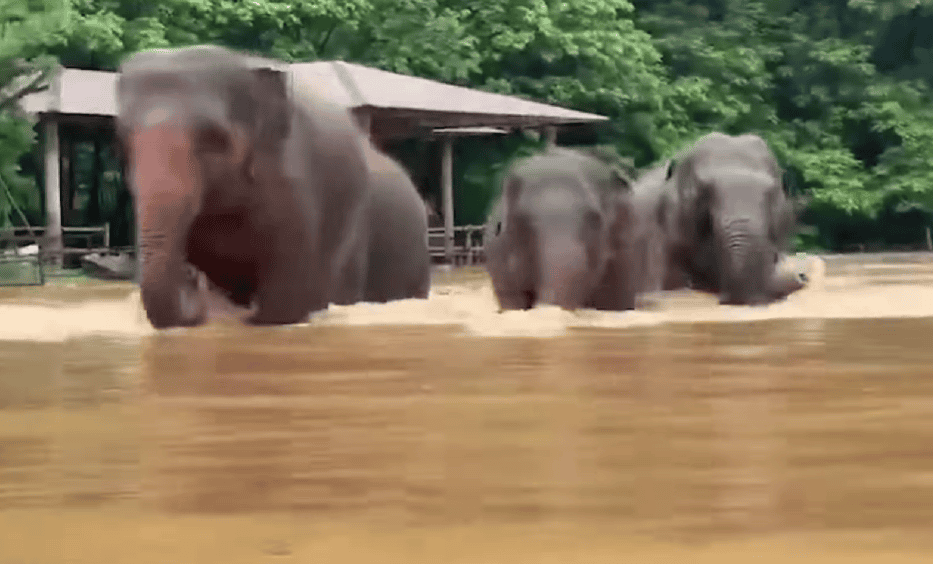
Rainstorms and flooding are natural phenomena that have been occurring on Earth for millions of years. These events are crucial components of the planet’s water cycle, helping to redistribute water resources across different ecosystems. However, they can also have profound impacts on animal habitats, both directly and indirectly. While some species have adapted to withstand these events, others can suffer devastating consequences. In this article, we will explore how rainstorms and flooding affect animal habitats, examining both the challenges and opportunities these events present to wildlife.
The Immediate Impact of Rainstorms and Flooding

Rainstorms, particularly those that result in flooding, can have immediate and dramatic effects on animal habitats. Floodwaters can inundate nests, dens, and other living spaces, forcing animals to evacuate. For terrestrial animals, this often means moving to higher ground, where the competition for space and resources intensifies. Aquatic animals may find their homes washed away or altered beyond recognition, prompting a similar scramble for suitable living conditions.
The sudden influx of water also changes the landscape dramatically, creating new waterways and eroding soil. This can result in the loss of vegetation and the washing away of food sources, which poses a significant challenge for herbivores and the carnivores that prey on them.
Long-term Changes to Habitats
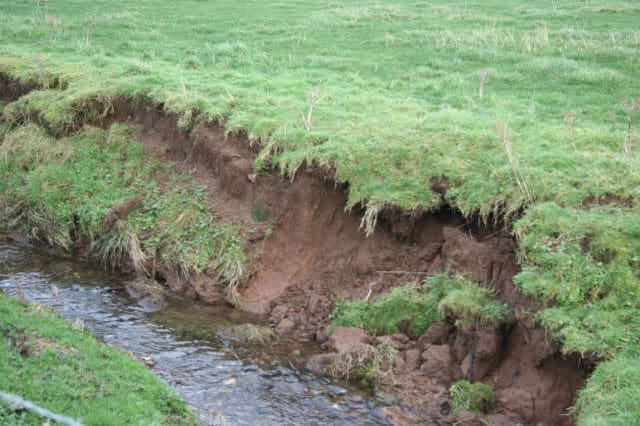
Beyond the immediate disruption, rainstorms and flooding lead to long-term changes in animal habitats. These events can reshape entire ecosystems through erosion, sediment deposition, and changes in vegetation patterns. Flooding often deposits silt on floodplains, creating fertile ground for new plant growth. While this can eventually benefit herbivores, it takes time for new flora to establish itself, leading to a temporary food shortage.
Additionally, flooding can alter water body temperatures and oxygen levels, drastically affecting aquatic life. Species that are less adaptable may struggle to survive these changes, leading to population declines. The alteration of water flow patterns can also impact breeding grounds, such as fish spawning areas or amphibian breeding ponds, affecting reproductive success.
Adaptive Strategies of Animals
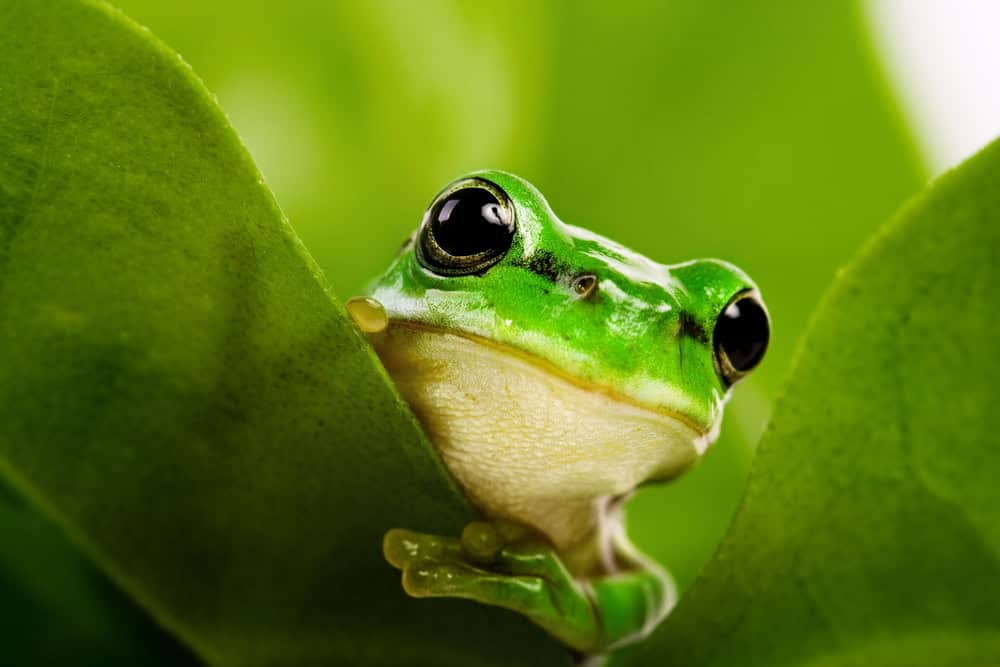
Despite the challenges posed by rainstorms and flooding, many animals have evolved impressive adaptations to cope with these events. Some species are highly mobile and can quickly relocate to safer areas, while others have developed physical adaptations that allow them to survive flooding conditions.
For example, amphibians like frogs and salamanders often rely on wetlands for breeding. These species are adapted to thrive in temporary water bodies, which are frequently replenished by rainstorms. Birds and mammals may build nests and dens in locations that are less likely to flood, while fish may take advantage of floodwaters to move to new areas and access different food sources.
Opportunities for Biodiversity
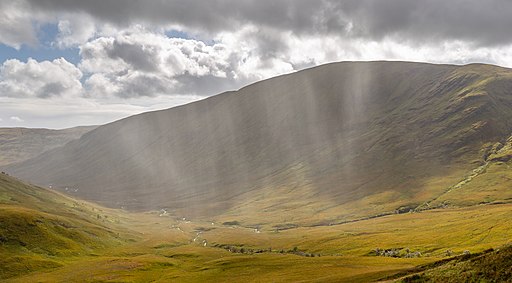
While the destruction of habitats is a significant concern, rainstorms and flooding can also create opportunities for increased biodiversity. When floodwaters recede, they can leave behind a nutrient-rich environment that supports a variety of plant and animal life. New water channels and wetlands created by flooding act as habitats for aquatic species and are essential for sustaining diverse ecosystems.
Flooding can facilitate the spread of species into new territories, where they might find less competition and more resources. This can lead to the development of new ecological niches and interactions among species, contributing to the dynamic nature of ecosystems.
Conservation Efforts and Mitigation
With climate change influencing the frequency and intensity of rainstorms and flooding, conservation efforts have become increasingly important to protect animal habitats. Strategies include the restoration of wetlands, which act as natural buffers against flooding, and the creation of wildlife corridors that allow animals to move safely to higher ground.
Conservationists also focus on sustainable water management practices, such as the construction of levees and reservoirs that mimic natural water flows, thereby reducing the impact on animal habitats. Public awareness campaigns and community engagement are vital to ensure that efforts to mitigate the adverse effects of flooding consider the needs of wildlife alongside human interests.
Conclusion
Rainstorms and flooding, while disruptive, are integral to the ecological processes that shape our planet. These natural events present challenges to animal habitats but also foster opportunities for evolutionary and ecological growth. Understanding how these dynamic forces interact with wildlife is crucial for developing effective conservation strategies and ensuring the sustainability of the diverse ecosystems upon which we all rely.

- The Most Powerful Earthquake Ever Felt in the U.S. - July 19, 2026
- How Rhinoceros Males Compete for Mating Rights in the Wild - July 18, 2026
- 13 Spider Species Thriving in Changing Environments - July 18, 2026