
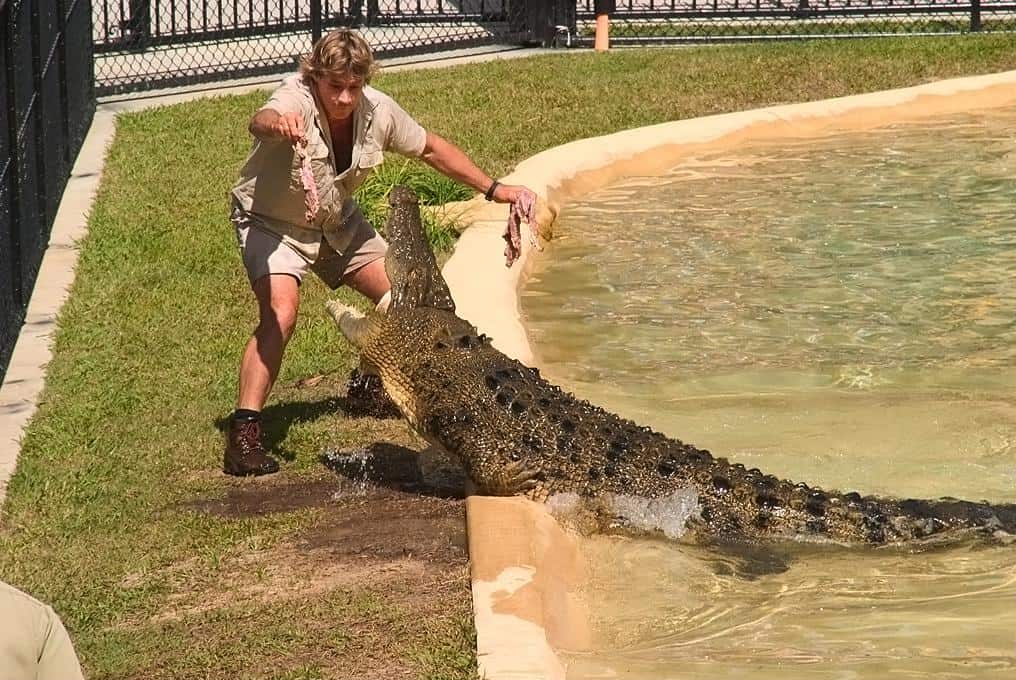
Steve Irwin, affectionately known worldwide as “The Crocodile Hunter,” revolutionized wildlife conservation in ways that continue to resonate years after his untimely death in 2006. With his khaki shorts, enthusiastic “Crikey!” exclamations, and fearless encounters with dangerous animals, Irwin transformed from an Australian zookeeper into a global conservation icon. His unique approach to wildlife education combined entertainment with genuine passion, turning millions of viewers into conservation advocates almost overnight. While his legacy spans numerous species and habitats, his work with crocodiles stands as perhaps his most significant contribution to global conservation efforts.
Before Irwin burst onto international television screens, crocodilians were widely feared and misunderstood creatures, often portrayed as mindless killers in popular culture. Through his boundless enthusiasm and respect for these ancient reptiles, Irwin changed public perception by demonstrating their ecological importance, complex behaviors, and the threats they faced worldwide. His impact went far beyond entertainment—he fundamentally altered how humans relate to predator species and created a model for conservation advocacy that continues to influence wildlife protection efforts around the globe.
Early Life Among Reptiles
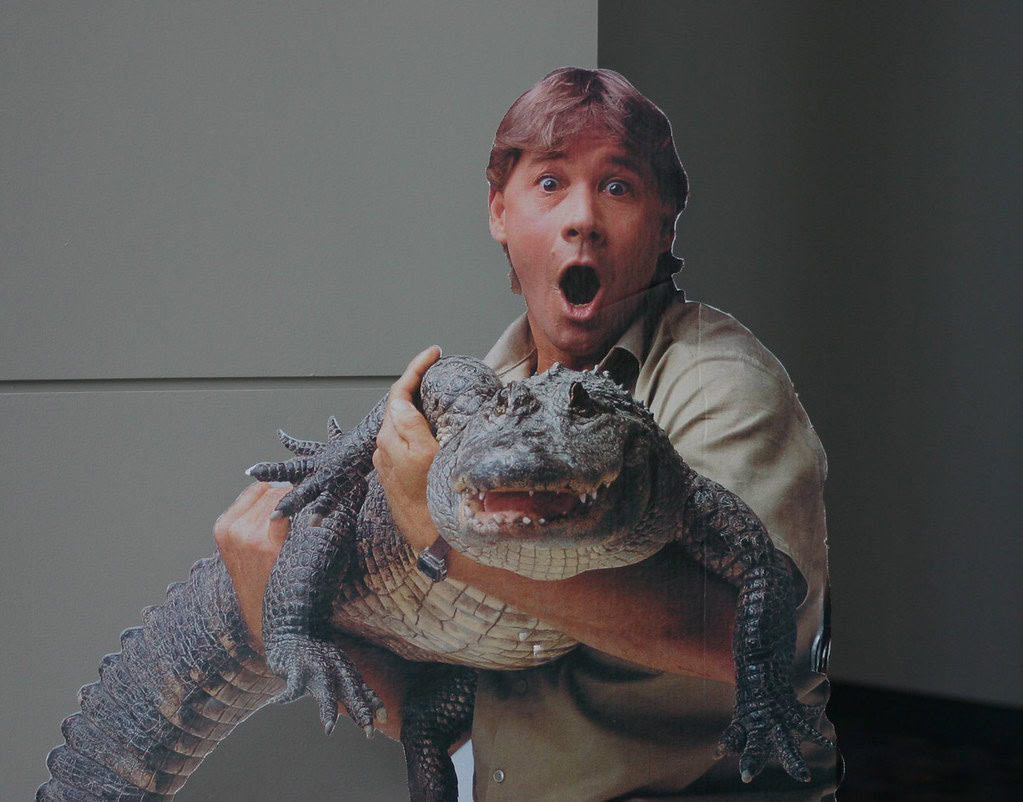
Born on February 22, 1962, in Melbourne, Australia, Steve Irwin’s extraordinary connection with wildlife began in his earliest years. His parents, Bob and Lyn Irwin, were wildlife enthusiasts who established the Beerwah Reptile Park (later renamed Australia Zoo) in Queensland in 1970. Young Steve received an unusual sixth birthday present that would foreshadow his future—a 12-foot scrub python. By age nine, he was already handling crocodiles under his father’s careful guidance, developing the skills and respect for these animals that would later define his career.
His father Bob, a wildlife rehabilitator and herpetologist, became Steve’s primary mentor, teaching him not just how to handle dangerous reptiles safely but instilling in him a profound respect for all living creatures. These formative experiences shaped Irwin’s philosophy that understanding and education, rather than fear, were the keys to wildlife conservation. By his teenage years, Steve was actively participating in the Queensland government’s crocodile relocation program, capturing problem crocodiles in populated areas and moving them to safer locations—work that would eventually provide material for his groundbreaking television series.
From Local Zookeeper to Global Phenomenon
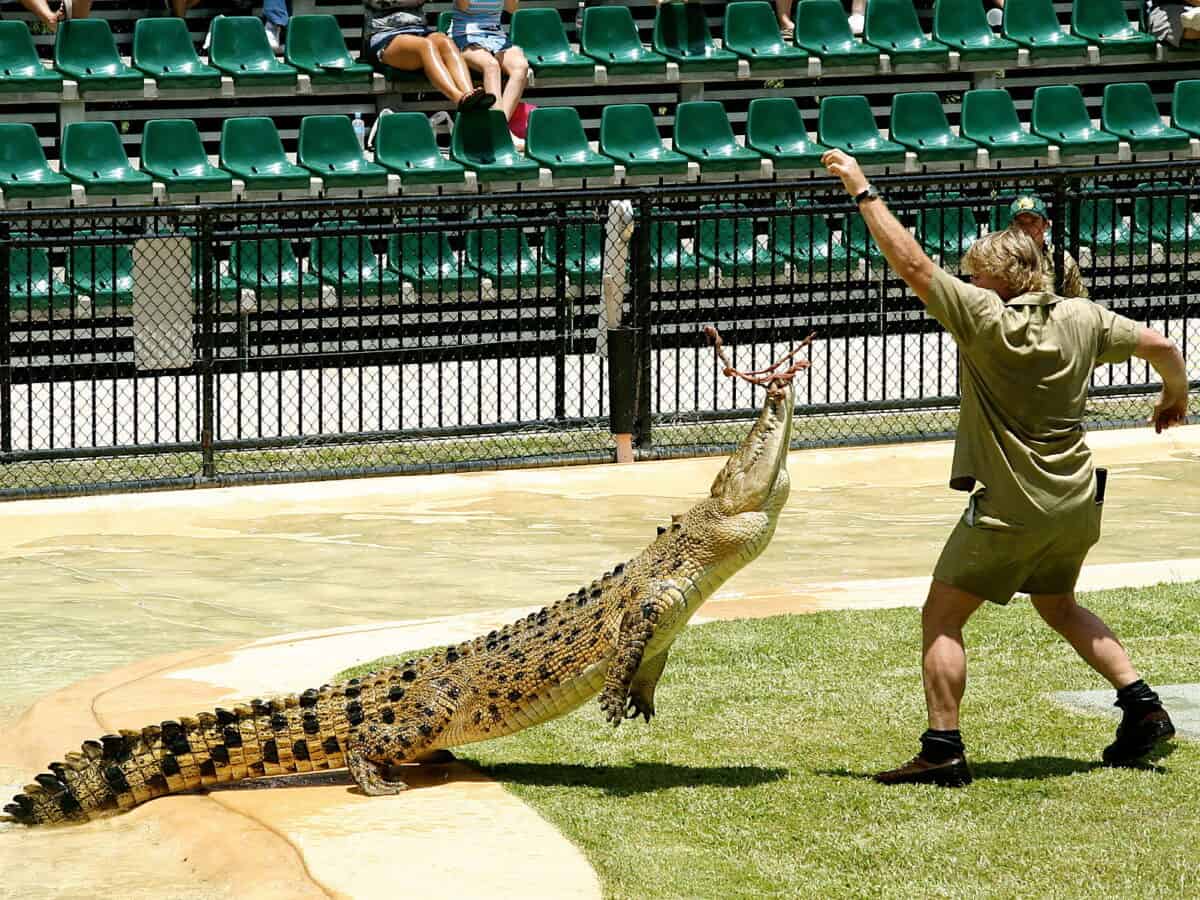
Steve Irwin’s transformation from a local Australian wildlife handler to international conservation celebrity began with a chance encounter. In 1991, television producer John Stainton happened to visit Australia Zoo while Irwin was performing a crocodile demonstration. Struck by Irwin’s natural charisma and authentic passion, Stainton filmed a one-off documentary called “The Crocodile Hunter.” The documentary’s raw, unscripted approach showcased Irwin’s genuine enthusiasm and daring close encounters with dangerous animals. What separated Irwin from previous wildlife presenters was his distinctive combination of education, entertainment, and palpable passion.
By 1996, “The Crocodile Hunter” had evolved into a regular series picked up by Discovery Channel, catapulting Irwin into living rooms across 130 countries. His trademark catchphrase “Crikey!” became part of the global lexicon, while his death-defying encounters with crocodiles captivated audiences who had never seen wildlife presented in such an intimate, enthusiastic manner. Unlike traditional nature documentaries that maintained a detached, scientific tone, Irwin’s approach was immersive and emotional. He didn’t just describe animals—he expressed genuine love for them, transforming viewers’ perceptions of feared species like crocodiles through his own obvious admiration.
Reframing Crocodiles in the Public Eye

Prior to Irwin’s influence, crocodilians were predominantly portrayed in media as villainous, mindless killers—creatures to be feared and eliminated rather than protected. Films like “Lake Placid” and “Crocodile Dundee” reinforced stereotypes of crocodiles as monsters rather than essential components of healthy ecosystems. Irwin fundamentally changed this narrative by showcasing their intelligence, complex behaviors, and ecological importance. He would often speak to crocodiles with genuine respect during captures, explaining to viewers their evolutionary significance as living dinosaurs and apex predators who had survived for millions of years.
Through his educational approach, Irwin helped viewers understand that crocodile attacks on humans were extremely rare and usually the result of human encroachment or misunderstanding of crocodile behavior. He demonstrated proper safety protocols when in crocodile territory and explained how simple precautions could prevent negative encounters. Perhaps most importantly, he helped shift the conversation from how humans could protect themselves from crocodiles to how humans could protect crocodiles from extinction—a revolutionary reframing that had profound implications for conservation efforts worldwide.
Conservation Through Entertainment

Irwin pioneered what could be called “conservation entertainment”—making wildlife protection compelling through personality-driven content that both educated and enthralled viewers. This approach proved remarkably effective at reaching audiences who might never have engaged with traditional conservation messaging. At the height of his popularity, “The Crocodile Hunter” reached approximately 500 million people globally, giving Irwin an unprecedented platform to advocate for crocodile protection. Unlike more academic conservationists, Irwin made complex ecological concepts accessible through simple, passionate explanations that resonated with viewers of all ages and backgrounds.
His methods weren’t without controversy—some traditional conservationists criticized his hands-on approach and theatrical style as potentially stressful for the animals or sending the wrong message about wildlife interaction. However, Irwin was unfailingly careful to contextualize his handling of animals as the work of a trained professional with decades of experience. He consistently emphasized that ordinary people should observe wildlife from a respectful distance. The results of his approach spoke volumes: donations to wildlife conservation organizations increased significantly during the peak of his popularity, and enrollment in zoology and wildlife management programs rose as the “Irwin effect” inspired a new generation of conservationists.
Crocodile Research and Wildlife Warriors

Beyond his television persona, Irwin made substantial contributions to scientific understanding of crocodilians. In 2003, he established the “Crocs Rule!” research project at Australia Zoo, which pioneered new satellite tracking techniques for monitoring crocodile movements in the wild. This research provided valuable data about crocodile territories, migration patterns, and habitat requirements that proved essential for developing effective conservation strategies. Irwin personally participated in numerous crocodile research expeditions throughout Australia, Indonesia, and the Americas, often funding these projects through his commercial success.
In 2002, Steve and his wife Terri established Wildlife Warriors Worldwide (originally called the Steve Irwin Conservation Foundation), a non-profit organization dedicated to wildlife conservation. The organization focused significant resources on crocodile conservation initiatives, including habitat protection, anti-poaching efforts, and community education programs in regions where human-crocodile conflict was prevalent. Wildlife Warriors established projects in Australia, South Asia, and Africa, often in remote areas where conservation resources were scarce. This organization remains active today, continuing Irwin’s work by focusing on the protection of “conservation hotspots” and individual species in need.
International Conservation Diplomacy

Irwin’s celebrity status opened doors for conservation advocacy at the highest levels of government and international policy. He was invited to meet with world leaders, including several U.S. presidents and Australian prime ministers, using these opportunities to advocate for stronger protections for crocodilians and their habitats. Notably, in 2004, Irwin addressed the United Nations on the importance of wetland conservation for crocodile populations, helping to secure additional protections for these critical ecosystems. His ability to translate complex conservation needs into compelling, straightforward messages made him particularly effective in these diplomatic contexts.
Perhaps more uniquely, Irwin’s popularity allowed him to bridge political divides that often complicate conservation efforts. He maintained relationships with both industry leaders and environmental activists, positioning himself as a pragmatic conservationist who understood that sustainable solutions required cooperation across traditional boundaries. This approach proved particularly valuable in addressing crocodile conservation, where economic interests (such as farming and tourism) often conflicted with protection efforts. Irwin demonstrated that economic development and species protection could be compatible when approached thoughtfully, a message that resonated with policymakers globally.
The Human-Crocodile Conflict Resolution

One of Irwin’s most practical contributions to crocodile conservation was his work on mitigating human-wildlife conflict—a critical issue that often undermines conservation efforts in developing regions. In areas where crocodiles and humans share space, attacks (though rare) can foster intense hostility toward the species, leading to retaliatory killings and loss of local support for conservation initiatives. Irwin developed and promoted community-based solutions that addressed both human safety concerns and crocodile protection needs. These included education programs about crocodile behavior, improved water access points designed to reduce attack risk, and training local communities in safe crocodile relocation techniques.
In northern Australia, Irwin worked closely with Indigenous communities who had traditional relationships with crocodiles, incorporating their knowledge into conservation programs while providing economic opportunities through sustainable wildlife tourism. This culturally sensitive approach became a model for crocodile conservation programs in other parts of the world, including initiatives in South America and Southeast Asia. By demonstrating that human communities and crocodile populations could coexist with proper management and education, Irwin helped transform the narrative from “humans versus crocodiles” to “humans as stewards of crocodile conservation.”
Creating Sustainable Funding Models

A persistent challenge in wildlife conservation is securing reliable, long-term funding for protection initiatives. Irwin pioneered innovative approaches to this problem by creating sustainable economic models that generated ongoing revenue for conservation programs. Australia Zoo, which expanded significantly under his leadership, directed a substantial portion of its profits toward conservation projects both locally and internationally. The zoo became not just an entertainment venue but a working model of how commercial success could fuel conservation work, with visitors directly contributing to wildlife protection through their attendance.
Irwin also demonstrated how wildlife tourism, when properly managed, could provide powerful economic incentives for crocodile conservation. He helped establish eco-tourism operations in several countries where local communities received direct benefits from preserving healthy crocodile populations and their habitats. In regions like northern Australia and parts of Southeast Asia, these programs transformed crocodiles from perceived liabilities into valuable community assets. This approach created a virtuous cycle where economic interests aligned with conservation goals, addressing one of the fundamental challenges in wildlife protection—making conservation financially sustainable for local communities.
The Global Reach of “Operation Crocodile Conservation”

By the early 2000s, Irwin had established what he informally called “Operation Crocodile Conservation,” a network of interconnected initiatives spanning multiple continents. These efforts included direct habitat protection, captive breeding programs for endangered crocodilian species, community education initiatives, and policy advocacy. What made this approach particularly effective was its comprehensive nature—addressing threats to crocodiles at multiple levels simultaneously while adapting strategies to local conditions. In the Philippines, for example, efforts focused on protecting the critically endangered Philippine crocodile through community-based conservation, while in Australia, the emphasis was on managing healthy saltwater crocodile populations in areas with human activity.
The global scope of Irwin’s crocodile conservation work expanded conservation attention to often-overlooked species and regions. While iconic crocodilians like the Australian saltwater crocodile and American alligator received considerable conservation focus, lesser-known species like the Philippine crocodile, Chinese alligator, and Siamese crocodile were facing extinction with minimal international attention. Irwin used his platform to highlight these overlooked species, channeling resources and attention to their protection. This more balanced approach to crocodilian conservation helped create a truly global protection network that considered the needs of all 24 crocodilian species rather than focusing only on the most charismatic or well-known populations.
Building a Conservation Legacy
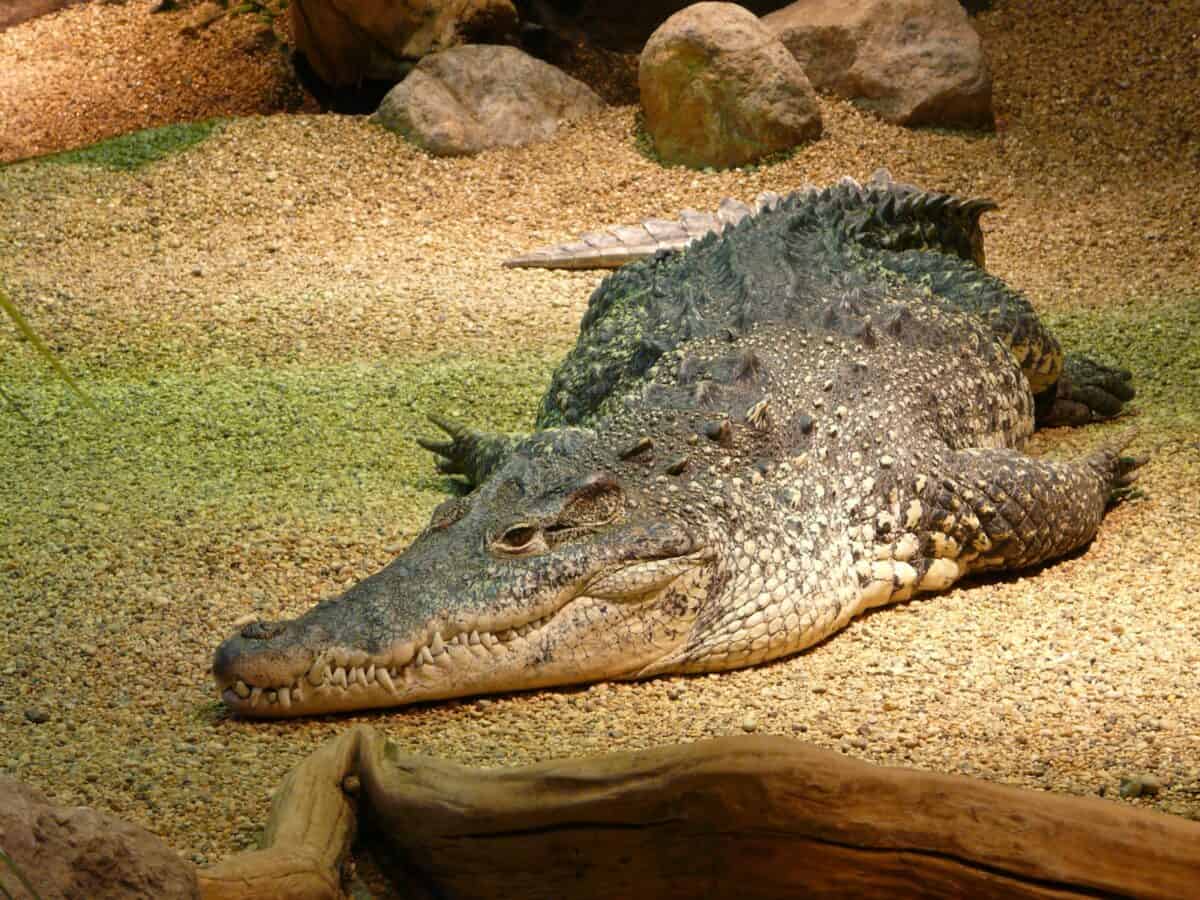
Perhaps Irwin’s most enduring contribution to crocodile conservation was inspiring a new generation of wildlife advocates and professionals. Throughout his career, he emphasized education and mentorship, establishing programs that trained young conservationists in crocodile management and protection techniques. The “Steve Irwin Crocodile Research” scholarship, established in 2005, provides funding for students pursuing research in crocodilian conservation biology. Many leading crocodile conservationists working today cite Irwin as their primary inspiration for entering the field, creating a living legacy that continues to advance his mission.
Following his death in 2006 from a stingray barb while filming a documentary, this legacy has been actively maintained and expanded by his family. His wife Terri, daughter Bindi, and son Robert have continued his conservation work through Australia Zoo, Wildlife Warriors, and their own media projects that maintain his distinctive approach to wildlife education. The Irwin family has ensured that crocodile conservation remains a central focus of their efforts, honoring Steve’s particular passion for these ancient reptiles. Annual “Steve Irwin Day” celebrations on November 15th continue to raise funds specifically for crocodile conservation initiatives, maintaining public awareness of these often-misunderstood animals and their conservation needs.
The Continuing Impact of Steve Irwin’s Conservation Vision

Steve Irwin’s approach to crocodile conservation created a blueprint that transformed how conservation is communicated and implemented worldwide. His legacy lives on in the improved status of several crocodilian species that faced extinction but now have stabilizing or increasing populations due to conservation efforts he either initiated or inspired. Perhaps most significantly, his work helped shift the paradigm of wildlife conservation from a purely scientific endeavor to a more inclusive movement that engages ordinary people through emotional connection and straightforward education. This democratization of conservation continues to expand the community of wildlife advocates beyond traditional boundaries.
The “Crocodile Hunter” showed the world that effective conservation requires not just scientific knowledge but genuine passion, creative communication, and practical solutions that address human needs alongside wildlife protection. His lasting impact demonstrates that one person’s determination can indeed change global attitudes toward even the most feared and misunderstood creatures. As crocodile conservation efforts continue to evolve and adapt to new challenges, they remain firmly rooted in the foundation Steve Irwin built—a foundation that recognizes these ancient reptiles not as monsters to be feared but as magnificent survivors deserving our respect, admiration, and protection.

- 7 Animals That Can Survive Extreme Environments You Couldn’t - July 20, 2026
- The Longest Snake Ever Found in the U.S. - July 20, 2026
- The Top 10 Animal Escapes That Shocked the World - July 20, 2026