

Storms and hurricanes are among the most formidable forces of nature, showcasing Mother Earth’s raw power as they surge through the environment. While these weather phenomena can wreak havoc on terrestrial ecosystems and human lives, they also have a significant, if less visible, impact on marine life. Understanding the complex relationship between storms, hurricanes, and marine ecosystems can provide insights into the resilience and vulnerability of our planet’s biodiversity below the waves.
How Storms and Hurricanes Form
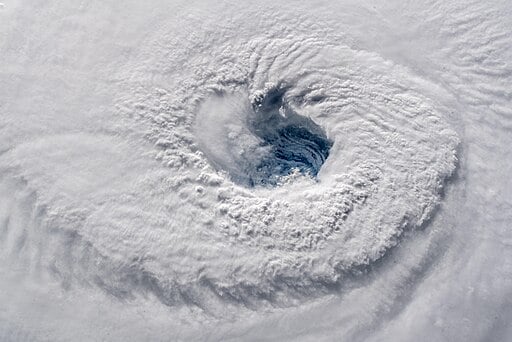
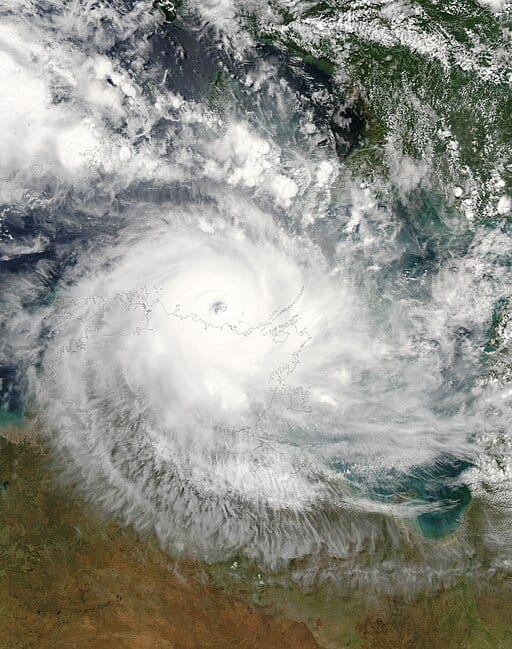
To comprehend the impact of storms and hurricanes on marine life, it’s essential first to understand how these systems form. Storms, characterized by heavy rains, strong winds, and sometimes lightning, develop when warm, moist air rises and interacts with cooler, dryer layers above. Hurricanes, a more severe form of tropical storm, form over warm ocean waters near the equator. When the temperature and atmospheric conditions are just right, these systems can intensify, feeding off the ocean’s heat and moisture.
Immediate Impact on Marine Life
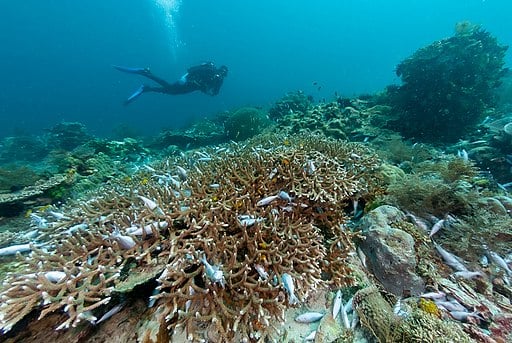
When hurricanes and storms make their way over the ocean, they disrupt marine life in several immediate ways. One of the most direct impacts is physical destruction. The strong winds and massive waves can severely damage coral reefs, uproot seagrasses, and decimate fragile marine habitats. As these structures are destroyed, fish and other marine organisms that rely on them for food and shelter lose their homes and sources of sustenance.
Storms can also cause dramatic changes in water temperature and salinity. Heavy rains dilute salinity levels, while turbulent waters can stir up deeper, cooler waters to the surface. Such changes can be stressful for marine organisms, especially those adapted to stable conditions, resulting in dislocation or death for particularly sensitive species.
Food Webs in Turbulence
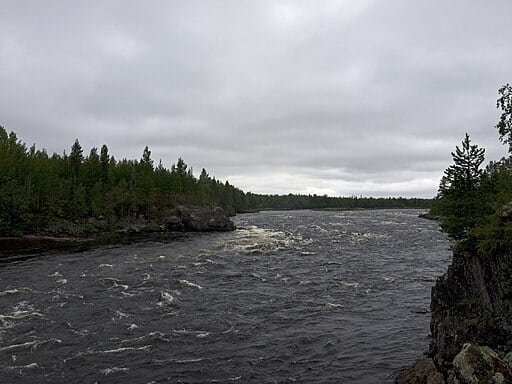
The destruction of habitats and alteration in water conditions can have cascading effects on marine food webs. For instance, coral reefs are not only a physical structure but also a hotspot for biodiversity. Their devastation leads to a decrease in available habitat for numerous species, influencing not just the prey species but also the predators that rely on them. Similarly, underwater plants and algae that are uprooted can diminish primary food sources for herbivores, creating ripples up through the entire food chain.
Nutrient and Sediment Redistribution
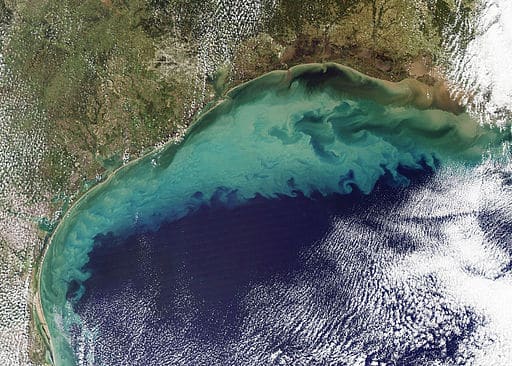
While storms and hurricanes are undoubtedly destructive, they also play a role in redistributing nutrients and sediments in marine ecosystems. The churning action of storms can bring nutrient-rich waters from the deep to the surface, fostering algal blooms that can temporarily boost local food supplies. However, this can also lead to harmful algal blooms, clogging coastlines, depleting oxygen levels, and sometimes releasing harmful toxins into the water.
Sediment redistribution can alter the physical landscape of the seabed. While this can bury and smother benthic organisms, it can also create new habitats over time. Barrier islands and sandbanks may shift, potentially creating new ecological niches even as others are destroyed.
Long-Term Ecological Impact
The immediate aftermath of a storm is often visible in the form of debris or coastal damage, but the long-term ecological effects are more subtle yet profound. Frequent exposure to severe weather events can alter species composition in an area, as some species are better at re-colonizing disturbed areas than others. This can lead to decreased biodiversity as the more resilient species dominate and the less adaptable ones decline.
On the other hand, some ecological theories suggest that occasional disturbances might lead to increased resilience by allowing new species to establish and create a more diverse ecological environment. The reality often depends on the frequency and intensity of such disturbances and the pre-existing condition of the marine ecosystem.
Adapting and Surviving: Marine Life’s Resilience
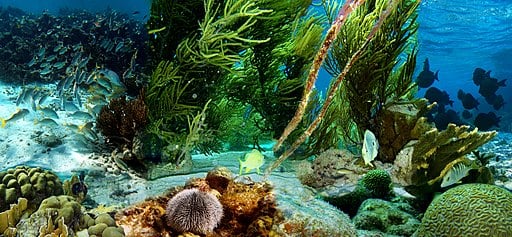
Despite the overwhelming challenges posed by storms and hurricanes, many marine organisms have evolved various adaptations to weather these events. Some species, like certain fish and marine mammals, can sense changes in pressure and move to safer waters ahead of the storm’s arrival. Others rely on sheer reproductive numbers, ensuring that enough offspring survive to sustain their population even after catastrophic events.
Efforts by marine scientists are continually enhancing our understanding of how these weather phenomena impact marine life. Through tracking, monitoring, and field studies, researchers aim to develop strategies that can help mitigate damage and promote the resilience of vulnerable marine species.
Conclusion: Lessons from the Storm
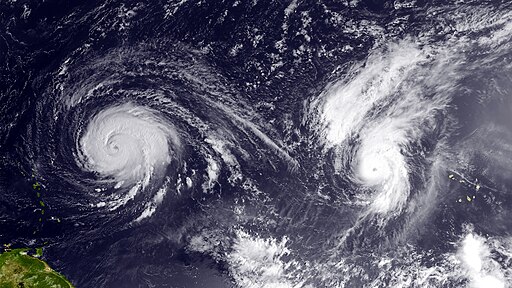
Storms and hurricanes, while destructive, are natural components of Earth’s weather system and exemplify the dynamic balance of marine ecosystems. By studying their impacts on marine life, we learn valuable lessons on the fragility and resilience of oceanic ecosystems. As climate change influences the severity and frequency of these weather events, continued research and conservation efforts will be vital in safeguarding our oceans and the myriad of life forms that inhabit them.

- How Storms and Hurricanes Disrupt Marine Life - July 24, 2026
- What Backyard Animal Are You According to Your Zodiac Sign - July 24, 2026
- The 7 Greatest Cosmic Threats to Life on Earth - July 24, 2026
Leave a comment
You must be logged in to post a comment.