


In the bustling pace of the natural world, where speed often means survival, the echidna stands as an extraordinary exception. This enigmatic creature, known for its slow and steady demeanor, has captivated scientists and nature enthusiasts alike. But how does the sluggish echidna thrive amidst such hustle and bustle? Let’s delve into the remarkable adaptations and strategies that enable this spiny marvel to succeed in a fast-moving world.
What Are Echidnas?

Echidnas, often referred to as spiny anteaters, are monotremes, meaning they are one of the few mammals that lay eggs. Known for their distinctive spiny appearance similar to a hedgehog, echidnas are native to Australia and New Guinea. Along with the platypus, they are the only remaining members of the monotreme group, a relic from an ancient lineage of mammals.
Unique Physical Characteristics
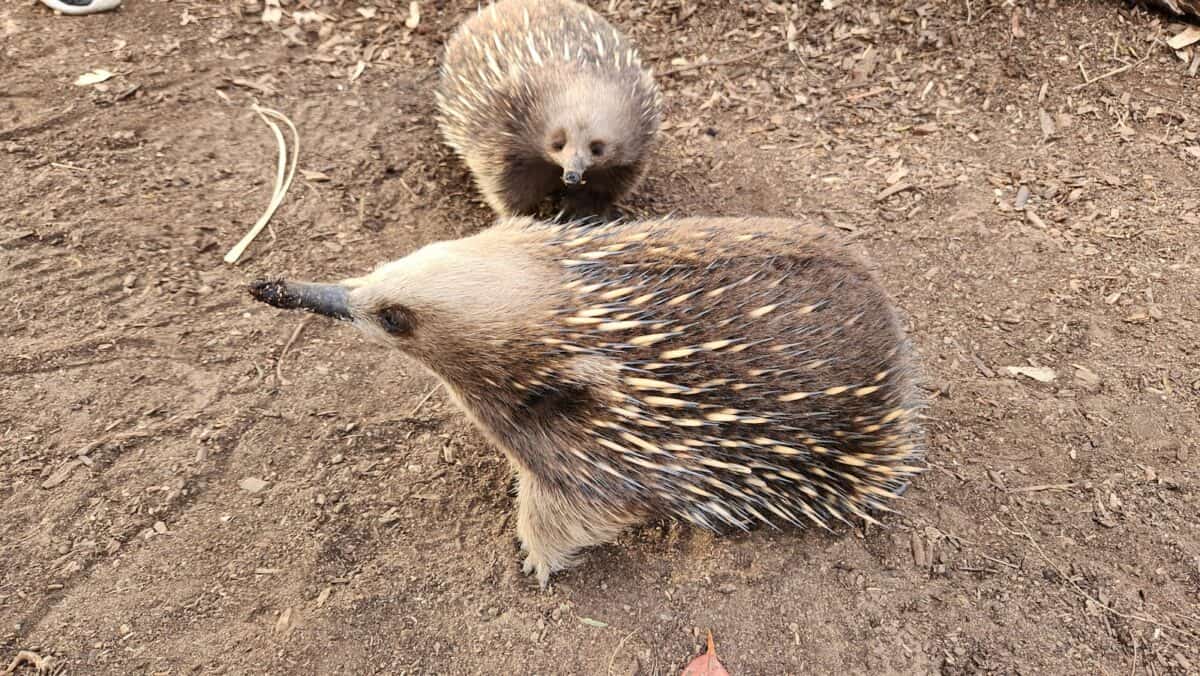
The most notable feature of the echidna is its spiky exterior, which is actually a covering of modified hairs. These spines offer excellent protection against predators. Beneath their spiny armor, echidnas possess a robust body, sharp claws for digging, and a long, sticky tongue for capturing ants and termites, forming a unique evolutionary toolkit.
The Echidna’s Slow Metabolism
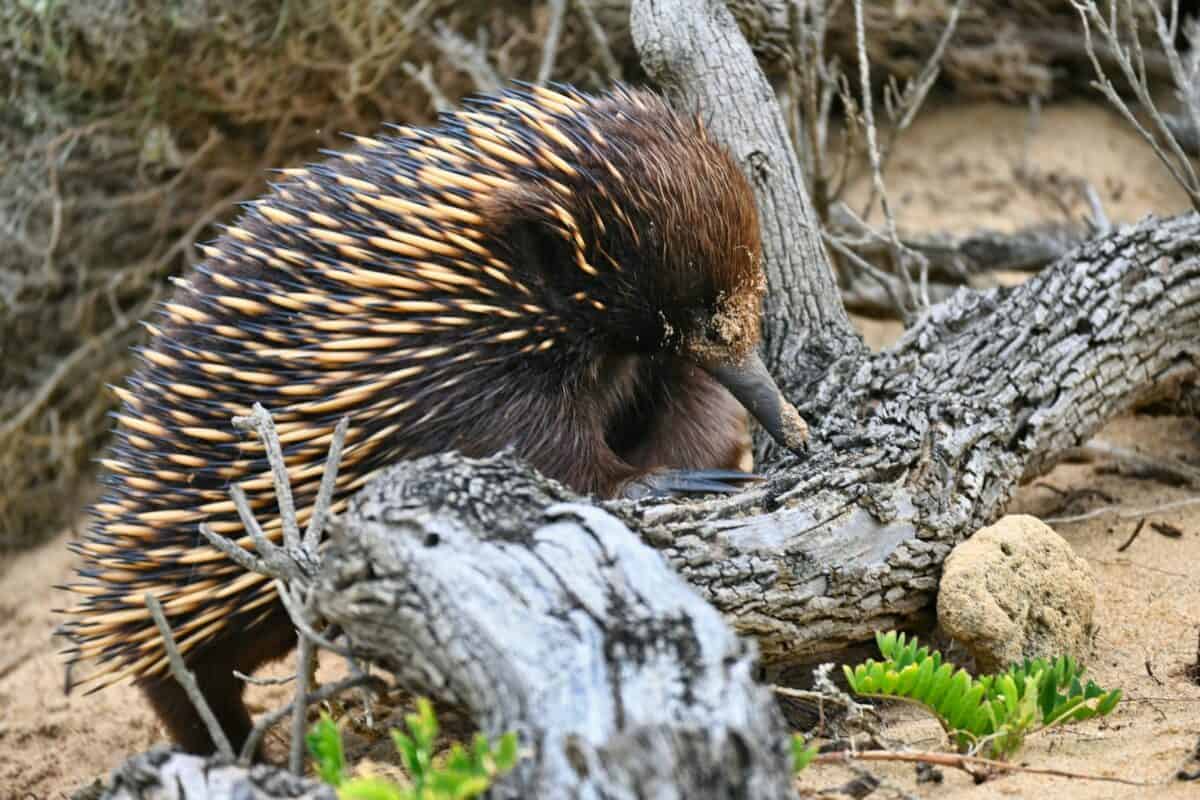
Unlike many fast-paced mammals, echidnas have a remarkably slow metabolism. This low-energy lifestyle suits their environment, conserving resources in habitats that might not always be abundant in food. An echidna’s body temperature is also lower compared to other mammals, allowing it to limit energy expenditure while still functioning efficiently.
Diet and Feeding Habits
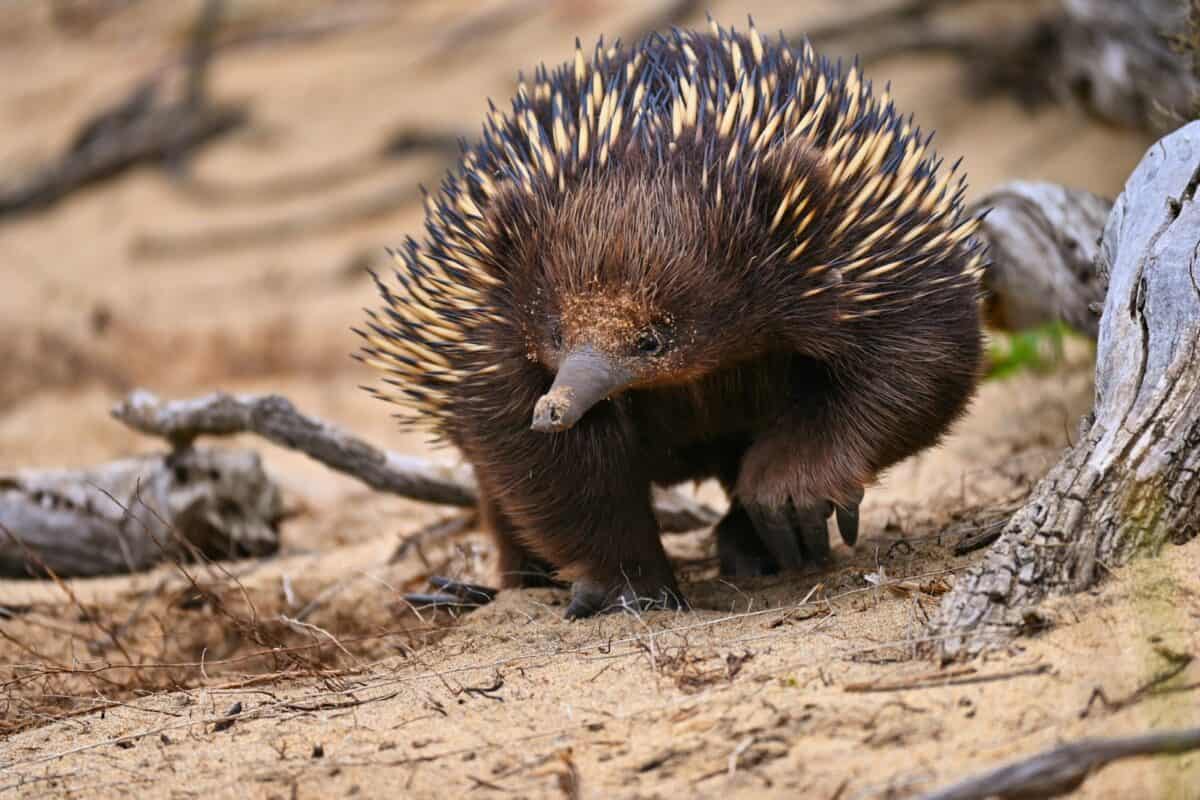
Echidnas primarily feast on ants and termites, using their long, sticky tongues to fish their prey from narrow crevices. This dietary specialization allows them to exploit a niche that is abundantly available yet less sought after by other predators. Their slow movement is actually an advantage here, as it discourages attention from potential threats while they feed.
Defense Mechanisms

When threatened, echidnas have the prowess to dig themselves rapidly into the ground, presenting only their spines to potential threats. Alternatively, they may curl into a ball, effectively turning into a spiky fortress. These defense strategies are incredibly effective against predators, ensuring their safety without the need for high-speed escapes.
Habitat and Distribution
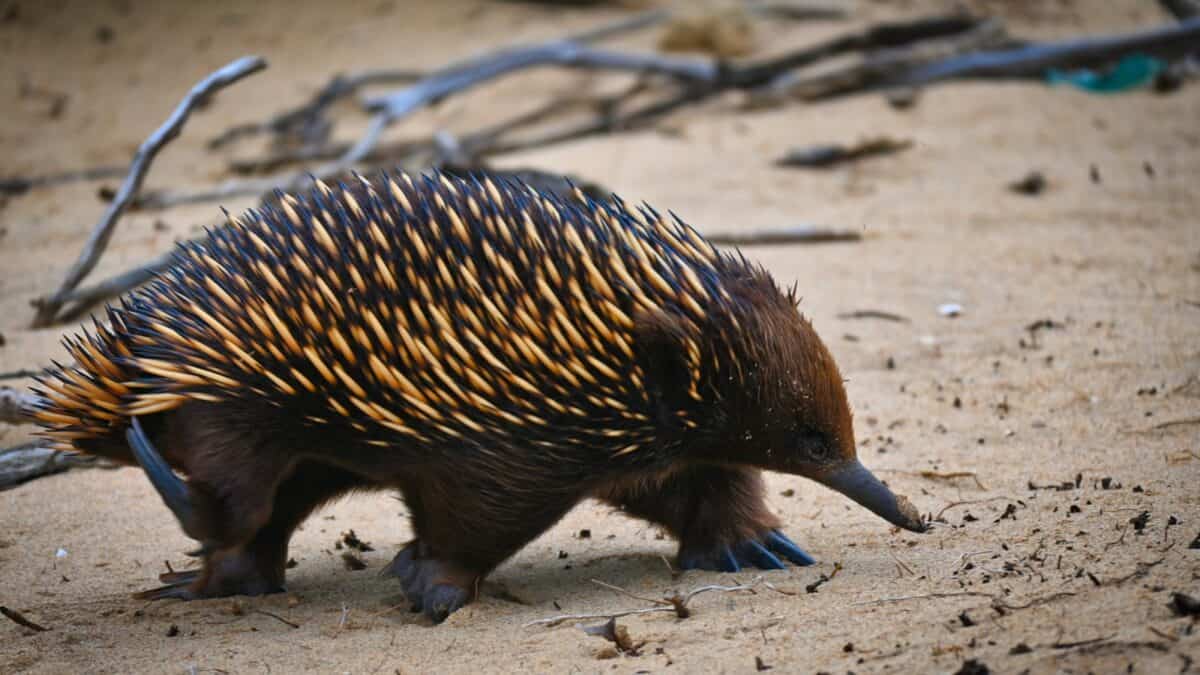
Echidnas are highly adaptable creatures found in diverse habitats ranging from forests to deserts. This adaptability largely contributes to their survival, as they can thrive under various environmental conditions, far from the rapidly changing landscapes that affect other species more adversely.
Reproduction and Lifecycle
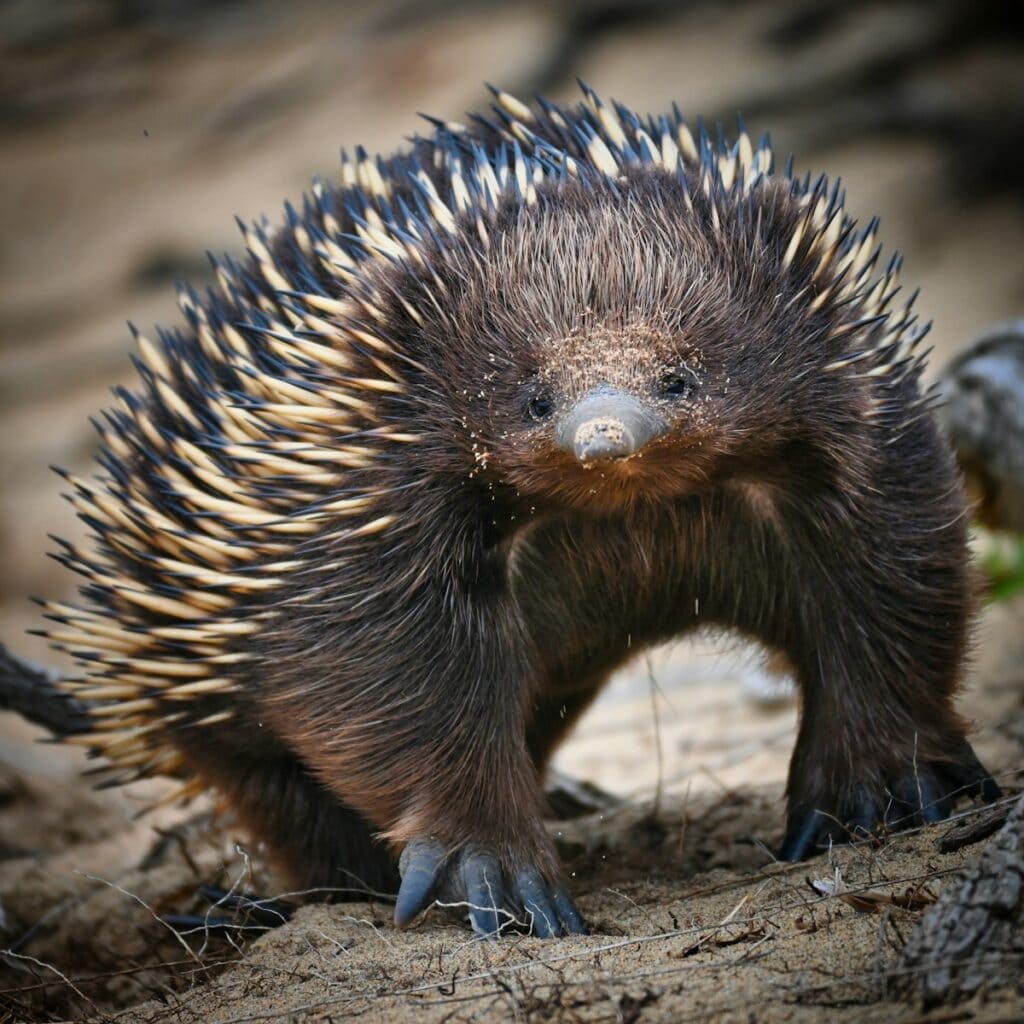
An intriguing aspect of echidnas is their reproductive behavior. Female echidnas lay a single egg, which they incubate in a pouch on their bellies. Once hatched, the young, known as puggles, continue to nurse in the pouch until they develop spines. This nurturing approach ensures the young are well protected in their early, vulnerable stages of life.
Social Behavior and Communication

Echidnas are largely solitary animals, relying on well-developed senses and chemical signals to communicate, especially during the breeding season. This solitary nature means they aren’t reliant on social structures, which can be both a weakness and strength, offering autonomy in an ever-challenging environment.
Economic and Ecological Impact
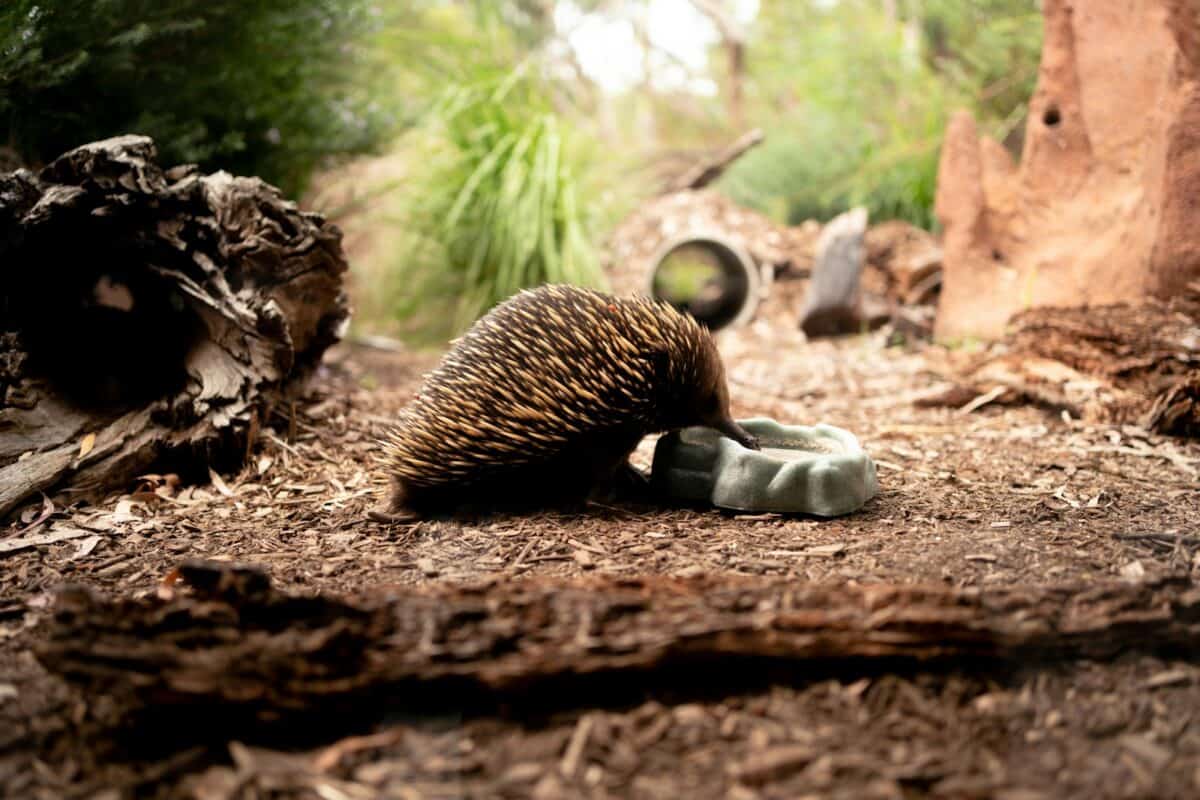
Though not directly linked to human economies, echidnas play a significant role in ecosystem management. By controlling termite populations, they contribute to the health of their habitats. This ecological role is vital in maintaining the balance within the environments they inhabit.
Challenges and Conservation Efforts
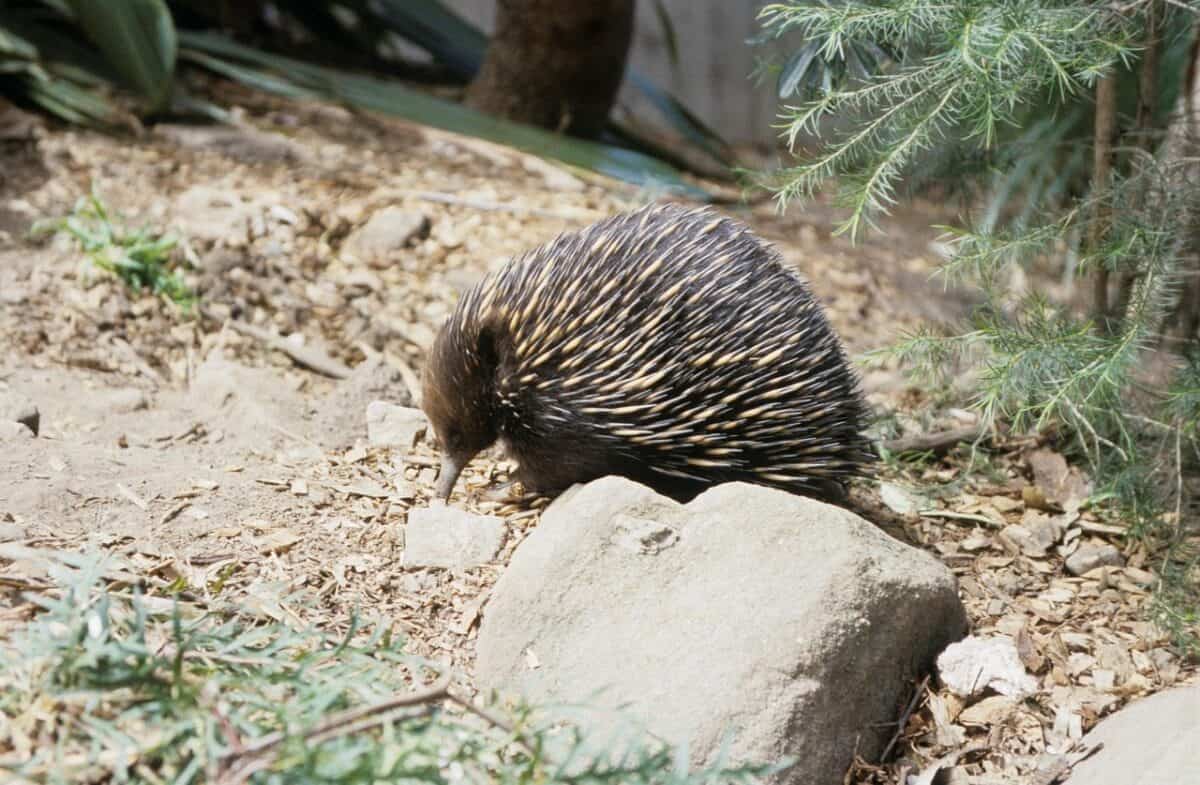
Echidnas face various challenges, including habitat loss and climate change. Conservation efforts focus on habitat protection and monitoring population trends to ensure these unique creatures continue to be part of our world. Understanding and preserving their environments is paramount to their survival.
Research and Scientific Interest
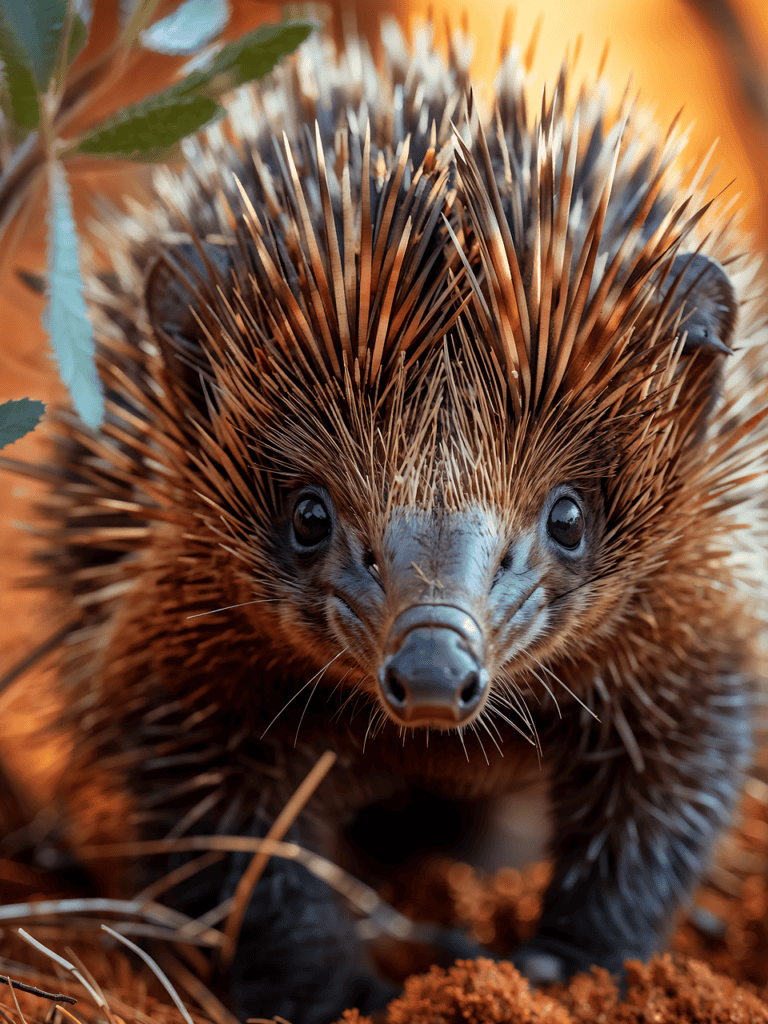
The echidna’s distinct biology makes it a fascinating subject of scientific research. Studies on their physiology, reproductive habits, and evolutionary history continue to provide insight into not only monotremes but also broader mammalian evolution and adaptation.
The Importance of Echidnas in the Animal Kingdom

Although they may not dominate the headlines like more charismatic megafauna, echidnas represent an important piece of the Earth’s biodiversity puzzle. Their survival strategies offer valuable insights into the resilience of life. Moreover, by appreciating these remarkable creatures, we gain a deeper understanding of the intricate tapestry of life itself.
By embracing a lifestyle tailored to their strengths, echidnas thrive in a world that doesn’t always favor the sluggish. Their success story is a testament to the diverse strategies life on Earth can employ to navigate and survive the relentless tempo of the natural world. As we continue to learn from and protect these spiny wonders, echidnas remind us of the quiet power of adaptability and resilience in the animal kingdom.

- Owls and Other Forest Dwellers of the Cascades - July 19, 2026
- What Happens When a Python Eats Something Too Big? - July 19, 2026
- Baby Koalas Hug Their Moms for Safety and Comfort - July 19, 2026