


A Shocking Turn for High-Hype Industries (Image Credits: Unsplash)
As 2026 unfolds, the food industry grapples with the dramatic unraveling of once-promising sectors in alternative proteins.
A Shocking Turn for High-Hype Industries
The year 2025 stood out as a pivotal moment when the markets for plant-based meats and insect-derived products experienced steep declines. Companies that had poured billions into these innovations faced unexpected resistance from consumers. Sales figures plummeted, leaving investors reeling from massive losses. Beyond Meat, a leader in the space, saw its stock value drop by 78 percent over the course of the year. This downturn highlighted the challenges of scaling experimental foods in a traditional market dominated by real animal products.
Industry observers noted that production costs remained prohibitively high for many alternatives. Fake meat products often cost double the price of conventional beef, deterring widespread adoption. Insect farming ventures, touted as sustainable solutions, also struggled with scalability issues. One prominent French company, Ÿnsect, entered judicial liquidation after failing to secure funding, shutting down its large-scale operations despite raising over €600 million. These events signaled a broader shift away from forced innovation toward familiar choices.
Consumer Preferences Drive the Reversal
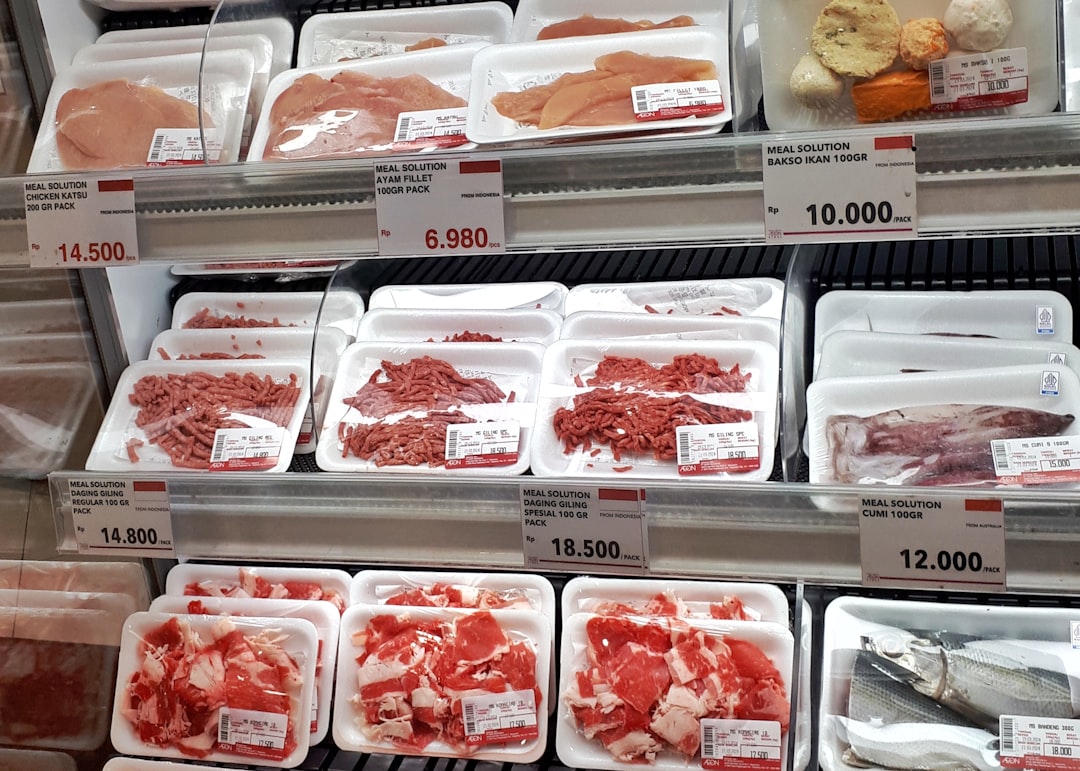
Buyers increasingly favored authentic meats and dairy, embracing a “back-to-basics” approach in grocery shopping. Reports indicated that plant-based options lost significant shelf space as retailers prioritized items with proven demand. The appeal of natural flavors and textures proved too strong for many experimental substitutes. Public sentiment, reflected in social media discussions, celebrated the return to traditional proteins amid the hype’s fade.
This preference extended to holiday seasons, where fresh meat categories recorded their highest spending levels. Families opted for conventional roasts over synthetic versions, underscoring a cultural pushback. Experts viewed this as a lesson in aligning products with everyday tastes rather than environmental mandates alone. The result left alternative producers scrambling to pivot or downsize operations.
Economic Pressures and Failed Promises
Financial strains accelerated the collapse, with revenue slides exposing underlying vulnerabilities. Beyond Meat’s ongoing profitlessness compounded its woes, as premium pricing failed to attract volume sales. Insect-based initiatives faced similar hurdles, with markets not yet mature enough to support ambitious expansions. The sector’s capital-intensive nature clashed with investor caution, leading to funding droughts.
Broader industry analyses pointed to overhyping without sufficient groundwork. Consultants described the fake meat push as one of food history’s notable failures, given the billions invested. Fertilizer applications from insect by-products offered a sliver of hope for smaller ventures, but protein ambitions faltered. These dynamics reshaped forecasts, predicting a leaner landscape for non-traditional foods in the years ahead.
Key Challenges in Alternative Protein Markets
- High production costs exceeding twice those of real meat equivalents.
- Declining sales for major players like Beyond Meat, with 30 percent drops in prior years escalating into full collapses.
- Scalability issues in insect farming, exemplified by operational shutdowns.
- Consumer rejection of taste, texture, and premium pricing.
- Shift toward “return to real” eating habits in retail aisles.
- Investor pullback after hype met market reality.
Key Takeaways
- The 2025 downturn revealed mismatches between innovation and consumer demand.
- Traditional meats regained prominence, boosting retail categories.
- Future success may lie in niche applications like fertilizers rather than direct food replacements.
The collapse of fake meat and insect products in 2025 serves as a stark reminder that sustainable innovation must resonate with real-world appetites. As the industry recalibrates, questions linger about balancing environmental goals with practical choices. What do you think about the future of alternative proteins? Tell us in the comments.

- Urban Coyotes Show Remarkable Adaptability, Learning to Thrive in City Environments - July 22, 2026
- Beavers Are Nature’s Engineers, Creating Vital Habitats for Other Wildlife Species - July 21, 2026
- The Recovery of the California Condor Offers Hope for Other Critically Endangered Birds - July 21, 2026