

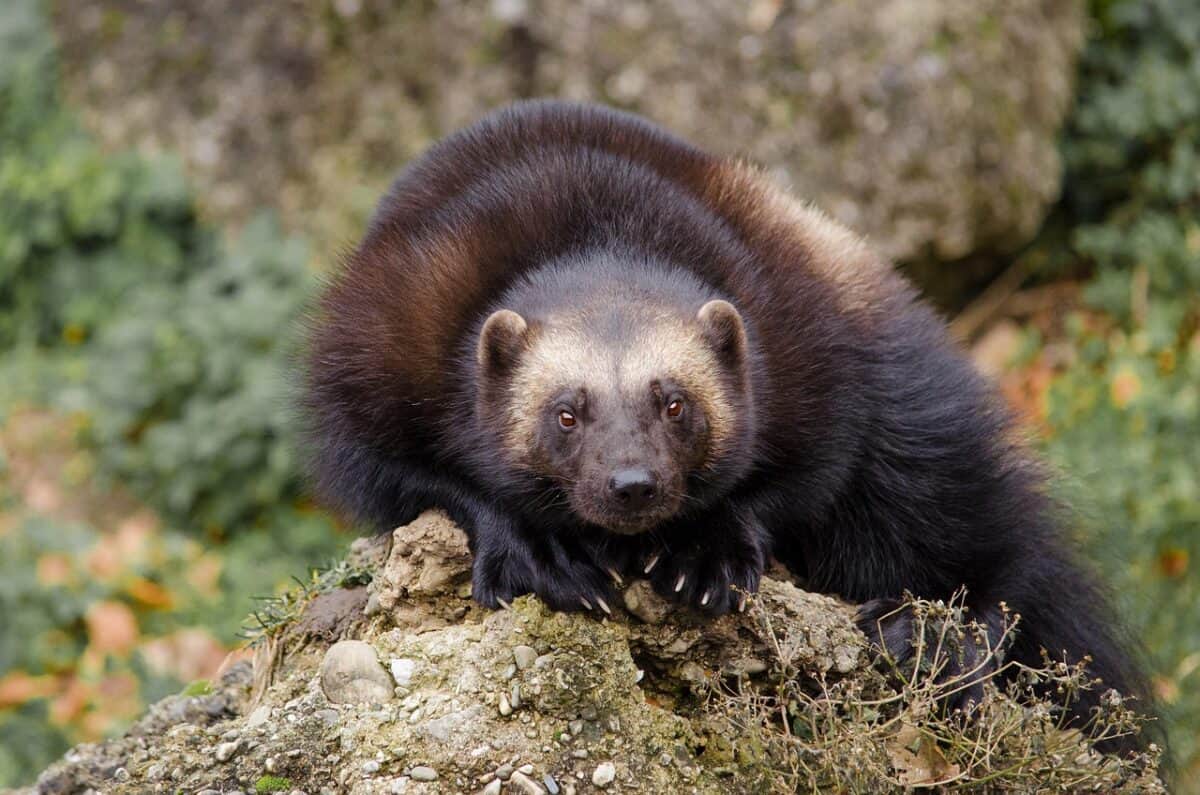
The wolverine, often associated with raw power and unparalleled ferocity, has become a symbol of tenacity in the wild. Held in awe for its capacity to survive and thrive in some of the wildest terrains on Earth, the wolverine’s fierce nature is not merely a headline — it is a fact grounded in its physical attributes and behaviors. Unpacking the mysteries surrounding this elusive creature reveals much about its reputation as one of the most formidable animals in the animal kingdom. This article delves into the dynamics that make the wolverine a dangerous animal, emphasizing its physical prowess, hunting strategies, and survival tactics.
Physical Characteristics and Strength
🔥 Would you like to save this?
We'll email this post to you, so you can come back to it later!
Despite its moderate size, the wolverine boasts impressive physical strength, which aids in its survival. A member of the weasel family, its stocky, muscular build allows it to tackle prey much larger than itself. Wolverines have powerful jaws and sharp claws, tools that enhance their capacity to hunt and defend itself in the wild.
Adaptability to Harsh Environments

🔥 Would you like to save this?
We'll email this post to you, so you can come back to it later!
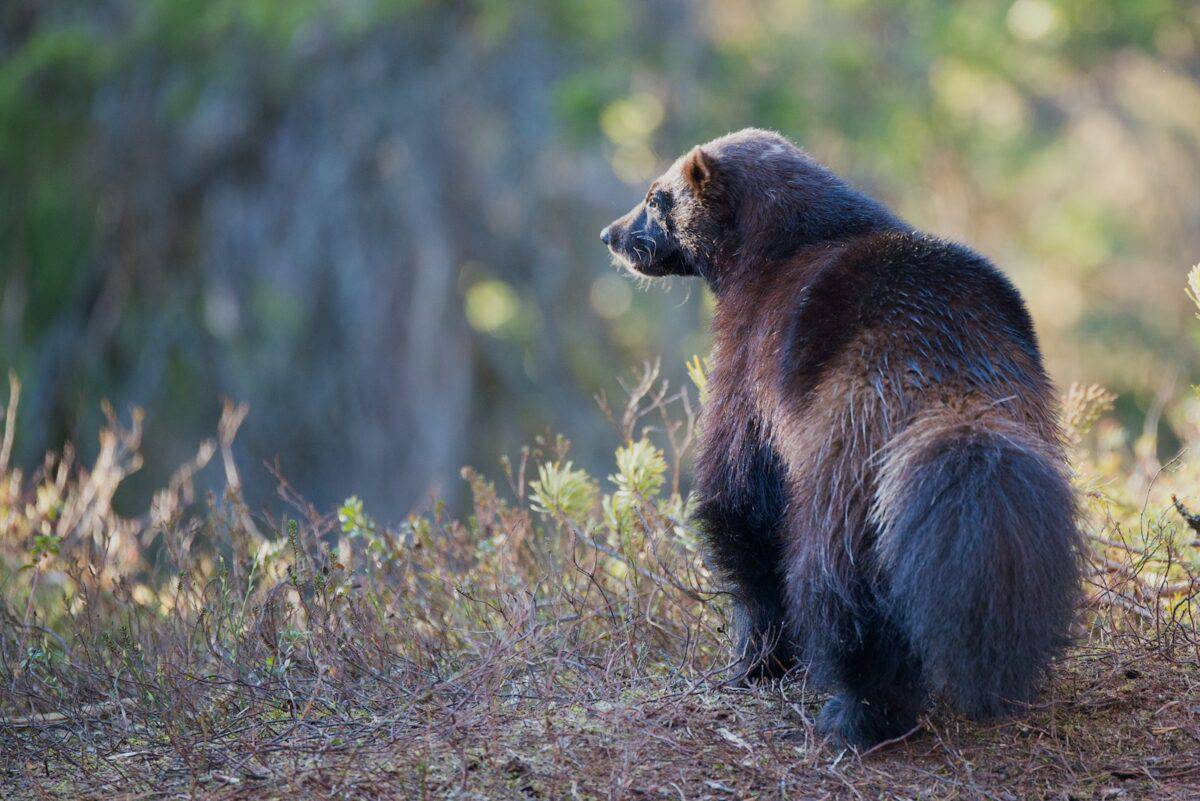
The wolverine’s habitat typically includes remote boreal forests, alpine tundras, and arctic regions — environments that test even the hardiest of creatures. Wolverines demonstrate remarkable adaptability to these harsh conditions, allowing them to forage and hunt in areas where other predators might struggle. Their thick fur coats provide insulation against severe cold, while their large paws facilitate travel across snow-covered terrain.
Carnivorous Dietary Habits

🔥 Would you like to save this?
We'll email this post to you, so you can come back to it later!
As opportunistic feeders, wolverines exhibit a diverse diet primarily consisting of meat. They often scavenge for carrion, but they are also capable hunters. With an excellent sense of smell, wolverines can detect prey deep beneath the snow. Their hunting skills are both a survival mechanism and a testament to their ferocious nature.
Intelligent Foraging and Hunting Strategies

🔥 Would you like to save this?
We'll email this post to you, so you can come back to it later!
Wolverines are known for their high levels of intelligence, which they employ in both hunting and foraging. Their strategies are thought-provoking, often involving calculated tactics to outsmart or overpower prey. This intellectual cunning makes the wolverine a formidable predator in its ecological niche.
Defensive Aggression and Territoriality

🔥 Would you like to save this?
We'll email this post to you, so you can come back to it later!
The wolverine’s aggression is not merely about hunting — it’s an integral part of its defensive mechanisms. These animals are fiercely territorial and will defend their domain with remarkable tenacity. Their aggression is particularly evident during disputes over food or territory, often squaring off against animals that would seemingly overpower them.
Reproductive Instincts and Maternal Protection
🔥 Would you like to save this?
We'll email this post to you, so you can come back to it later!
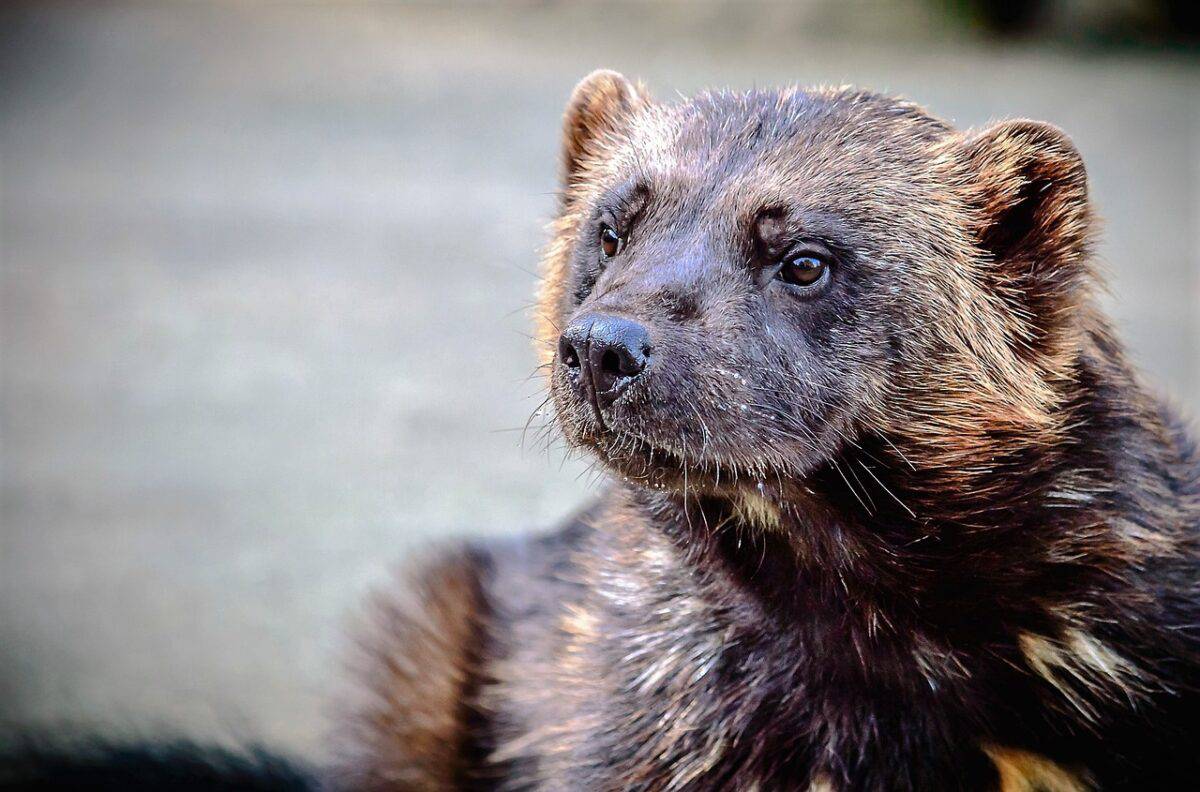
Wolverines exhibit strong maternal instincts, a key factor in the species’ survival. Mother wolverines will defend their young vigorously against potential threats. This protective nature ensures the continuation of their lineage in environments that are both competitive and hostile.
Behavioral Mystique and Elusiveness

🔥 Would you like to save this?
We'll email this post to you, so you can come back to it later!
Eluding both predators and humans alike, the wolverine’s mysterious behavior adds to its formidable reputation. They possess a home range that can span hundreds of square kilometers, making them hard to study and understand fully. This elusiveness is a defense mechanism, allowing wolverines to avoid threats while maintaining their territory.
Social Dynamics and Solitude

🔥 Would you like to save this?
We'll email this post to you, so you can come back to it later!
Often solitary, wolverines typically avoid social interactions outside of mating season. This solitude minimizes encounters with competitors and threats, allowing them to exploit resources without having to share. Such independence enhances their survival prospects in the wild.
Conflict with Larger Predators

🔥 Would you like to save this?
We'll email this post to you, so you can come back to it later!
In the wild, wolverines often come into conflict with larger predators, such as bears and wolves. Despite the size disadvantage, wolverines can hold their ground through displays of aggression and fearlessness. Their reputation as fearless fighters discourages many potential attackers and rivals.
Impressive Traveling Capabilities

🔥 Would you like to save this?
We'll email this post to you, so you can come back to it later!
With the ability to travel vast distances, wolverines demonstrate remarkable stamina and endurance. This trait is not only advantageous in searching for food but also in establishing and patrolling extensive territories. Their endurance is a crucial element of their survival strategy.
Conservation Status and Human Interaction

🔥 Would you like to save this?
We'll email this post to you, so you can come back to it later!
Although considered a formidable predator, the wolverine faces challenges from habitat destruction and climate change. Human encroachment poses a significant threat, even to such fierce creatures. Moreover, conservation efforts aim to protect these animals and understand their role in the ecosystem better.
The wolverine is a fascinating study in evolutionary genius, blending ferocity with intelligence and adaptability. Their strength, aggression, and solitary lifestyle make them dangerous indeed, not just to their prey, but to a broader understanding of survival in the animal kingdom. Appreciating the wolverine’s place in the ecosystem underscores the complexity and interdependence of life on Earth. As we learn more about these enigmatic creatures, the respect and awe they command remind us of the intricate balances that define our natural world.

- How Koalas Survive on a Diet of Toxic (To Humans) Eucalyptus Leaves - November 5, 2026
- The Largest Python Ever Captured in Florida’s Everglades - November 5, 2026
- The Largest Sea Turtle Ever Rescued Off North Carolina - November 5, 2026