


The vastness of the ocean is home to an incredible array of life, from colossal whales to minuscule plankton. Yet, few creatures capture the imagination like the tiny fish that navigate these waters filled with potential threats. How do these small beings manage to survive amidst some of the most fearsome predators of the sea? The answer lies in their remarkable strategies and adaptations which have evolved over time. This article delves into the fascinating world of tiny fish and the ingenious ways they outsmart oceanic giants.
Uncovering the Secret Lives of Tiny Fish

🔥 Would you like to save this?
We'll email this post to you, so you can come back to it later!
Even though they often go unnoticed, tiny fish play a critical role in the marine ecosystem. Their lives are characterized by constant vigilance and a need for survival against formidable predators. Understanding their behavior and mechanisms provides insight into the incredible balance maintained in ocean life.
Camouflage: Blending in with the Surroundings

🔥 Would you like to save this?
We'll email this post to you, so you can come back to it later!
One of the most effective defense mechanisms used by tiny fish is camouflage. By changing color or pattern to match their environment, these fish make it difficult for predators to spot them. Species like the juvenile parrotfish are adept at blending into the coral reefs, providing them with a stealthy shield against threats.
Speed and Agility: Quick Escapes
🔥 Would you like to save this?
We'll email this post to you, so you can come back to it later!
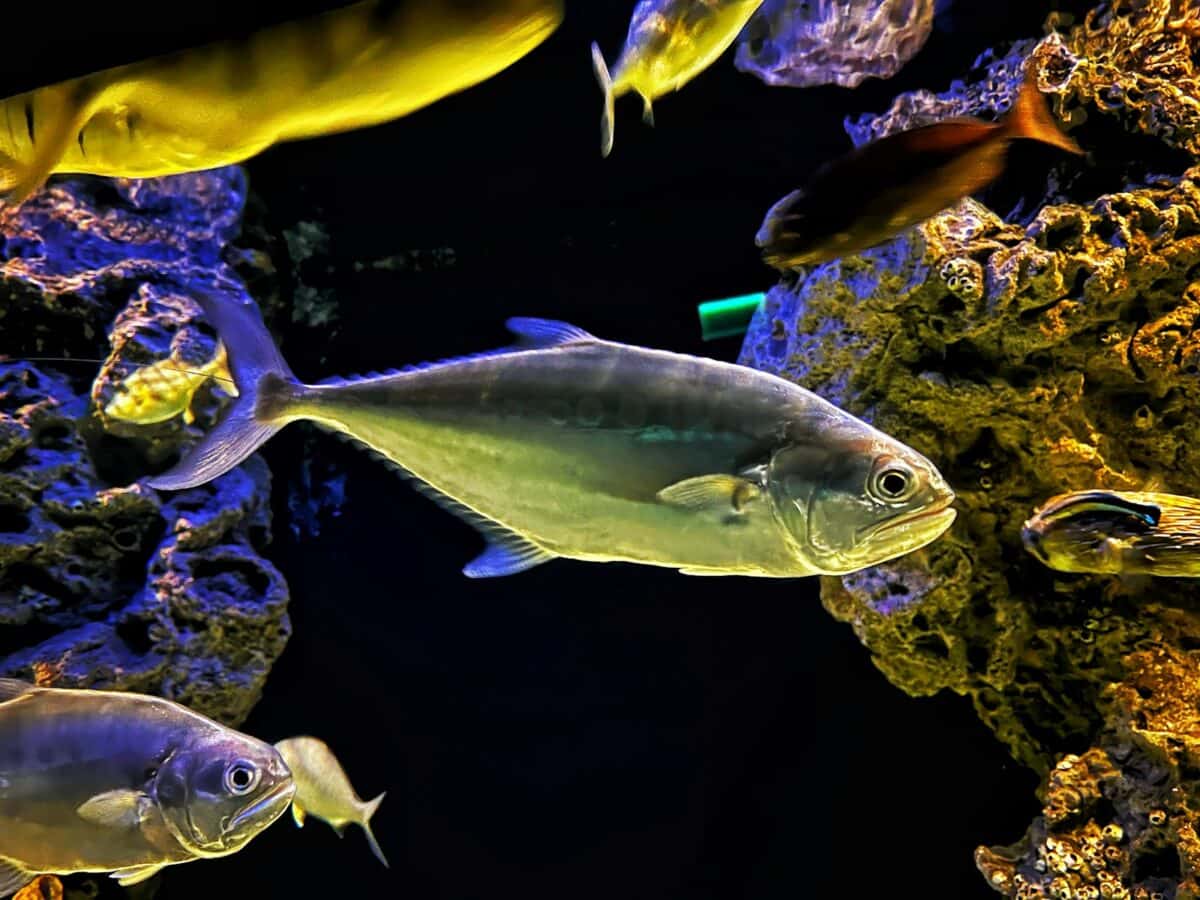
When blending in isn’t possible, speed becomes their ally. Tiny fish are often incredibly agile swimmers, capable of rapid, darting movements that can outpace predators in short bursts. This ability is crucial in open waters where hiding spots are scarce.
Schooling Behavior: Safety in Numbers

🔥 Would you like to save this?
We'll email this post to you, so you can come back to it later!
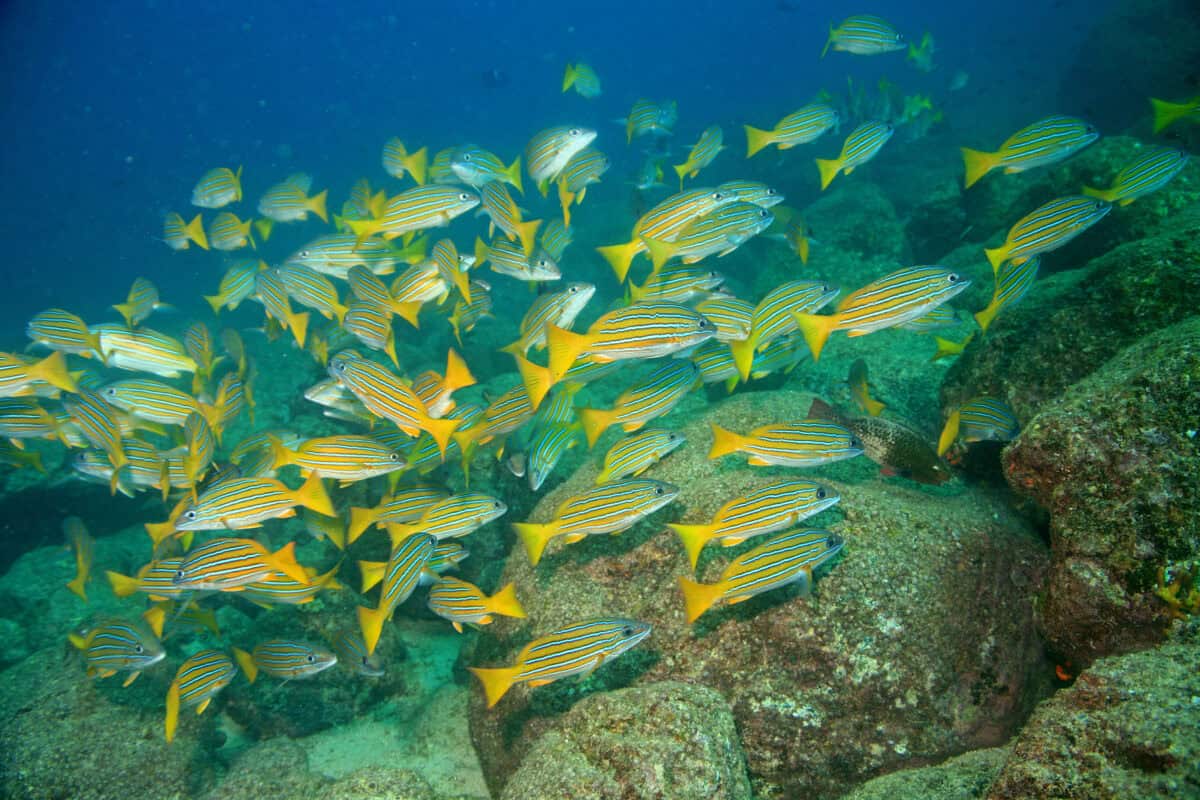
Many small fish species, such as sardines and anchovies, employ schooling behavior as a defense against predators. By moving in large, synchronized groups, they create confusion and make it difficult for predators to single out individual targets.
Mimicry: Taking on Different Forms

🔥 Would you like to save this?
We'll email this post to you, so you can come back to it later!
Mimicry is another fascinating strategy, where young fish may adopt the appearance of other, more dangerous animals. For instance, some juvenile fish mimic the appearance and motion of venomous species, deterring predators from taking a bite.
Use of Chemical Deterrents
🔥 Would you like to save this?
We'll email this post to you, so you can come back to it later!
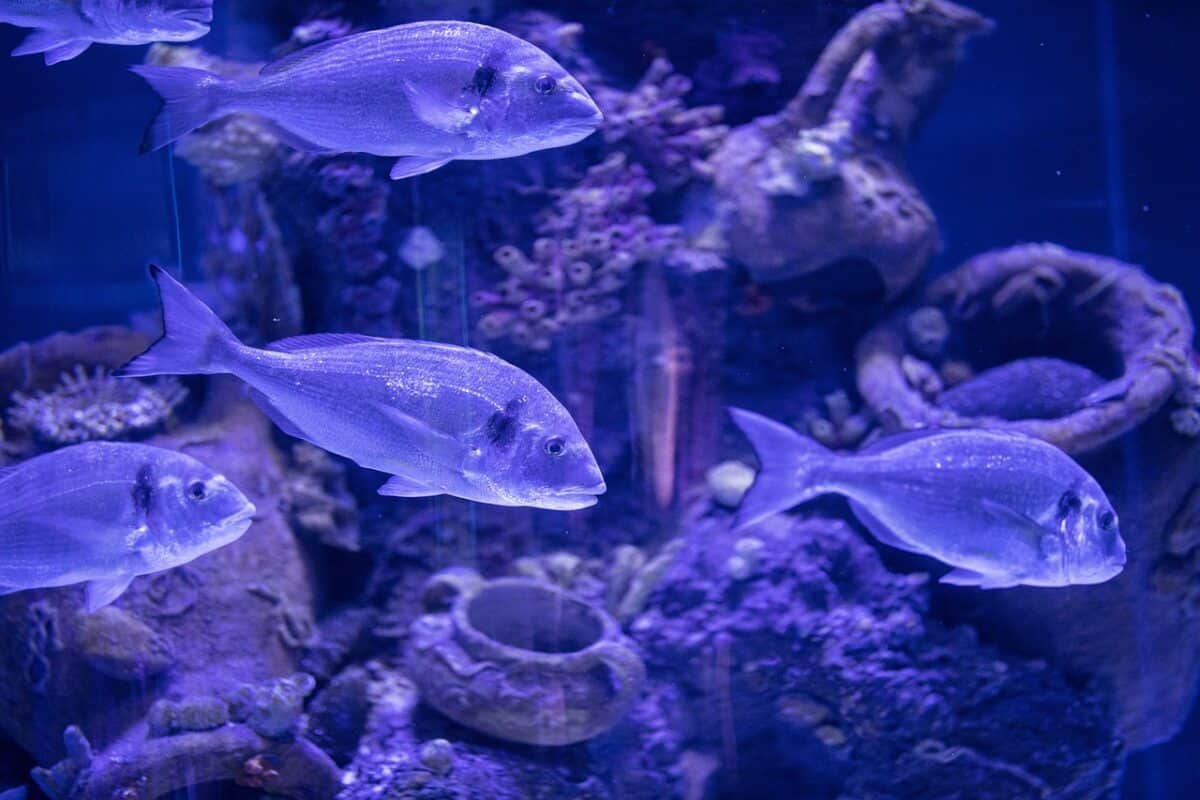
Certain species have evolved the ability to produce chemical deterrents that make them unappealing to eat. This adaptation can be seen in small, brightly colored fish that signal their toxicity, warning off predators before an attack even occurs.
Hiding in Plain Sight: The Art of Stealth

🔥 Would you like to save this?
We'll email this post to you, so you can come back to it later!
Fish like the razorfish utilize a unique form of stealth by hiding vertically among sea grass or corals. This not only makes them difficult to spot but also allows them to ambush small prey, turning the tide in their favor.
Creating Distractions: The Use of Bioluminescence

🔥 Would you like to save this?
We'll email this post to you, so you can come back to it later!
Bioluminescence serves as both an offensive and defensive strategy. Some small fish emit light to confuse predators or to communicate with their own kind, creating dazzling underwater displays that confound their enemies.
Playing Dead: The Art of Deception
🔥 Would you like to save this?
We'll email this post to you, so you can come back to it later!
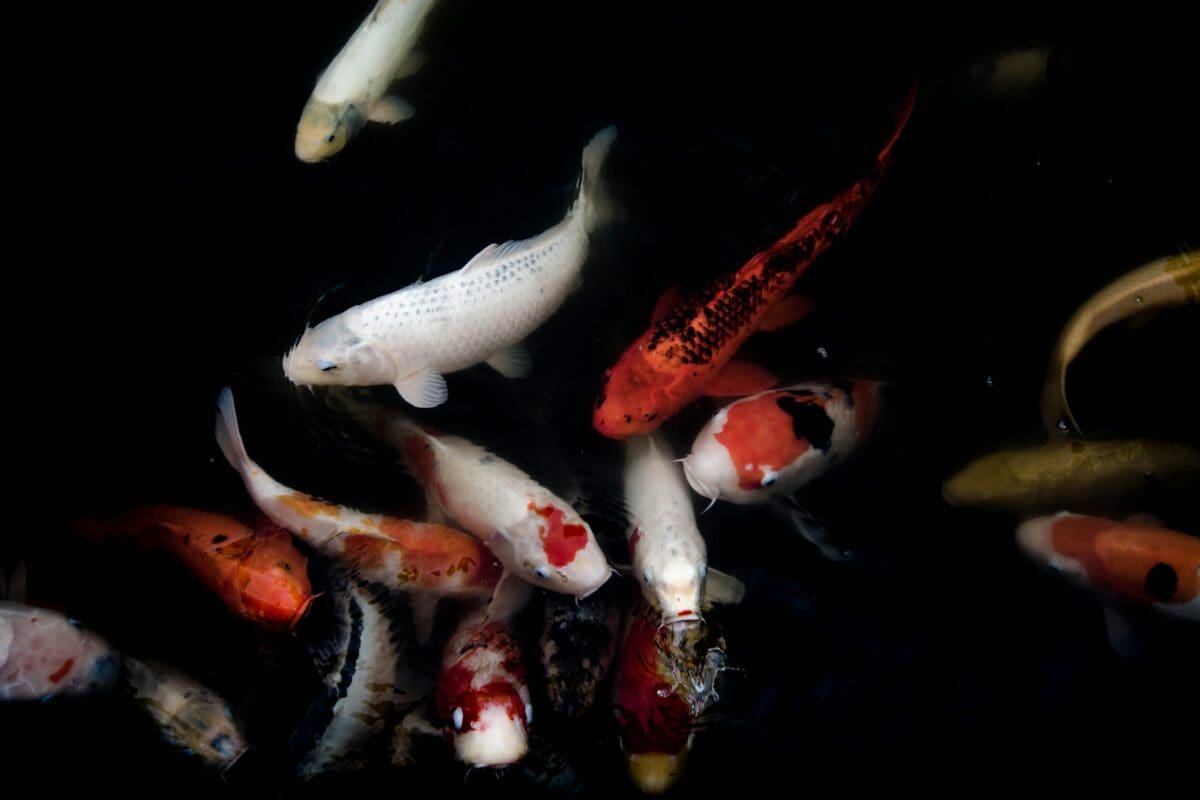
In a dramatic display of cunning, some tiny fish play dead to avoid predation. By remaining motionless, they can deceive predators into losing interest, only to make a quick escape once danger has passed.
Mutualism: Forming Alliances with Other Species
🔥 Would you like to save this?
We'll email this post to you, so you can come back to it later!
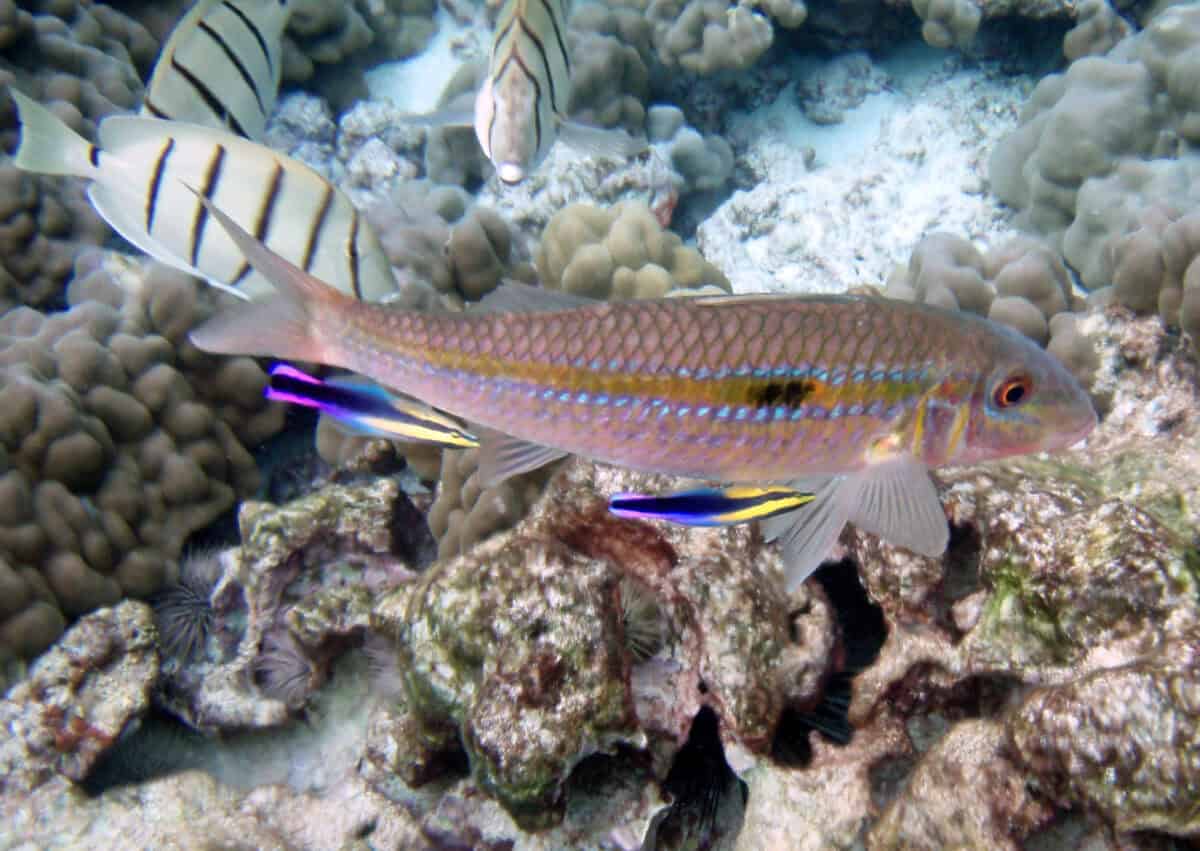
Forging partnerships with other sea creatures can be an ingenious survival tactic. For instance, the relationship between cleaner fish and larger species allows them to live in proximity to potential predators, protected by their role in maintaining the health of their host.
Diverse Diet: Minimizing Competition
🔥 Would you like to save this?
We'll email this post to you, so you can come back to it later!
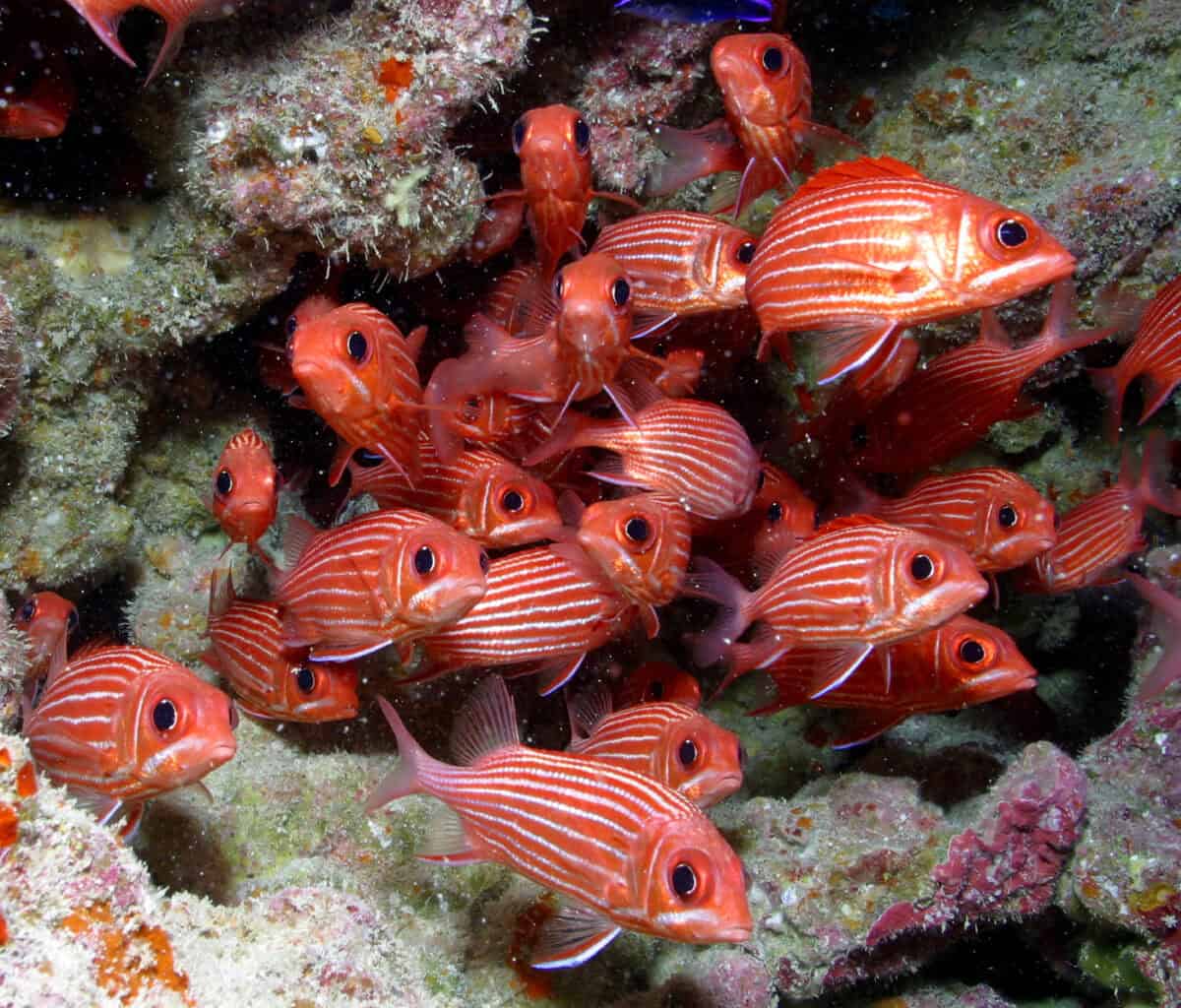
Many tiny fish have adapted to consume a wide range of food sources, reducing competition for resources and allowing them to thrive in varied environments. This dietary flexibility aids their survival by granting them access to niches less crowded by other fish.
Constant Adaptation: Evolving Over Time
🔥 Would you like to save this?
We'll email this post to you, so you can come back to it later!
The story of these tiny fish is one of continual evolution. As predators evolve new hunting methods, so too do small fish develop new ways of evasion. This relentless arms race is a testament to the resilience and adaptability of these creatures.
In conclusion, the survival of tiny fish in the ocean is not simply a result of chance but rather a complex interplay of evolutionary traits and behaviors. Through strategies like camouflage, schooling, mimicry, and alliances, these aquatic marvels navigate the perils of their environment with aplomb. Understanding these tiny fish is a window into the intricacies of marine life and a reminder of the sheer ingenuity present in nature’s design.

- How Koalas Survive on a Diet of Toxic (To Humans) Eucalyptus Leaves - November 5, 2026
- The Largest Python Ever Captured in Florida’s Everglades - November 5, 2026
- The Largest Sea Turtle Ever Rescued Off North Carolina - November 5, 2026
Leave a comment
You must be logged in to post a comment.