


Pollinators play a crucial role in our ecosystem, facilitating the reproduction of over 80% of flowering plants and contributing to the production of one-third of the food we consume. While sugar water feeders are a common method to attract certain pollinators like hummingbirds, they come with drawbacks including maintenance requirements, potential for harboring harmful bacteria, and the provision of incomplete nutrition. Fortunately, there are numerous natural, sustainable alternatives that not only attract a wider variety of pollinators but also create a healthier ecosystem in your garden. This article explores effective strategies to attract and support pollinators without relying on sugar water solutions, from plant selection to habitat creation.
Understanding the Importance of Pollinators
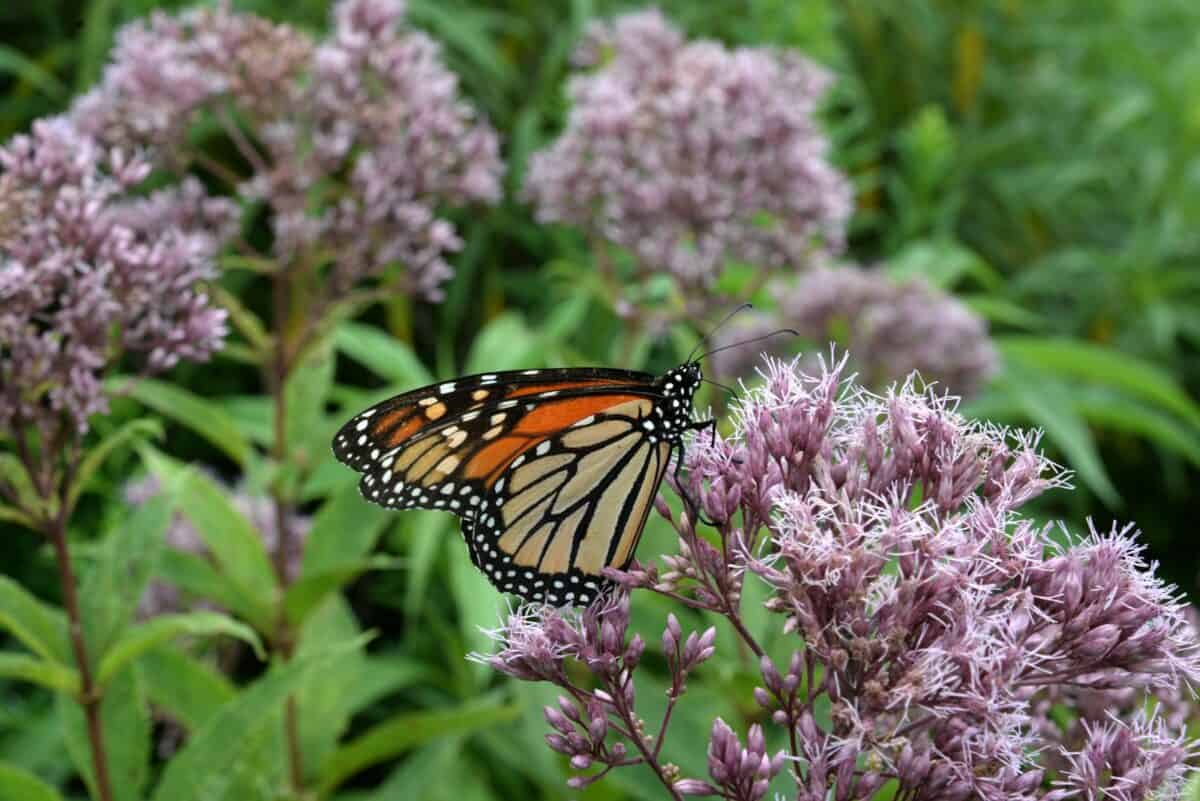
Pollinators are essential for biodiversity and food production worldwide. Bees, butterflies, moths, beetles, birds, and even some mammals transfer pollen between flowers, enabling plant fertilization and reproduction. According to the U.S. Department of Agriculture, insect pollinators contribute to the production of approximately $20 billion worth of agricultural products annually in the United States alone. Beyond their economic value, pollinators support ecosystem health by maintaining plant diversity and providing food sources for wildlife. Recent years have seen alarming declines in pollinator populations due to habitat loss, pesticide use, climate change, and disease. By creating pollinator-friendly spaces without artificial feeding methods, we can help reverse these trends while enjoying the beauty and bounty these creatures bring to our gardens.
Native Plant Selection: The Foundation of Pollinator Attraction

Native plants form the cornerstone of any successful pollinator garden. These plants have co-evolved with local pollinator species, making them perfectly adapted to meet the nutritional needs of native insects and birds. Research from the National Wildlife Federation shows that native plants support three times more species of butterflies and moths than non-native plants. When selecting native plants, aim for diversity in bloom times to provide year-round resources. Early spring bloomers like redbud (Cercis canadensis) and wild columbine (Aquilegia canadensis) support pollinators emerging from winter dormancy, while late-season flowers such as goldenrod (Solidago spp.) and asters provide crucial resources before winter. Contact your local extension office or native plant society for recommendations specific to your region, as native plant species vary significantly by geography.
Creating a Succession of Blooms Throughout the Seasons
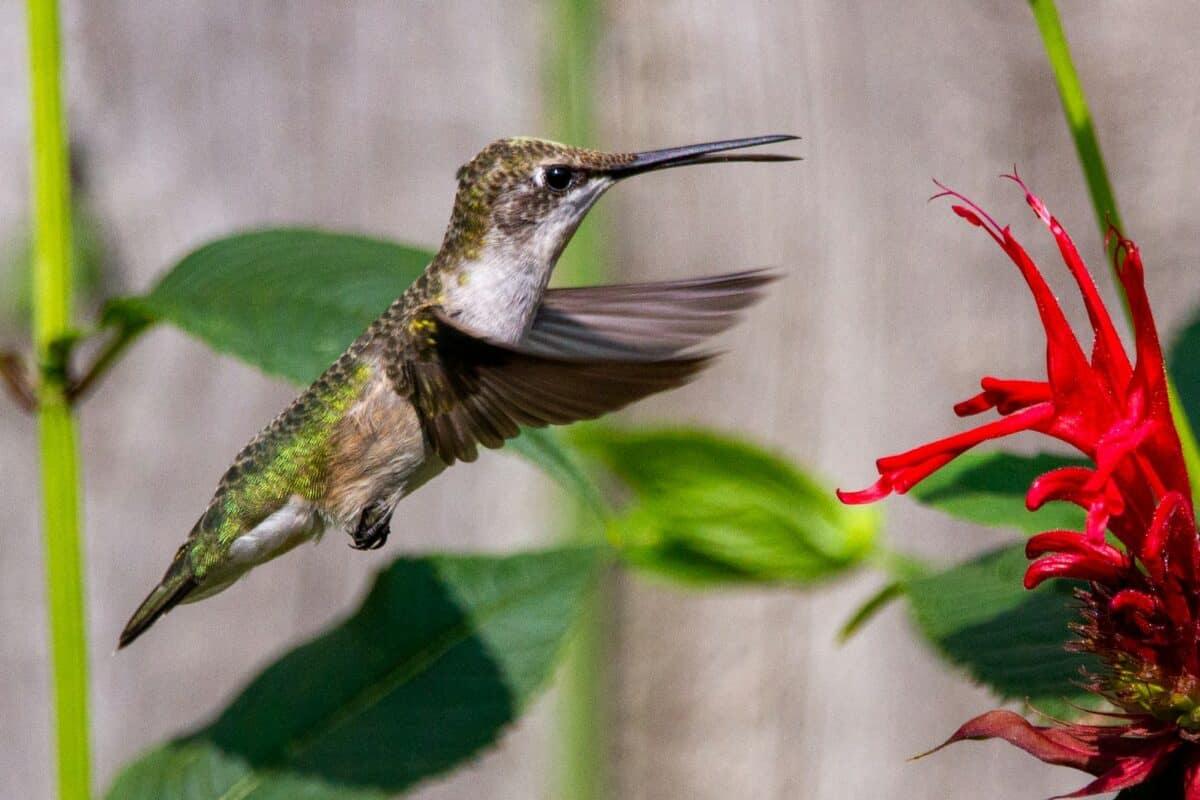
A successful pollinator garden provides continuous nectar and pollen sources from early spring through late fall. This “succession planting” approach ensures pollinators have reliable food sources throughout their active seasons. In early spring, incorporate plants like crocus, wild indigo, and serviceberry. For summer blooming, consider coneflowers (Echinacea), bee balm (Monarda), and native milkweeds (Asclepias). Late-season bloomers should include New England aster, Joe-Pye weed, and ironweed. Research conducted at the University of Kentucky found that gardens with continuous bloom succession attracted and maintained pollinator populations at rates 40% higher than gardens with concentrated bloom periods. Create a planting calendar specific to your hardiness zone to identify potential gaps in bloom times and supplement accordingly. The goal is to have at least three different species flowering during each season to support diverse pollinator needs.
Choosing Nectar-Rich Flower Varieties

Not all flowers are created equal when it comes to nectar production. Research from the Xerces Society indicates that certain flower varieties produce significantly more nectar than others, making them pollinator magnets. Top nectar producers include bee balm (Monarda), butterfly bush (Buddleia), purple coneflower (Echinacea purpurea), and common milkweed (Asclepias syriaca). Consider flower shape as well—different pollinators prefer different flower structures. Butterflies favor flat-topped clusters they can land on, like zinnias and cosmos. Hummingbirds seek tubular flowers such as cardinal flower (Lobelia cardinalis) and trumpet honeysuckle (Lonicera sempervirens). Bees particularly benefit from plants in the mint family (Lamiaceae) and composite flowers like sunflowers. When selecting plants, opt for single flower varieties rather than doubles or highly cultivated forms, as these often produce less nectar and pollen and may be inaccessible to pollinators due to their complex petal arrangements.
The Power of Native Wildflower Meadows
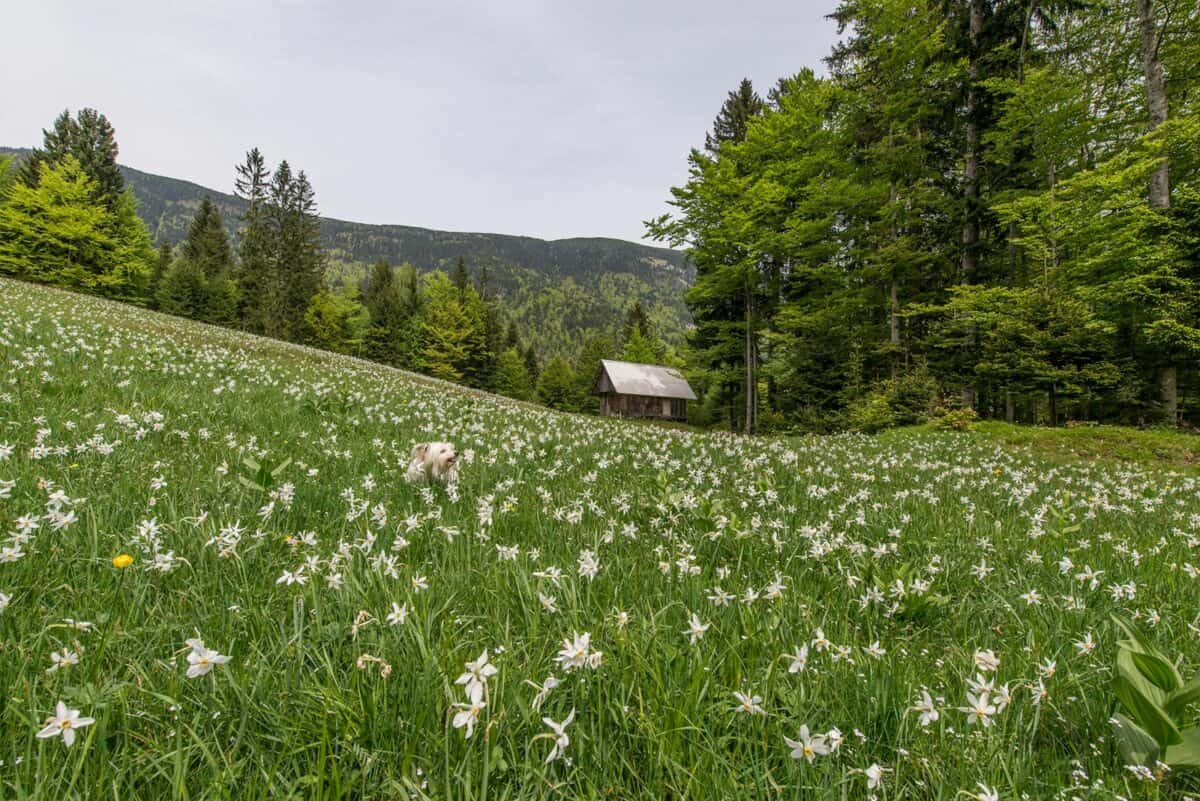
Converting even a small portion of your yard into a native wildflower meadow creates a powerful pollinator attraction zone. Studies from the University of California have demonstrated that wildflower meadows can support up to seven times more pollinator species than traditional lawns. To create a meadow, select a site that receives at least 6 hours of sunlight daily. Prepare the area by removing existing vegetation and sow a mix of native wildflower seeds appropriate for your region. Include both quick-establishing species for first-year blooms and longer-lived perennials for sustained habitat. Species like black-eyed Susan (Rudbeckia hirta), wild bergamot (Monarda fistulosa), and purple prairie clover (Dalea purpurea) work well in many regions. Meadows require minimal maintenance compared to traditional gardens—simply mow once annually in late fall or early spring to prevent woody plant encroachment. Even a meadow patch as small as 10×10 feet can significantly increase pollinator presence in your landscape.
Providing Water Sources for Pollinators

While sugar water is unnecessary, clean natural water is essential for pollinator health. Bees use water for drinking and cooling their hives, while butterflies extract minerals from damp soil. Create safe water sources by filling a shallow dish with pebbles or marbles and adding water to just below their tops. This provides landing spots where pollinators can safely access water without drowning. Bird baths with shallow edges or small rocks work well too. Place water features in partial shade to slow evaporation and prevent algae growth. For butterfly puddling areas, create a damp spot with sand mixed with a small amount of sea salt or wood ash to provide beneficial minerals. According to research from the University of Minnesota, gardens with accessible water sources attract up to 45% more pollinator species than those without. Maintain these water sources by refreshing them every few days to prevent mosquito breeding and bacterial growth.
Incorporating Host Plants for Butterfly Larvae
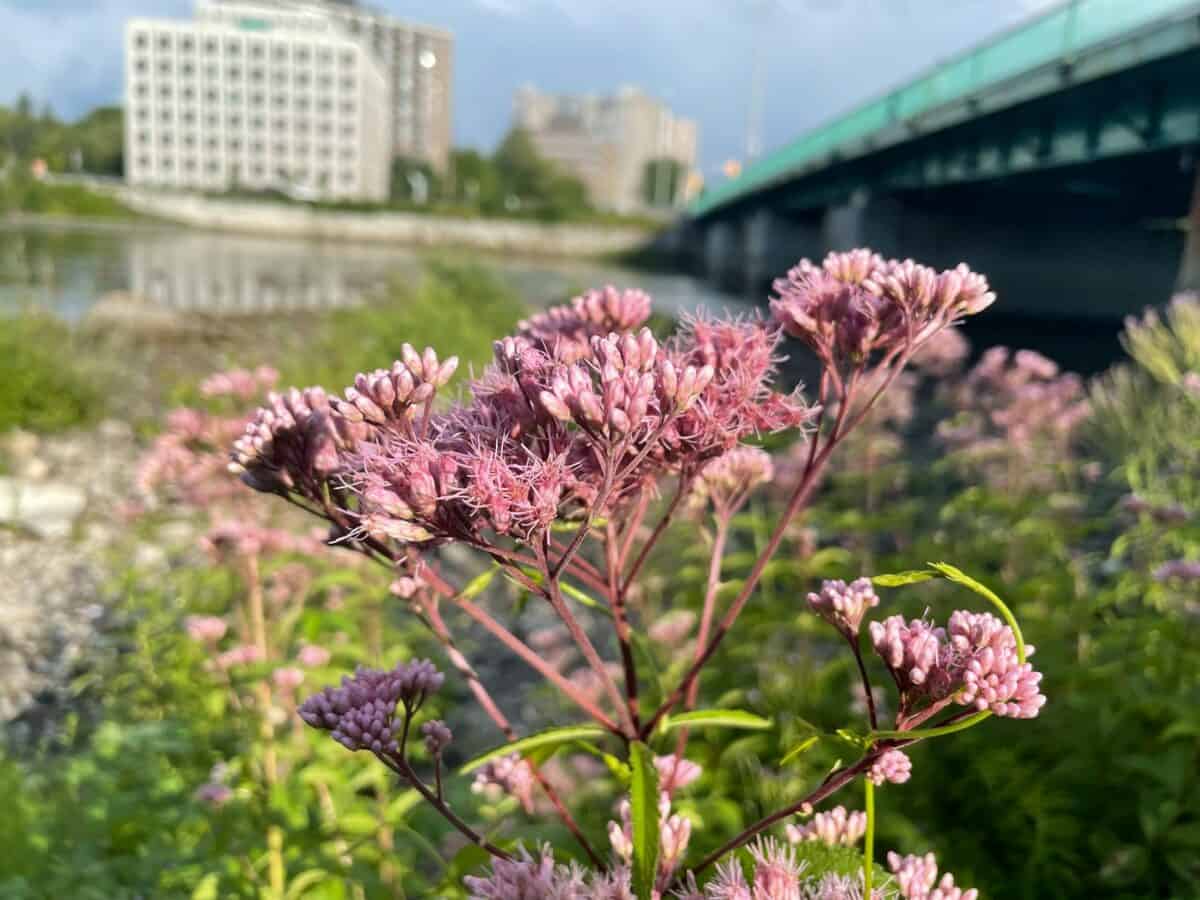
To truly support butterfly populations, gardens must include host plants for their caterpillar stages. Unlike adult butterflies that feed on nectar from various flowers, caterpillars often have specific plant requirements. Monarch butterflies, for example, exclusively lay eggs on milkweed plants (Asclepias species), while eastern black swallowtails require plants in the carrot family like dill, fennel, or parsley. Research from the University of Florida shows that gardens with both nectar sources and appropriate host plants maintain butterfly populations at levels three times higher than those with nectar sources alone. When incorporating host plants, place them strategically throughout your garden rather than in isolated areas. Expect some leaf damage—that’s a sign your garden is successfully supporting the full butterfly life cycle! Some important host plant groups include milkweeds for monarchs, violets for fritillaries, spicebush for swallowtails, and native grasses for many skipper species.
Creating Shelter and Nesting Sites
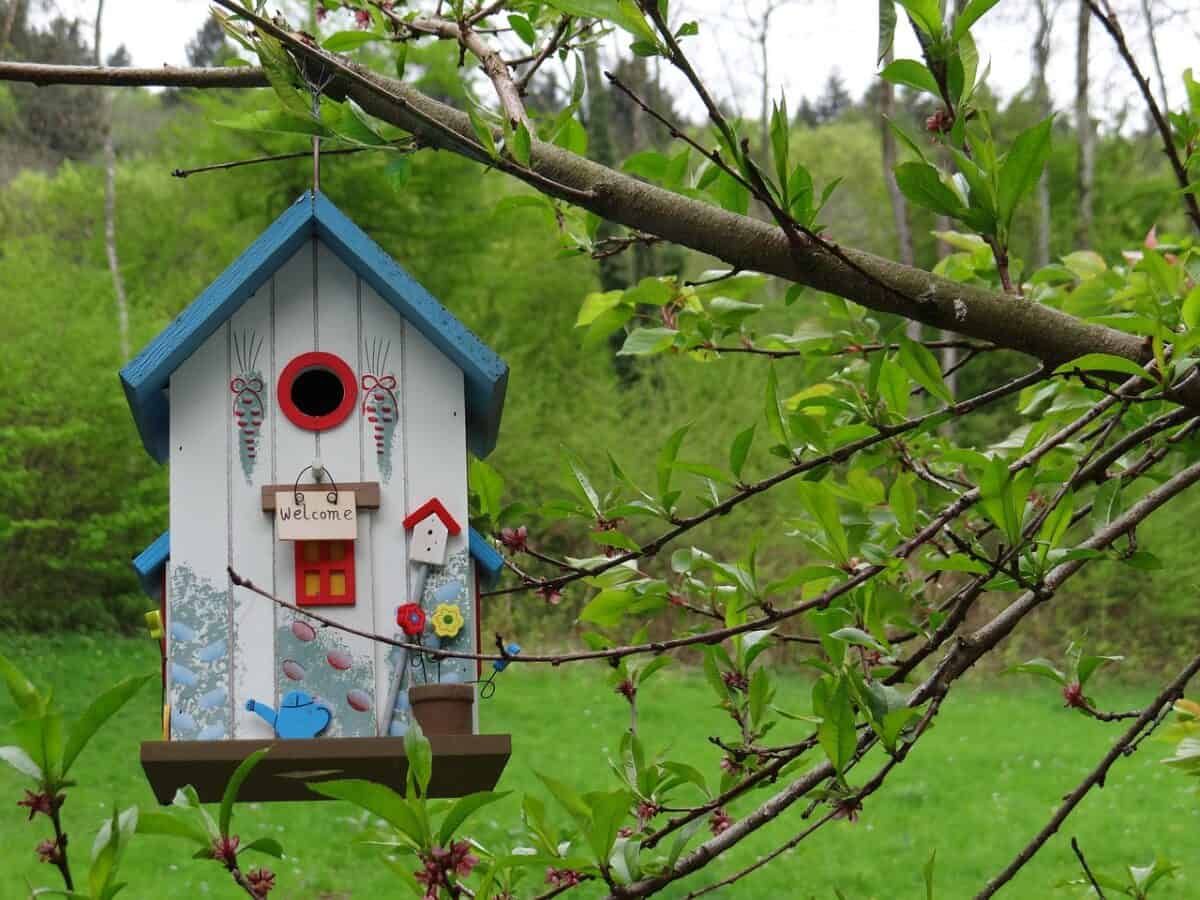
Pollinators need more than food—they require shelter for nesting, overwintering, and protection from predators. About 70% of native bee species nest in the ground, requiring patches of bare, undisturbed soil. Leave some areas with exposed soil in sunny locations for these ground-nesting bees. The remaining 30% of native bees nest in cavities like hollow plant stems or holes in wood. Preserve dead tree snags when safe to do so, or create bee houses using untreated wooden blocks drilled with holes of various diameters (2mm-10mm) and 6-8 inches deep. For butterflies, provide brush piles, rock crevices, or purpose-built butterfly houses. Avoid fall cleanup in some garden areas—many pollinators overwinter in leaf litter or inside hollow plant stems. Research from Michigan State University demonstrates that gardens with diverse shelter options support pollinator diversity 60% higher than those focused solely on floral resources.
Eliminating Pesticide Use
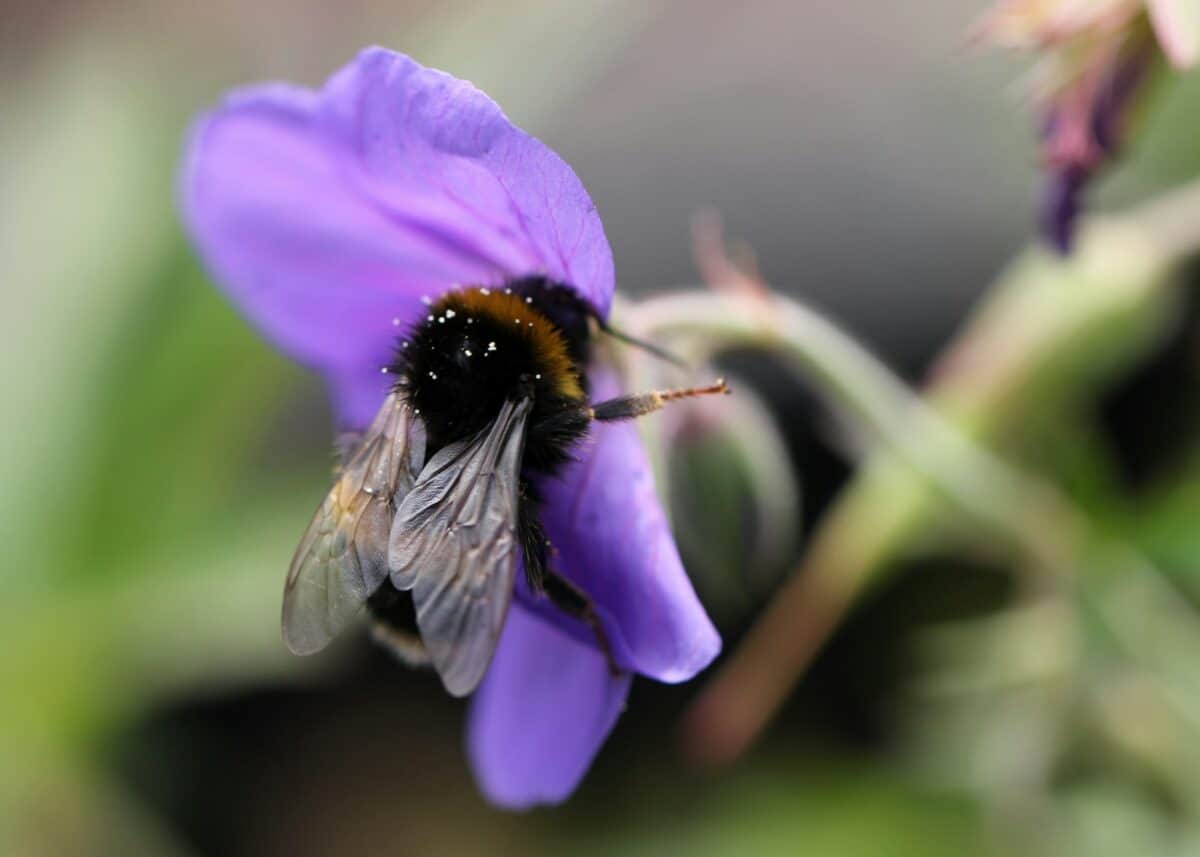
Pesticides, including insecticides, herbicides, and fungicides, pose significant threats to pollinator health. A landmark study published in Nature showed that even sub-lethal exposure to common pesticides impairs bee navigation, foraging efficiency, and reproduction. To create a truly pollinator-friendly garden, commit to organic practices that avoid synthetic chemicals. If pest management becomes necessary, start with the least toxic options like hand-picking, water sprays, or insecticidal soaps applied only to affected plants during evening hours when pollinators are less active. Encourage beneficial insects by planting umbel-flowered plants like dill and fennel that attract predatory insects such as ladybugs and parasitic wasps. Create healthy soil using compost and mulch to grow stronger plants naturally resistant to pests and diseases. If neighborhood mosquito spraying occurs, advocate for notification systems so you can protect your pollinator habitats during treatment times. Remember that a few holes in leaves indicate a functioning ecosystem rather than a garden failure.
Designing Garden Layouts to Maximize Pollinator Attraction
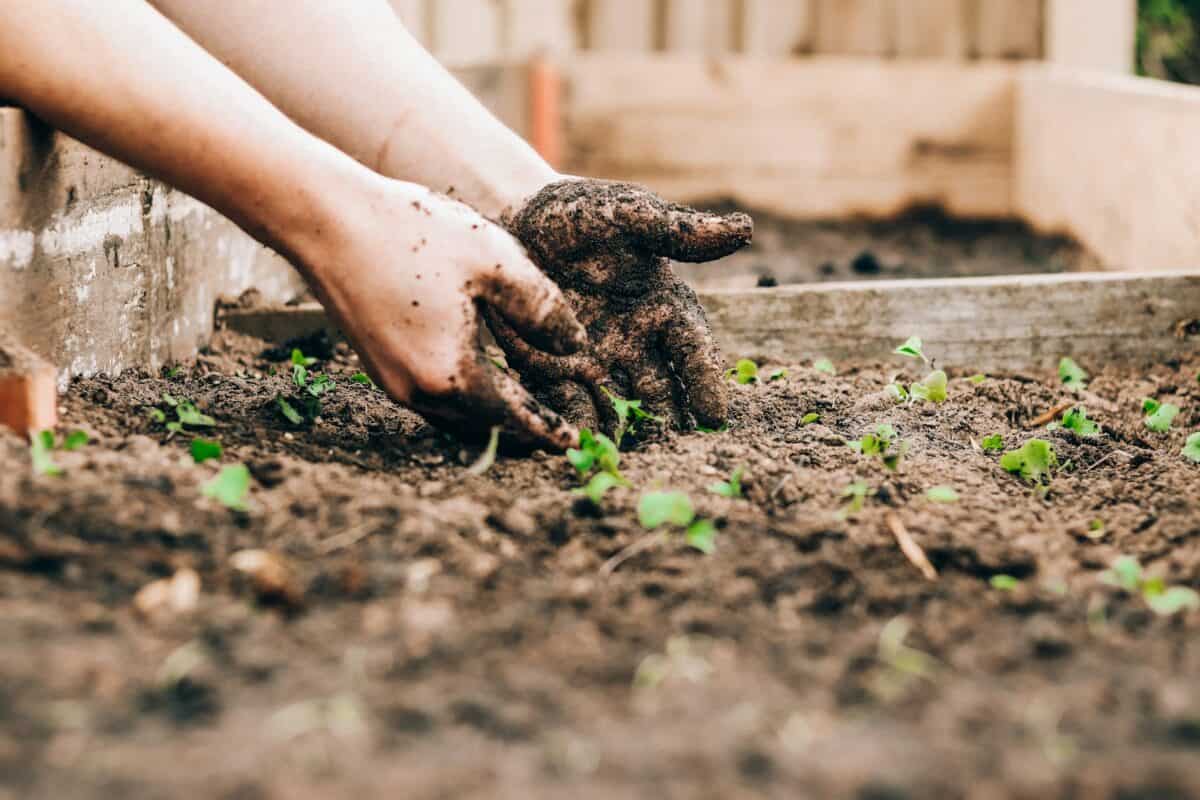
The arrangement of plants significantly impacts pollinator visitation rates. Research published in the Journal of Applied Ecology found that gardens with plants grouped in clusters of at least three feet in diameter attracted five times more pollinators than those with scattered individual plants. This “mass planting” approach creates visible landing pads for flying pollinators and reduces energy expenditure during foraging. Design gardens with varying heights to create microclimates and multiple feeding zones—ground covers, mid-height perennials, and taller background plants. Incorporate windbreaks using shrubs or decorative grasses to create sheltered areas where pollinators can feed even on breezy days. Studies show that pollinator gardens receive maximum visitation when placed in sunny locations with at least 6 hours of direct sunlight. Consider site-specific conditions like drainage and soil type when selecting plants to ensure they thrive without excessive intervention. Finally, connect garden spaces to create pollinator corridors rather than isolated habitat islands.
Leveraging Trees and Shrubs for Pollinators
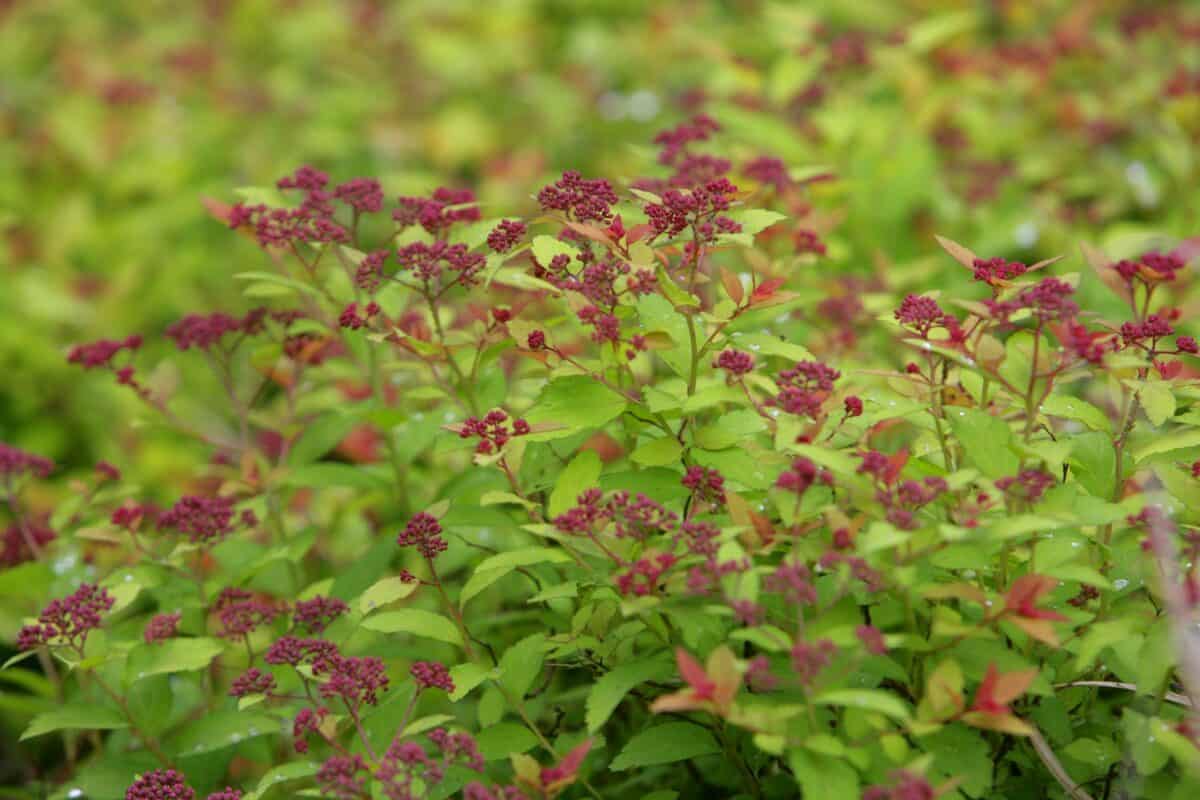
While perennial and annual flowers often receive the most attention in pollinator gardening, trees and shrubs provide critical resources, especially in early spring when other food sources are scarce. Early-blooming trees like willows, maples, and redbuds offer the first substantial nectar and pollen of the season, supporting queen bumblebees emerging from hibernation and honey bee colonies building spring populations. Native flowering shrubs such as serviceberry, ninebark, and elderberry bridge the gap between spring tree bloom and summer perennials. Research from the Pollinator Partnership shows that landscapes incorporating native flowering trees and shrubs support 40% more bee species than those with herbaceous plants alone. These woody plants also provide nesting sites, shelter from weather extremes, and in many cases, serve as host plants for butterfly caterpillars. As permanent landscape features, trees and shrubs create sustainable habitat with minimal maintenance once established.
Community Approaches to Pollinator Support
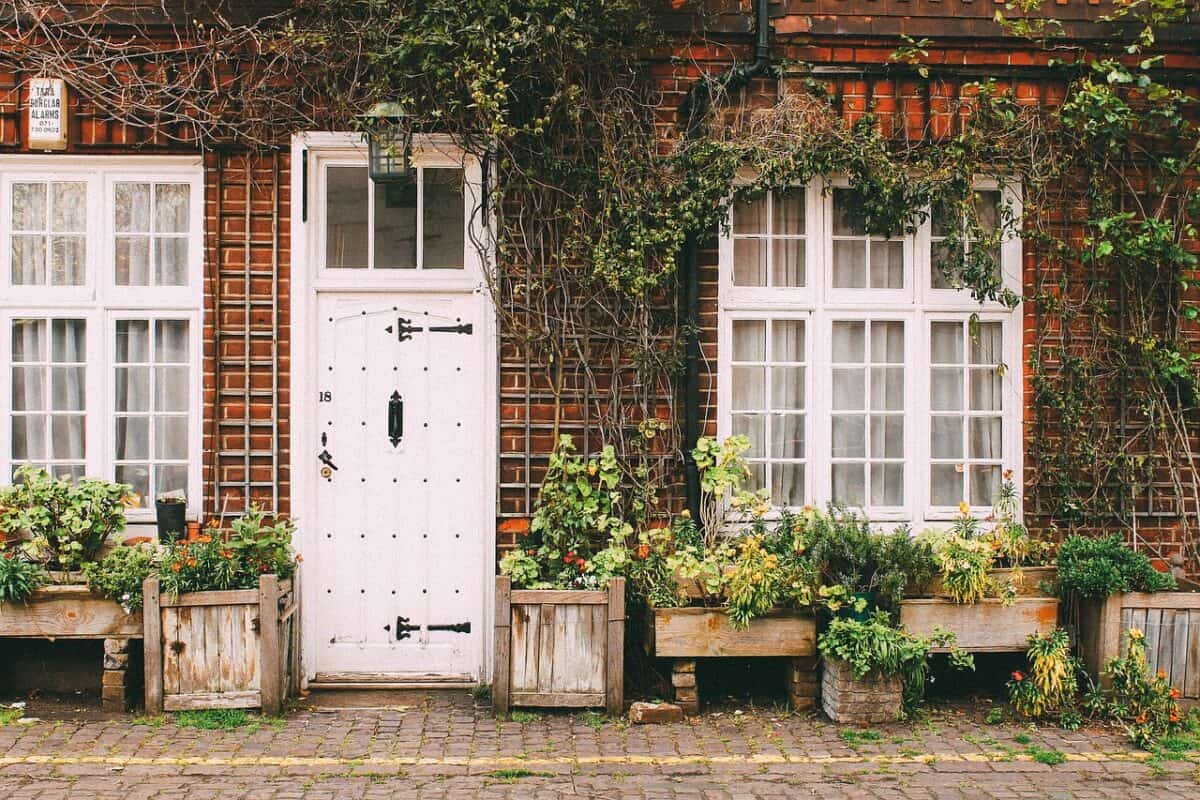
Individual gardens create valuable habitat islands, but community-wide approaches amplify the impact on pollinator populations. Research from Cornell University’s Department of Entomology demonstrates that neighborhoods with connected pollinator-friendly properties support 67% more pollinator diversity than those with isolated gardens. Start by speaking with neighbors about coordinated planting efforts to create pollinator corridors. Consider sidewalk strip plantings, shared community gardens, or neighborhood plant swaps featuring pollinator-friendly natives. Work with local schools to establish educational pollinator gardens, or partner with municipal governments to incorporate pollinator plants into public spaces. Many cities now have pollinator pathway programs that connect properties with pollinator-friendly landscaping. Faith communities often have substantial land that can be converted to pollinator habitat, combining ecological stewardship with spiritual values. By scaling up from individual yards to community landscapes, pollinator conservation efforts can create meaningful impact at the ecosystem level.
Attracting pollinators without sugar water represents a more holistic, sustainable approach to supporting these essential creatures. By focusing on diverse native plantings, continuous bloom succession, natural water sources, and appropriate habitat features, gardeners create genuine ecosystems rather than temporary feeding stations. The benefits extend far beyond the pollinators themselves—these approaches increase overall biodiversity, reduce maintenance requirements, decrease water usage, and create more resilient landscapes. As pollinator populations face unprecedented challenges globally, individual actions in our gardens and communities can collectively create meaningful change. Whether you have acres of land or a small balcony, implementing even a few of these strategies will help sustain the pollinators that sustain our world.

- Owls and Other Forest Dwellers of the Cascades - July 19, 2026
- What Happens When a Python Eats Something Too Big? - July 19, 2026
- Baby Koalas Hug Their Moms for Safety and Comfort - July 19, 2026
Leave a comment
You must be logged in to post a comment.