

When it comes to managing pests in gardens and agricultural fields, many people turn to chemical pesticides for a quick fix. However, these substances can have lasting detrimental effects on ecosystems, human health, and beneficial organisms. As an environmentally friendly alternative, employing predatory insects can be an effective and sustainable solution. These insects are natural pest control agents, preying on common pests and keeping their populations in check. Understanding the types of predatory insects and how to attract them can help you harness their pest-fighting potential.
Identifying Key Predatory Insects
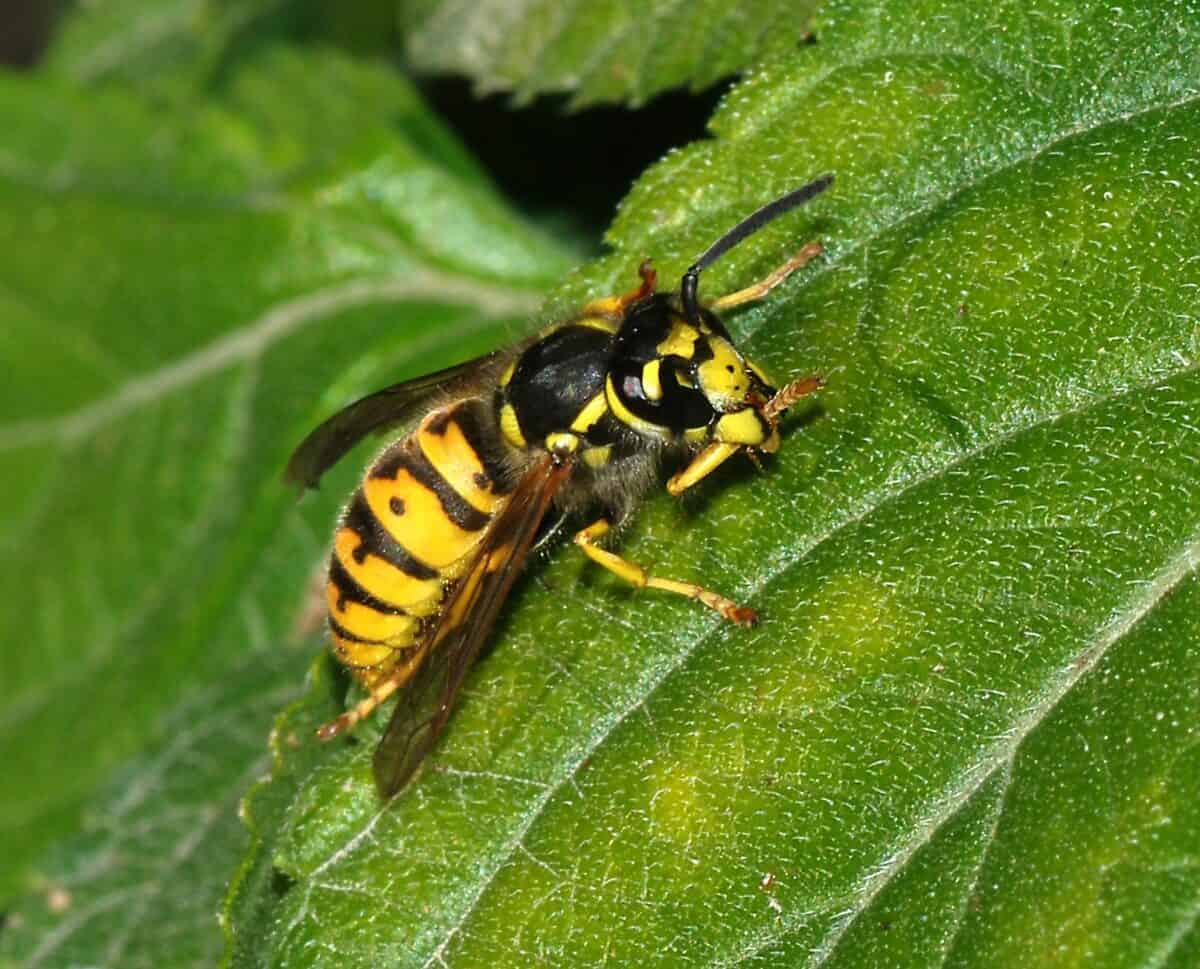
To attract predatory insects, it’s important to first identify which types are beneficial for your specific pest problems. Some commonly recognized predatory insects include ladybugs, lacewings, parasitic wasps, and certain beetles. Ladybugs, for instance, are voracious consumers of aphids, mites, and other soft-bodied insects. Lacewing larvae, often referred to as “aphid lions,” also feed aggressively on aphids, whiteflies, and caterpillars. Parasitic wasps lay their eggs inside pest insects, effectively reducing their numbers. Ground beetles are known to target soil-dwelling pests, such as slugs and root maggots.
Creating a Hospitable Environment

Attracting predatory insects starts with creating a hospitable environment that meets their needs for food, shelter, and breeding. One effective way to do this is by diversifying your plantings. Incorporating a variety of flowering plants, especially those native to your region, will provide nectar and pollen that attract adult predatory insects. Some beneficial plants include yarrow, fennel, dill, and marigolds, which are particularly enticing to ladybugs and parasitic wasps.
Providing shelter is equally important. Many beneficial insects will overwinter or seek refuge in leaf litter, compost heaps, or dense plant foliage. Avoid overly manicured gardens and embrace a slightly wilder aesthetic to accommodate these insects. Additionally, provide small water sources, such as shallow dishes with stones, to ensure they remain hydrated.
Using Companion Planting and Habitat Enhancements
Companion planting is another valuable technique for attracting predatory insects. This involves planting certain crops in proximity that support each other’s growth while deterring pests or attracting beneficial insects. For instance, planting basil with tomatoes not only enhances flavor but also repels certain pests while drawing in parasitic wasps.
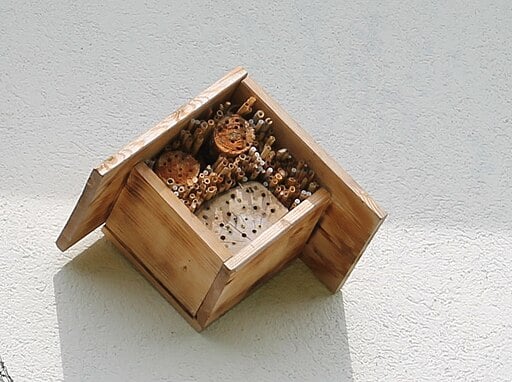
Habitat enhancements like insect hotels and hedgerows can also encourage predatory insects to take up residence. Insect hotels, made from hollow stems, wood, or other materials with crevices, offer nesting sites for various insects. Installing hedgerows or perennial pollinator strips around garden borders provides continuous habitat and foraging opportunities throughout the seasons.
Avoiding Practices That Deter Predatory Insects

While attracting predatory insects, it’s crucial to avoid practices that could deter them. The use of broad-spectrum pesticides can harm both pests and beneficial insects. Instead, focus on targeted, organic pest control methods when necessary. Additionally, excessive weed removal or over-tillage can destroy habitats. Opt for minimal disturbance where possible, allowing ecosystems to balance naturally.
Monitoring and Encouraging Beneficial Populations

Once you have established an inviting environment, regular monitoring will help gauge the effectiveness of your efforts. Observe plant health, pest populations, and the presence of predatory insects. Encourage and protect beneficial insect populations by continuing to diversify your plantings and maintaining habitat features.
By understanding and implementing these strategies, you can effectively attract predatory insects to your garden or agricultural areas. This approach not only contributes to sustainable pest management but also fosters biodiversity, promoting a healthier and more resilient ecosystem.

- The Surprising Benefits of Petting Your Animal for Your Own Health - August 10, 2026
- How to Attract Predatory Insects to Fight Pests - August 10, 2026
- 15 Everyday Household Items Surprisingly Dangerous to Your Pets - August 10, 2026
Leave a comment
You must be logged in to post a comment.