

Picture this: you walk through your front door after a long day, and your beloved animal family greets you with pure joy. Your dog’s tail wags so hard it might knock over a lamp, your cat purrs from their perch on the windowsill, and the quiet flutter of your bird’s wings whispers contentment. This isn’t just a dream home for you; it’s a sanctuary where every creature feels genuinely safe, comfortable, and loved.
Creating a pet-friendly environment isn’t about choosing between your dream decor and your animals’ needs. It’s about thoughtfully designing a space where both beauty and functionality coexist. Whether you’re sharing your home with horses in the backyard, dogs racing through hallways, cats claiming every sunny spot, or smaller companions like birds and guinea pigs, the principles remain the same: safety first, comfort always, and love woven into every decision.
Understanding Multi-Species Household Dynamics
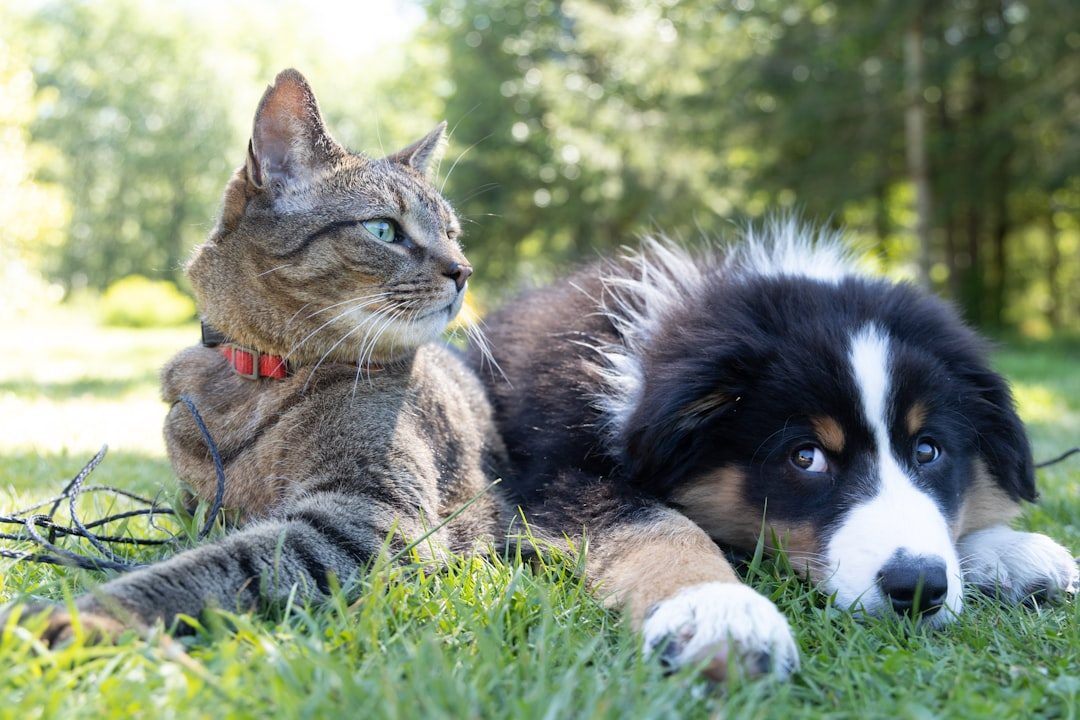
When multiple species share the same roof, you’re essentially creating a miniature ecosystem where predator and prey instincts can clash unexpectedly. Many households successfully combine multiple pets – dogs and dogs, cats and dogs, birds and dogs, rabbits and dogs. However, this peaceful co-existence doesn’t always come easily, especially when it involves different species that communicate differently.
The key lies in recognizing that each animal brings their own communication style to the family dynamic. Different species communicate differently. While both dogs and cats depend heavily on body language, the same posture may not mean the same thing coming from each species. Your dog’s playful bow might signal fun to another dog, but could trigger fear in your rabbit.
Understanding temperament becomes crucial when planning your household composition. The dogs’ breeds, physical characteristics, ages, health status, temperaments, and backgrounds can all affect their relationship. Although there is an adjustment period between dogs and they often work things out, ignoring the differences between your pets can lead to fights, injury, stress for both pets and humans, and, in the worst case, the death of a smaller pet.
This doesn’t mean you need to give up on your multi-species dream home. With proper planning and gradual introductions, even cats and birds can learn to coexist peacefully, though always with appropriate safety measures in place.
Pet-Proofing Your Space for Safety

Think of pet-proofing as seeing your home through the eyes of your most curious family member. Dog and cats (especially kittens) can be very curious. But there are steps you can take to pet proof your home and keep your animals safe. Start by getting down on their level, literally crawling around to spot potential hazards.
Secure Wires and Cords: Use cord organizers or hide wires behind furniture to prevent chewing hazards. Lock Away Hazardous Items: Store cleaning supplies, medications, and sharp objects in cabinets with childproof locks. Those dangling phone chargers that seem harmless to us can become deadly toys for a teething puppy or curious kitten.
Pay special attention to vertical spaces if you have climbing animals. Stall safety can’t be overemphasized. Electrical outlets and appliances (such as box fans) should be out of reach. Ceiling height should be at least 10 feet for the average horse. While you might not need ten-foot ceilings for your cat, the principle remains: ensure anything they can reach won’t harm them.
For smaller pets, Small pets like rabbits, guinea pigs, and hamsters also need a safe environment. For these pets, it’s crucial to block access to wires or other dangerous items they might chew and small spaces where they might get stuck. That gap behind your washing machine might seem insignificant until your guinea pig decides to explore.
Creating Species-Specific Safe Zones
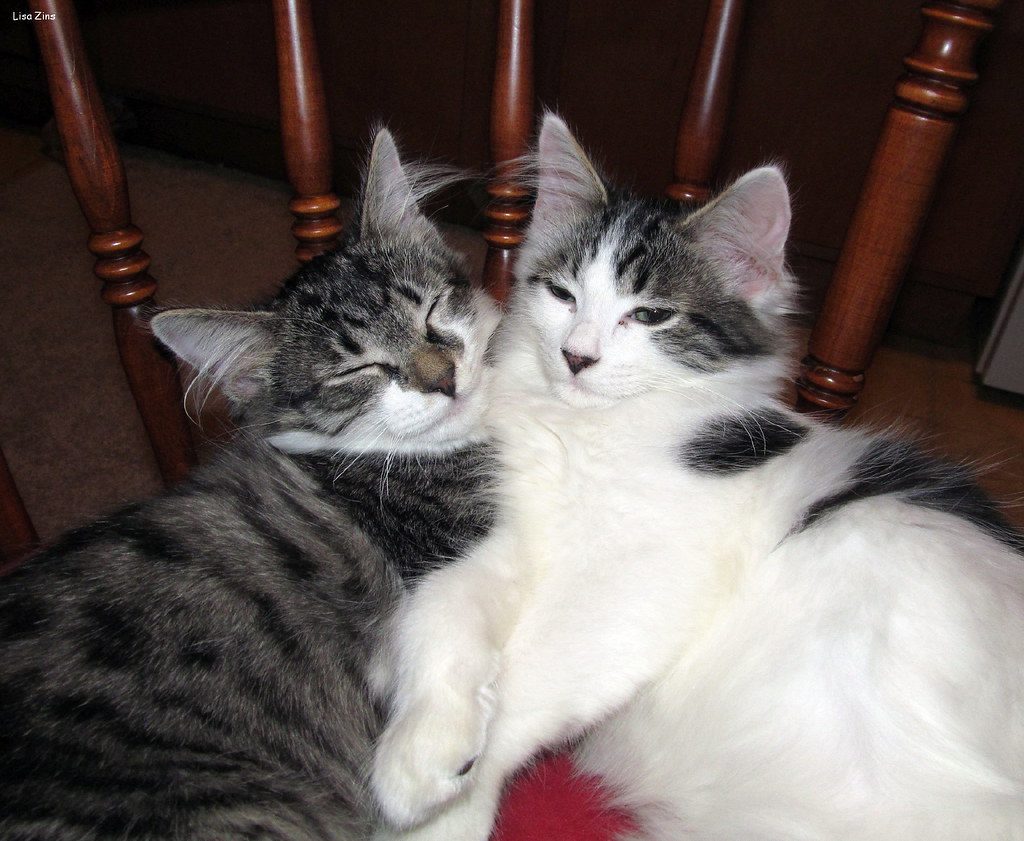
Every animal needs their own retreat, a place where they can decompress and feel completely secure. Providing separate spaces for each pet can help reduce territorial disputes. Cats, for instance, may need their own quiet zones away from dogs or other pets, where they can relax and feel secure.
For cats, think vertically. Cats, on the other hand, love climbing and exploring vertical spaces. Providing cat trees or shelves can satisfy their natural instincts. They also need quiet areas to retreat and feel secure. A simple wall-mounted shelf system can transform any room into a feline highway system, giving your cat multiple escape routes and observation points.
Dogs need their own territories too, but theirs tend to be more ground-based. Creating safe spaces for your animals can help them feel secure in your home. For a multi dog house, individual beds or crates can be those spaces. Think of these spaces as their personal bedroom where no other animal is allowed to intrude.
Birds require particularly specialized safety zones. Aside from having a secure bird room (that my dogs and cats can’t access without help), I have found it helpful to choose my birds’ aviaries with some safety features in mind. So consequently, I have them in a raised cage. They can’t climb down all the way to the ground, making it more difficult for them to get casually licked by a dog or swiped by a cat.
Managing Feeding Time in Multi-Pet Homes

Mealtime can become the ultimate test of household harmony, especially when you’re feeding animals with completely different dietary needs and food guarding instincts. Feeding different animals with different dietary needs can be a challenge. Cats and dogs may both be carnivores but can’t share the same kibble as they won’t get the proper nutrients.
The safest approach involves creating separate dining areas for each species. If you have different species in the same house, then it might be best to feed each animal in different rooms. This prevents food theft, reduces competition stress, and ensures each animal gets their specific nutritional requirements.
Consider the eating habits of each species when planning feeding schedules. Some animals graze throughout the day, while others do better with scheduled meals. In most cases, they need to have hay or pasture throughout the day, with additional grain feedings twice a day. An average-size horse will eat about 20 pounds of food a day and drink at least 8 gallons of water. Because their stomachs are relatively small and their digestive systems surprisingly delicate, horses need to nibble or graze throughout the day, rather than have one or two meals a day.
Never forget about food toxicity between species. Remember, some foods that are safe for one pet might be harmful to another. Always double-check before introducing new foods! For example, chocolate is toxic to both dogs and cats, while avocados can be dangerous for birds and rabbits.
Choosing Pet-Friendly Materials and Furnishings

Your dream velvet sofa might look stunning in the showroom, but it becomes a maintenance nightmare in a pet-friendly home. Love velvet? Forget about it if you have a pet! This fabric is a magnet for pet hair and odor. You’ll have to clean your trendy velvet couch twice as often as other, more pet-friendly options.
Instead, focus on materials that can withstand the daily reality of pet ownership. Pet-safe furniture choices featuring materials like distressed leather and high-performance upholstery work best for homes with pets, as they’re easier to clean and more durable than other fabrics. These materials age gracefully with scratches and wear, actually looking better over time.
Flooring choices significantly impact both safety and cleanliness. Hardwood Alternatives: Engineered wood, laminate, or vinyl floors are more resistant to scratches and easier to clean. Tile and Stone: These are durable and stain-resistant, making them ideal for pets prone to accidents. While carpets might feel cozy underfoot, they become odor and stain magnets in pet households.
For smaller animals with different flooring needs, Most horses will do best on flooring that offers some “give,” such as dirt or rubber mats. Stall bedding should be thick enough to absorb urine, and stalls should be cleaned out regularly (daily if possible) to reduce ammonia fumes and promote the same principle applies to indoor small animal enclosures.
Introducing New Animals Safely
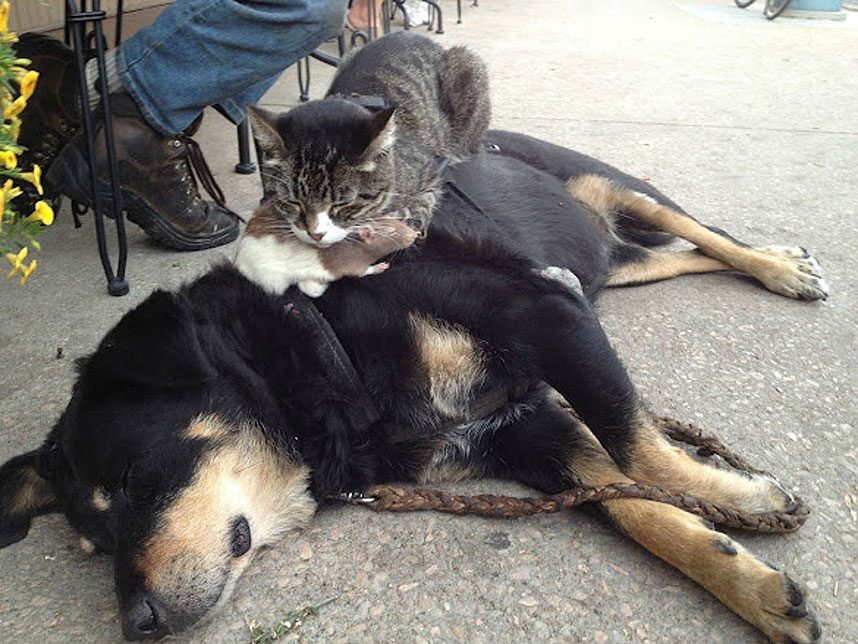
The excitement of bringing home a new family member can quickly turn stressful if introductions aren’t handled properly. Be patient: It can take weeks or even months for pets to fully adjust to each other. Don’t rush it, as this could make them not like each other. Patience truly becomes your greatest tool during this critical period.
Start with scent introductions before visual contact. Use scent swapping: Before face-to-face meetings, try swapping bedding or toys between the new and existing pets. This helps them get used to each other’s smells. This allows animals to process information about their new housemate without the stress of a face-to-face encounter.
Create neutral meeting spaces that don’t belong to any existing pet. Assign specific areas for each pet to retreat to when feeling overwhelmed: Safe Zones: Create cozy spots with beds, toys, and food/water where pets can feel secure. Designate neutral spaces for initial introductions to reduce territorial conflict: Neutral Territory: An area outside the home or a room that does not belong to either pet can serve as a neutral ground for introductions.
Never leave newly introduced animals alone together unsupervised. Do not leave pets alone together unconfined until they have completely adjusted. Even animals that seem to get along perfectly during supervised visits might behave differently when they think no one is watching.
Emergency Preparedness for Multi-Pet Households

When disaster strikes, having multiple animals exponentially increases the complexity of your emergency response. First Aid Kit: Keep a pet-specific first aid kit with essentials like bandages, antiseptic, and tweezers. Emergency Contacts: Have your vet’s contact information and the nearest emergency clinic on hand. Evacuation Plan: Include pets in your family’s emergency preparedness plan, with carriers or harnesses ready for quick evacuation.
Different species require different emergency supplies and evacuation strategies. Your dog might willingly hop into the car during an evacuation, but your cat will likely need a secure carrier, and your birds will require covered transport to reduce stress. Horses and other equines require extra consideration in disaster planning.
Consider the unique health risks of your specific animal combination. Health care is critical in multi-pet households, and it’s wise to set up a pet first aid kit with everything you need in an emergency. Establishing a relationship with a vet who knows and understands all your animals is also important (especially if you have small or exotic pets in the mix). This should be considered at the start because some animals can pass diseases to others that can be deadly. One of these cases is Bordetella bronchiseptica (also known as Kennel Cough), which, according to PetMD, can quickly transfer from rabbits, cats, and dogs and can cause anything from nasal discharge to infertility in guinea pigs.
Keep identification current for all animals, with microchips as backup identification. Proper identification is crucial for the safety of your pet. Ensure your pet wears a collar with an ID tag that includes your contact information. Additionally, consider microchipping your pet, as it provides a permanent form of identification that can help reunite you if your pet gets lost. In the chaos of an emergency, even the most well-behaved pet might bolt through an open door.
Creating a truly pet-friendly home environment requires more than just love; it demands thoughtful planning, constant vigilance, and the flexibility to adapt as your animal family grows and changes. The reward, however, is immeasurable: a home where every heartbeat, from the smallest hamster to the largest horse, feels genuinely valued and safe.
Remember that every animal brings their own personality and needs to your household equation. What works beautifully for one multi-species family might need adjustment for yours. Stay observant, be willing to modify your approach, and never hesitate to seek professional guidance when introducing new species or dealing with behavioral challenges.
The ultimate goal isn’t perfection but rather creating a harmonious environment where all family members can thrive. What’s your biggest challenge in creating a pet-friendly space? Tell us in the comments.
