
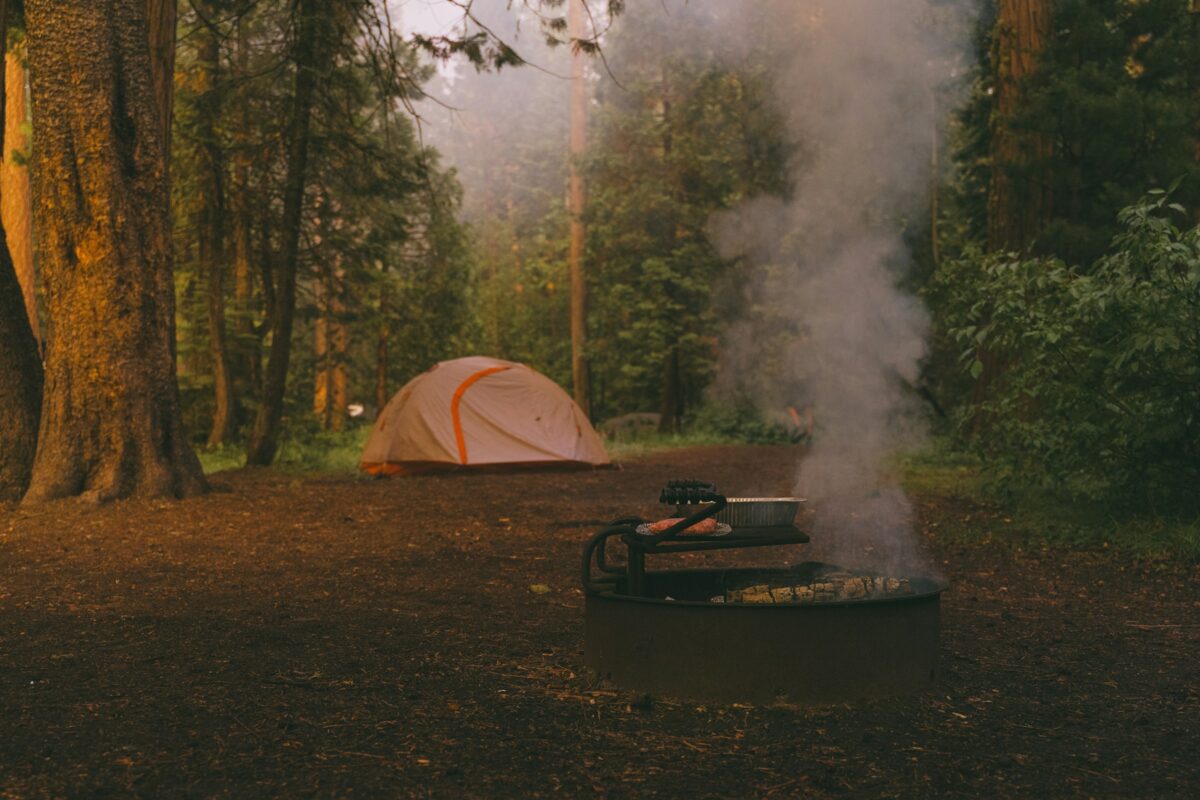
Picture this. You have found the perfect clearing after a long hike, the tent is up, and the stars are starting to appear. Then the first whine arrives, followed by another, and suddenly your peaceful evening feels more like a siege. Many campers discover too late that a few smart choices can shift the odds dramatically in their favor.
The difference often comes down to preparation rather than luck. Insects respond to scent, light, moisture, and shelter in predictable ways. Understanding those patterns lets you reduce their presence without turning the campsite into a chemical zone.
Pick a Location That Works Against Bugs
🔥 Would you like to save this?
We'll email this post to you, so you can come back to it later!
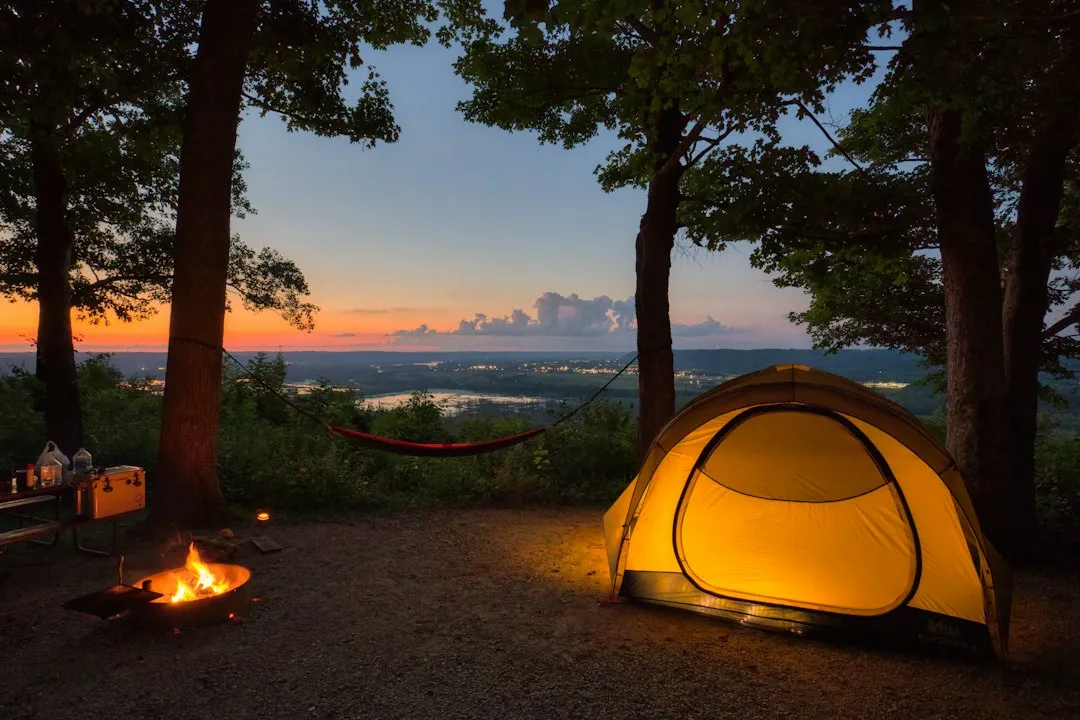
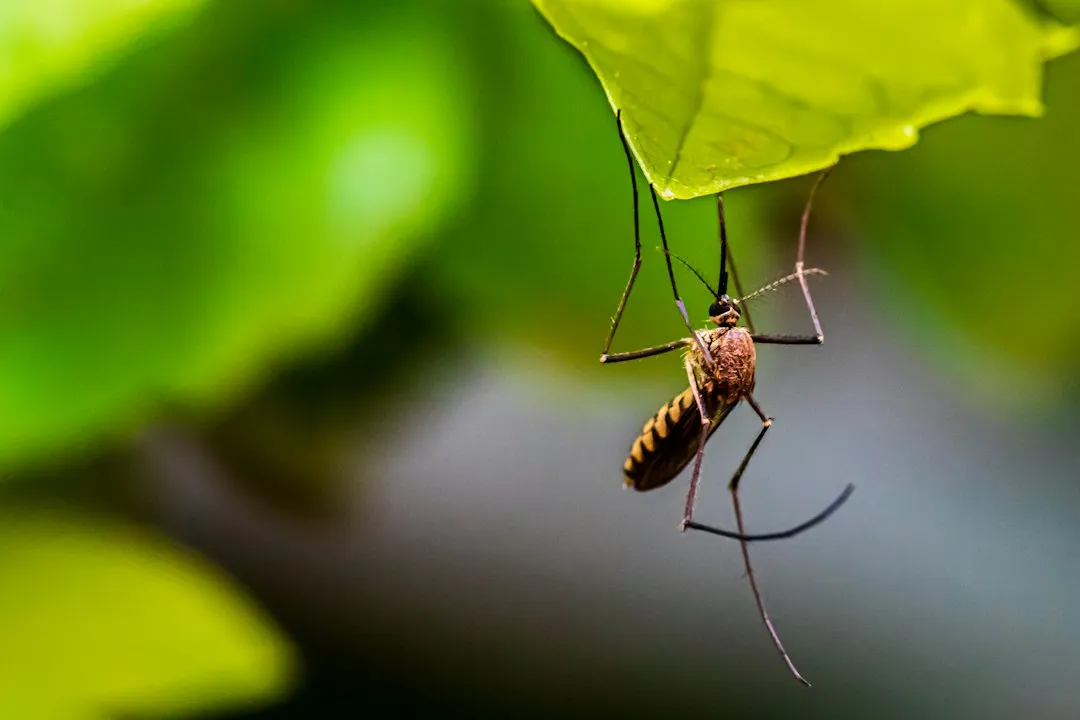
Choosing where to pitch your tent matters more than most people realize. Mosquitoes breed in still water and prefer sheltered spots with little airflow. Setting up on a slight rise or an open area exposed to breezes can cut their numbers right away because they struggle to fly against even a light wind.
Avoid camping directly beside lakes, ponds, or slow moving streams. Those spots offer breeding grounds and resting places that draw insects in large numbers. Instead, look for higher ground or clearings where air moves more freely throughout the day and into the evening.
Check the ground for signs of dampness or previous standing water before you commit. Dry soil and sparse vegetation usually mean fewer larvae nearby. A quick walk around the area can reveal hidden puddles or marshy patches that would otherwise surprise you after dark.
Apply Repellent at the Right Time and Strength
🔥 Would you like to save this?
We'll email this post to you, so you can come back to it later!
Effective repellents create a barrier that insects avoid rather than kill them outright. Products containing DEET or picaridin have decades of testing behind them and remain reliable when used as directed. Apply them to exposed skin and clothing before the sun sets, when many species become most active.
Reapply according to the label, especially after swimming or heavy sweating. A single application rarely lasts an entire evening in humid conditions. Keep the bottle handy in an outer pocket so you do not have to dig through gear in the dark.
Consider the concentration level carefully. Lower percentages work for shorter outings while higher ones suit longer trips. Always follow age guidelines for children and avoid spraying directly on faces. A small amount on a bandana or hat can extend coverage without extra skin contact.
Dress to Reduce Exposed Skin
🔥 Would you like to save this?
We'll email this post to you, so you can come back to it later!
Clothing acts as the first physical barrier between you and biting insects. Long sleeves and pants made from tightly woven fabric limit the surface area available for bites. Light colors also help because many insects are drawn to darker shades that resemble shadows or host animals.
Tuck pants into socks and shirts into waistbands when mosquitoes are thick. The extra layer stops them from crawling under fabric at the ankles and waist. Breathable materials with built in insect shielding exist now and add another level of protection without feeling heavy.
Carry a lightweight pair of gloves and a head net for dawn and dusk hours. These items pack small yet provide coverage when repellent alone feels insufficient. Changing into dedicated camp clothes after hiking also removes any scent trails that followed you from the trail.
Seal Your Shelter Before Nightfall
🔥 Would you like to save this?
We'll email this post to you, so you can come back to it later!
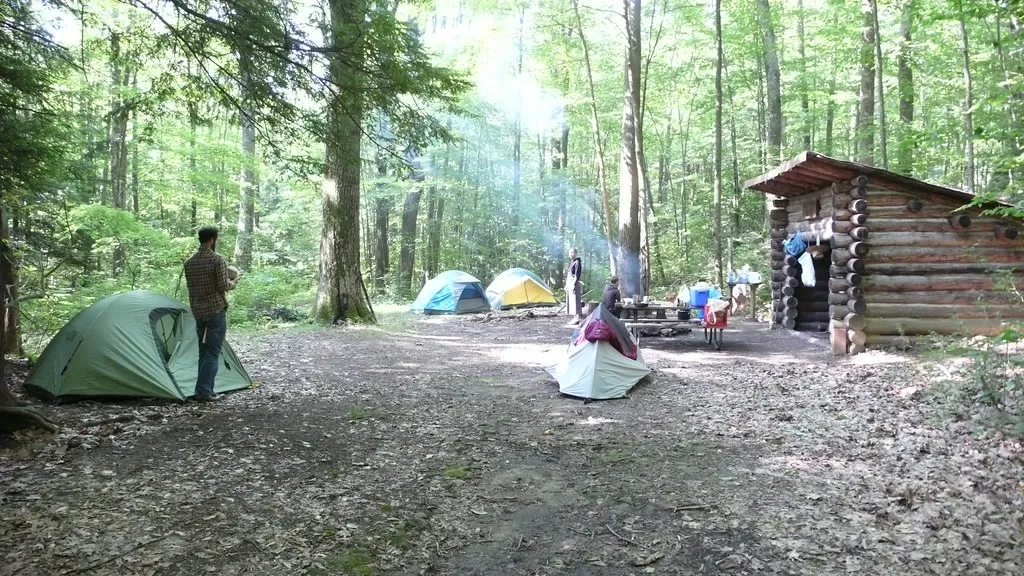
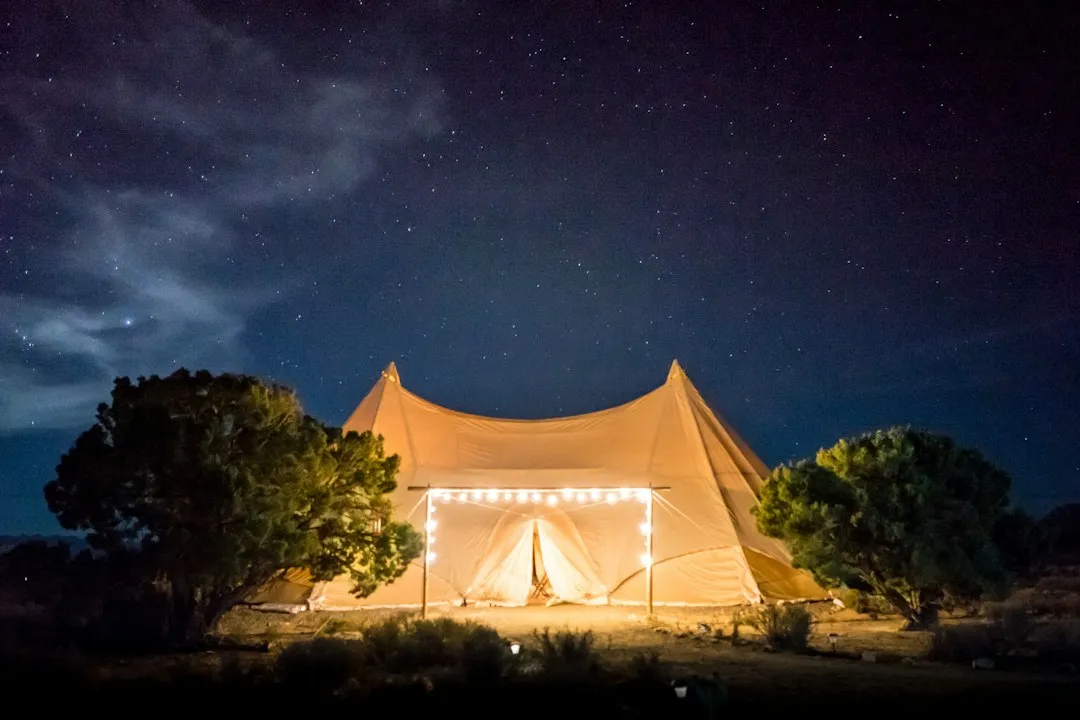
A properly closed tent keeps most insects outside once you are ready to sleep. Check zippers and seams for gaps before you settle in. Even a small opening near the floor can let in enough mosquitoes to ruin a night of rest.
Use a tent with a full mesh inner layer and a rain fly that does not trap condensation against the mesh. Good ventilation reduces the stuffy feeling while still blocking entry points. Treat the tent fabric with permethrin if you camp often in buggy regions, following product instructions for safe application.
Keep the entrance area clear of gear that might prop the door open. A quick sweep with a small brush or your hand before zipping up removes any stragglers that landed on the threshold. Once inside, resist the urge to leave the flap open for fresh air unless you have a screened vestibule.
Reduce Attractants Around the Site
🔥 Would you like to save this?
We'll email this post to you, so you can come back to it later!
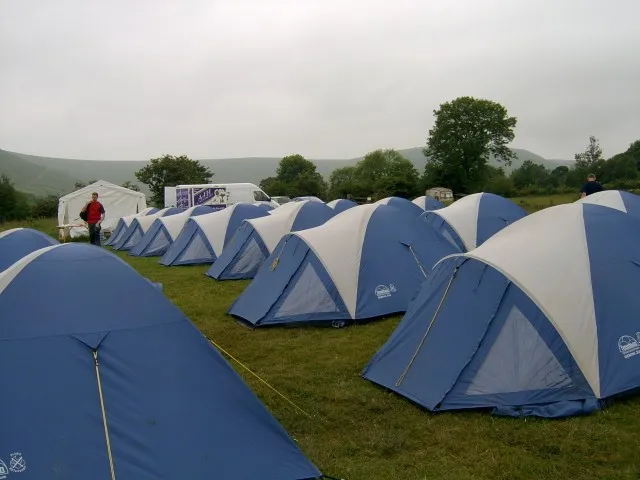
Insects follow carbon dioxide, body heat, and certain scents. Cooking areas should sit downwind from sleeping spots so food odors do not linger near the tent. Store trash in sealed bags and remove it from the immediate campsite each evening.
Eliminate standing water within a reasonable radius. Empty any containers, tarps, or depressions that collect rain. Even a bottle cap of water can support larvae, so a brief patrol each morning pays off over several days.
Limit bright lights after dark. White LEDs draw moths and other flying insects that in turn attract predators or simply become nuisances. A red or amber headlamp preserves night vision and reduces the insect parade around your face.
Try Supplemental Barriers and Natural Options
🔥 Would you like to save this?
We'll email this post to you, so you can come back to it later!
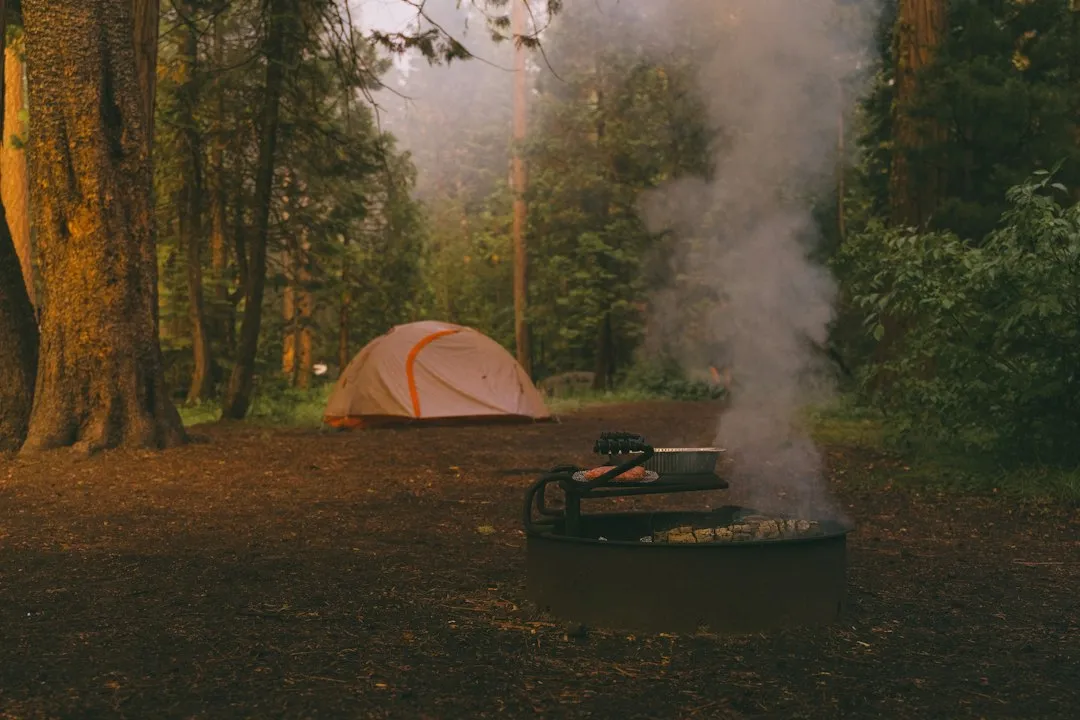
Thermacell devices and similar area repellents create a small protected zone without spraying skin. These units heat a repellent mat and work well in calm conditions around a picnic table or campfire ring. They require fuel and refills, so plan accordingly for multi day trips.
Citronella candles or coils offer modest help in very still air but lose effectiveness with any breeze. They serve better as background support than primary defense. Some campers hang mesh panels around eating areas to create an extra screened room without the weight of a full tent.
Essential oil blends containing eucalyptus or lemon grass show limited repellent action in studies, yet they can supplement other methods for people who prefer to avoid synthetic compounds. Reapplication is frequent, and results vary by individual body chemistry and insect species present.
Putting It All Together on Your Next Trip
🔥 Would you like to save this?
We'll email this post to you, so you can come back to it later!
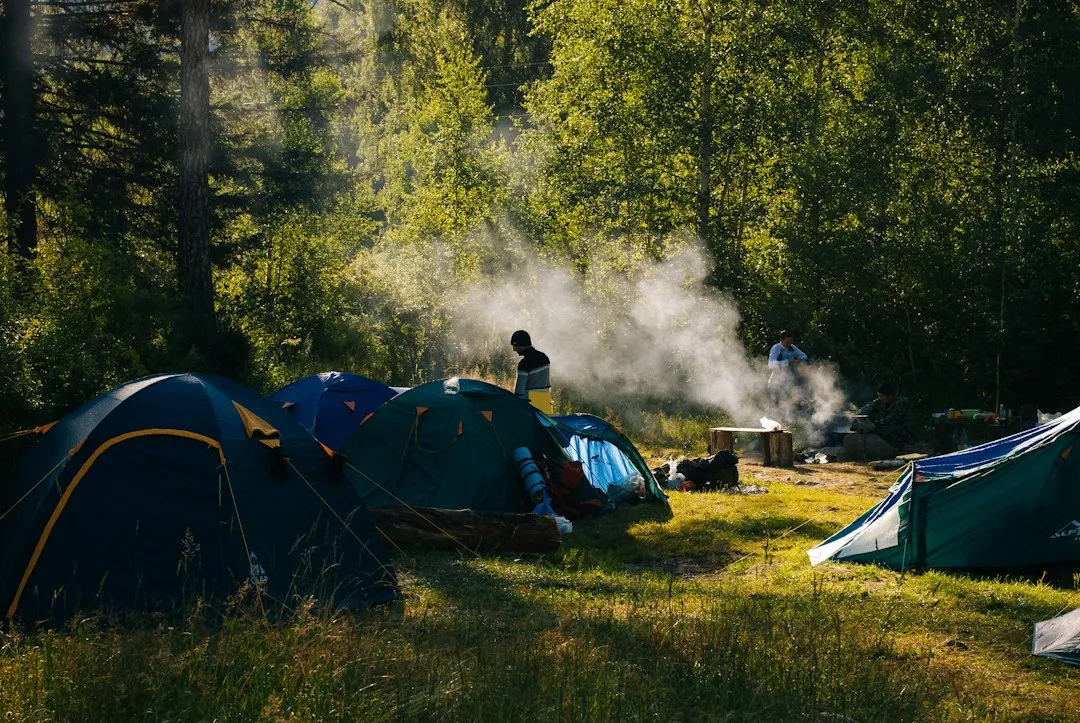
Combining several of these approaches usually produces better results than relying on any single tactic. A well chosen site plus treated clothing and timely repellent creates overlapping layers of protection. The goal is fewer bites rather than total elimination, which keeps expectations realistic in most outdoor settings.
Testing your system on shorter outings reveals what works best for your region and personal tolerance. Conditions change with weather, season, and location, so flexibility matters more than rigid routines. Over time the habits become second nature and the campsite feels noticeably calmer.
In the end the real reward is uninterrupted time outside. When the insects stay at a distance you notice the quiet, the firelight, and the simple pleasure of being there. That shift turns a potential ordeal into the kind of evening that makes camping worth the effort.

- 7 Everyday Habits That Can Make Your Senior Dog Happier - November 5, 2026
- 10 Enigmatic Structures That Continue to Puzzle Scientists Today - November 5, 2026
- 10 Strange Ruins in the Americas That Challenge What We Know About Early History - November 5, 2026