


As our beloved pets grow older, it becomes increasingly important to ensure they live a comfortable and fulfilling life. With age, our furry companions often face numerous health challenges, including arthritis, vision and hearing loss, and decreased energy levels. By understanding their evolving needs and adapting their environment and routine, we can help them enjoy their golden years to the fullest. This article will guide you through comprehensive and practical ways to enhance your aging pet’s well-being.
Understanding the Aging Process in Pets
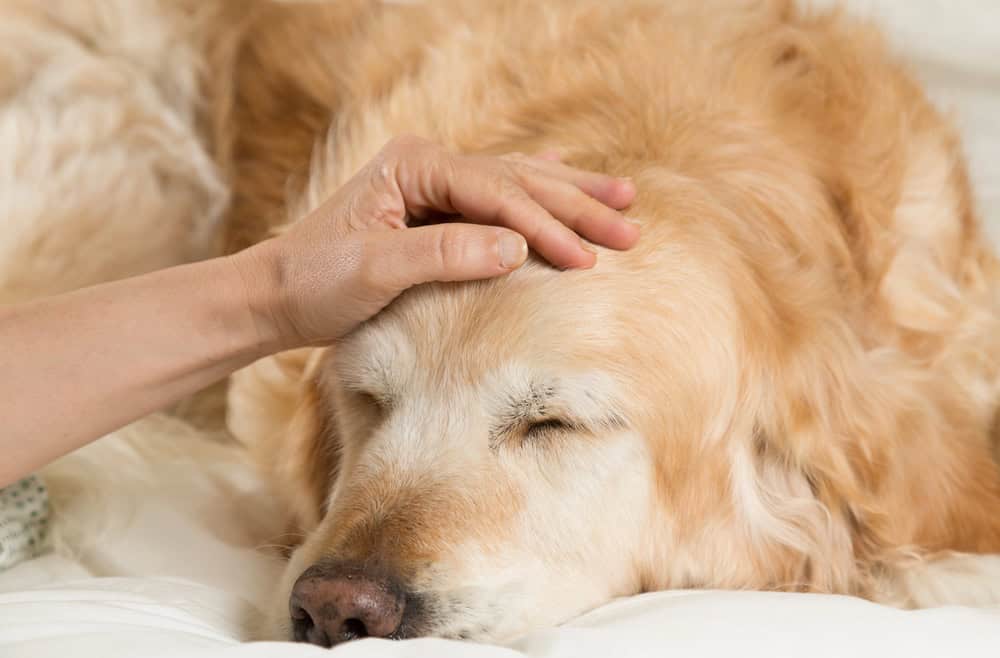
The first step in caring for an older pet is understanding the aging process. Like humans, pets experience changes in metabolism, physical ability, and sensory perception over time. Dogs and cats are typically considered senior pets by the time they reach around 7 to 10 years of age, depending on their species and breed. Knowing the specific signs of aging and anticipating their needs can help you proactively manage their comfort and health as they grow older.
Regular Veterinary Check-ups

Frequent veterinary visits are crucial for early detection and management of age-related health issues. Senior pets should see a vet at least twice a year, as recommended by the American Veterinary Medical Association. Regular check-ups allow for timely interventions, whether it’s adjusting dietary needs, managing pain, or treating chronic conditions like arthritis or kidney disease. Always keep note of any behavioral changes and report them to your veterinarian.
Pain Management

Pain management is essential as many older pets suffer from arthritis and joint pain. Discuss with your vet about pain relief options, including medications, supplements like glucosamine and chondroitin, or alternative therapies such as acupuncture and physical therapy. Maintaining a healthy weight is also vital, as excess weight can exacerbate joint problems.
Nutrition for Senior Pets

As pets age, their nutritional requirements change. Senior pets often benefit from a diet that is lower in calories but rich in essential nutrients. Foods high in omega-3 fatty acids can help reduce inflammation, while antioxidants can aid in cognitive function. Consult your vet to select the best diet tailored to your pet’s specific health needs and conditions.
Creating a Senior-Friendly Home Environment

You can make your home more accommodating for an older pet by introducing ramps or steps to help them access favorite furniture or areas of the house. Providing orthopedic bedding or heated pads can alleviate pressure on sore joints. Ensure that your pet’s living area is free of hazards and make food and water easily accessible to reduce strain.
Maintaining Physical Activity

While they might not be as energetic as they once were, physical activity is still important for your senior pet. Regular, gentle exercise helps maintain a healthy weight, circulates blood flow, and keeps muscles toned. Tailor their exercise routine to their ability, focusing on low-impact activities like walking, swimming, or playing with interactive toys.
Cognitive Stimulation and Mental Health
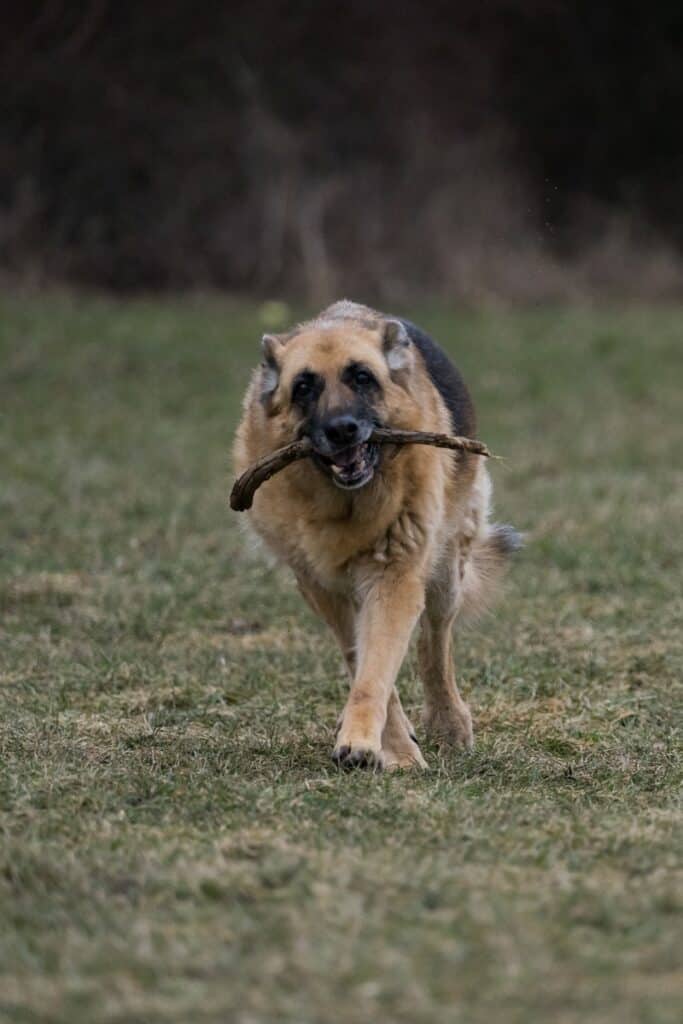
Aging pets can experience cognitive decline, leading to confusion or anxiety. Engage your pet with puzzle toys and interactive games to challenge their brain and keep them engaged. Consistency in their daily routine and a safe, comforting environment can help reduce anxiety and create a sense of security.
Addressing Hearing and Vision Loss

As pets age, they may experience diminished hearing and vision. For visually impaired pets, maintain a consistent environment to help them navigate easily. Use verbal cues and physical touch for pets with hearing loss. Utilizing contrasting colors for bedding and food bowls can also be helpful for dogs with poor eyesight.
Ensuring Proper Hydration

Older pets can become easily dehydrated, particularly when suffering from certain health issues. Ensure fresh, clean water is available at all times. Consider using a pet water fountain, as it can encourage increased water intake by catering to a pet’s preference for fresh-flowing water.
Supporting Dental Health

Dental health is often overlooked in senior pets but remains crucial for their overall health. Regular teeth brushing and professional cleaning can prevent painful dental diseases. Offer dental-friendly treats and toys that help reduce tartar build-up.
Providing Emotional Support and Companionship

Aging pets may become more dependent on their human companions as they age, yearning for reassurance and affection. Spend quality time with your pet, engaging in gentle play, grooming sessions, or simply sharing quiet moments together. This strengthens your bond and provides the emotional security your pet needs.
Recognizing When It’s Time to Say Goodbye

One of the most challenging aspects of pet care is recognizing when it’s time to say goodbye. Monitor your pet’s quality of life, considering factors like pain levels, appetite, ability to enjoy daily activities, and overall comfort. Consult with your vet to make compassionate and informed end-of-life decisions when necessary, ensuring your pet’s passing is as peaceful and dignified as possible.
In conclusion, making your pet’s life comfortable as they age involves an amalgamation of preventative healthcare, a supportive home environment, and plenty of love and attention. By focusing on their health, nutrition, and emotional needs, you can enhance their quality of life and cherish the remaining years together.

- What’s Hiding in the Forests of the Pacific Northwest - July 21, 2026
- Tarsiers: The Tiny Primates with Giant Eyes - July 21, 2026
- Are Zoos Still Ethical in 2025? - July 21, 2026