

Setting up a perfect aquarium is both an art and a science, requiring an understanding of aquatic ecosystems and a bit of aesthetic flair. A well-crafted aquarium not only enhances your home decor but also provides a healthy environment for your fish, promoting their well-being and longevity. Whether you’re a novice aquarist or looking to refine your setup, this guide will walk you through the essentials of establishing the ideal habitat for your aquatic pets.
Selecting the Right Tank
🔥 Would you like to save this?
We'll email this post to you, so you can come back to it later!
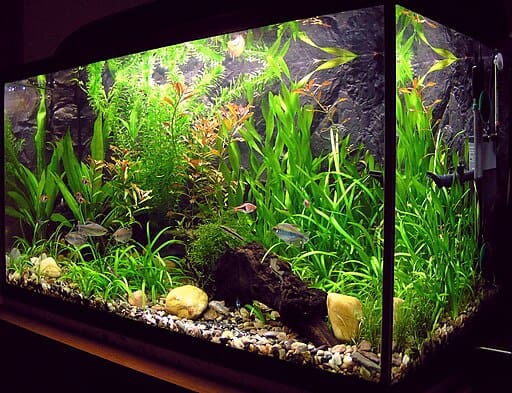
The first step in setting up your aquarium is choosing the appropriate tank. The size of the tank is crucial as it influences the number and type of fish you can keep. Generally, a larger tank is more stable and easier to maintain as it provides a larger volume of water that can dilute toxins. Consider the space available in your home and the species of fish you wish to keep. It’s advisable to start with nothing smaller than a 20-gallon tank for beginners.
Choosing Suitable Equipment
🔥 Would you like to save this?
We'll email this post to you, so you can come back to it later!
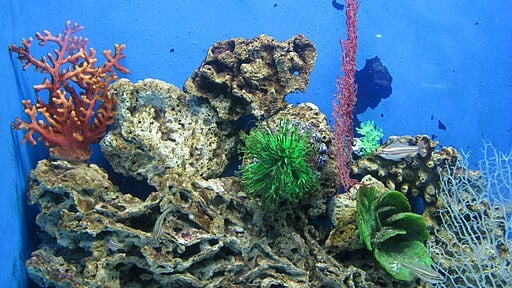
Equipping your tank with the right tools is essential for simulating a naturalistic environment. Here’s what you’ll need:
- Filter: A good filtration system is vital for maintaining water quality. Select a filter that corresponds to your tank’s capacity and the type of fish.
- Heater: Tropical fish require a consistent temperature. A reliable heater will maintain the optimal temperature range specific to your fish species.
- Lighting: Proper lighting affects both the fish and the plants in the aquarium. LED lights are energy-efficient and offer adjustable settings.
- Substrate: Sand, gravel, or specialized substrates promote plant growth and create a natural habitat for fish.
Decorating Your Aquarium
🔥 Would you like to save this?
We'll email this post to you, so you can come back to it later!
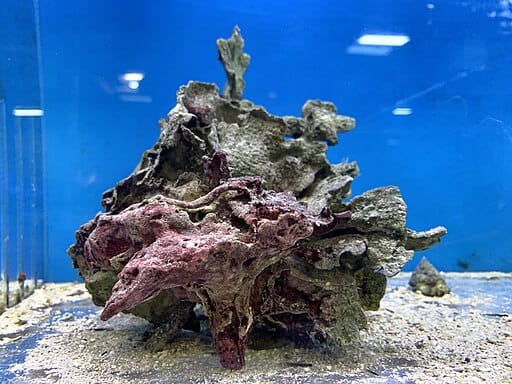
While aesthetics are important, the primary goal of aquarium decoration is to create a habitat that resembles the natural environment of the fish. Use rocks, driftwood, and live plants to provide hiding spots and territories for your fish. It’s important to avoid overcrowding the tank with decorations that limit swimming space. Natural decorations also contribute to the biological balance by providing surfaces for beneficial bacteria.
Filling and Cycling the Tank
🔥 Would you like to save this?
We'll email this post to you, so you can come back to it later!
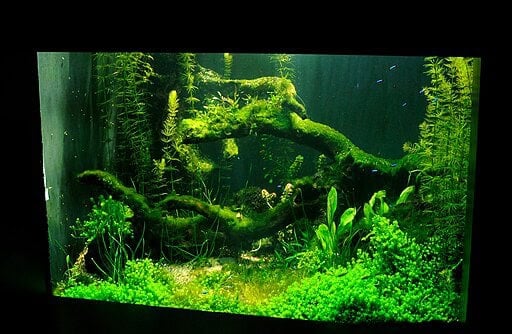
Once your tank is set up and decorated, it’s time to fill it with water. Use a water conditioner to remove harmful chemicals like chlorine. After filling the tank, cycling the tank is crucial. This process establishes the necessary bacterial colonies that convert fish waste into less harmful substances. Cycling can take several weeks, during which you should monitor ammonia, nitrite, and nitrate levels regularly using a water test kit.
Selecting Fish Species
🔥 Would you like to save this?
We'll email this post to you, so you can come back to it later!
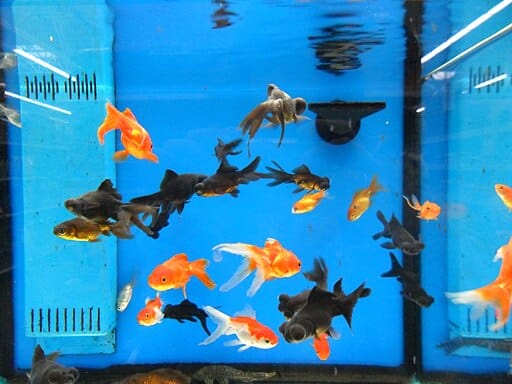
When selecting fish, consider their compatibility, size potential, and care requirements. Some species are more territorial and require specific environments. Begin with hardy species that are forgiving for beginners, such as guppies, platys, and tetras. Introduce fish gradually to avoid stressing your new ecosystem.
Maintaining Water Quality
🔥 Would you like to save this?
We'll email this post to you, so you can come back to it later!
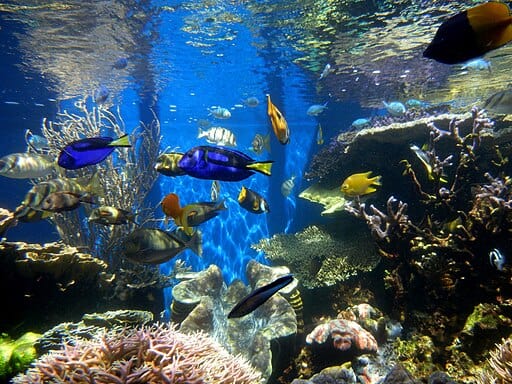
Regular maintenance is crucial for the health of your aquarium. Perform weekly water changes of about 10-15% to remove waste and replenish essential minerals. Testing water parameters frequently helps catch issues before they affect your fish. Maintain the filter by cleaning or replacing filter media as needed, but avoid removing all bio-media at once to preserve beneficial bacteria.
Feeding Your Fish
🔥 Would you like to save this?
We'll email this post to you, so you can come back to it later!
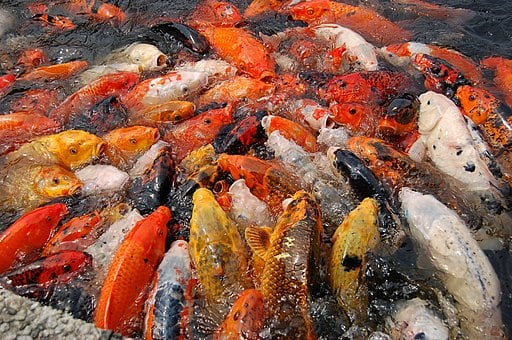
A balanced diet is key to keeping your fish healthy. Feed them a variety of foods formulated for their species, including flakes, pellets, frozen, and freeze-dried foods. Overfeeding can cause water quality problems, so offer only what they can consume in a few minutes and remove uneaten food promptly.
Conclusion
🔥 Would you like to save this?
We'll email this post to you, so you can come back to it later!
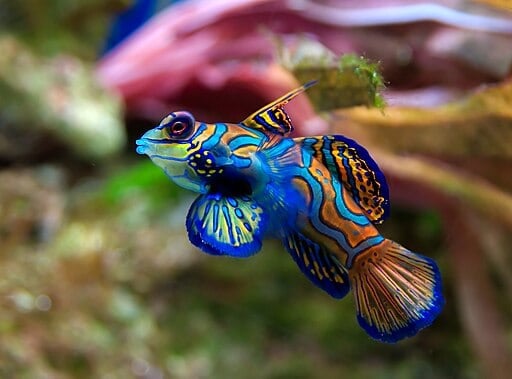
Creating the perfect aquarium involves thoughtful planning and ongoing care. By choosing the appropriate tank and equipment, simulating the natural habitat, and maintaining water quality, you can ensure a thriving environment for your fish. With dedication and attention to detail, your aquarium can be a vibrant addition to your living space and a source of immense pleasure and relaxation.

- 7 Everyday Habits That Can Make Your Senior Dog Happier - November 5, 2026
- 10 Enigmatic Structures That Continue to Puzzle Scientists Today - November 5, 2026
- 10 Strange Ruins in the Americas That Challenge What We Know About Early History - November 5, 2026