
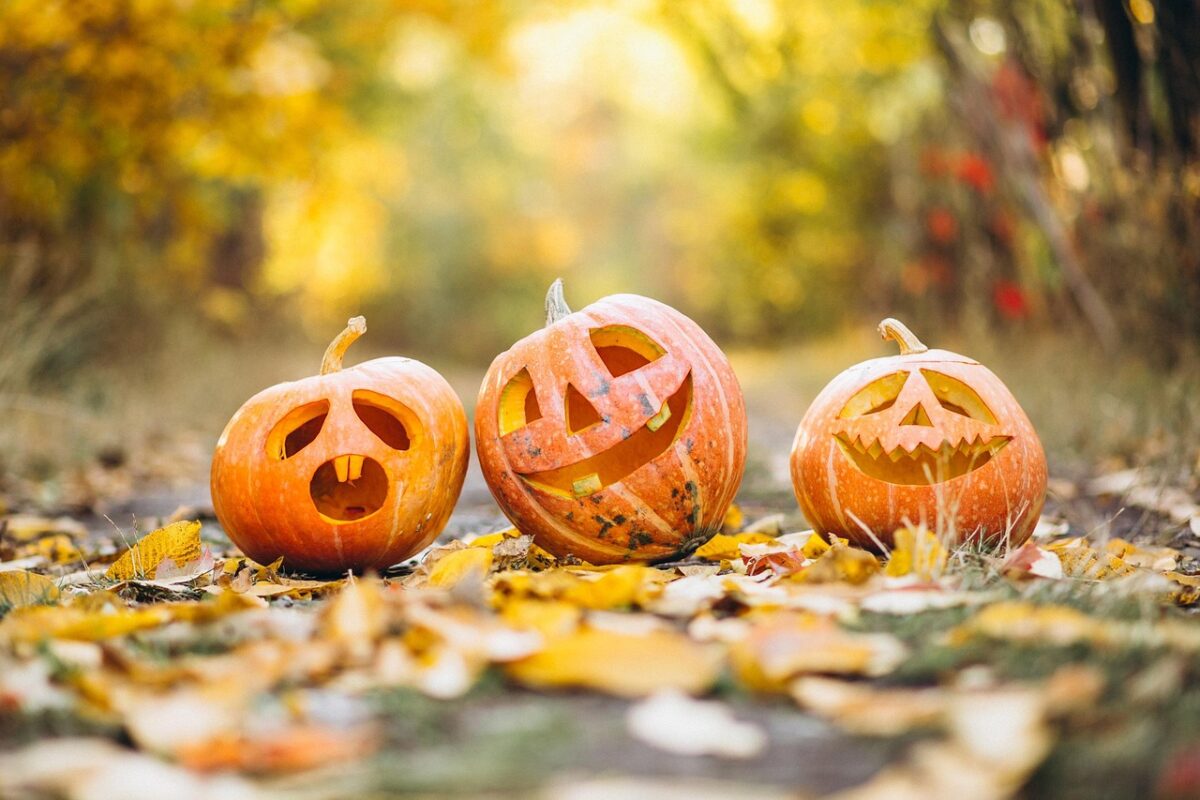
Every year, countless homeowners eagerly carve their perfect jack-o’-lanterns, only to discover the next morning that their spooky creations have become midnight snacks for local wildlife. It’s one of the most frustrating experiences of the Halloween season when your carefully crafted pumpkin masterpiece gets turned into a raccoon buffet overnight.
You’re not alone in this battle against these masked bandits. The combination of Halloween decorations and clever nocturnal creatures creates a perfect storm of disappointment. But here’s the good news – with the right strategies and a little preparation, you can protect your pumpkins from becoming wildlife food. So let’s dive into the most effective methods to keep those pesky raccoons away from your Halloween display.
Understanding Why Raccoons Target Your Pumpkins
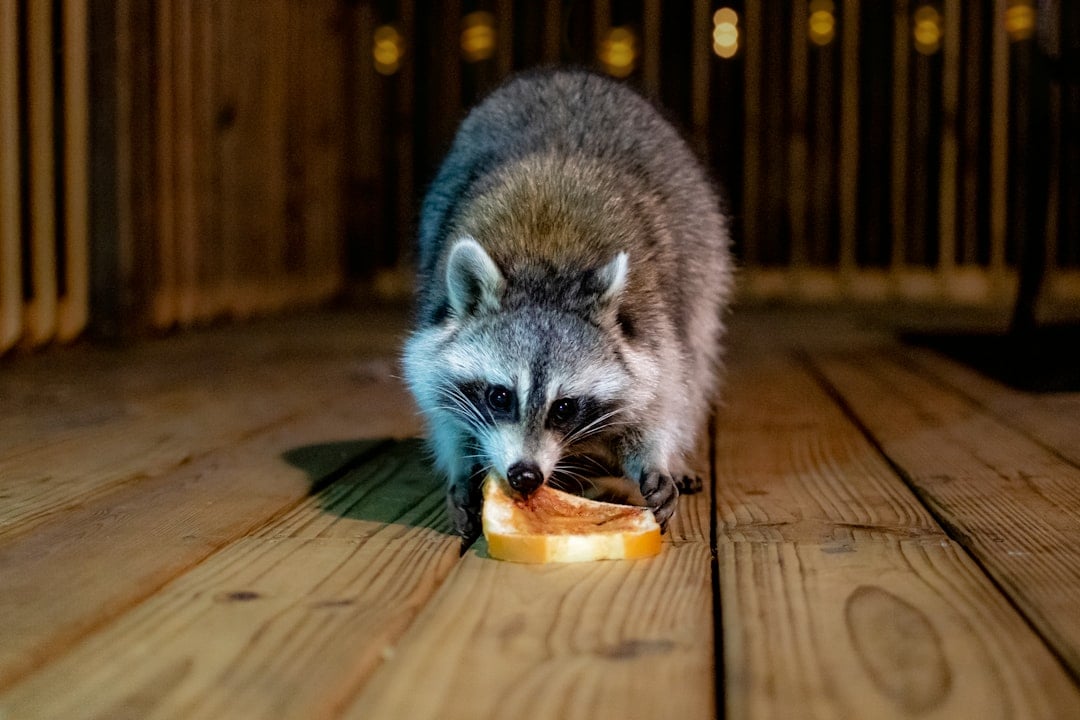
Yes, raccoons eat pumpkins. Because wildlife like raccoons, deer, voles, and squirrels, to name a few, like to eat pumpkins, some people toss their pumpkins into the woods after Halloween. These clever creatures aren’t just being randomly destructive – they’re following their natural instincts. Squirrels are opportunistic feeders, meaning they will eat almost anything they can find, especially during the fall when they are busy storing food for the winter. Pumpkins, particularly carved ones, offer an easily accessible source of nutrients.
The flesh of pumpkins provides essential vitamins, minerals, and water content that raccoons desperately need to prepare for winter months. The flesh of a pumpkin is rich in vitamins, minerals, and water, making it an ideal snack for hungry wildlife. When you carve your pumpkins, you’re essentially creating an all-you-can-eat buffet sign for local wildlife. The exposed interior becomes even more tempting, and the sweet aroma draws them in from considerable distances.
The Power of Physical Barriers
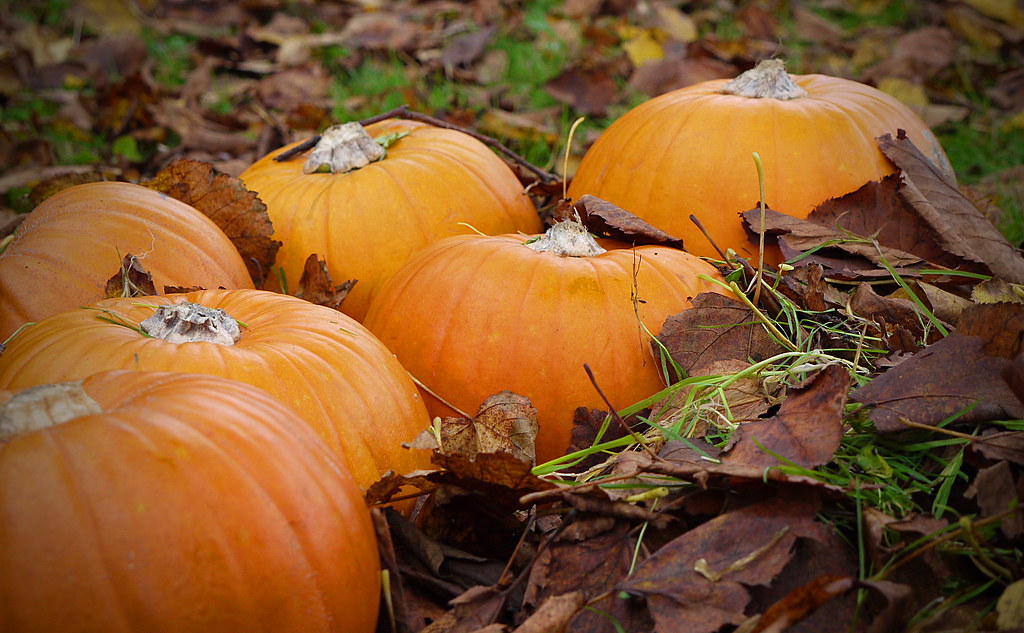
Bryan suggests, ‘A small chicken wire fence or similar barrier can be an effective way to physically keep pests away from your jack- o’-lantern. It’s not the prettiest solution but it works,’ he says. Sometimes the most straightforward approach is the most effective one. Creating physical obstacles around your pumpkins can deter raccoons without relying on chemicals or potentially harmful substances.
If the pumpkins are in a small garden and there are only a handful, they could build cages out of a woven wire mesh and secure it over the pumpkins. Wire mesh cages work particularly well because they allow your pumpkins to be visible while preventing access. For added security, consider burying the bottom edge of the wire mesh a few inches into the ground to prevent digging underneath. Putting a fence around your patch is a foolproof way to keep larger animals from feasting on your pumpkins.
Strategic Placement and Timing
For best results, wait until the day before Halloween or the day itself to carve your jack-o-lanterns. This simple timing strategy can dramatically reduce your raccoon problems. The longer your carved pumpkins sit outside, the more they attract unwanted attention from wildlife. The fresher the pumpkin, the better your odds because as the pumpkin ages and rots, it attracts more bugs. Still, a carved pumpkin typically lasts about 3-7 days, and carving pumpkins speeds up the deterioration and makes it easier for bugs to get to the sweet fruit inside.
Consider keeping your uncarved pumpkins indoors until you’re ready to display them. If that doesn’t work, you can always just keep your pumpkins inside where they’re safe from animals. This approach requires more planning but virtually guarantees your pumpkins won’t become raccoon meals before Halloween night. If indoor storage isn’t possible, choose elevated locations like tables or raised platforms that make access more difficult for ground-dwelling critters.
Natural Scent Deterrents That Actually Work
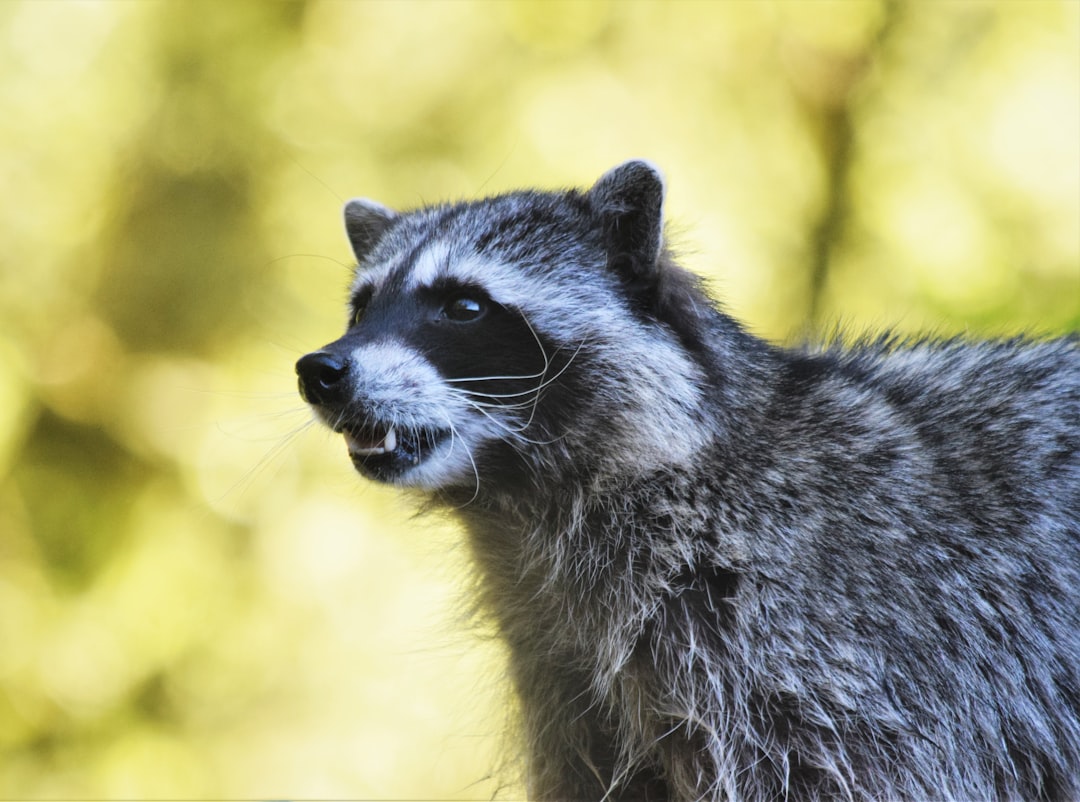
Cayenne pepper is quite spicy and can deter some critters from snacking. You can sprinkle some cayenne around the pumpkin, or even on the pumpkin itself! The power of spicy deterrents lies in their ability to create an unpleasant sensory experience for raccoons without causing permanent harm. Spraying the pumpkin with hot sauce or cayenne peppers is an excellent way to deter raccoons from your pumpkins and garden. You can also spray the hot peppers around the base of the pumpkins because raccoons have a habit of digging up the pumpkin before eating it.
Vinegar is also thought to be a deterrent for squirrels and other animals due to the strong scent. White vinegar creates an acidic environment that most animals find off-putting. Same as above, the strong scent of white vinegar has been known to keep unwanted pests away. Try wiping your gourds down with a thin coating of vinegar, or dilute it 50% with water and use it as a spray. The beauty of vinegar is its availability and non-toxic nature, making it safe for households with children and pets.
Creating Unpleasant Textures
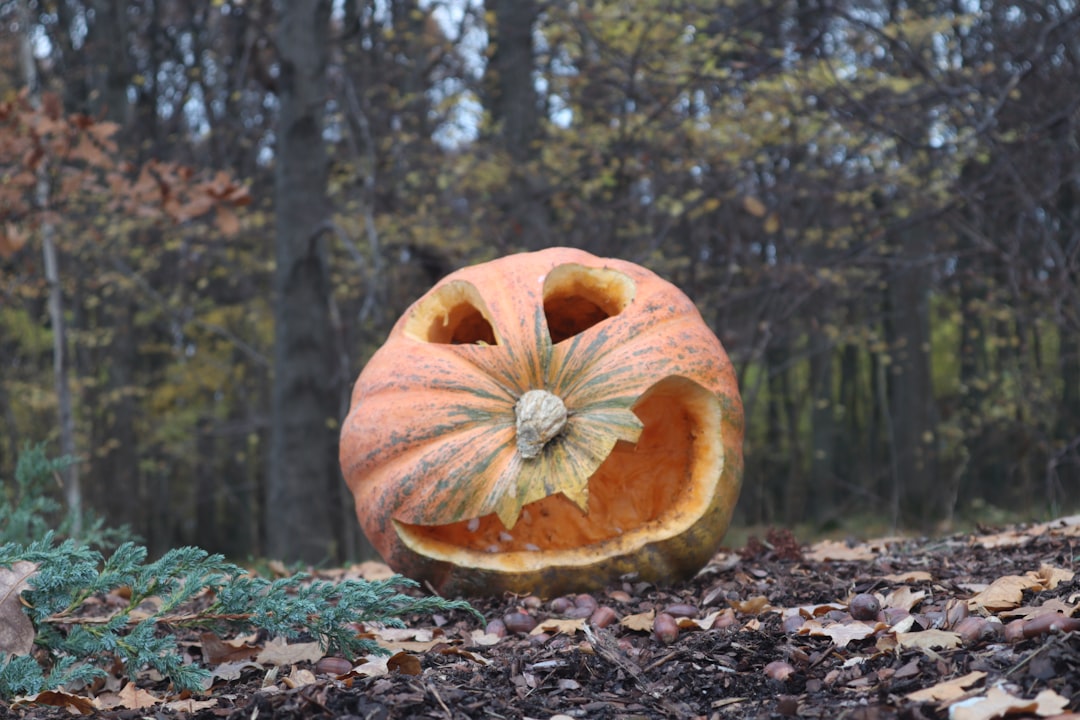
Keeping with the theme of making your pumpkins unappealing to hungry animals, you can coat it in a generous layer of petroleum jelly. The jelly creates a tacky layer that most animals will find unappealing. This method works because raccoons and other wildlife dislike sticky substances on their paws. The petroleum jelly doesn’t harm the animals but creates an uncomfortable sensation that encourages them to look elsewhere for food.
Some people suggest using hairspray to create a sticky coating, though this method has limited documented effectiveness. Make sure you cover all exposed parts of the pumpkin! While this might sound unconventional, hairspray creates a similar tacky texture that animals avoid. The aerosol application makes it easy to cover carved areas and crevices that might otherwise be attractive to raccoons. However, remember to reapply after rain or heavy dew.
Professional Preservation Techniques
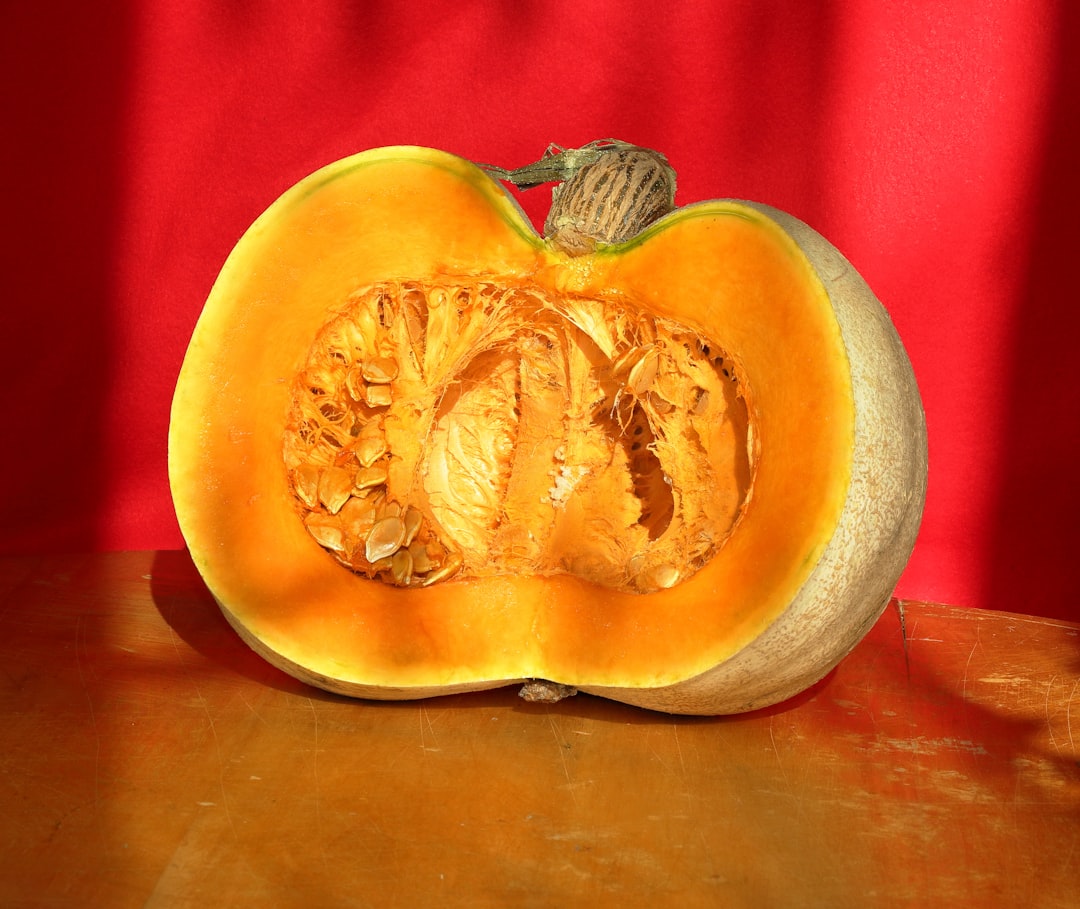
There are commercial pumpkin preservation sprays available that can help extend the life of your jack-o’-lantern. These sprays are designed to seal the pumpkin’s surface, reducing moisture loss and slowing down the growth of mold and bacteria. Applying a preservation spray can help your pumpkin last through the entire Halloween season. These specialized products serve a dual purpose – they preserve your pumpkin’s appearance while making it less appealing to wildlife.
You can make a simple solution by mixing water, bleach, and a few drops of dish soap. Submerge your pumpkin in this solution for a few hours to kill bacteria and mold spores that cause decay. This treatment will help keep your pumpkin fresh and less attractive to squirrels. However, be extremely cautious with bleach solutions if you plan to eventually compost your pumpkins or if pets and wildlife might access the area. Always follow proper safety precautions and consider this as a last resort method.
The Decoy Strategy
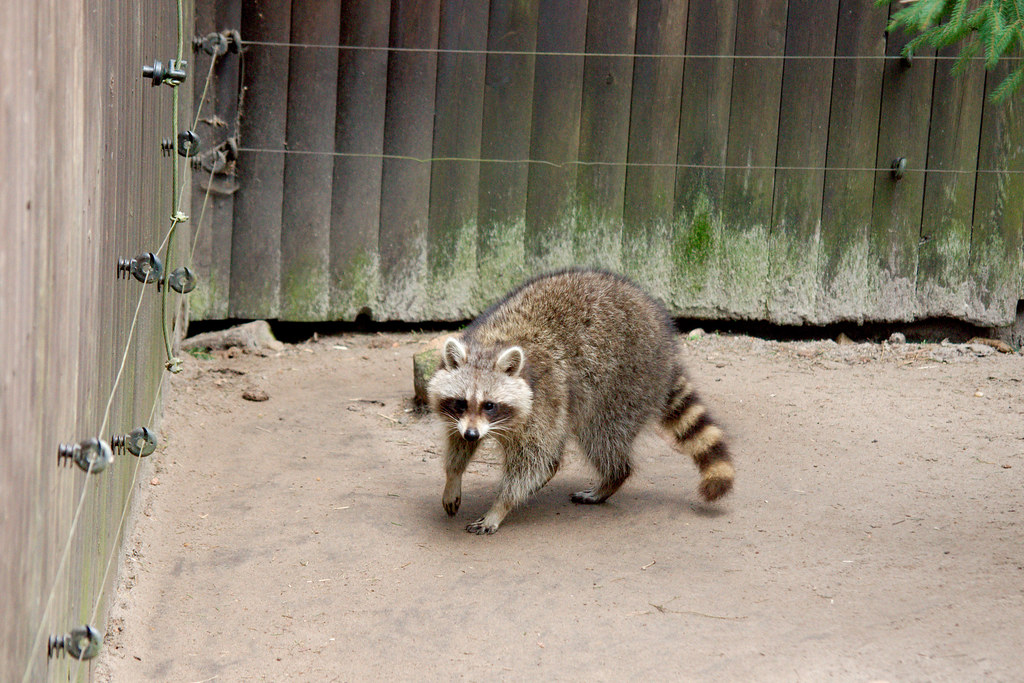
Also known as a “peace offering,” you can try to leave a plate of seeds or nuts in the yard as an easy meal. Sometimes the best defense is providing an alternative that’s more appealing than your carefully carved pumpkins. Consider placing pumpkin seeds, nuts, or other wildlife-friendly treats at a distance from your main display. This approach acknowledges that you’re sharing space with wildlife while protecting your specific decorations.
The decoy method works particularly well when combined with other deterrent strategies. Place the alternative food source in an area where you don’t mind wildlife activity, such as the far end of your property or near natural habitat areas. This gives raccoons what they’re looking for without compromising your Halloween decorations. Just remember to clean up any leftover decoy food regularly to prevent it from attracting rodents or creating other problems.
What Doesn’t Work (Save Your Money and Time)
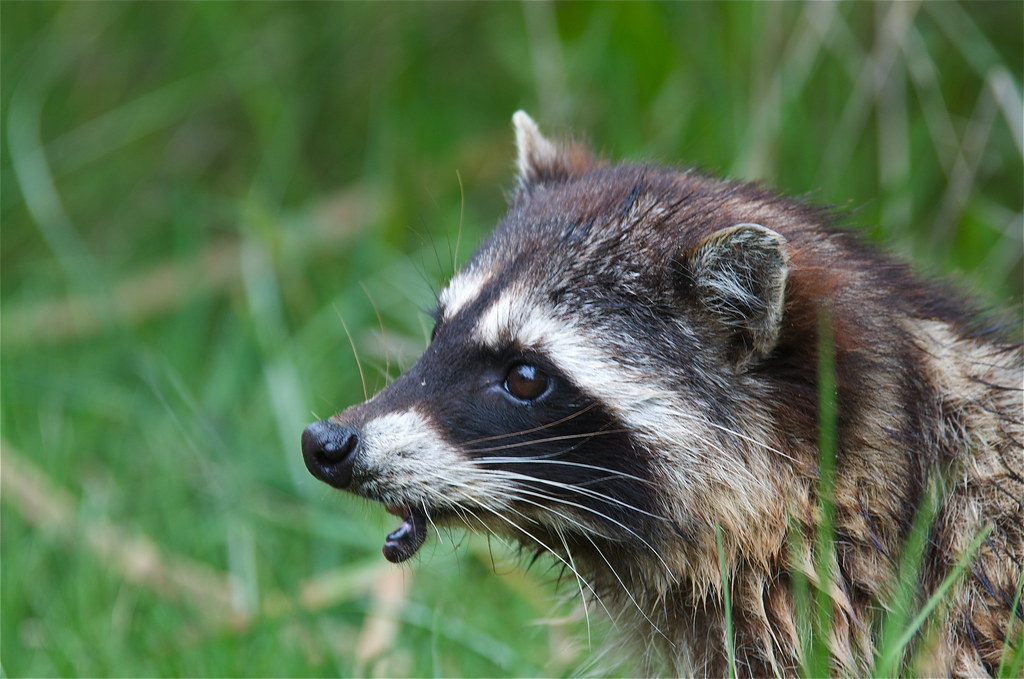
The raccoon was hardly deterred. While it did look like the raccoon didn’t like to eat the vegetables that had cayenne on top, it would still bite into them and throw them to the ground- ruining it for us all the same. Real-world experience shows us that some commonly recommended methods simply aren’t reliable. Many homeowners waste time and money on techniques that sound good in theory but fail when faced with determined raccoons.
At first, we thought this one worked. But this may have been a coincidence because after about a week our raccoon returned to our deck as it likely realized that these were not predators at all. Motion-activated lights and fake predator deterrents often provide only temporary relief. While many of these may make a difference temporarily, none will keep a raccoon away long-term. Smell deterrents work only if you consistently reapply the scents. The smell will fade if you don’t reapply, and the raccoon will continue its regular, destructive activity. Raccoons are incredibly intelligent animals that quickly adapt to non-threatening deterrents.
Conclusion: Your Halloween Victory Plan
Protecting your Halloween pumpkins from raccoons doesn’t have to be a losing battle. The key lies in understanding that these intelligent creatures are simply following their survival instincts, and successful deterrence requires a multi-layered approach. Combine physical barriers with natural deterrents, time your pumpkin carving strategically, and don’t rely on any single method.
Remember that the most effective strategies often involve making your pumpkins less accessible rather than trying to eliminate raccoons entirely from your property. These animals play important roles in their ecosystems, and coexistence is not only possible but preferable to harmful control methods. With the right combination of timing, deterrents, and physical barriers, you can enjoy your spooky decorations throughout the Halloween season without unwanted midnight visitors turning them into expensive snacks.
What’s your experience been with protecting Halloween decorations from wildlife? Have you discovered any unique methods that work particularly well in your area? Every yard is different, and sharing successful strategies helps build a community of homeowners who can enjoy both their decorations and the wildlife around them.

- The Perfect Pet for Each Zodiac Sign - July 7, 2026
- The Wild Animal That Embodies Your Zodiac Sign’s Spirit - July 6, 2026
- 7 Steps to Planting Admirably Beautiful Bluebonnets - July 6, 2026