

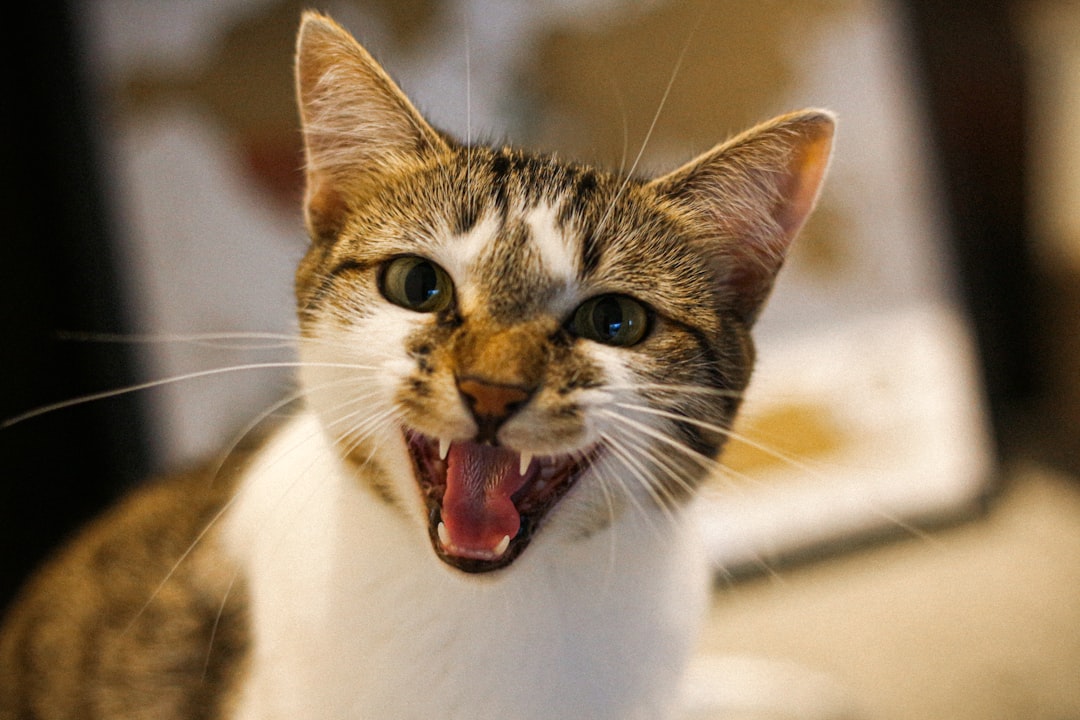

The Hidden Language of Cat Irritation (Image Credits: Unsplash)
Cats express their emotions through nuanced body language that attentive owners can learn to interpret, helping to foster a harmonious relationship and avoid unexpected scratches.
The Hidden Language of Cat Irritation
A surprising fact emerges when observing domestic cats: they provide multiple warnings before resorting to aggression, yet many owners miss these cues entirely. Veterinary experts emphasize that felines rely on subtle signals rather than overt displays to communicate displeasure. This approach stems from their evolutionary instincts as solitary hunters, where direct confrontation conserves energy. Recognizing these signs not only prevents mishaps but also strengthens the bond between pet and owner. In moments of tension, such as during unwanted petting or territorial intrusions, a cat’s posture shifts dramatically.
Owners often overlook how stress accumulates in cats, leading to sudden outbursts. Studies on feline behavior highlight that early intervention based on these indicators can de-escalate situations effectively. For instance, a cat might freeze or tense up as an initial response to discomfort. Over time, ignoring these signals erodes trust, making the cat more withdrawn. Attuning to these patterns requires practice, but it pays off in a calmer household.
Tail and Posture Betrayals
One of the most visible indicators of a cat’s anger involves its tail, which serves as a barometer for emotional states. When a cat lashes its tail rapidly from side to side, it signals building frustration, often preceding a swipe or bite. This motion contrasts with the gentle swish of curiosity or contentment. In high-tension scenarios, the tail might puff up or thrash wildly, amplifying the message of agitation. Owners who notice this should create distance immediately to allow the cat space.
Posture changes accompany tail signals, with an arched back and raised fur indicating defensive anger. The cat adopts a low crouch or sideways stance to appear larger and more intimidating. These physical adjustments prepare the animal for fight or flight. Such displays rarely occur in isolation; they pair with other cues for a full picture of discontent. Understanding these helps owners respond proactively rather than reactively.
Facial Expressions and Eye Contact
A cat’s face reveals volumes about its mood, particularly through ear position and eye dilation. Flattened ears pressed against the head denote irritation or fear, a clear “back off” warning that precedes hissing. Wide-open eyes with dilated pupils suggest heightened alertness and potential aggression, differing from the slow blinks of affection. These facial shifts happen swiftly, often in response to perceived threats like sudden movements or unfamiliar scents.
Direct, unblinking stares from a cat can feel unnerving, signaling dominance or annoyance rather than playfulness. In contrast, averted gaze or rapid blinking might indicate submission, but persistent staring builds tension. Facial twitching or lip curling exposes teeth as a final alert. Owners attuned to these micro-expressions navigate interactions more safely. Regular observation hones this skill, turning potential conflicts into peaceful encounters.
Vocal Clues and Physical Warnings
Beyond visuals, sounds like low growls or sharp hisses broadcast a cat’s displeasure unmistakably. These vocalizations escalate from soft rumbles to intense yowls when boundaries feel violated. Unlike purring, which can sometimes mask discomfort, angry meows carry a sharp, demanding tone. In the heat of the moment, a cat might combine these with spitting or chattering to emphasize its stance.
Physical actions follow if warnings go unheeded, such as paw swats without claws extended as a gentle rebuke. Full scratches or bites mark the threshold of true anger, often after ignored subtleties. These behaviors protect the cat’s personal space, especially during handling or in multi-pet homes. Noticing the progression allows owners to intervene early, preserving the relationship.
- Flattened ears and dilated pupils signal immediate discomfort.
- Rapid tail lashing warns of impending aggression.
- Growling or hissing demands space and respect.
- Arched back with puffed fur indicates defensive posture.
- Averted eyes or stiff body show withdrawal from interaction.
- Sudden swipes serve as boundary enforcers.
- Persistent staring challenges perceived threats.
Key Takeaways
- Observe multiple signs together for accurate interpretation, as isolated cues can mislead.
- Respect your cat’s signals to build trust and reduce stress in the household.
- Consult a vet if anger seems chronic, as it may stem from health issues.
Mastering these feline signals transforms misunderstandings into mutual respect, ensuring a peaceful coexistence with your cat. What signs have you noticed in your own pet? Share your experiences in the comments below.

- Urban Coyotes Show Remarkable Adaptability, Learning to Thrive in City Environments - July 22, 2026
- Beavers Are Nature’s Engineers, Creating Vital Habitats for Other Wildlife Species - July 21, 2026
- The Recovery of the California Condor Offers Hope for Other Critically Endangered Birds - July 21, 2026