

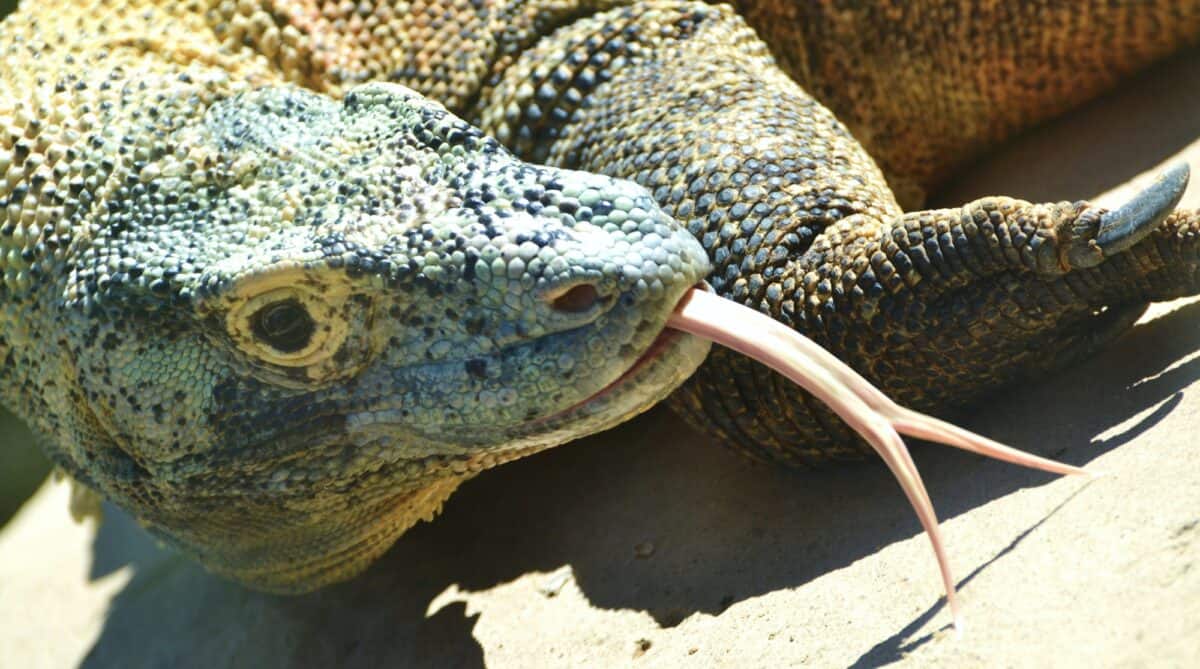
Encounters with Komodo Dragons, the world’s largest lizards, can be exhilarating yet unpredictable experiences. In the event of a Komodo Dragon bite, swift and proper treatment is crucial to minimize complications and ensure effective wound management. Here’s a comprehensive guide on how to treat a Komodo Dragon bite, along with important preventive measures.
Step 1. Immediate First Aid

🔥 Would you like to save this?
We'll email this post to you, so you can come back to it later!
Stay Calm

🔥 Would you like to save this?
We'll email this post to you, so you can come back to it later!
Maintain composure to assess the situation and respond appropriately.
Control Bleeding

🔥 Would you like to save this?
We'll email this post to you, so you can come back to it later!
Apply direct pressure to the wound with a clean cloth or bandage to stop bleeding. Elevate the affected limb if possible.
Clean the Wound
🔥 Would you like to save this?
We'll email this post to you, so you can come back to it later!
Rinse the bite area thoroughly with clean water to remove dirt and debris. Avoid using soap or harsh chemicals, as they may further irritate the wound.
Apply Antiseptic
🔥 Would you like to save this?
We'll email this post to you, so you can come back to it later!
Use an antiseptic solution or wipes to disinfect the bite site and reduce the risk of infection.
Step 2. Seek Medical Attention

🔥 Would you like to save this?
We'll email this post to you, so you can come back to it later!
Prompt Evaluation

🔥 Would you like to save this?
We'll email this post to you, so you can come back to it later!
Immediately seek medical assistance, even for seemingly minor bites. Komodo Dragon saliva contains harmful bacteria that can lead to severe infections if left untreated.
Professional Treatment

🔥 Would you like to save this?
We'll email this post to you, so you can come back to it later!
Healthcare providers will assess the bite wound, administer appropriate wound care, and may prescribe antibiotics to prevent infection.
Step 3. Monitor for Complications

🔥 Would you like to save this?
We'll email this post to you, so you can come back to it later!
Watch for Signs of Infection
Keep a close eye on the bite wound for any signs of infection, such as increased pain, redness, swelling, or discharge. Seek medical attention if symptoms worsen or persist.
Follow-Up Care
Attend follow-up appointments as recommended by healthcare professionals to ensure proper healing and monitor for any complications.
Preventive Measures From A Bite

🔥 Would you like to save this?
We'll email this post to you, so you can come back to it later!
Maintain Distance
Avoid provoking or approaching Komodo Dragons in their natural habitat. Respect their space and observe from a safe distance.
Wear Protective Gear
When visiting areas inhabited by Komodo Dragons, wear sturdy footwear and long pants to minimize the risk of bites.
Stay Informed
Educate yourself and others about the behavior and habitat of Komodo Dragons to prevent accidental encounters and mitigate risks.
Next, let’s ecplore the behavioral characteristics of Komodo Dragons…
Aggressive Predators

🔥 Would you like to save this?
We'll email this post to you, so you can come back to it later!
Komodo Dragons are skilled hunters, known for their ambush tactics and powerful bite. They possess keen senses and are capable of tracking prey over long distances.
Solitary Creatures

🔥 Would you like to save this?
We'll email this post to you, so you can come back to it later!
While Komodo Dragons may congregate around food sources, they typically lead solitary lives, only coming together during mating season.
Cannibalistic Tendencies

🔥 Would you like to save this?
We'll email this post to you, so you can come back to it later!
Adult Komodo Dragons are known to exhibit cannibalistic behavior, preying on younger individuals and even their own offspring.
Social Hierarchy

🔥 Would you like to save this?
We'll email this post to you, so you can come back to it later!
Dominance hierarchies exist among Komodo Dragons, with larger and older individuals often asserting dominance over smaller ones. These hierarchies influence mating opportunities and access to resources.
Patrolling Behavior
🔥 Would you like to save this?
We'll email this post to you, so you can come back to it later!
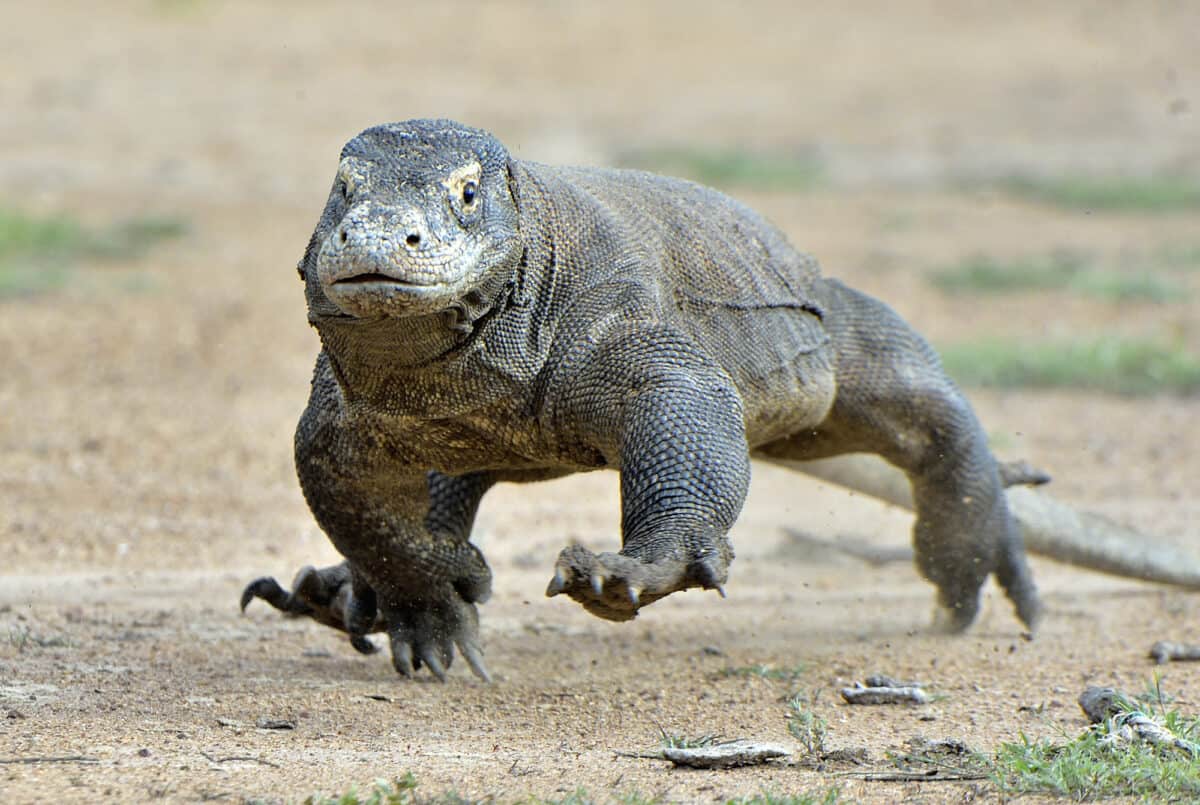
Komodo Dragons are known for their territorial behavior, often patrolling and defending their territories against intruders, including other Komodo Dragons and potential threats. They mark their territories with scent markings and aggressive displays to deter competitors.
Wrap Up

🔥 Would you like to save this?
We'll email this post to you, so you can come back to it later!
In conclusion, being prepared and knowing how to properly treat a Komodo Dragon bite is essential for anyone venturing into regions where these formidable reptiles roam. By following these steps and understanding their behavioral characteristics, you can minimize the risks associated with encounters with Komodo Dragons and ensure your safety in their presence.
Thanks for reading along, for more, check out our related article link below!
Next up:

For any feedback please message Feedback@animalsaroundtheglobe.com
- Venomous Spiders Found in America - November 5, 2026
- Top 10 Best Spots for Whale Watching in the US - November 4, 2026
- Alaskan Malamute Vs. Bearded Collie - November 2, 2026