

Something has quietly shifted in the forests of Northern California. These were once among the most resilient woodlands in the American West, thick with old conifers, cooled by coastal fog, and dampened by mountain snowpack for much of the year. For most of recent history, a fire moving through this region rarely had the energy to do lasting damage.
That assumption no longer holds. The forests here are burning differently now, at higher temperatures, across wider territories, and with consequences that researchers are still working to fully understand. The transformation unfolding across the Sierra Nevada, the Cascades, and the northern coastal ranges is not just a fire story. It is, more precisely, a forest story.
Fires Are Burning into Places They Never Used to Reach
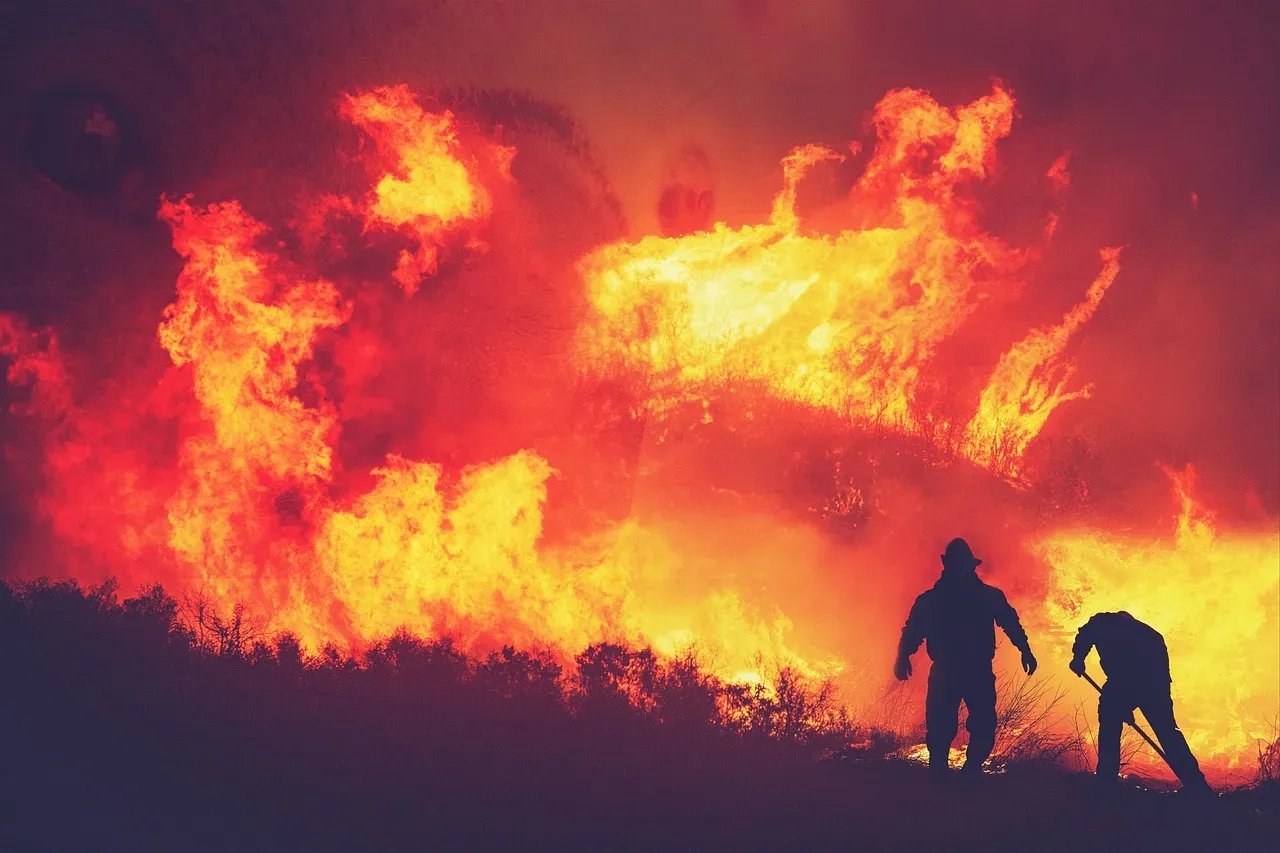
For generations, the cooler and wetter character of Northern California’s forests offered a kind of natural protection. Moisture locked into the soil and fog clinging to the coastal ridges kept fire at bay for much of the season.
Wildfires have moved into new areas with denser and more vulnerable forests, including northern mountain and coastal regions that may have been protected in the past by cooler summers and higher levels of surface moisture. That buffer is shrinking.
In the far north, California’s so-called “asbestos forests” have lost their immunity. Massive fires tore through dense, moist rainforests where climate change chased away the region’s protective layer of fog and mist.
This trend is even more pronounced in California’s higher-elevation mountains and northern forests, where fire season has expanded by an average of two days every year since the early 1990s. That adds up to weeks of additional vulnerability across a landscape where the window was once naturally narrow.
Severity Has Climbed Far Beyond Historical Norms
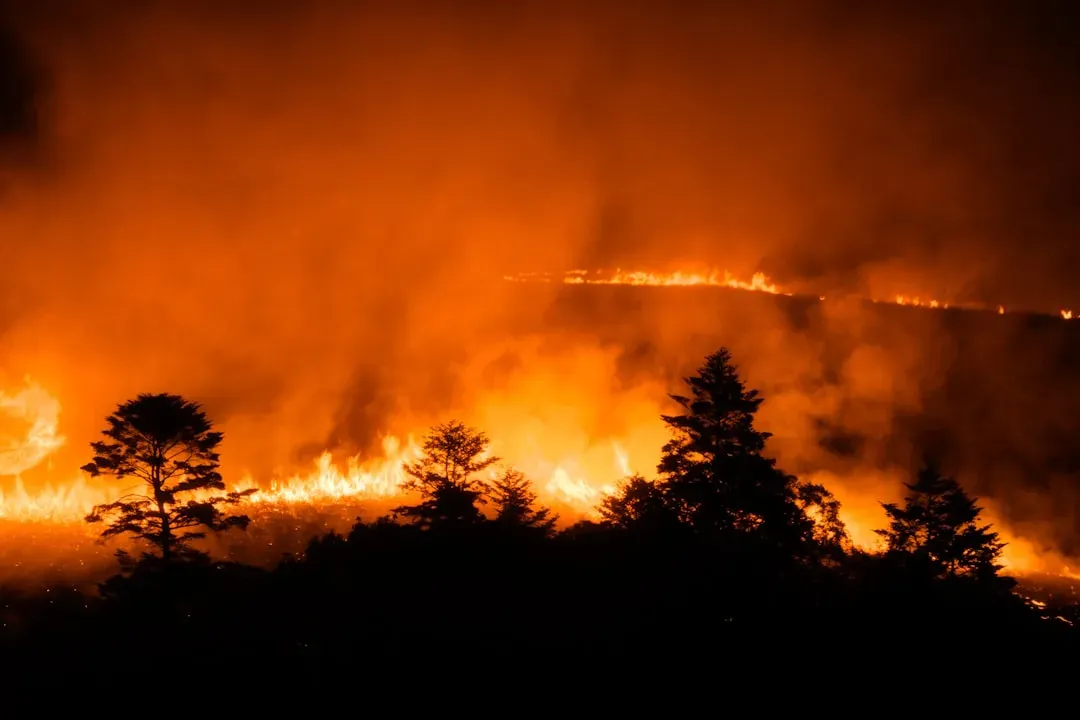
It is not just that more land is burning. The way it burns has fundamentally changed. Where wildfires once swept through a forest and left much of the canopy standing, the fires of recent decades arrive with far greater intensity.
The severity of California’s wildfires has rapidly increased over the last several decades as a result of human-driven climate change. As California’s climate has become warmer and drier, the severity of the average wildfire increased by roughly thirty percent between the 1980s and 2010s.
Tree cover losses have been rising faster than the area burned, suggesting that fires are not simply getting larger but are also burning more intensely, affecting forests more severely on a per-unit burned area basis. The result, researchers found, was roughly twice the tree cover loss compared to what increased burned area alone would explain.
Before California wildfires started growing in severity and size, forests usually had time to regrow and reestablish whatever tree cover was lost. Now, fires are so big and so intense that forests cannot keep up. The pace of recovery has simply been outrun.
When Forests Burn, They Do Not Always Come Back as Forests
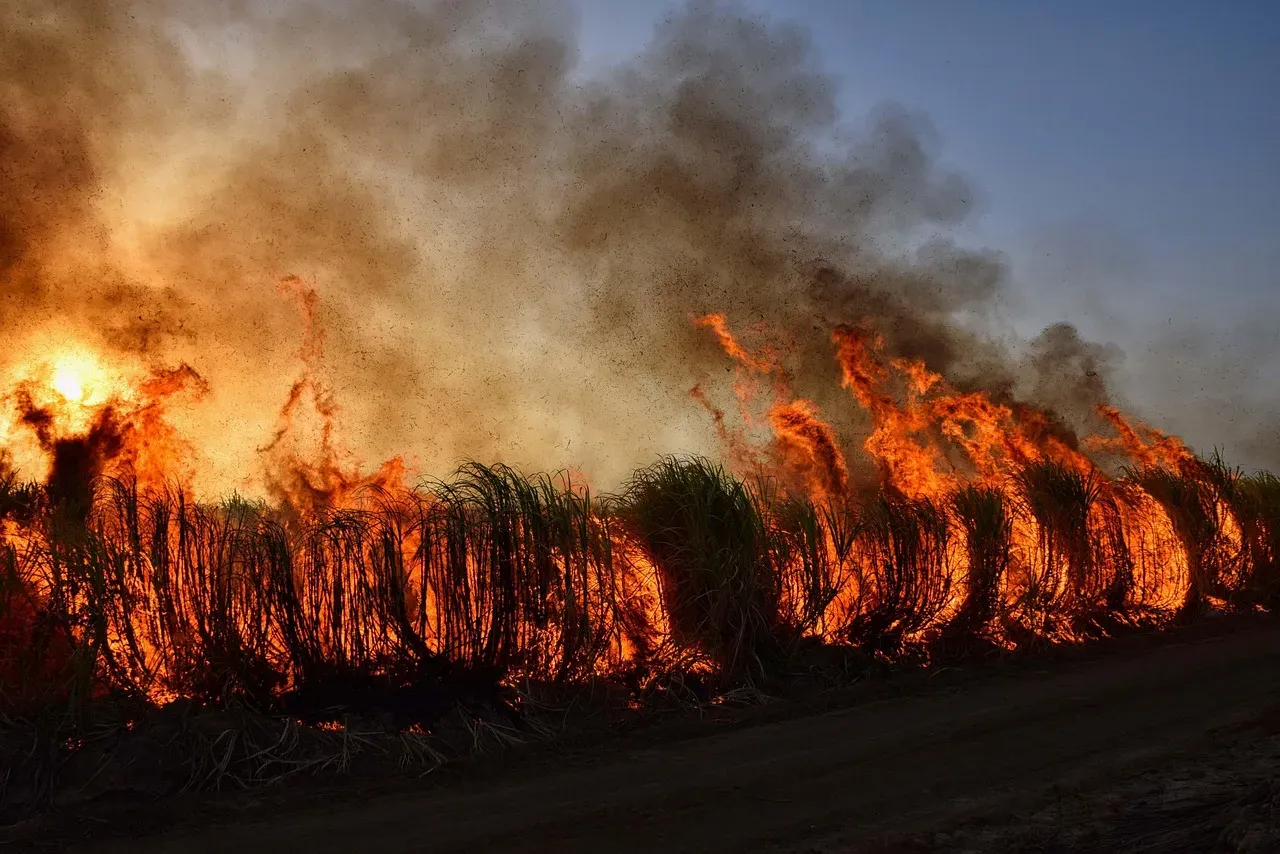
One of the most consequential changes taking place is not what burns but what grows back afterward. In many parts of Northern California, post-fire landscapes are not returning to the mix of conifers and hardwoods that defined them before.
A landscape can regenerate without necessarily returning to its previous mix of trees. Oaks might replace pines, or drought-tolerant shrubland might take the place of moisture-loving trees. Which kind of plant community recolonizes depends heavily on the region’s climate in the months and years following fire.
In the Klamath region of northern California and southern Oregon, approximately one third of conifer-dominated forest could transition to shrub- or hardwood-dominated ecosystems by the late twenty-first century. That would represent a fundamental restructuring of one of California’s most ecologically significant landscapes.
The size and severity of recent wildfires has negatively influenced post-disturbance natural regeneration, threatening millions of acres of natural lands that are at risk of type conversion, meaning land cover permanently converting from forest to non-forest. This shift carries real consequences for water supply, wildlife habitat, and carbon storage alike.
A Century of Fire Suppression Made Things Worse
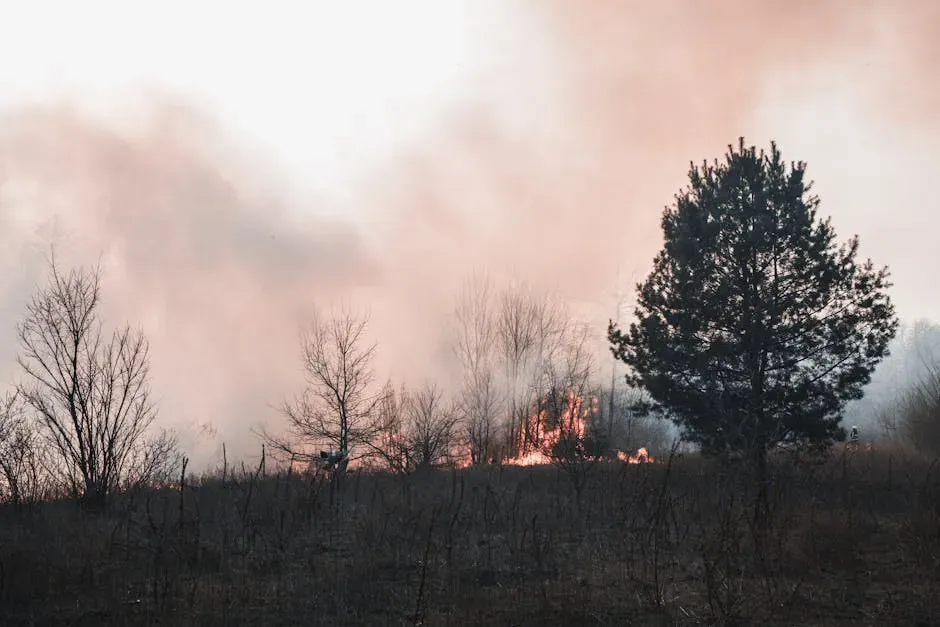
The current crisis did not emerge from climate alone. It was built on decades of land management choices that, with the benefit of hindsight, helped create the conditions for today’s most destructive fires.
One hundred and fifty years of intense fire management practices and policies resulted in major ecosystem changes. In much of the California forested land base, loss of large fire-tolerant trees, stand densification by fire-intolerant species, and fuel accumulations are contributing to increasingly severe wildfires.
Areas that haven’t burned in as much as a century due to fire suppression practices beginning in the early twentieth century are now burning with massive amounts of accumulated fuel feeding the flames. That built-up load is exactly what makes today’s fires so difficult to manage.
California’s forests, which cover roughly a third of the state, are now choked with nearly 163 million dead trees. Those standing dead trees act as ready fuel, and in many places across the northern ranges, they have been waiting for decades.
What Scientists and Land Managers Are Doing Now
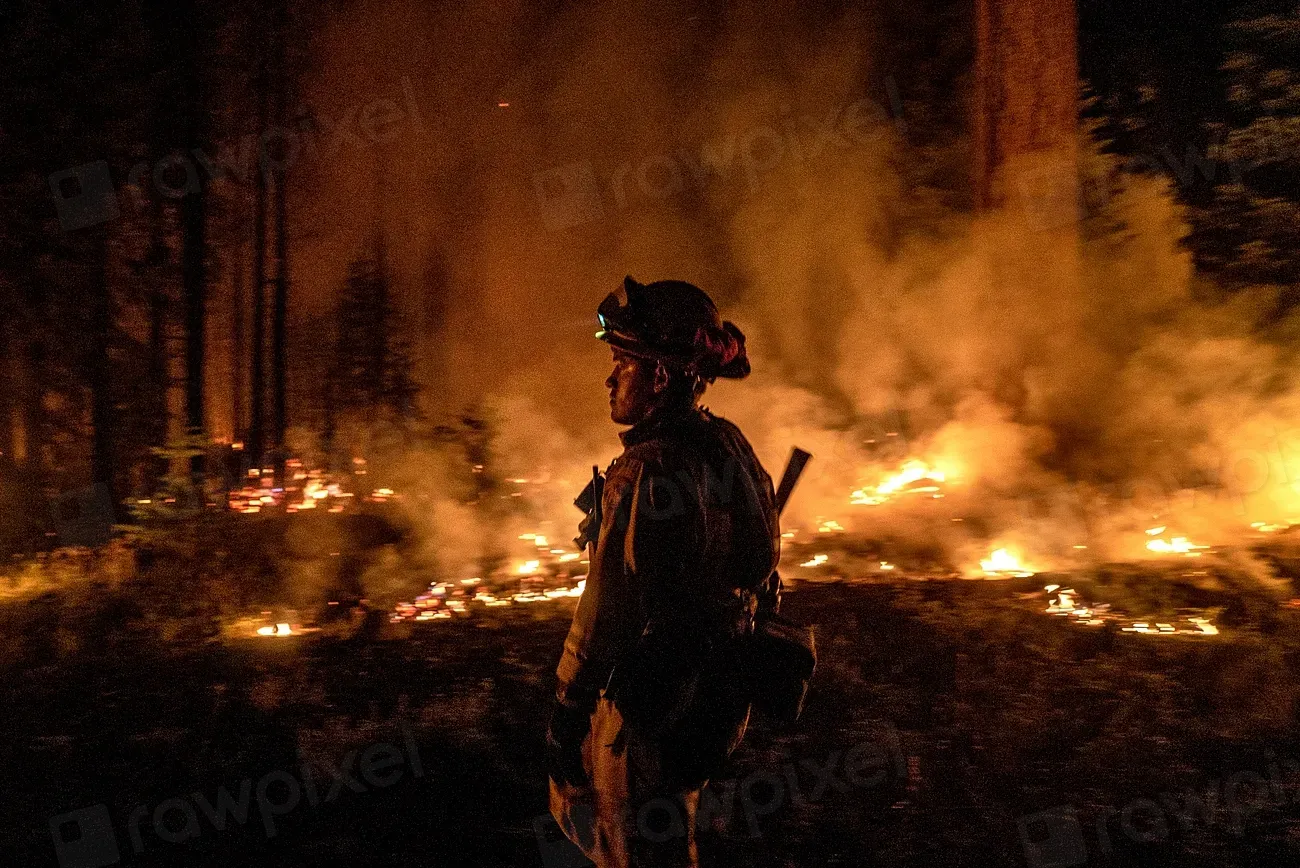
The response to this transformation is picking up pace, though the scale of the challenge is considerable. Prescribed fire, long underused, is increasingly recognized as one of the most practical tools available for restoring forest health.
A two-decade-long experiment in the Sierra Nevada found that regular prescribed burns promote carbon sequestration in live trees and plants, maintaining forests’ long-term ability to store carbon while also reducing wildfire hazard. The evidence, at least from controlled settings, is encouraging.
Warmer and drier climate conditions are making it less likely that trees can regenerate after wildfires. However, ecologically based forest management can partially offset climate-driven declines in tree regeneration by limiting fire-caused tree death, but only if action is taken quickly.
Following a wildfire as severe as the Camp Fire, reforestation and native species reintroduction is necessary to ensure the landscape does not undergo a large-scale type conversion from forest to shrubland. Collaborative restoration projects have incorporated traditional ecological knowledge through tribal partnerships to seed the landscape in ways that aim for a diverse, drought-tolerant, and climate-resilient forest.
In November 2024, California voters approved Proposition 4, the Safe Drinking Water, Wildfire Prevention, Drought Preparedness, and Clean Air Act. Governor Newsom subsequently signed legislation allocating more than thirty million dollars from that proposition toward wildfire prevention and forest resilience. Whether that funding proves adequate to the scale of what forests face remains an open question.
What the Forests of Northern California Tell Us About the Future
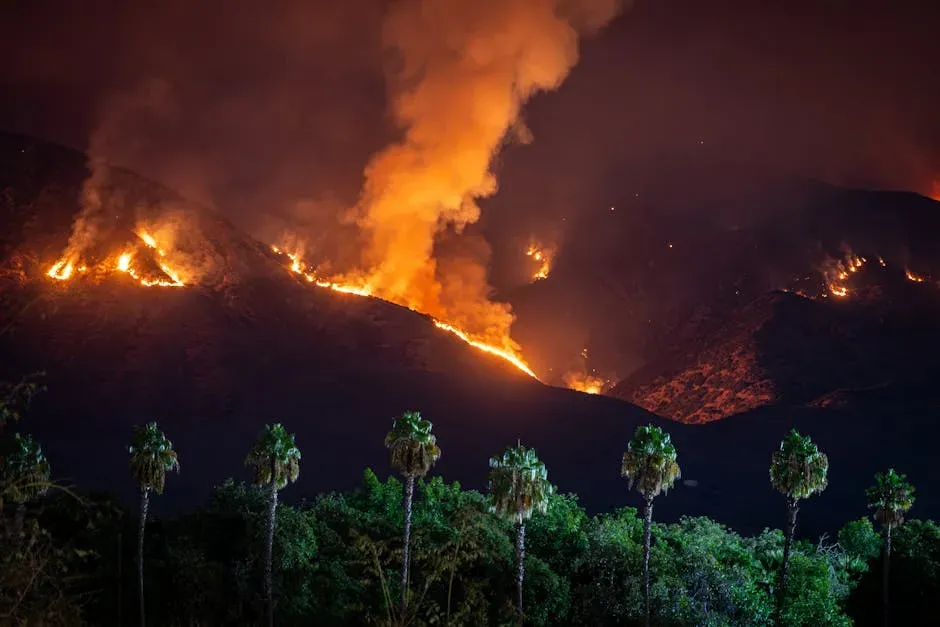
The changes underway are not isolated or temporary. They reflect a broader renegotiation between climate, land use history, and forest ecology that is playing out across the entire American West.
Total tree cover in California has decreased by roughly seven percent since 1985 from the combined effects of wildfire and drought-induced die-off. That number, while striking on its own, understates what it feels like on the ground in places where entire mountainsides have been reduced to ash and shrub.
Despite more than forty percent of the Dixie fire burning at high severity, meaning a total loss of the forest canopy, the forest showed signs of regeneration. That offers some reason for measured optimism. Forests can surprise researchers with their persistence, even after catastrophic events.
Still, the window for meaningful intervention is narrowing. The combination of hotter and longer fire seasons, accumulated fuel loads, and faster-drying landscapes means that future fires will arrive before young trees have had time to establish. Recovery is not impossible, but it is becoming harder to predict and harder to guarantee.
The forests of Northern California are not dying. They are changing, and that distinction matters. Some of that change will be painful and irreversible. Some may produce landscapes that are, in their own way, adapted to what is coming. What happens next depends less on the fires themselves and more on how seriously the science is taken, and how quickly that translates into action on the ground.
