

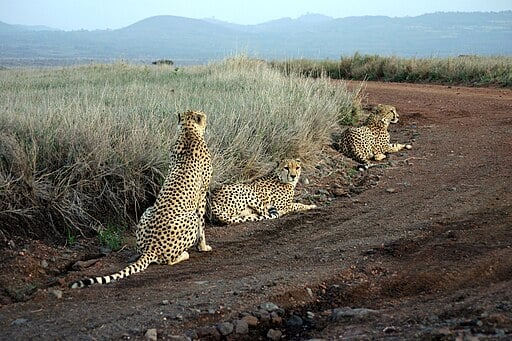
In the heart of Kenya’s diverse landscapes, a silent transformation is underway—one that not only safeguards wildlife but also intertwines the destinies of animals and local communities. The establishment and protection of wildlife corridors have become pivotal in ensuring that Kenya’s rich biodiversity thrives amidst growing environmental challenges.
The Essence of Wildlife Corridors

🔥 Would you like to save this?
We'll email this post to you, so you can come back to it later!
Wildlife corridors are natural passageways that connect fragmented habitats, allowing animals to migrate, find mates, and access essential resources like food and water. These corridors are vital for maintaining ecological balance, genetic diversity, and the overall health of ecosystems. Without them, wildlife populations can become isolated, leading to inbreeding, resource depletion, and increased human-wildlife conflicts.
Lewa Wildlife Conservancy

🔥 Would you like to save this?
We'll email this post to you, so you can come back to it later!
One notable example of corridor conservation is the Lewa Wildlife Conservancy. Located about 260 kilometers north of Nairobi, Lewa has been proactive in acquiring land to link the Mount Kenya forest preserve with northern rangelands. This initiative not only facilitates the free movement of species like elephants and black rhinos but also reduces incidents of human-wildlife conflict. Recent wildlife censuses at Lewa have reported increasing populations of these majestic creatures, highlighting the success of such conservation efforts.
Community Conservancies

🔥 Would you like to save this?
We'll email this post to you, so you can come back to it later!
Beyond institutional efforts, community-run conservancies have emerged as formidable players in the conservation landscape. Managed by local communities—including herders, farmers, and hunter-gatherers—these conservancies cover substantial areas, accounting for 16% of Kenya’s land. They have achieved remarkable results in wildlife population growth and habitat restoration. In regions like the Maasai Mara, over 80% of wildlife resides within these community conservancies, underscoring their effectiveness. This model not only promotes human-wildlife coexistence but also empowers local communities by creating jobs and boosting local economies.
Challenges and the Road Ahead

🔥 Would you like to save this?
We'll email this post to you, so you can come back to it later!
Despite these successes, challenges persist. Human population growth, urbanization, and climate change continue to threaten wildlife habitats. However, the collaborative efforts of conservationists, government bodies, and local communities offer a beacon of hope. By prioritizing the establishment and maintenance of wildlife corridors, Kenya is not only preserving its natural heritage but also fostering a future where wildlife and humans coexist harmoniously.
In the intricate tapestry of Kenya’s ecosystems, wildlife corridors serve as the threads that weave together the fabric of life, ensuring that the wild heart of Africa continues to beat for generations to come.

adventuring, photography and videography. I am currently working towards a BSc in Biodiversity and Ecology at Stellenbosch University to go on to specialise in Marine Sciences one day.
Please send any feedback to Feedback@animalsaroundtheglobe.com
- 26 Most Dangerous Snakes Found in North America - October 19, 2026
- 21 Things Not to Feed Your Pet Dog - October 18, 2026
- 10 Sacred Native American Sites in North America - October 16, 2026