

Wolves, those enigmatic creatures of the wilderness, have long captivated our imagination with their complex social structures and sophisticated communication systems. While their haunting howls might be their most famous vocalization, much of wolf communication happens silently. These remarkable predators have developed an intricate system of non-verbal cues that allow them to coordinate hunts, express emotions, establish hierarchy, and maintain pack cohesion—all without making a sound. From subtle body postures to facial expressions and scent marking, wolves engage in a rich tapestry of silent communication that reveals the complexity of their social lives. In this article, we’ll explore the fascinating world of silent wolf communication, uncovering how these animals convey volumes of information through methods that human observers might easily miss.
The Silent Language of Body Posture

A wolf’s body posture serves as its primary silent communication tool, conveying immediate information about its emotional state and intentions. The position of ears, tail, head, and overall stance creates a visual language that other wolves can read instantly. A dominant wolf stands tall with ears erect, tail raised, and direct eye contact, while a submissive wolf lowers its body, tucks its tail, flattens its ears, and avoids direct gaze. These postures aren’t static—they exist on a spectrum of subtle variations that communicate nuanced messages. During pack interactions, wolves constantly adjust their postures in response to others, creating a dynamic, silent conversation that establishes and reinforces social relationships. This postural language is so refined that wolves can signal their intentions to shift from aggression to play or submission in a matter of seconds, all without vocalizing.
Facial Expressions: The Subtle Art of Silent Communication
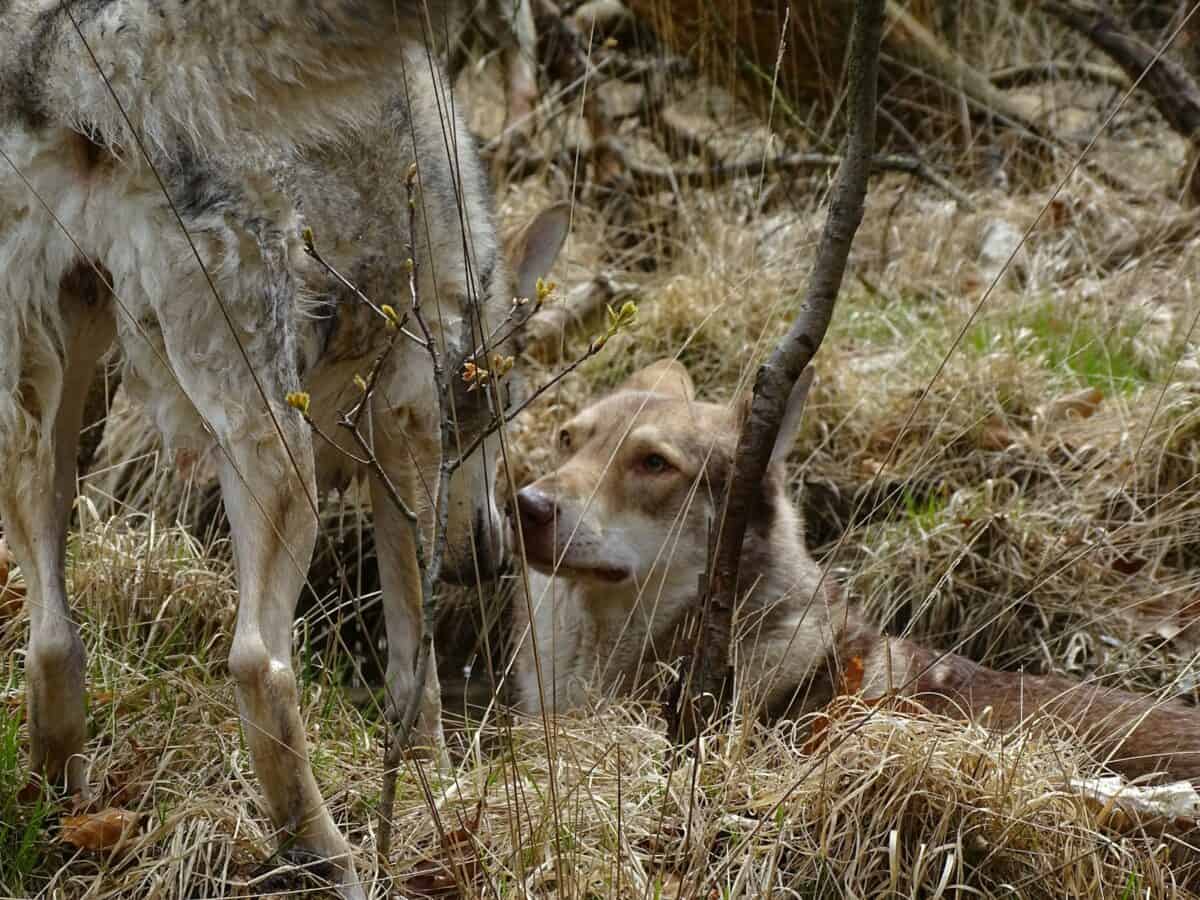
Wolf facial expressions constitute a sophisticated silent communication system that researchers are still working to fully decode. The position of ears, eyes, and lips—along with subtle muscle movements—creates expressions that convey emotional states ranging from fear and aggression to contentment and playfulness. Perhaps most notably, wolves use what ethologists call the “submission grin”—a distinctive facial expression where a subordinate wolf pulls back its lips to expose teeth in a non-threatening display that communicates deference to a dominant individual. Wolves can also express mood through eye contact patterns; direct staring signals dominance or potential threat, while averted gazes communicate submission. The dilation of pupils and tension around the eyes can also silently communicate a wolf’s level of arousal or stress. These facial expressions allow for immediate, silent communication that helps maintain pack harmony without the need for potentially attention-drawing vocalizations.
Tail Signaling: A Flag of Emotional States

A wolf’s tail serves as a highly visible signaling device, communicating emotional states and intentions without making a sound. The position, movement, and tension of the tail act as reliable indicators of a wolf’s mood and social status. A tail held high signals confidence and dominance, while a low or tucked tail indicates submission or fear. When a wolf holds its tail straight out behind its body, it often signals focused attention or potential aggression. During hunting, wolves may hold their tails in a specific horizontal position to silently coordinate movements with packmates. The rate and amplitude of tail wagging also communicates information—slow, stiff wags might indicate uncertainty or tension, while loose, broad wags often accompany playful states. The tail’s visibility from a distance makes it particularly valuable for silent communication when wolves are spread out during hunting or territorial patrols, allowing pack members to gauge each other’s emotional states and intentions from afar.
Scent Marking: Long-Distance Silent Messages

Scent marking represents one of wolves’ most sophisticated forms of silent communication, creating olfactory messages that persist long after the sender has departed. Wolves possess highly developed scent glands on various parts of their bodies, including their faces, paws, and anal region. By strategically depositing these scents on trees, rocks, and other landscape features, wolves create an invisible network of chemical information that other wolves can interpret. These silent messages communicate territory boundaries, reproductive status, individual identity, and even emotional states. Research indicates that wolves can discern the sex, age, social status, and even the time elapsed since a scent mark was left. Dominant wolves typically mark more frequently than subordinates, with alpha pairs establishing scent-marking patterns that reinforce their status. This olfactory communication system allows wolves to exchange complex information with pack members and neighboring packs without direct contact or vocalization, effectively creating a silent landscape of chemical messages that helps coordinate pack movements and maintain territorial boundaries.
The Silent Choreography of Group Movement

Wolves display remarkable coordination during group movements without vocalizing, relying instead on a sophisticated system of visual cues and body language. When traveling as a pack, wolves maintain awareness of each other’s positions through a combination of visual monitoring and body posture signals. The lead wolf—often but not always the alpha—initiates movement with subtle postural changes that signal intention to other pack members. These might include pointing behaviors, where the wolf orients its body in the intended direction of travel, or gentle head gestures that signal a change in course. During hunting, this silent coordination becomes particularly refined, with wolves using tail positions, ear orientations, and body angles to communicate stalking patterns, surround prey, or signal readiness to attack. Studies of wolf hunting behavior reveal that successful packs can execute complex, multi-stage hunting strategies with minimal vocalization, relying instead on this intricate system of silent visual cues that allows them to function as a coordinated unit without alerting prey.
Eye Contact and Gaze Communication

Eye contact represents one of the most nuanced elements of silent wolf communication, conveying information about social relationships, intentions, and emotional states. Direct, unwavering eye contact serves as a dominance display or potential threat, while averted gazes signal submission or non-aggressive intent. Wolves carefully modulate eye contact during social interactions, creating complex patterns of gaze engagement and avoidance that help maintain pack harmony. During play, wolves may use exaggerated eye contact paired with relaxed body postures to communicate playful intentions. When hunting, brief glances between pack members help coordinate movements without vocalizations that might alert prey. Research suggests that wolves can follow the gaze direction of other wolves to identify objects of interest, demonstrating a sophisticated understanding of visual attention. This silent visual communication system allows wolves to exchange information about environmental features, potential threats, or prey locations simply by looking in particular directions, creating a shared awareness that enhances pack cohesion without sound.
Ritualized Behaviors and Silent Social Bonding

Wolves engage in numerous ritualized behaviors that strengthen social bonds and reinforce pack structure without vocal communication. Greeting ceremonies—elaborate displays that occur when pack members reunite after separation—involve complex sequences of face licking, body rubbing, tail wagging, and play bowing that communicate recognition, affection, and social status. These silent rituals help maintain emotional connections between pack members and reinforce social hierarchies. During communal grooming sessions, wolves silently communicate trust and affection while simultaneously spreading scent throughout the pack, creating a shared “pack odor” that helps identify members. Play behaviors among adults and juveniles follow specific silent patterns that include self-handicapping by stronger individuals and role reversals that temporarily suspend normal dominance relationships. Research suggests these ritualized silent interactions serve crucial social functions, including stress reduction, conflict prevention, and the development of coordination skills valuable for hunting. By participating in these silent social rituals, wolves continuously renew their pack bonds and maintain the social cohesion necessary for cooperative living without the need for vocalizations.
The Silent Language of Play

Play represents a sophisticated form of silent communication through which wolves practice social skills, develop hunting abilities, and strengthen pack bonds. The play bow—where a wolf lowers its front quarters while keeping its rear elevated—serves as a universal signal in canid communication that indicates “what follows is play, not aggression.” This silent gesture establishes a framework for mock fights, chases, and predatory games that might otherwise be misinterpreted as genuine aggression. During play sessions, wolves silently communicate their intentions through exaggerated movements, self-handicapping behaviors, and relaxed facial expressions. Research indicates that wolf play follows specific patterns and rules that require continuous silent communication to ensure all participants understand the interaction remains friendly. Adult wolves use play to reinforce social bonds and release tension within the pack, while younger wolves develop crucial cognitive and physical skills through play that will later serve them in hunting and social interactions. This sophisticated form of silent communication demonstrates wolves’ remarkable ability to create and maintain complex social understandings without vocalization.
Submissive Displays: Silent Conflict Resolution

Wolves have evolved elaborate submissive displays that function as silent mechanisms for conflict resolution and hierarchy maintenance. When confronted by a more dominant pack member, subordinate wolves engage in a repertoire of stereotyped submissive behaviors including body lowering, rolling onto their backs to expose vulnerable areas, tucking their tails, flattening their ears, and avoiding direct eye contact. These displays effectively communicate acceptance of the dominant wolf’s status while simultaneously requesting non-aggressive treatment. More intense submissive displays may include face licking, where the subordinate wolf licks at the mouth area of the dominant individual—a behavior derived from pup food-begging that evolved into an appeasement signal among adults. Research indicates these silent submissive rituals successfully prevent potential conflicts from escalating to physical aggression in approximately 95% of tense interactions. This sophisticated system of silent conflict resolution allows wolf packs to maintain stable social hierarchies while minimizing injuries that could compromise the pack’s hunting ability or survival. By replacing potentially dangerous physical confrontations with these ritualized submissive displays, wolves demonstrate remarkable social intelligence expressed entirely through silent communication.
Nursing and Silent Mother-Pup Communication

The relationship between wolf mothers and their pups features sophisticated silent communication that begins immediately after birth. Newborn wolf pups, whose eyes and ears remain closed for their first two weeks of life, rely entirely on touch, taste, and smell to navigate their environment. During this period, mothers communicate silently through gentle nudging, body positioning, and temperature regulation to guide pups toward nursing, grooming, and proper elimination behaviors. As pups develop, mothers use silent physical cues including body blocking, gentle mouthing, and postural guidance to establish boundaries and teach appropriate behaviors. Research shows that wolf mothers silently communicate danger through subtle body tension that pups can detect through physical contact, causing them to freeze or return to the den without vocal alerts that might attract predators. This silent maternal communication continues throughout the pups’ development, with mothers using increasingly subtle body language to guide pups’ integration into pack activities and social structures. This sophisticated system of silent maternal communication forms the foundation for the complex non-vocal communication skills that wolf pups will develop as they mature into adult pack members.
Proximity and Spatial Relationships as Communication
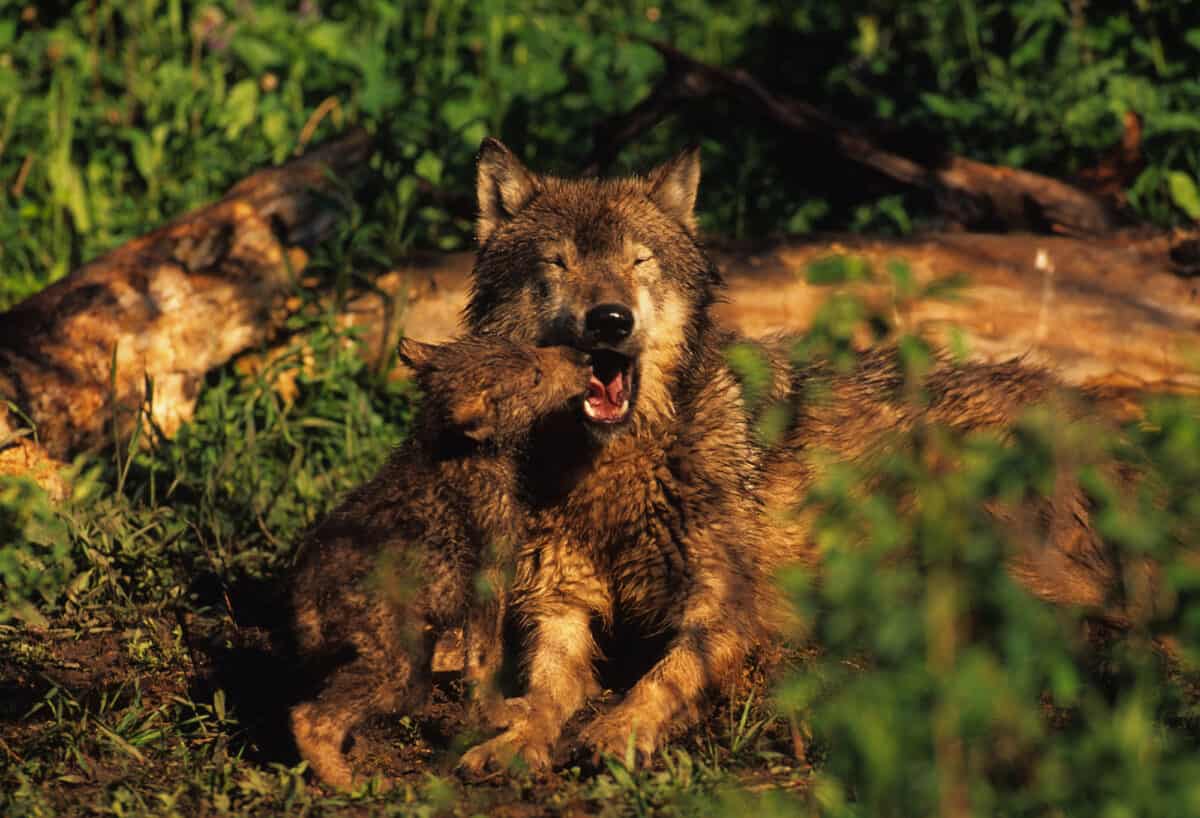
Wolves communicate significant information through their spatial positioning and proximity choices without making any sounds. The distance wolves maintain between themselves and other pack members silently communicates information about social relationships, emotional states, and current intentions. Dominant wolves typically command more personal space, with subordinates maintaining respectful distances unless invited closer through subtle postural invitations. During rest periods, the spatial arrangement of pack members—who lies next to whom and in what formation—reflects the pack’s social structure and emotional bonds. Close physical contact, such as resting with bodies touching, silently communicates trust and affiliation. Research shows that wolves adjust their spatial relationships in response to environmental factors, clustering more tightly in cold weather or spreading out when vigilance is required. During hunting or territorial patrols, wolves maintain specific spacing patterns that maximize efficiency while allowing for silent visual communication between individuals. These sophisticated spatial arrangements represent a form of continuous silent communication that reinforces social relationships and enhances group coordination without requiring vocalizations that might alert prey or rival packs.
Silent Predatory Communication and Hunting Coordination

Perhaps nowhere is wolves’ silent communication more impressive than during cooperative hunting, where packs coordinate complex strategies without vocalizations that would alert prey. When stalking, wolves communicate through an intricate system of body postures, tail positions, and ear orientations that silently coordinate approach angles, timing, and targeting decisions. Research documents that wolves frequently make eye contact during hunts, using gaze direction to indicate prey location or intended movement patterns. Pack members silently coordinate surroundingmaneuvers by positioning their bodies in relation to both the prey and other wolves, creating effective containment formations. During the final stages of a hunt, wolves use subtle head gestures, freezing behaviors, and synchronized body tension to communicate readiness for the final attack. Studies of successful wolf packs show they can simultaneously launch coordinated attacks from multiple directions with precise timing—all orchestrated through silent visual communication. This remarkable ability to coordinate complex predatory sequences without vocalization gives wolves a significant advantage when hunting alert prey species like deer and elk, which evolved heightened sensitivity to predator sounds. The silent predatory communication of wolves represents one of nature’s most sophisticated examples of non-vocal coordination among social predators.
The Science and Future of Understanding Wolf Silent Communication

Scientific understanding of wolf silent communication continues to evolve as researchers develop new methods to observe and analyze these subtle behaviors. Modern research employs advanced technologies including high-definition video analysis, remote sensing, GPS collars, and computational approaches to decode patterns in wolf non-vocal communication. These tools allow scientists to document fine details of body language and spatial relationships that previous generations of researchers couldn’t observe. Current research particularly focuses on understanding the contextual variations in wolf silent communication—how the same physical gesture might carry different meanings depending on social context, environmental conditions, or the specific wolves involved. As scientific understanding advances, researchers increasingly recognize that wolf silent communication represents a complex, rule-governed system with many parallels to aspects of human non-verbal communication. Future research directions include investigating the neurological mechanisms underlying wolves’ ability to interpret and respond to silent communication signals, the genetic basis for these behaviors, and the development of communication skills in young wolves. This ongoing scientific exploration not only illuminates wolf behavior but also provides valuable insights into the evolution of social communication systems across species, including potential connections to the origins of human non-verbal communication.
Conclusion: The Eloquence of Silence

The sophisticated silent communication system of wolves reveals the remarkable social intelligence of these apex predators, demonstrating how evolution has crafted elegant solutions to the challenges of cooperative living and predation. Through a complex integration of body postures, facial expressions, scent marking, and spatial relationships, wolves conduct rich social dialogues without making a sound—communicating emotional states, coordinating group activities, resolving conflicts, and maintaining social bonds all through silent means. This silent language allows wolves to function as highly effective cooperative hunters while minimizing sounds that might alert prey or competing predators. Understanding the nuanced silent communication of wolves not only deepens our appreciation for these magnificent animals but also provides insights into the evolution of social communication systems across species. As we continue to study and decode the silent language of wolves, we gain not just knowledge about this particular species, but also valuable perspective on the diverse ways intelligent social animals solve the universal challenge of coordinating behavior in complex social groups.

- The Moth That Drinks Blood - July 18, 2026
- How Sea Otters Are Helping Restore Kelp Forests Along the Pacific Coast - July 18, 2026
- This River Delta Is a Magnet for Endangered Birds - July 17, 2026