

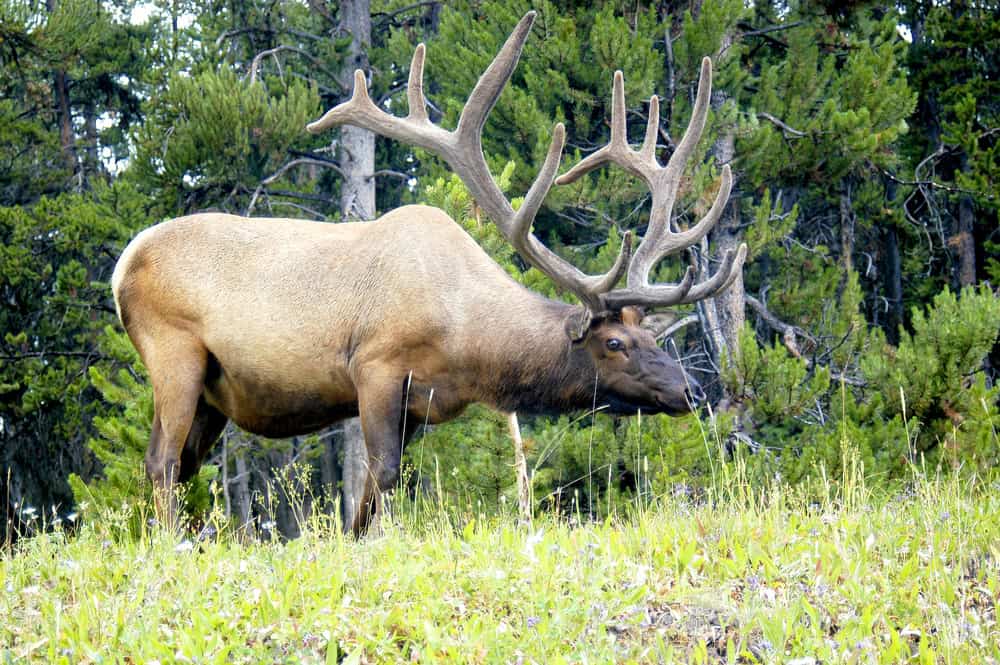
Navigating the harsh, frigid winters of Yellowstone is a feat for any creature, but the elk of this iconic national park have developed remarkable adaptations that enable them to endure and even thrive. This article delves into the astonishing resilience and survival strategies of Yellowstone’s elk, offering an insightful view into their world during the winter months.
Survival in Sub Zero Temperatures

Yellowstone’s winters are notoriously brutal, with temperatures often plummeting below zero. Elk have adapted to these harsh conditions with a thick winter coat. Their hair grows longer and denser, creating an insulating layer that traps body heat and shields them from the icy winds. This natural insulation is crucial for maintaining warmth throughout the long winter months.
Finding Food in a Frozen Landscape

The deep snow of Yellowstone’s winters buries much of the elk’s typical food sources. To cope, they rely on their keen sense of smell to locate vegetation beneath the snow. Their preference for grasses and shrubs shifts to a diet that includes bark and twigs, ensuring they consume enough calories to sustain themselves.
Migration A Strategic Retreat

One of the elk’s most remarkable survival strategies is migration. As winter approaches, elk herds often move to lower elevations with a milder climate and easier access to food. This seasonal migration is essential for survival, allowing them to avoid the harshest conditions while conserving energy.
Group Living Strength in Numbers

Elk are social animals, and their tendency to live in large herds provides safety and increased foraging success. Group living allows them to better detect predators, as many alert eyes and ears are more effective than a lone individual. Additionally, traveling in numbers can help break trails through deep snow, making movement more manageable for all.
Resourcefulness in Harsh Conditions

Elk have developed resourceful behaviors to cope with winter’s challenges. They follow paths already carved by other animals, which conserves energy when traversing through deep snow. This behavior showcases their adaptability and ability to learn from their environment, key aspects of surviving in Yellowstone’s unforgiving winters.
Caloric Management and Energy Conservation

To survive the winter, elk reduce their activity level and metabolic rate. By slowing down and minimizing unnecessary movement, they conserve energy and limit calorie expenditure, a vital tactic when food is scarce. This adaptation is critical to ensuring they remain healthy throughout the season.
Sheltering from the Storm

Yellowstone’s elk utilize natural shelters like forests and valleys to shield themselves from severe weather. The trees provide a windbreak, while the dense foliage offers thermal protection. Staying in these protected areas helps elk maintain their body temperature and conserve energy during particularly harsh conditions.
The Role of Body Fat

As winter approaches, elk accumulate a crucial layer of body fat during the abundant autumn months. This fat reserve becomes an energy store, sustaining them when food is less attainable. It’s a critical buffer against the demands of the cold, ensuring survival when resources are minimal.
Brooding the Next Generation
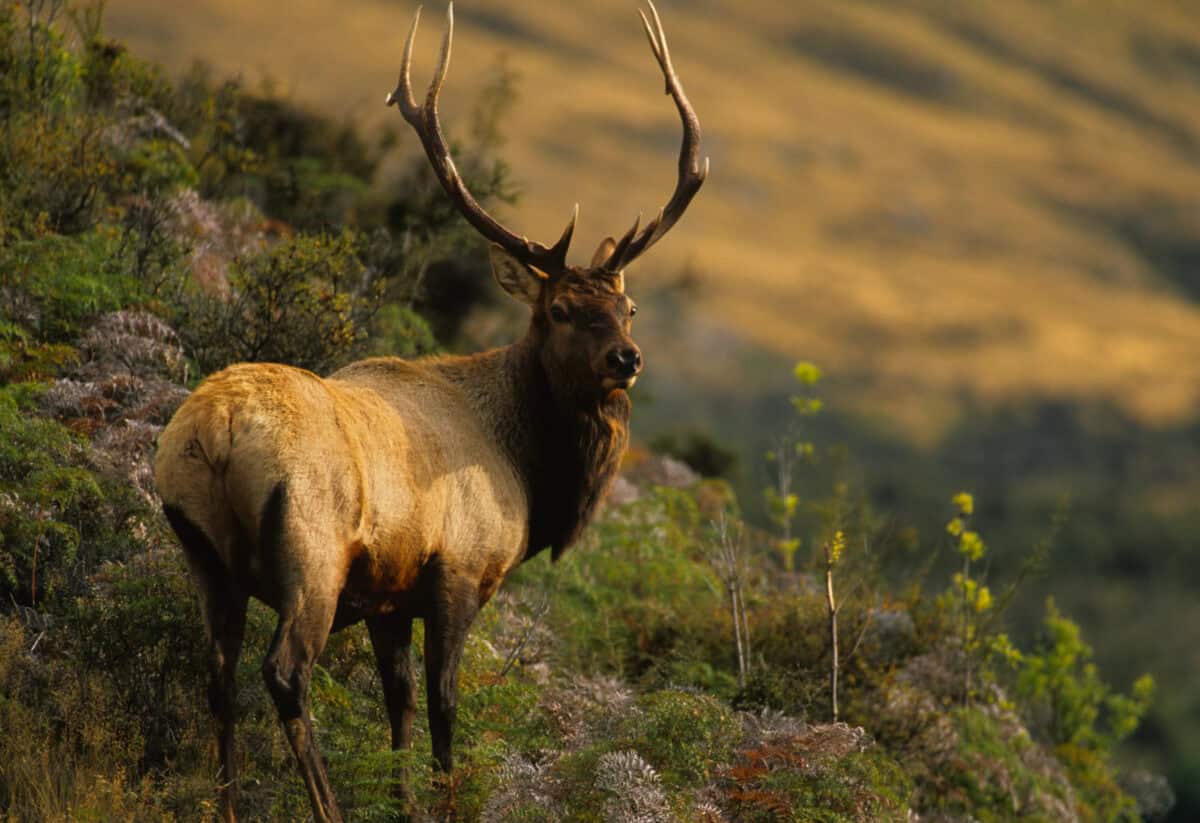
Despite winter’s harsh conditions, female elk, or cows, carry the next generation through gestation, which begins in the fall and lasts through spring. This timing allows calves to be born in late spring when food is plentiful, ensuring their young have the nutrition needed to grow and thrive.
Predator Awareness and Defense

Winter brings increased predator activity as wolves and other carnivores search for food. Elk are constantly alert, relying on their acute senses and the collective vigilance of the herd to detect danger. When threatened, they use their speed and agility to outrun predators, showcasing another facet of their survival prowess.
Winter Physiology of Elk
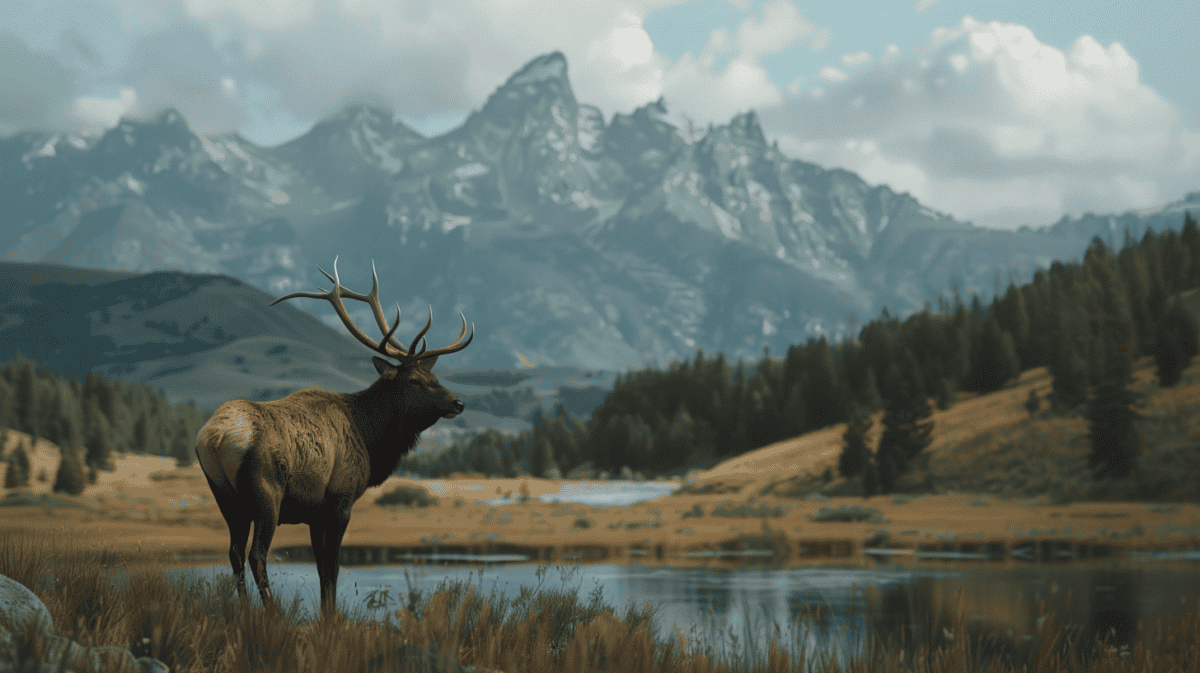
Elk undergo physiological changes to endure the cold. Their circulatory system adapts to keep core temperatures stable, and their hoofs are designed to grip icy surfaces. These physiological modifications allow them to navigate treacherous winter terrain effectively.
Conservation and Human Interaction

Human efforts to conserve Yellowstone’s elk population are crucial, as development and climate change pose significant threats. Managing human interaction, such as regulating hunting and ensuring habitat protection, helps maintain the natural balance essential for their continued survival.
Conclusion:

In conclusion, the elk of Yellowstone have evolved an incredible array of adaptations that allow them to brave the challenging winter climate. Through physiological, behavioral, and social strategies, these majestic creatures exhibit a resilience that is both awe-inspiring and crucial to their survival. Understanding these adaptations not only deepens our appreciation for the elk but also highlights the delicate balance of ecosystems like Yellowstone, underscoring the importance of conservation efforts in preserving these natural wonders.

As a little kid, I fell in love with nature, wildlife, and animals. Living in the USA, South Africa, Italy, China and Germany gave me the opportunity to discover the world's Wildlife. My favorite animals are Mountain Gorillas, Siberian Tigers, and Great White Sharks.
I'm a certified PADI Open Water Diver, went to Everest Base Camp and Trekked Gorillas in Uganda. I hold a Master of Science in Economics and Finance.
Please send any feedback to feedback@animalsaroundtheglobe.com
- How to Connect with Your Spirit Animal Through Meditation - August 7, 2026
- 10 Adorable Animals That Look Like They’re Smiling - August 7, 2026
- 14 Natural Phenomena That Only Animals Understand - August 6, 2026