

We’ve all been there. A song on the radio brings back a memory, a movie scene hits too close to home, or stress simply overwhelms us until tears start streaming down our faces. It seems perfectly natural, right? Yet this everyday human experience is actually one of nature’s most peculiar phenomena. While countless animals vocalize their distress, show grief, and display obvious signs of sadness, something remarkable sets us apart from every other creature on Earth.
Today scientific consensus is that emotional tears are indeed uniquely human. The only creatures who have evolved to do so, it turns out, are humans. As far as scientists can tell, however, humans are still unique in our shedding emotional tears. This isn’t just about the tears themselves, though. It’s about what those tears represent and why we evolved this seemingly vulnerable trait in the first place.
The Science Behind Our Tears
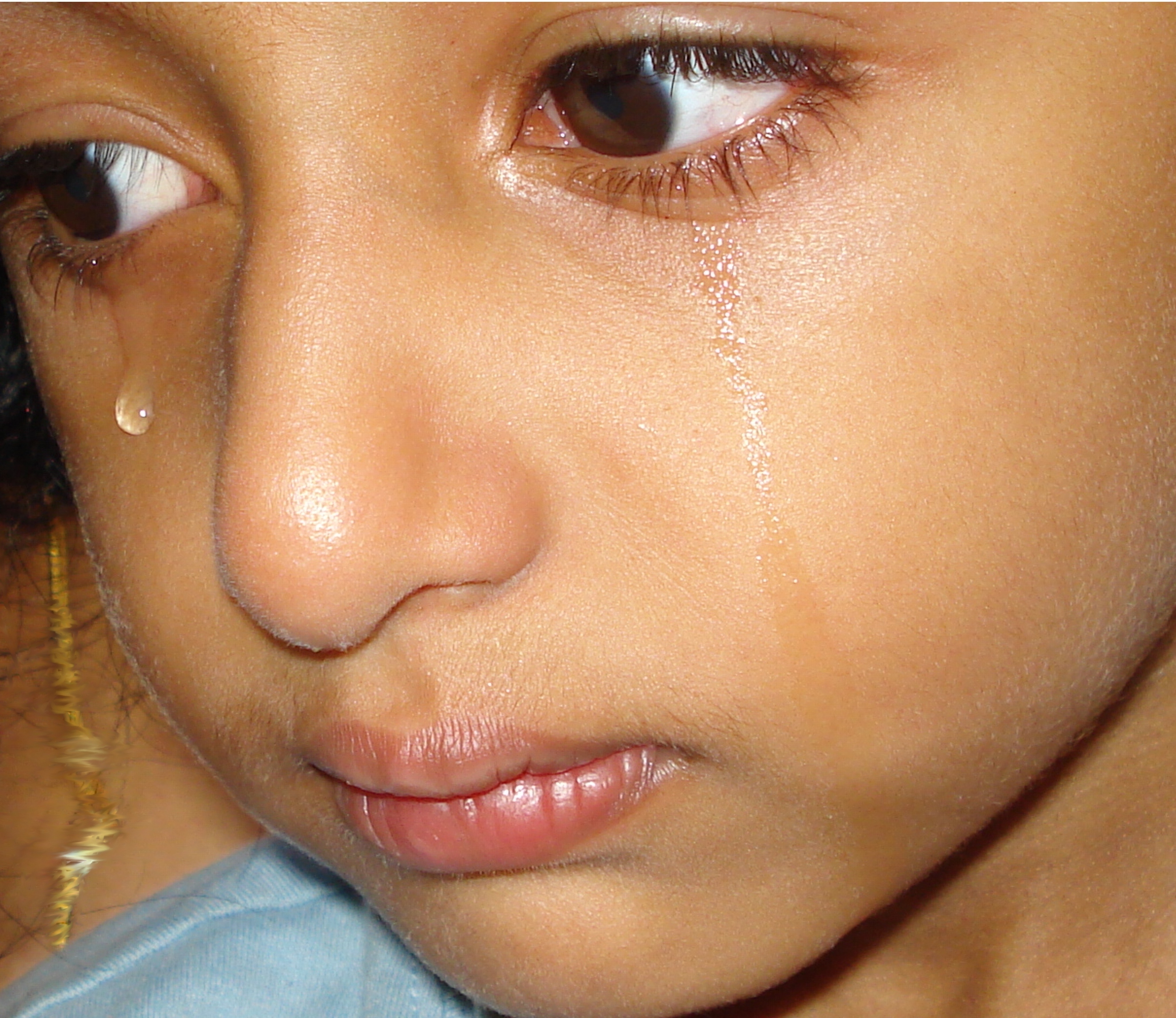
From a biological standpoint, humans produce three distinct types of tears. From a biological perspective, there are three types of tears. One is basal tears, which our eyes create automatically to lubricate and clean our eyes. These come from our accessory lacrimal glands, located under the eyelids.
The second type consists of reflex tears. Then there are reflex tears, which you’re likely acquainted with if you’ve ever cut an onion or been poked in the eye. These serve a protective function, washing away irritants before they can damage our delicate eye tissues.
The third is emotional tears – the only variety that we can control, to some extent. These latter two types come from lacrimal glands on the upper outside of our eye sockets. It’s these emotional tears that make us truly unique in the animal kingdom. Interestingly, while all animals have the physiological capability to produce the first two types of tears, humans are the only species we know of to tie tears to psychological states.
When Animals Don’t Cry Like We Do

Despite widespread anecdotal stories about crying animals, science tells a different story. There are also anecdotes about nonhuman animals that have seemed to be weeping in sadness, including stories of elephants, a sad gorilla and wolves that had become exhausted and fallen behind in the pack. But science has not backed up these stories. For example, in a systematic survey on the subject, published in 1985, people who worked professionally with animals, including veterinarians and zookeepers, reported no observations of an animal crying emotionally.
However, recent research has revealed some fascinating exceptions that blur the lines. In a study published in 2022, researchers looked at moist or watery eyes in dogs, a phenomenon familiar to anyone who has ever had a puppy. They found that canines secrete tears during a seemingly positive emotional situation: when reuniting with their owner. The hormone oxytocin, which supports bonding, triggers this response.
Still, scientists remain cautious about drawing parallels. Still, the study only links emotional arousal and increased tear volume in one species, and doesn’t confirm emotional crying as humans experience it. The problem lies in our inability to scientifically confirm or deny the quality of an experience that another animal is having. We simply cannot know if that dog experiences tears the way we do when we cry from joy or sadness.
Why Humans Evolved to Cry

The evolutionary purpose of emotional tears has puzzled scientists for decades. What makes this all the more mysterious is that no one knows exactly why we evolved to cry emotionally in the first place. There’s no clear survival benefit to leaking saltwater when we’re overwhelmed. Emotional crying uses energy, leaves us vulnerable, and doesn’t help us escape danger or find food in any obvious way.
Yet several compelling theories have emerged. The main hypothesis that emerges from this overview is that crying evolved as an emotional expression that signals distress and promotes prosocial behaviors in conspecifics. Think of it as nature’s ultimate distress signal, one that’s impossible to ignore or fake convincingly.
Evolutionary scientists believe that humans developed emotional crying to serve a social function. These theorists suggest that crying provides a visual (and sometimes auditory) signal to nearby people that you are in need of social support and nurturing. In a species that depends heavily on cooperation for survival, this makes perfect evolutionary sense.
The Social Power of Tears

New analysis by Dr. Oren Hasson of TAU’s Department of Zoology shows that tears still signal physiological distress, but they also function as an evolution-based mechanism to bring people closer together. My analysis suggests that by blurring vision, tears lower defences and reliably function as signals of submission, a cry for help, and even in a mutual display of attachment and as a group display of cohesion.
This vulnerability aspect is crucial. One study proposes that crying, by blurring vision, can handicap aggressive or defensive actions, and may function as a reliable signal of appeasement, need, or attachment. Oren Hasson, an evolutionary psychologist in the zoology department at Tel Aviv University believes that crying shows vulnerability and submission to an attacker, solicits sympathy and aid from bystanders, and signals shared emotional attachments.
In addition to signaling for help, it is also believed that crying plays a role in producing prosocial behavior in onlookers. Studies have shown that individuals who are crying are seen as more friendly and likeable and make nearby individuals feel more connected to the person crying. Tears literally make us appear less threatening and more approachable to others.
The Biology of Emotional Release

Beyond social signaling, tears may serve important physiological functions. More recently, some scientists have suggested that crying may also play a role in self-soothing. Tears produced by emotional experiences (unlike tears produced from cutting onions, yawning, etc…) lead to a reduction in cortisol (the stress hormone), while causing increased levels of endogenous opioids (such as enkephalins and endorphins) which positively impact one’s mood.
But other evidence does back the notion of the so-called good cry that leads to catharsis. When Vingerhoets and his colleagues showed people a tearjerker and measured their mood 90 minutes later instead of right after the movie, people who had cried were in a better mood than they had been before the film. Once the benefits of crying set in, he explains, it can be an effective way to recover from a strong bout of emotion.
This suggests that crying might function as an emotional reset button, helping us process overwhelming feelings and return to psychological equilibrium. In general, researchers agree that crying is our way of releasing built-up emotional burdens. The act itself might be as important for the crier as it is for those witnessing the tears.
When We Project Human Emotions onto Animals

Our tendency to see crying animals as emotional mirrors of ourselves reveals something important about human psychology. Though we cannot say that the bison isn’t sad, it’s more probable that people are anthropomorphizing this unknowing Instagram star – that is, people are attributing human behaviors and characteristics to a nonhuman animal. Indeed, in a study that presented people with portraits of five different animal species – cats, dogs, horses, chimpanzees and hamsters – people saw images in which tears were added as depicting “sadness,” just as it would in humans. In fact, photoshopped tears made these animals seem “less aggressive” and “kinder” to the study participants.
People also reported that those animals showed “higher emotional intensity.” We find it extraordinary that a nonhuman animal could be shedding tears in part because we expect that to be a human act – and, in response, we have the urge to respond emotionally to that creature.
This anthropomorphic tendency demonstrates just how deeply ingrained our association between tears and emotion truly is. We cannot help but project our own tear-emotion connection onto other species, even when scientific evidence suggests otherwise.
Conclusion

And yet, it’s such a deeply embedded part of the human experience that we often measure the depth of emotion by whether or not it moves us to tears. Emotional crying represents one of humanity’s most distinctive traits, setting us apart from every other species on the planet in ways that still mystify scientists.
While we may never fully understand why evolution granted us this peculiar gift, one thing remains clear: our tears connect us to one another in profound ways that transcend language and culture. They make us vulnerable, yes, yet they also make us unmistakably human. What do you think about this uniquely human trait? Have you ever wondered why a good cry can feel so necessary and healing?

- 11 Ways Your Cat Is Secretly Protecting You Every Day - August 14, 2026
- 10 Mistakes People Make When Camping in Wolf Country - August 14, 2026
- 8 Dog Breeds That Form the Strongest Bond With One Person - August 14, 2026