
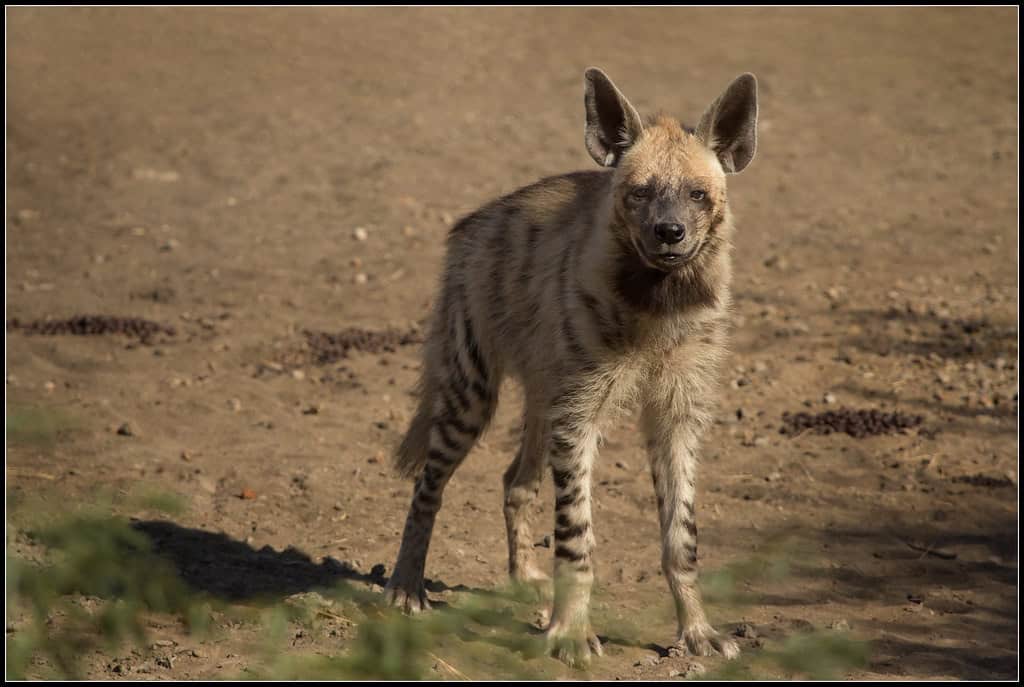
The hyena, with its distinctive hunched back, powerful jaws, and eerie “laughing” call, has captivated human imagination across Africa for millennia. Far from being simple scavengers lurking at the edges of more noble predators’ territories, hyenas occupy a complex and often contradictory position in African folklore, mythology, and spiritual traditions. In some communities, they are reviled as grave-robbers, shape-shifters, and harbingers of evil. In others, they are respected as clever intermediaries between worlds, vessels for ancestor spirits, or powerful shamanic figures. This duality reflects both the biological reality of these remarkable creatures and the human tendency to project our deepest fears and spiritual yearnings onto the natural world. This article explores the multifaceted representations of hyenas in African cultural traditions, examining how scientific understanding and folklore intersect in shaping our perception of these misunderstood animals.
The Biological Reality Behind the Myths
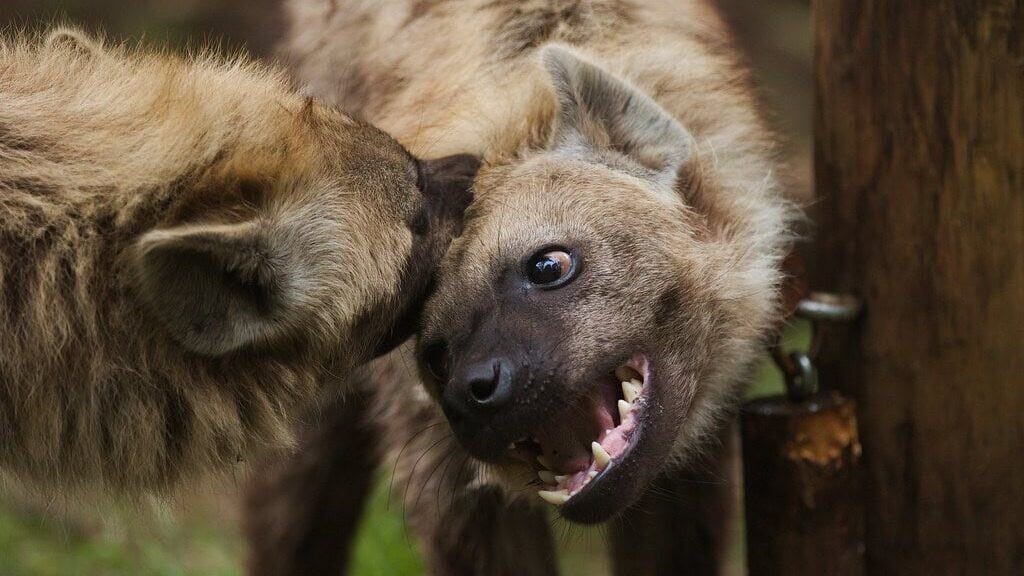
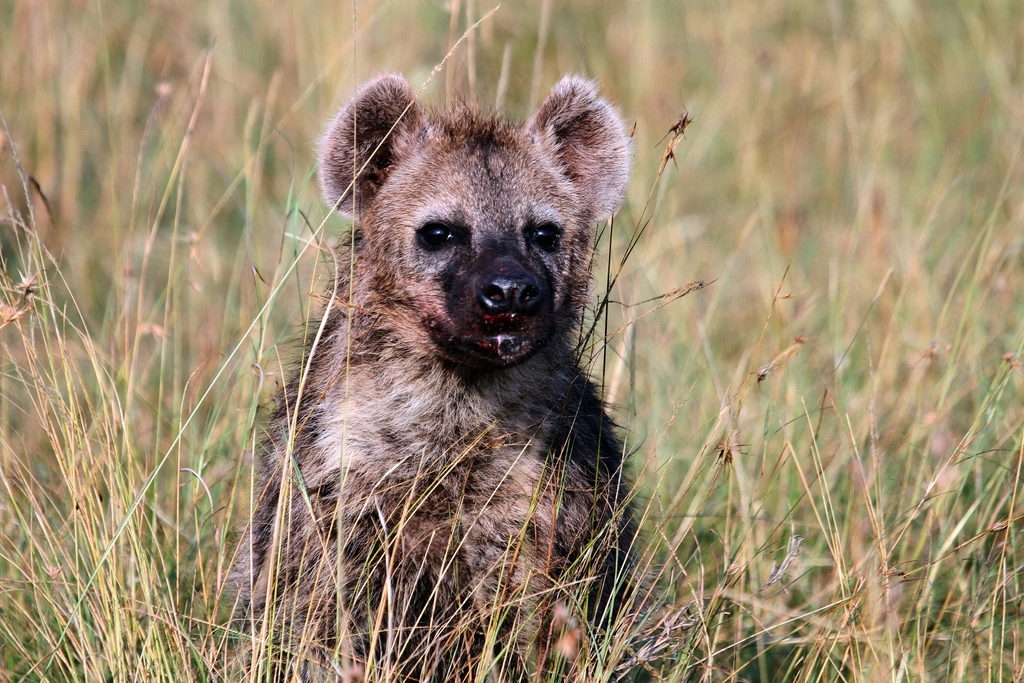
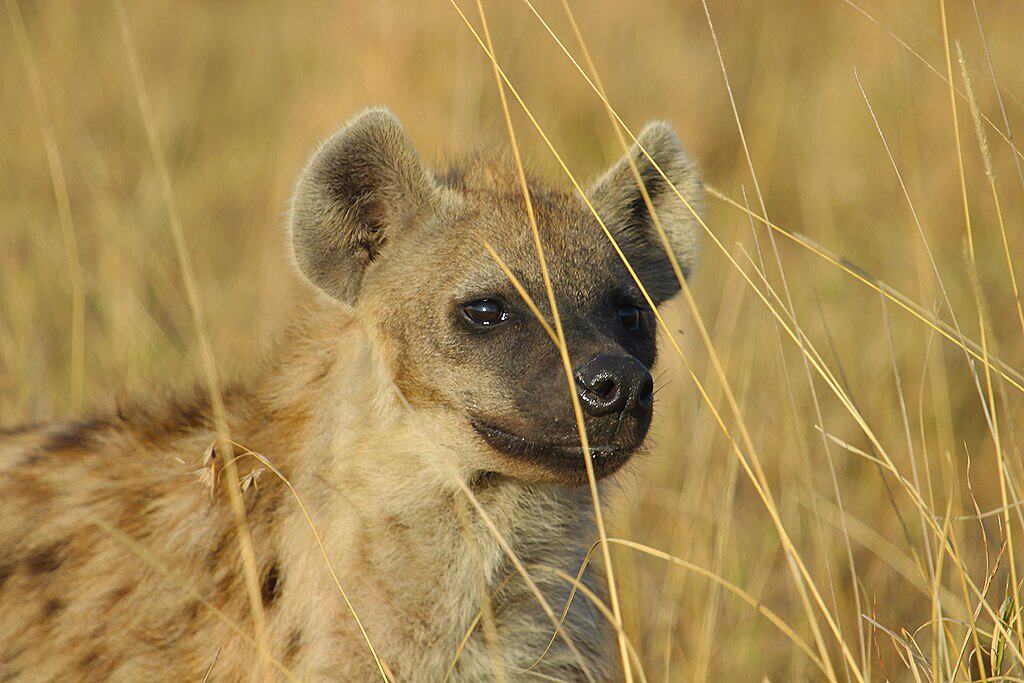
To understand hyenas’ cultural significance, we must first appreciate their actual biological characteristics. Africa is home to three species: the spotted hyena (Crocuta crocuta), the striped hyena (Hyaena hyaena), and the brown hyena (Hyaena brunnea). The spotted hyena, the largest and most common species, has remarkable physical attributes that have contributed to its mythological status. With jaws powerful enough to crush elephant bones and a complex social structure dominated by females, spotted hyenas defy easy categorization. Their famous “laugh” is actually a complex vocalization expressing excitement, frustration, or submission.
The unusual reproductive biology of spotted hyenas—females possess pseudo-penises and give birth through this elongated clitoris—has further contributed to the air of mystery surrounding these animals. This biological oddity, along with the female-dominated clan structure, has influenced cultural perceptions across Africa, often manifesting in beliefs about gender-bending or supernatural powers. Many traditional communities observed hyenas’ habits closely, noting their intelligence, adaptability, and seemingly uncanny ability to find carrion from great distances—all characteristics that would later be incorporated into folklore.
Hyenas as Villains: The Dark Side of Hyena Folklore
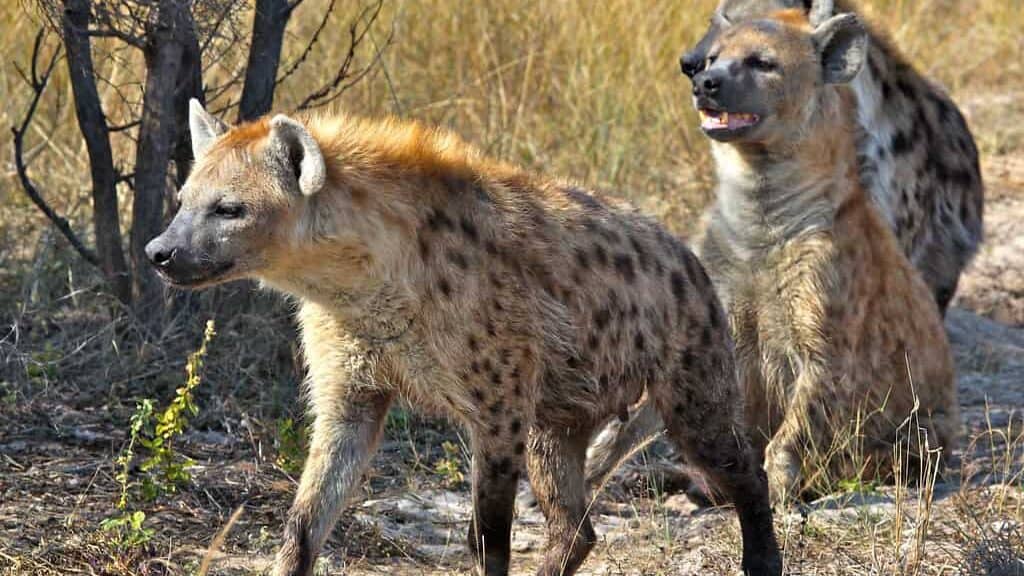
Throughout much of East and Southern Africa, hyenas have acquired a sinister reputation. In Ethiopian folklore, hyenas are believed to be buda—evil people with the ability to transform into hyenas at night. These were-hyenas are said to attack humans, particularly children, and dig up graves to consume the dead. Similar beliefs exist among various communities in Tanzania, Kenya, and Malawi, where hyenas are sometimes considered the vehicles of witches or malevolent spirits who use them to carry out evil deeds under cover of darkness.
The Maasai people traditionally view hyenas with particular disdain, considering them unclean and associated with gluttony and cowardice. This view is reflected in Maasai oral traditions, where hyenas frequently appear as foolish, greedy antagonists outwitted by more noble animals like lions. The hyena’s scavenging habits and consumption of carrion, including human remains in areas where sky burial is practiced, have further cemented their association with death and the underworld in many African cultures. Their nocturnal habits and distinctive vocalizations, which can sound unsettlingly like human cries or laughter, only reinforce these negative associations.
Sacred Scavengers: The Hyena in Ancient Egyptian Culture

In ancient Egypt, the striped hyena held a more complex position. Archaeological evidence suggests hyenas were occasionally mummified, indicating some religious significance. Some scholars believe hyenas were associated with the god Anubis, the jackal-headed deity who guided souls to the afterlife. The hyena’s habit of consuming carrion, including human remains, may have connected it symbolically to death and the transition between worlds. Egyptian hieroglyphs distinguish between hyenas and other canids, showing that the ancient Egyptians recognized them as distinct animals worthy of specific representation.
Interestingly, some ancient Egyptian texts also mention hyenas in medicinal contexts. Various body parts of hyenas were believed to have healing properties or magical significance when used in specific rituals. These practices reflect a view of the hyena as a creature with special powers—neither entirely malevolent nor benevolent, but possessing unique properties that could be harnessed by those with the proper knowledge. This nuanced perspective contrasts with the more wholly negative views found in some other African traditions, suggesting that cultural attitudes toward hyenas have always been diverse and context-dependent.
Hyenas as Shamanic Figures: West African Traditions

In parts of West Africa, particularly among certain communities in Senegal, The Gambia, and Guinea, hyenas occupy a more respected position as shamanic figures. In these traditions, hyenas are believed to possess supernatural wisdom and the ability to move between the human world and the spirit realm. Some traditional healers or diviners claim to communicate with hyena spirits or even to transform into hyenas to gain special knowledge or powers. This transformation is not necessarily viewed as sinister but rather as a sacred ability that allows the practitioner to access deeper wisdom.
Among the Serer people of Senegal, the hyena figures prominently in creation myths and is sometimes considered an ancestral totem. Far from being feared, these ancestral hyenas are respected as guardians and sources of clan identity. Similarly, in some Mandinka traditions, the hyena is associated with certain secret societies and initiation rituals, representing wisdom that appears foolish to the uninitiated but contains profound truths. These positive representations challenge the simplistic view of hyenas as universally reviled and highlight the animal’s multifaceted symbolic role across different African cultural contexts.
The Harar Hyenas: A Unique Human-Wildlife Relationship
Perhaps the most famous positive relationship between humans and hyenas exists in Harar, Ethiopia, where spotted hyenas have entered the walled city each night for generations to consume meat scraps left by butchers. This practice, believed to have begun centuries ago, has evolved into a tourist attraction where so-called “hyena men” feed the animals by hand or even from their own mouths. The people of Harar believe these hyenas protect the city by consuming evil spirits (jinns) that would otherwise harm residents. They hold an annual ceremony called “Hyena Porridge” where they prepare a special porridge for the hyenas and interpret the animals’ behavior as predictions for the coming year.
This relationship stands in stark contrast to the fear and loathing hyenas inspire elsewhere in Ethiopia, where belief in were-hyenas remains strong. The Harar example demonstrates how practical considerations—in this case, waste management and pest control—can influence cultural attitudes toward wildlife. It also shows how human-wildlife relationships can be reframed in spiritual terms that benefit both species. Some conservationists point to Harar as a model of coexistence, though others worry about the potential dangers of habituating wild predators to human contact.
Gender and Transformation in Hyena Lore

The unusual reproductive biology of female spotted hyenas has not gone unnoticed in traditional African cultures. In several communities, hyenas are associated with gender ambiguity or transformation. Among the Kaguru of Tanzania, for instance, hyenas symbolize a breakdown of proper social categories, including gender roles. Their female-dominated social structure, so at odds with the patriarchal organization of many traditional human societies, has sometimes been interpreted as evidence of their “unnatural” or supernatural status.
These biological realities have fed into myths about hyenas’ ability to change gender or even transform humans as punishment. In some communities, women accused of witchcraft were said to transform into hyenas at night or to keep hyenas as familiars. The prevalence of these beliefs points to the ways in which hyenas’ biology challenges traditional gender categories, making them powerful symbols of transformation and liminality. It also reveals how animals that defy easy categorization often become associated with magical powers in human cultural traditions.
Tricksters and Fools: Hyenas in African Oral Traditions
Across numerous African oral traditions, the hyena frequently appears as a trickster figure or fool. In the stories of the Akan people of Ghana, the hyena is portrayed as greedy and gullible, often outwitted by smaller but cleverer animals like the hare or tortoise. Similar characterizations appear in tales from East Africa, where the hyena’s ravenous appetite leads it into traps set by more intelligent characters. These narratives serve both entertainment and moral instruction purposes, using the hyena’s supposed negative traits as cautionary examples.
However, the trickster is a complex archetype in African storytelling traditions. While often portrayed as foolish, tricksters also challenge social norms and sometimes bring valuable knowledge or skills to their communities through their boundary-crossing activities. In some stories, the hyena’s greed and willingness to eat anything (including taboo foods) associate it with freedom from social constraints. This ambivalence reflects the complex ecological role of hyenas, which are neither purely predators nor purely scavengers but adapt opportunistically to available resources—a trait that can be viewed as either cunning or lack of principles, depending on one’s perspective.
Hyenas in Divination and Traditional Medicine

The perceived spiritual powers of hyenas have made them important in traditional medical and divinatory practices across Africa. Parts of hyenas—including bones, teeth, hair, and organs—feature in various traditional pharmacopeias. In some regions, hyena parts are believed to confer the animal’s strength or spiritual attributes to the user. For example, a hyena’s heart might be prescribed for courage, while its brains might be used to treat mental illness. These practices reflect beliefs about sympathetic magic, where consuming or using part of an animal transfers its qualities to the human.
In divination systems, hyenas may appear as significant symbols or omens. Among some diviners in Southern Africa, dreaming of a hyena can indicate spiritual calling or warn of enemies using witchcraft. The tracks or behavior of actual hyenas might also be interpreted as messages from ancestors or spirits. These practices position the hyena as a messenger between worlds or a creature with access to hidden knowledge. Unfortunately, such beliefs have contributed to the poaching of hyenas for traditional medicine markets, creating conservation challenges in some regions.
Colonial Influences on Hyena Perception

European colonial attitudes toward hyenas significantly influenced modern perceptions of these animals across Africa. Early European travelers, missionaries, and colonial administrators often described hyenas in highly negative terms, emphasizing their scavenging habits and unusual vocalizations as evidence of their “evil” or “cowardly” nature. These descriptions reflected European cultural biases rather than objective observation, but they were presented as scientific fact and sometimes internalized by colonized populations through missionary education and colonial literature.
Colonial-era wildlife management also privileged “noble” predators like lions and leopards while demonizing hyenas as vermin. This bias extended to early wildlife documentaries and nature writing, which often portrayed hyenas as skulking villains rather than essential components of healthy ecosystems. The lasting impact of these colonial representations can still be seen in contemporary wildlife tourism, where hyenas rarely receive the same admiration as big cats despite their ecological importance and fascinating social structure. Conservation efforts for hyenas continue to battle against these persistent negative stereotypes.
Modern Science Meets Traditional Knowledge

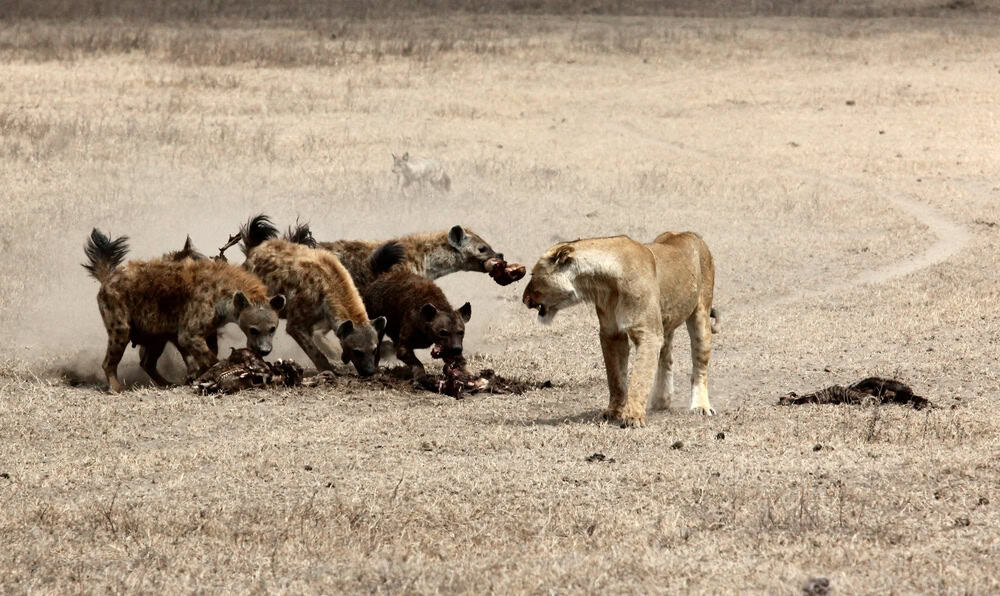
Contemporary scientific research on hyenas has validated some traditional African knowledge while debunking other beliefs. Studies by zoologists like Kay Holekamp have revealed spotted hyenas to be highly intelligent social animals with complex communication systems and cooperative hunting strategies—far from the dimwitted scavengers of folklore. Research has also confirmed traditional observations about female dominance in spotted hyena clans and their remarkable strength, which allows them to crush bones that even lions cannot break.
Some conservation programs now work with traditional communities to integrate local knowledge about hyena behavior and ecology with scientific management approaches. In areas where negative beliefs about hyenas prevail, conservationists must address cultural concerns while educating communities about hyenas’ ecological benefits, such as disease control through carcass consumption and regulation of other predator populations. This integration of traditional and scientific knowledge represents a promising approach to conservation that respects cultural perspectives while promoting evidence-based management practices.
Hyenas in Contemporary African Art and Literature

Modern African writers, filmmakers, and artists continue to draw on traditional hyena symbolism while reinterpreting it for contemporary audiences. In novels like Nnedi Okorafor’s “Who Fears Death,” hyenas appear as complex figures that embody both danger and potential transformation. Similarly, in films such as “The Lion King,” the hyenas represent a threat to the natural order but also victims of discrimination and resource inequality—a nuanced portrayal that resonates with postcolonial themes.
Visual artists across Africa have also reclaimed hyena imagery, using traditional symbolism in new contexts that challenge colonial-era stereotypes. In contemporary South African art, for example, the hyena sometimes appears as a symbol of resilience and adaptation in the face of environmental and social challenges. These artistic reinterpretations demonstrate the continuing relevance of hyenas as cultural symbols while encouraging more nuanced understanding of these animals and their relationship to human communities. By engaging critically with traditional representations, contemporary African artists help preserve cultural knowledge while adapting it to address modern ecological and social concerns.
Conclusion: Beyond the Binary of Villain and Shaman
The hyena’s place in African cultural traditions defies simple categorization as either villain or shaman. Instead, these remarkable animals occupy a complex symbolic space that reflects both their actual biological characteristics and human projections of fear, admiration, and spiritual significance. Across diverse African cultures, hyenas have served as powerful symbols of transformation, liminality, and the ambiguous boundaries between life and death, human and animal, male and female. Their very resistance to neat categorization makes them potent figures in folklore and spiritual traditions.
Today, as hyena populations face threats from habitat loss, human-wildlife conflict, and poaching, understanding their cultural significance becomes increasingly important for conservation efforts. By recognizing the complex relationship between scientific knowledge and traditional beliefs about hyenas, conservationists can develop more effective and culturally sensitive approaches to protecting these ecologically vital animals. The multifaceted representation of hyenas in African lore reminds us that our relationship with wildlife is never purely biological but always mediated through cultural lenses that shape how we perceive and interact with the natural world.
As we move forward in conservation and cultural preservation efforts, the hyena stands as a powerful symbol of the need to look beyond simplistic good/evil dichotomies. Like the hyena itself—adaptable, complex, and resilient—our understanding of these animals must embrace nuance and contradiction. In doing so, we honor both the biological reality of these remarkable creatures and the rich cultural traditions that have helped define their place in the human imagination for thousands of years.

- Hyenas in African Lore: Villains or Shamans? - August 15, 2026
- The Deepest-Diving Whale Can Hold Its Breath for Over 2 Hours - August 14, 2026
- If Animals Had Olympics — Who Would Win Gold? - August 14, 2026
Leave a comment
You must be logged in to post a comment.