
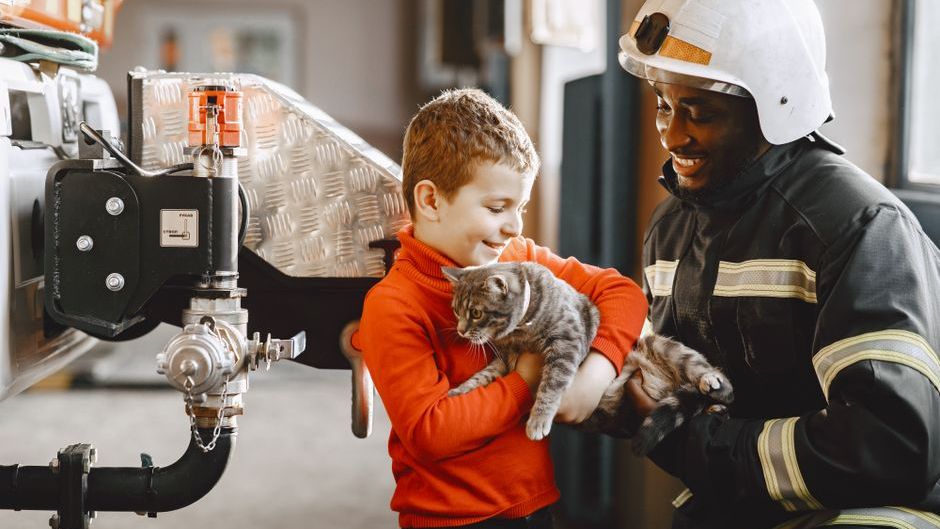
You notice it in small moments. A crowded room leaves you scanning exits and counting minutes until you can leave, while a quiet afternoon with a dog or cat settles something inside that no amount of deep breathing seems to touch on its own.
The difference feels personal, almost private, and it raises quiet questions about why certain settings still carry an edge long after the original events have faded from daily memory.
The Body Keeps Its Own Timeline

Your nervous system tracks safety in ways that bypass conscious recall. It registers tone of voice, body language, and group energy as potential signals long before your mind labels them as such.
Years later those same cues can still prompt a subtle shift into vigilance. The response developed for good reason at the time, and it does not automatically update when circumstances change.
Animals Lower the Social Stakes
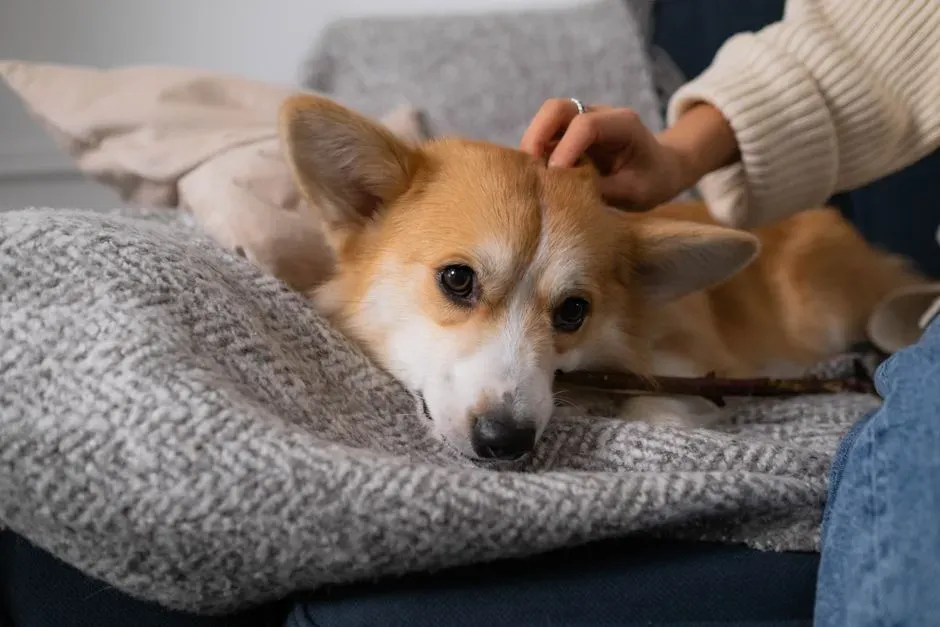
Pets offer presence without the layered expectations that come with human interactions. They do not require eye contact, small talk, or performance of any particular mood.
This simplicity lets the nervous system downshift more readily. The absence of social reciprocity removes one layer of potential threat that crowds often carry.
Crowds Activate Layered Defenses
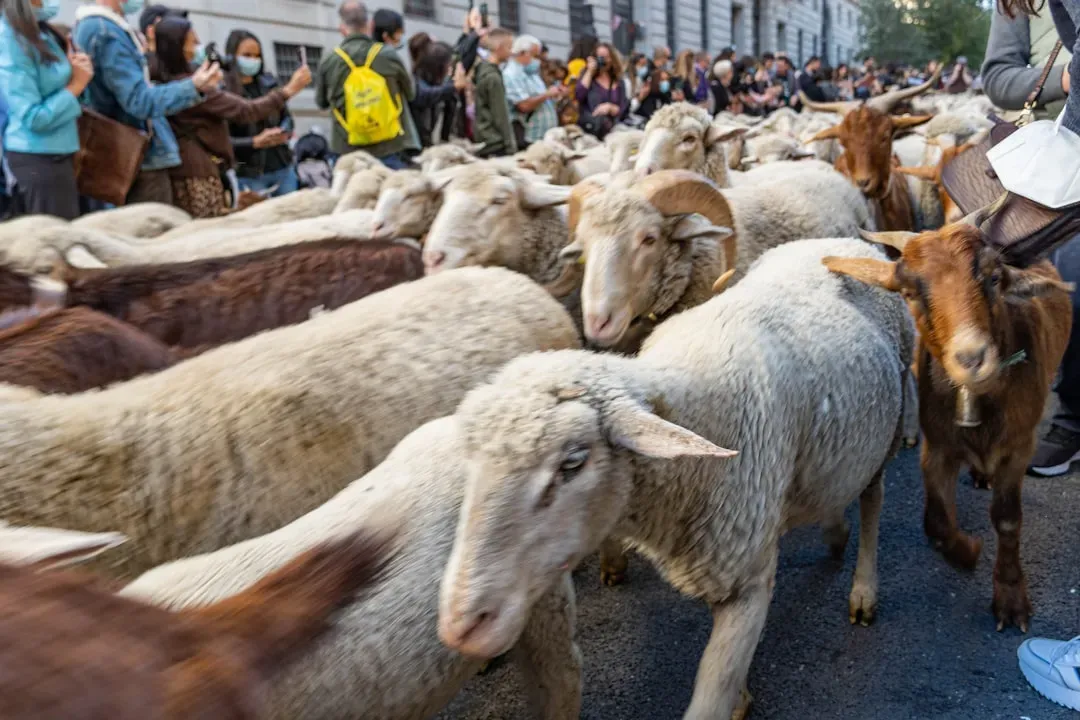
Groups bring unpredictable movement, overlapping conversations, and the need to monitor multiple people at once. Each element can echo earlier situations where staying alert felt necessary.
The body responds with the patterns it already knows. What registers as ordinary social noise to some people registers as overload to a system still tuned for protection.
Recognizing the Pattern Without Judgment
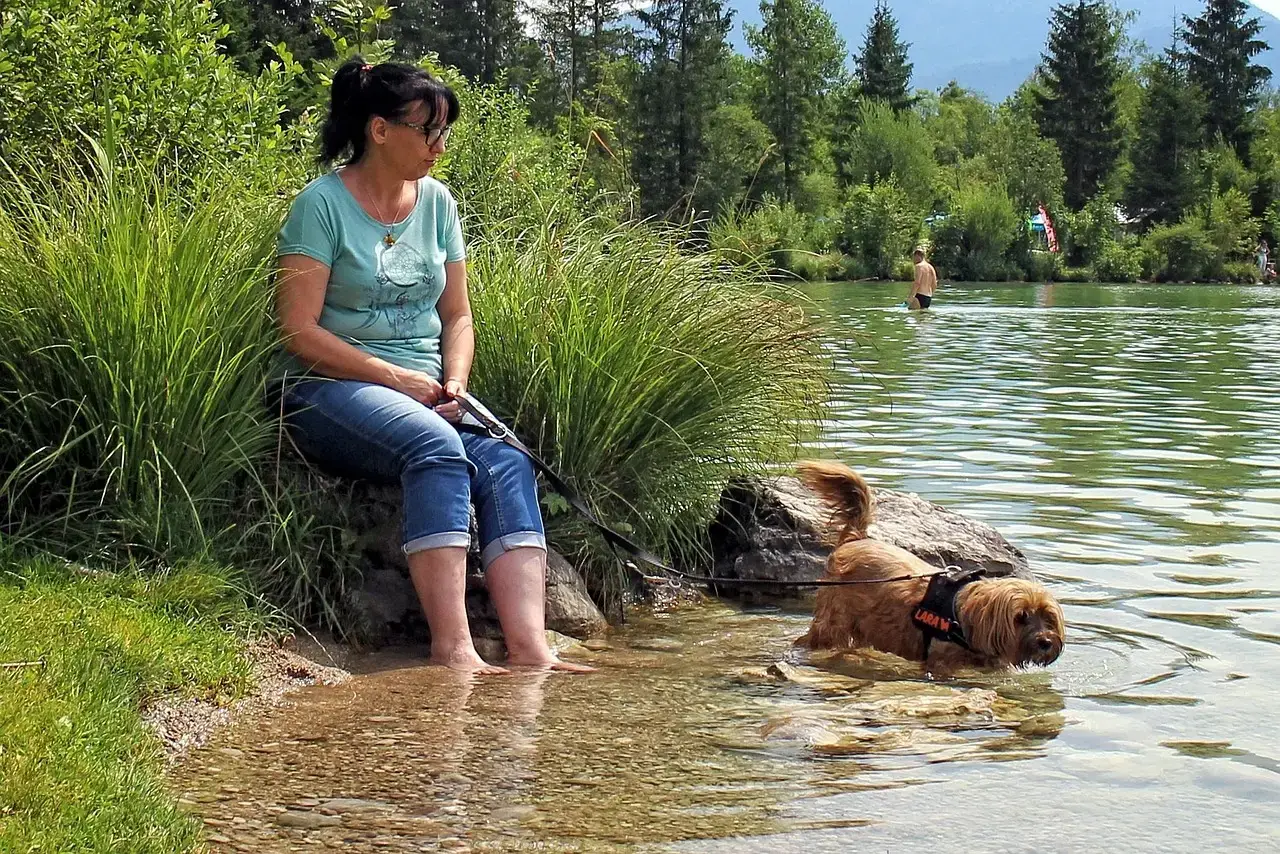
Many people describe the same preference for animals yet hesitate to connect it to anything from the past. The preference itself is neutral. It simply reflects how the nervous system learned to conserve energy.
Noticing when calm arrives more easily around pets can serve as useful information rather than a flaw. It points to a protective mechanism that once served a purpose and now operates on autopilot.
Small Shifts That Honor the Protection
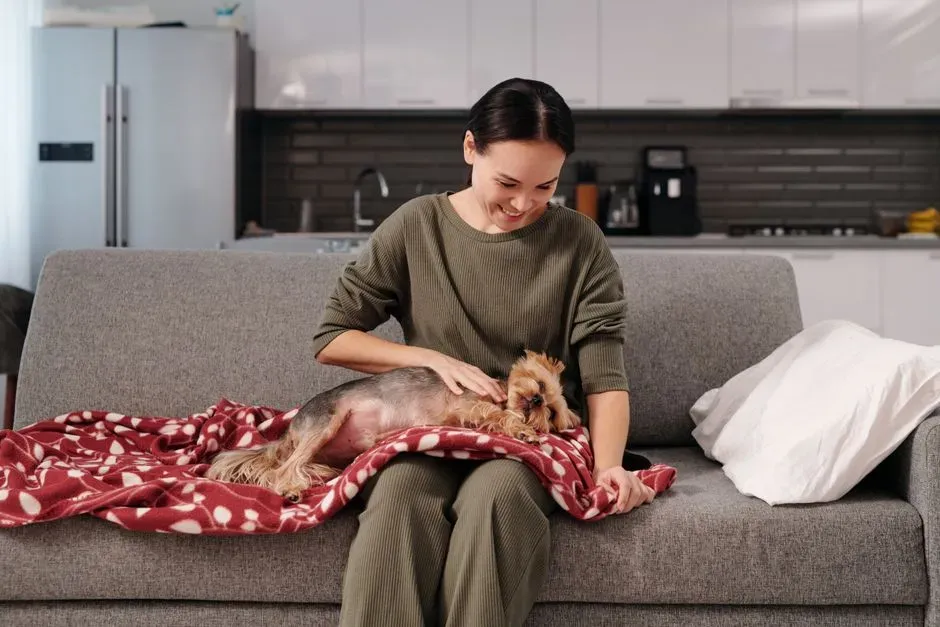
Gradual exposure to lower stakes social settings sometimes helps the system update its assessments. Starting with brief, predictable interactions gives the body repeated experiences of safety without overwhelm.
Pairing those moments with the steady presence of an animal can bridge the gap. The familiar calm from the pet provides a reference point while new experiences are tested.
Why the Preference Deserves Respect
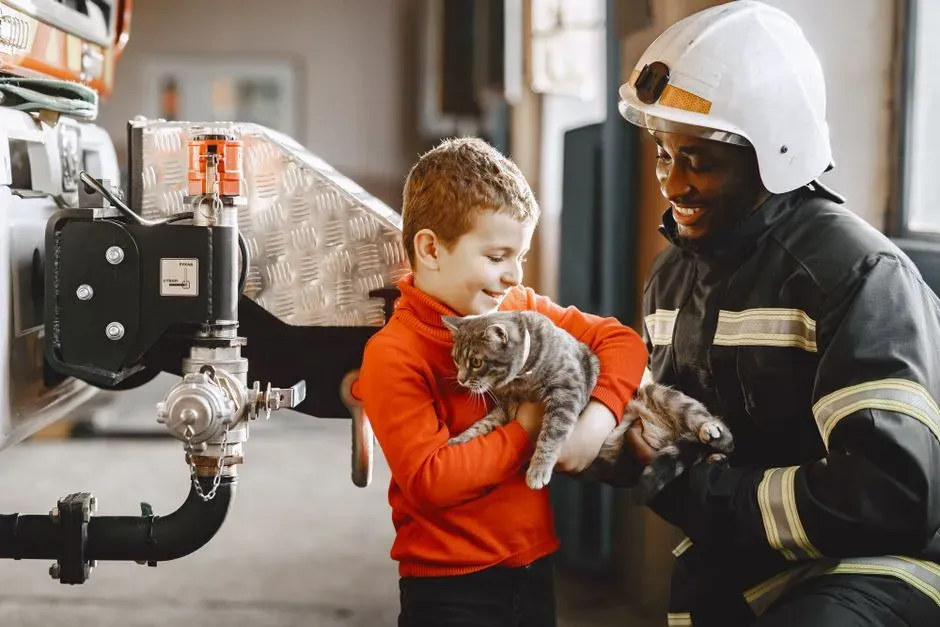
Feeling safer with animals is not a sign of brokenness. It reflects an intelligent adaptation that helped navigate earlier challenges. Dismissing it as mere preference overlooks the nervous system work happening beneath the surface.
Respecting the pattern allows room for change on the body own timeline rather than through force. Many people find that honoring the protection first makes other adjustments feel more possible later.
Carrying the Insight Forward
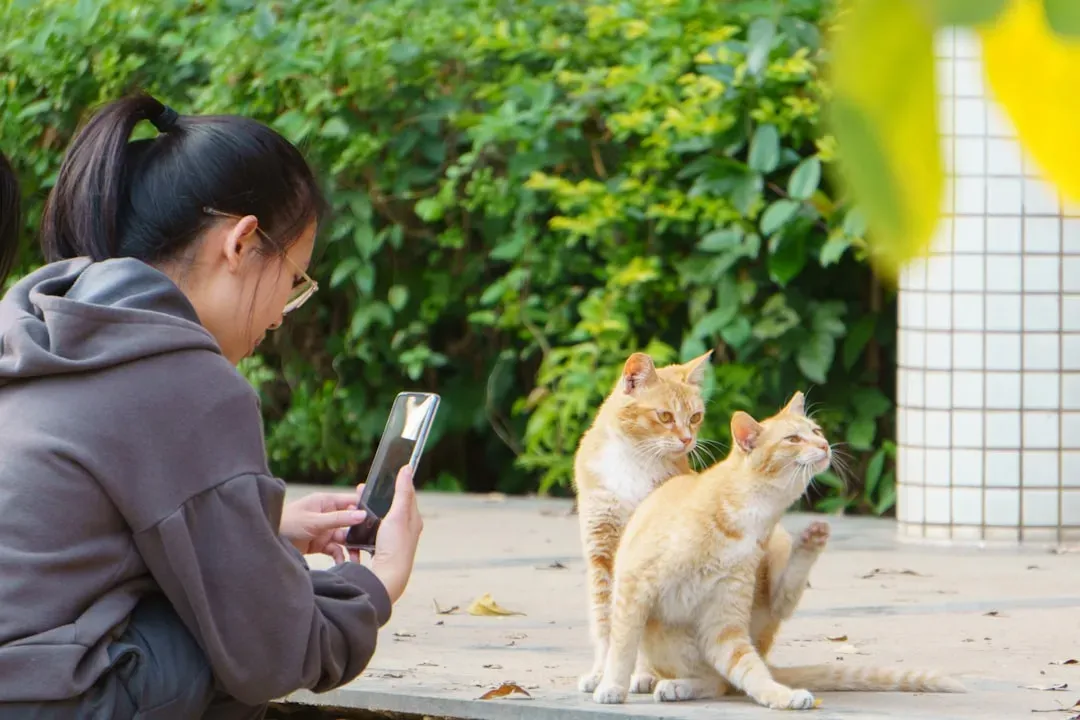
The nervous system does not need to be retrained overnight. It responds best to consistent, low pressure experiences that demonstrate the present differs from the past. Animals often provide the first reliable proof of that difference.
Over time the same system that once narrowed options can learn to widen them again. The preference for calmer company does not have to stay fixed. It can become one choice among several rather than the only safe option.
In the end the body story belongs to you. Understanding its protective logic opens space for choices that feel both grounded and expansive.

- 6 US States With the Most Wild Turkey - July 29, 2026
- The World’s Deepest Oceans Harbor Creatures with Unbelievable Survival Skills - July 29, 2026
- 12 Dog Breeds That Stay Healthy Well Into Old Age - July 29, 2026