
There’s a quiet revolution happening in households across the country. People over 50 are adopting cats in remarkable numbers, drawn to the comfort, routine, and genuine companionship a feline friend can offer. Seniors can benefit both mentally and physically from owning a cat, with cats providing loving companionship that can help relieve stress, lower blood pressure, and help keep the brain sharp. That’s a lot to like.
The catch? Not all cat breeds are created equal when it comes to suiting a quieter, more relaxed lifestyle. Some are genuinely wonderful matches. Others are, frankly, a recipe for exhaustion, frustration, and scratched furniture. Knowing the difference before you visit a shelter or breeder could save you a great deal of stress, and it could also save a cat from being rehomed.
#1 Never Adopt: The Bengal Cat
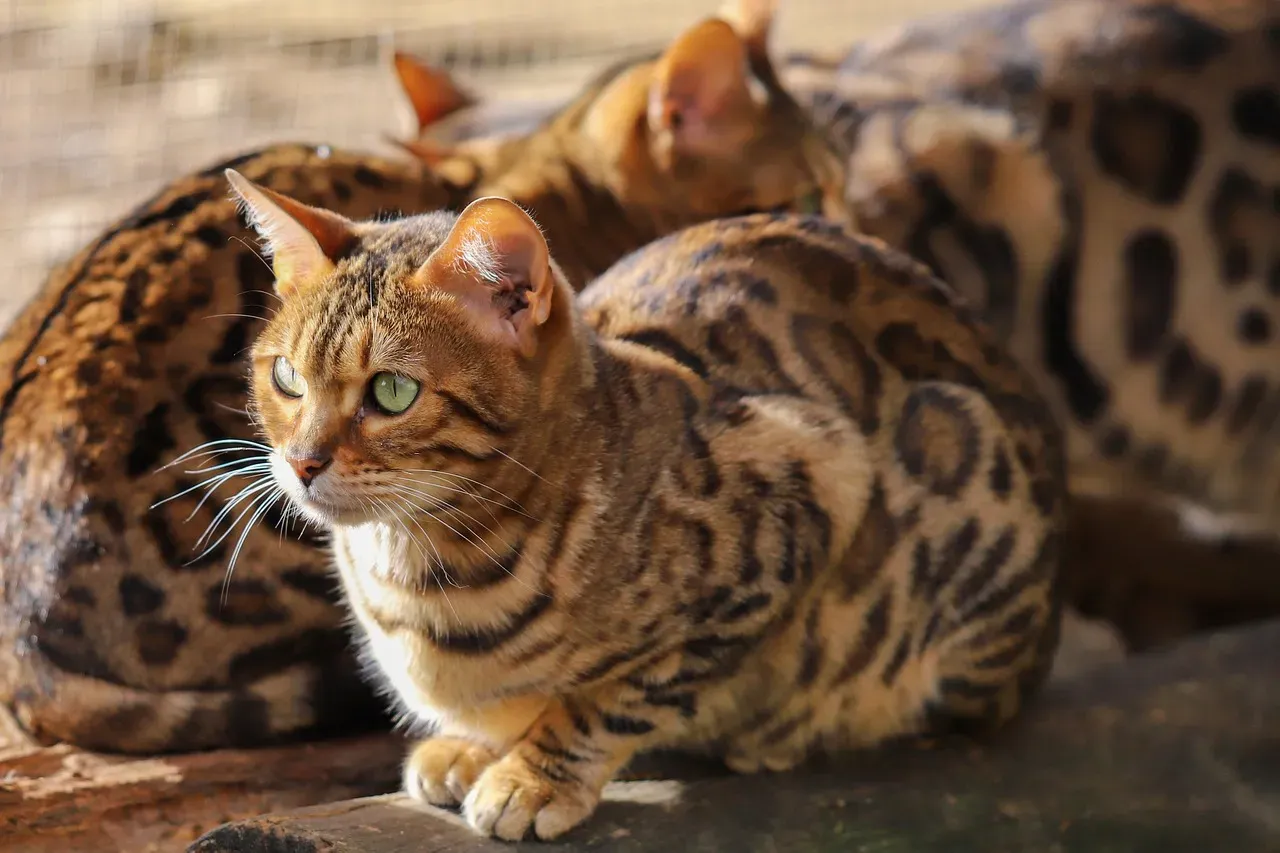
Visually, Bengal cats are breathtaking. Their spotted, leopard-like coats look like something out of a wildlife documentary. The problem is that their behavior can sometimes feel like one too. Bengal cats have extremely high energy levels and are quite active, and because they are also extremely smart, they can learn how to open doors and cabinets and break into things, which is why you must cat-proof your home when owning a Bengal.
Like many other cats, Bengals will resort to aggression when they feel angry, frustrated, or bored. They tend to be hyperactive from the moment they are born, so if you don’t enable them to burn their energy or give them enough attention, they can send a few challenges your way. For someone over 50 who wants a calm and contented companion, that description alone should give pause. Bengals also get bored quickly. If you leave them alone all day without enough stimulation, you could be in for a surprise when you get back. When Bengals have nothing to do, they scratch furniture, knock over decorations, chew on shoes and cushions, and wreak all sorts of havoc.
#2 Never Adopt: The Savannah Cat
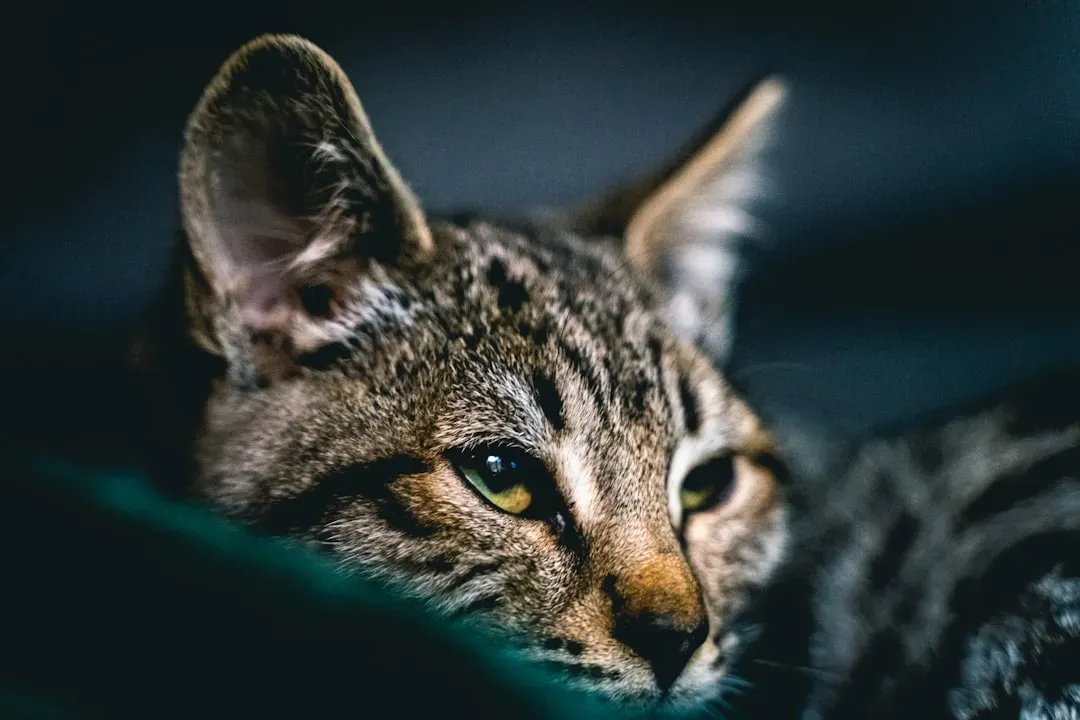
The Savannah is a cross between a domestic cat and an African Serval, and while later generations are more manageable, this breed carries significant behavioral complexity. Savannah cats have boundless energy and require much more physical stimulation than the average domestic cat, ideally an hour or two of interactive play a day. They love to run and, like their Serval ancestors, are elite athletes when it comes to jumping, with most able to leap eight feet or more into the air, so they need lots of vertical space. If they don’t get enough exercise, they can become bored, frustrated, and destructive.
Although Savannah cats are considered domestic cats from the F5 generation onwards and may be legally kept, this does not mean that the wild animal character has been entirely bred out. Many animals still have an extremely pronounced urge to move, are nocturnal, and demonstrate a strong hunting instinct. Some develop behavioral problems over time because their owners cannot meet their needs. That level of commitment, energy, and environmental setup is a significant undertaking for anyone, regardless of age.
#3 Never Adopt: The Siamese Cat
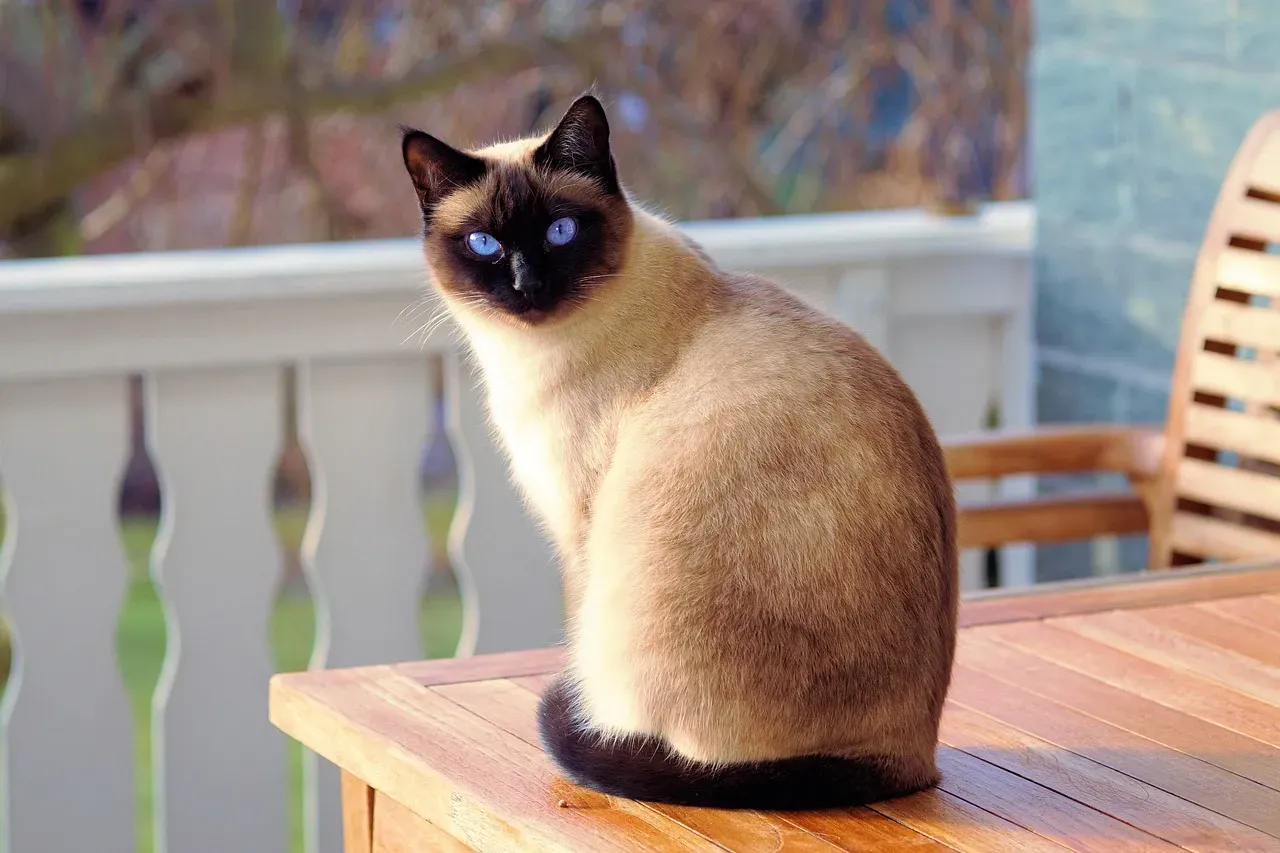
Siamese cats are undeniably beautiful and deeply affectionate. They also come with a vocal personality so intense that it catches many new owners off guard. Perhaps the most famous trait of Siamese cats is their distinctively loud and piercing meow, often described as a “cry” rather than a typical feline sound. This vocalisation varies in tone and inflection, resembling a kind of basic language that owners learn to understand over time. Siamese cats are very chatty and use their voice to communicate feelings, desires, or frustrations.
The vocal demands are only part of the picture. Although affectionate and friendly, Siamese cats can often be a challenge for their parents. They are hyperactive attention seekers, prone to jealousy and territorialism. Siamese felines are also extremely vocal when expressing happiness or dissatisfaction. The Siamese is widely considered one of the most intelligent cat breeds in the world. While a smart cat sounds great, it comes with a major catch: they get bored incredibly easily. A bored Siamese will quickly turn into a destructive, screaming Siamese. That particular combination can wear thin very quickly in a quiet household.
#4 Never Adopt: The Abyssinian
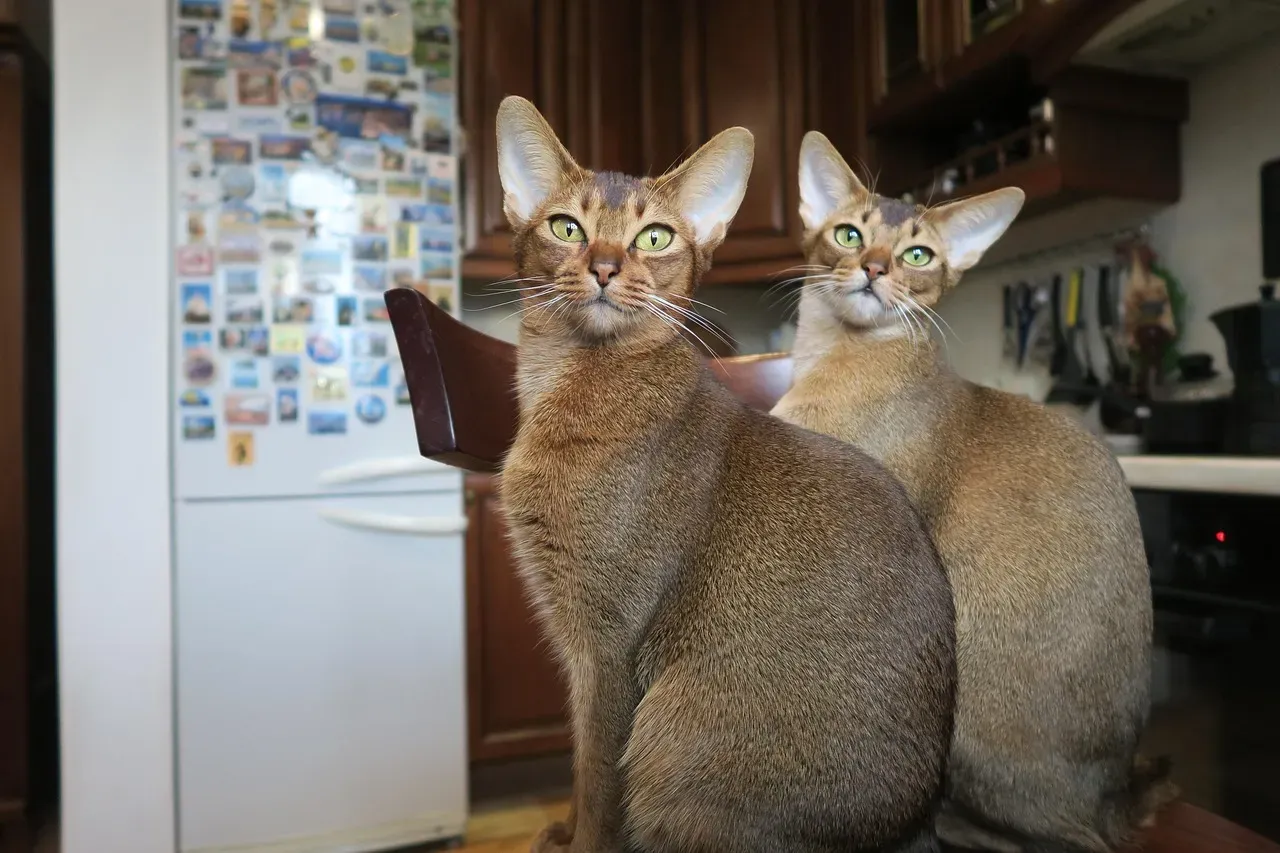
Sleek, curious, and deeply energetic, the Abyssinian is sometimes called the athlete of the domestic cat world. Not a lap cat, Abyssinians are in constant motion, either exploring or playing. That single fact tells you nearly everything you need to know. Abyssinians are hyperactive and demand intense daily mental and physical stimulation. They are “Velcro cats” who follow you everywhere, but they are rarely lap cats. They suffer from severe separation anxiety if left completely alone all day.
The environmental demands are equally intense. If you own an Abyssinian, you must think in three dimensions. To an Aby, the floor is lava, and the ceiling is their true home. They are unparalleled acrobats and climbers. If you do not provide floor-to-ceiling cat trees and sturdy floating wall shelves, they will create their own vertical space. For someone seeking peaceful evenings and a cat content to settle down beside them, the Abyssinian is simply the wrong match. Abyssinians are extroverted cats who are curious and like to play, but they have been known to bond with just one person, so they may not be good for a multi-generational household.
#5 Never Adopt: The Siberian Cat
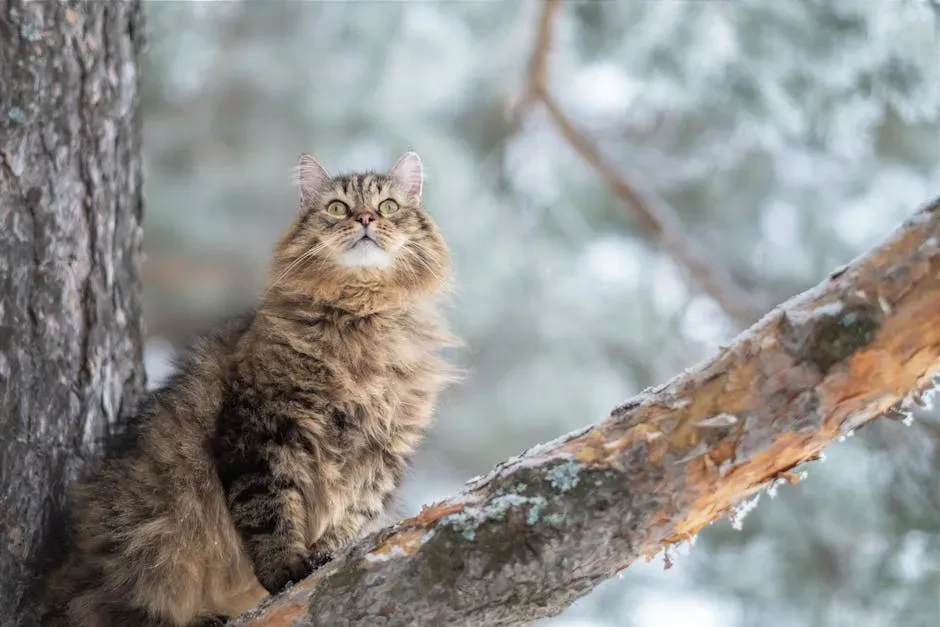
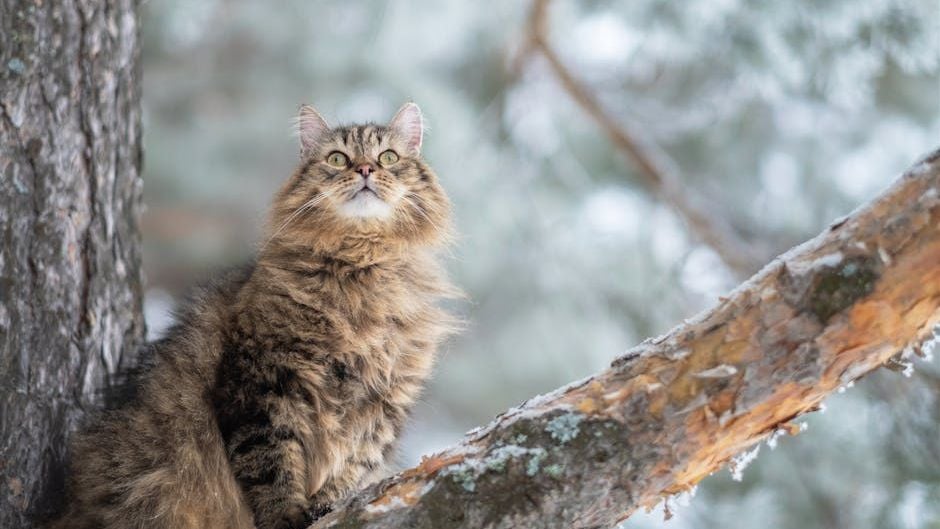
Siberians are gorgeous, intelligent, and genuinely sweet-natured cats. The challenge for those over 50 is rooted in their sheer physical energy and need for engagement. Siberians are a clever breed that love to climb, jump, and explore their environment. Because of their need for physical activity, they are better suited to seniors that can easily move around and play with their cats regularly. That’s an honest caveat worth taking seriously.
Their thick, triple-layered coat also adds a grooming commitment that many people underestimate. Regular brushing sessions are genuinely required to prevent matting and reduce shedding. Combine that with their need for interactive play and mental stimulation, and the Siberian is best suited for an owner with considerable time, energy, and mobility. Because of their need for physical activity, Siberians are better suited to seniors that can easily move around and play with their cats regularly. They’re wonderful animals in the right home. That home just may not be the quieter pace of life many people are settling into after 50.
#6 You Should Adopt: The Ragdoll
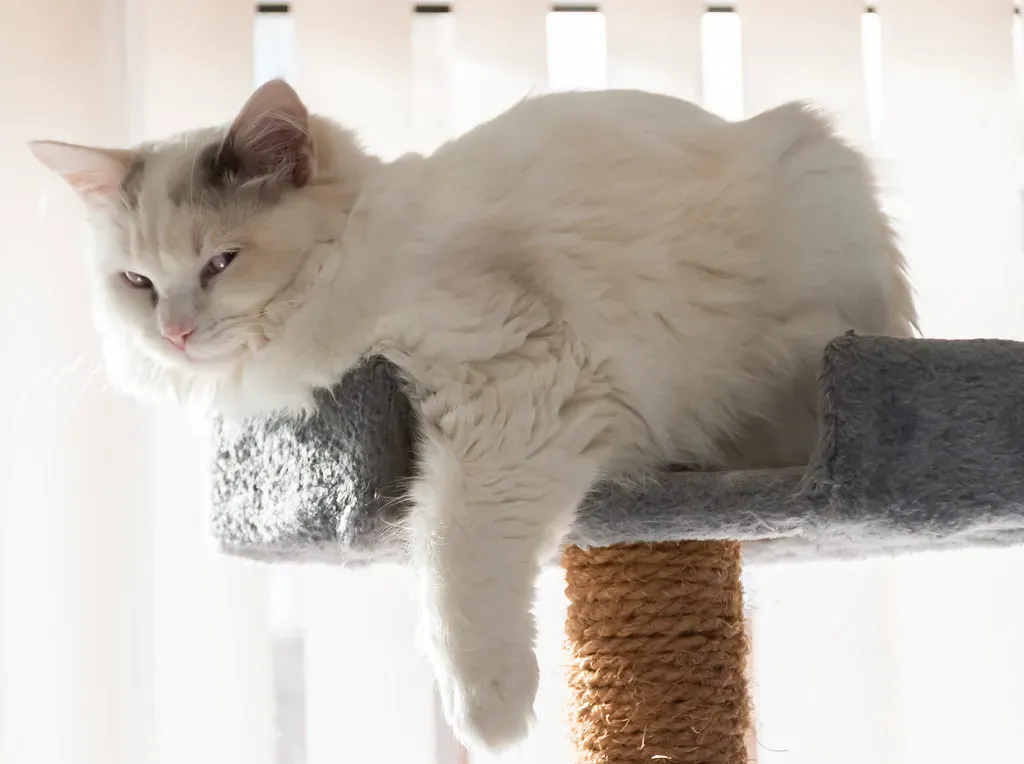
If there were a breed designed specifically for calm companionship and easy affection, the Ragdoll would be a strong contender. The Ragdoll earns its name from its tendency to go completely limp when picked up, making handling remarkably easy for seniors with limited strength. These large, gentle cats typically weigh between 10 and 20 pounds, yet their docile nature makes them feel lighter than their actual size suggests. Ragdolls are exceptionally people-oriented and will follow you from room to room, offering companionship without being demanding.
Their temperament is matched by a surprisingly manageable personality for such a large breed. The Ragdoll is a good choice for seniors because of its laid-back personality. Known for being friendly, the Ragdoll typically gets along with other cats, dogs, new people, and children, which is perfect for grandparents who babysit the grandkids on occasion. It has a semi-long coat of silky hair that requires daily brushing to avoid knotting, but is otherwise low maintenance. The daily brushing can actually become a pleasant ritual rather than a burden, as Ragdolls are famously calm and patient during grooming.
#7 You Should Adopt: The British Shorthair
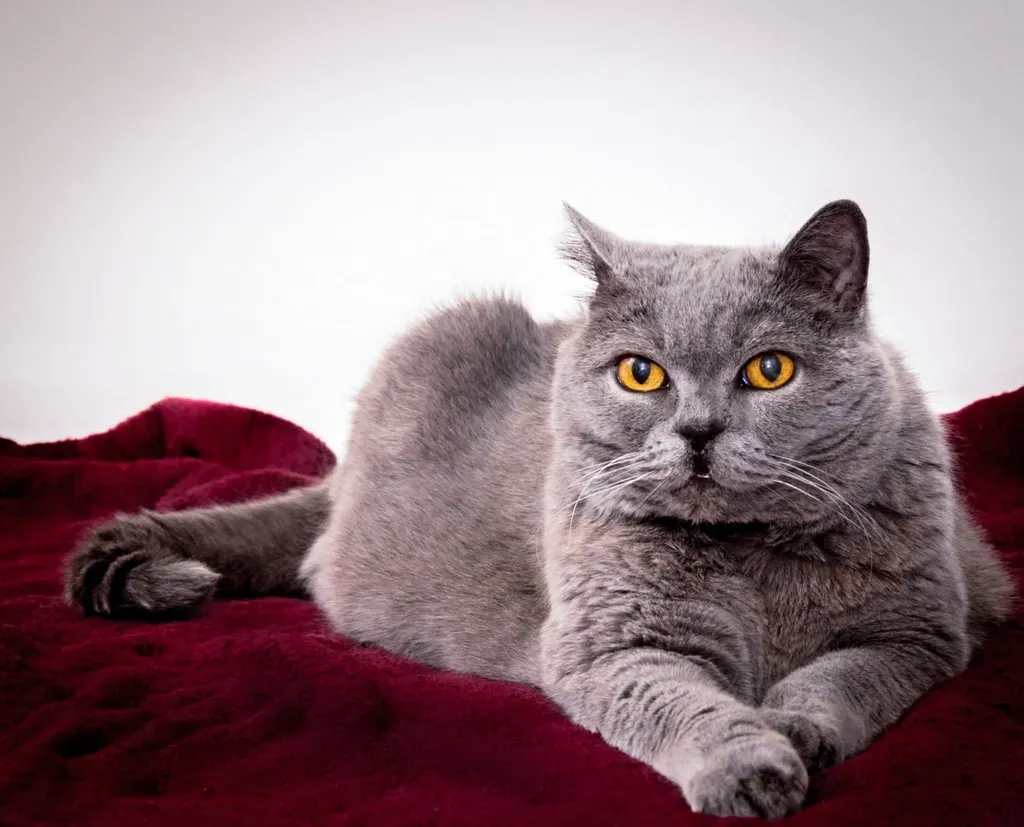
The British Shorthair is the definition of dignified composure. Round-faced, sturdy, and unhurried, this breed has an almost storybook quality to it. British Shorthairs are good-natured and tend to be playful as kittens but mellow out as they age. This is a good choice for seniors due to their independence and laid-back personality, as British Shorthairs are happy to amuse themselves and sleep throughout the day and night.
Their practical advantages for older owners are equally appealing. The British Shorthair is an exceptionally friendly breed that is also quite independent, and they can be left alone for longer periods without issue, provided they have enough food and water. The breed is also known for being particularly healthy, so owners don’t have to worry about investing in costly medical treatments or medicines. These cats have a life expectancy of 12 to 16 years, making them a long-term commitment but also a long-term friend. Their longevity means they can provide companionship for many years, which is especially beneficial for seniors looking for a stable, long-term relationship with their pet.
#8 You Should Adopt: The Persian Cat
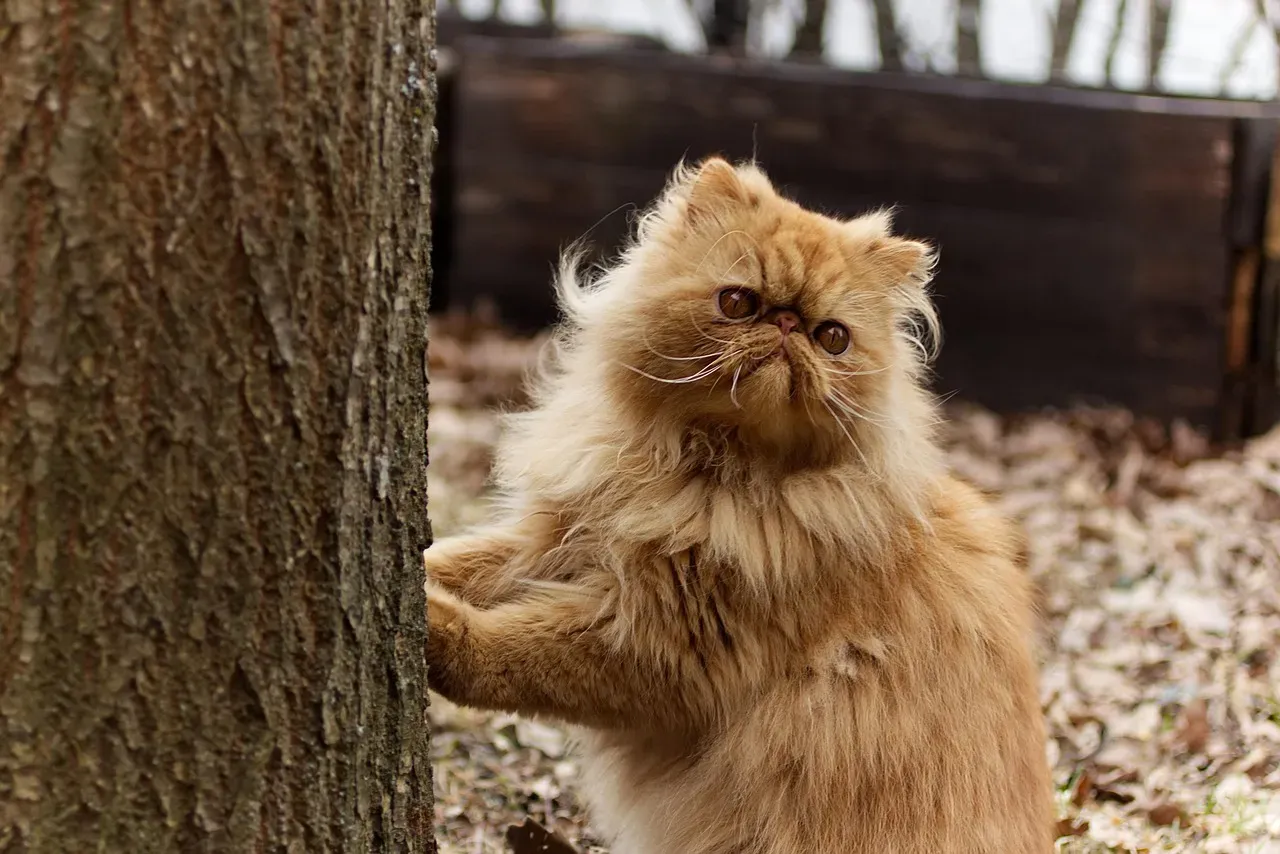
Persians have been beloved companions for centuries, and their appeal for those seeking a calm, unhurried household companion is easy to understand. One of the oldest cat breeds, the Persian is a sweet, gentle, and affectionate cat that forms a strong bond with their human companion. Persians have characteristic round faces with short muzzles and long, silky coats that require daily grooming. While the Persian cat can get along with people, cats, and dogs, they’re not ideal for households with rambunctious young children.
The Persian is an exceptionally quiet and affectionate breed that thrives in a calm, uneventful home. That description suits many people in their 50s and beyond very well. The one honest consideration is their grooming needs. Persian cats require regular grooming due to their long fur. This can be a bonding activity for seniors and their feline friends, but it’s important to be prepared for the commitment. The Persian is a favorite in the world of emotional support cats. For those who enjoy the ritual of brushing and close tactile bonding, the Persian is a genuinely rewarding choice.
#9 You Should Adopt: The Birman
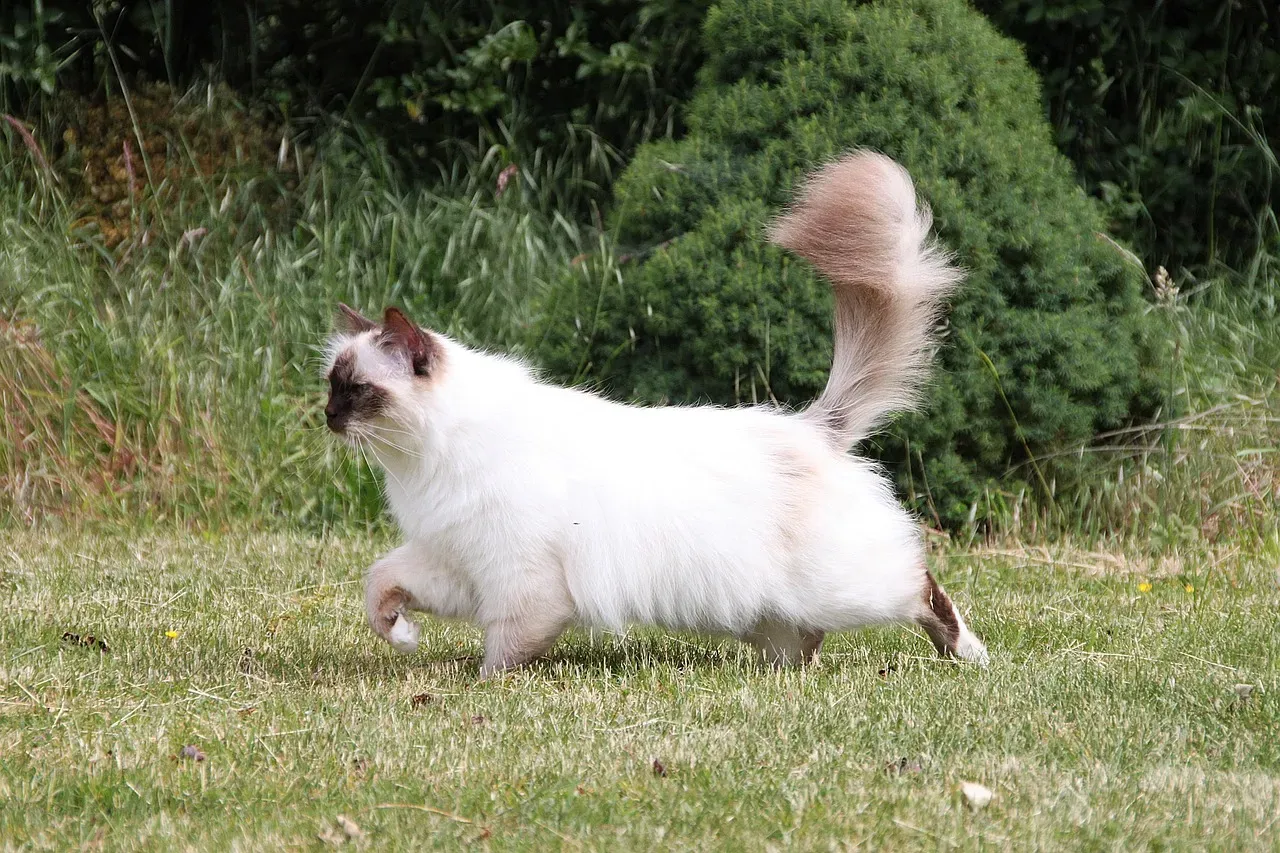
The Birman is one of those breeds that seems almost purpose-built for gentle companionship. Known as the “Sacred Cat of Burma,” the Birman is a long-haired, color-pointed cat with a long, silky coat, striking blue eyes, and white “gloves” on each paw. They’re large, heavy-boned cats, but they tend to be very gentle. Birmans love being around other people, cats, and dogs, but they tend to form close bonds with one person, making them a great choice for a senior or retiree who lives alone and wants a companion.
Birman cats are described as “ideal” for seniors, according to TICA, as they are low-maintenance and love companionship. Life Care Services, the retirement home provider, recommends these cats for elderly owners. The Birman is a long-haired cat with deep blue eyes. The fur is medium-length with a color-point pattern, and there’s no undercoat to shed. They’re healthy, friendly, and intelligent. Birmans like to lounge around and are usually close to their owners. That combination of loyalty, low shedding, and calm temperament makes them a genuinely excellent choice.
#10 You Should Adopt: The Russian Blue
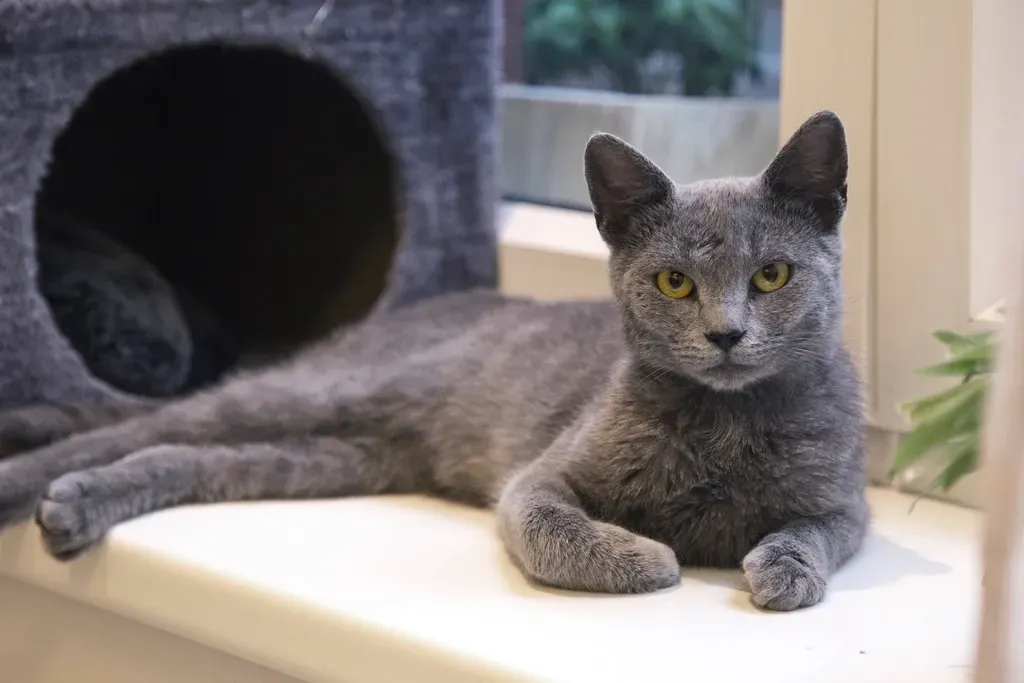
There’s something quietly special about the Russian Blue. Their striking silver-blue coat and vivid green eyes give them an almost ethereal appearance, and their personality is just as distinctive. The Russian Blue is a popular natural Russian breed known for their sweet temperament, intelligence, and loyalty. Russian Blue cats can be a bit more aloof than other breeds and are great for senior households with low activity. Though not especially active, the Russian Blue can get along well with other cats, dogs, and children but prefers to be close to their one human companion. They can be shy with strangers but form close bonds and are said to be in tune with their guardians’ emotions.
Russian Blue is described as a quiet but loving breed. This striking gray cat likes to be close to their owner but is not an energetic, clingy animal that requires a lot of attention. For seniors considering a pet, this breed can be a wonderful option. Their emotional attunement is worth noting. Cats have been linked to improved physical well-being, prompting better cardiovascular health and lower blood pressure among seniors. The Russian Blue, with its quiet presence and deep bond to one person, delivers that kind of connection with minimal fuss.
The Bigger Picture: Matching Lifestyle to Breed
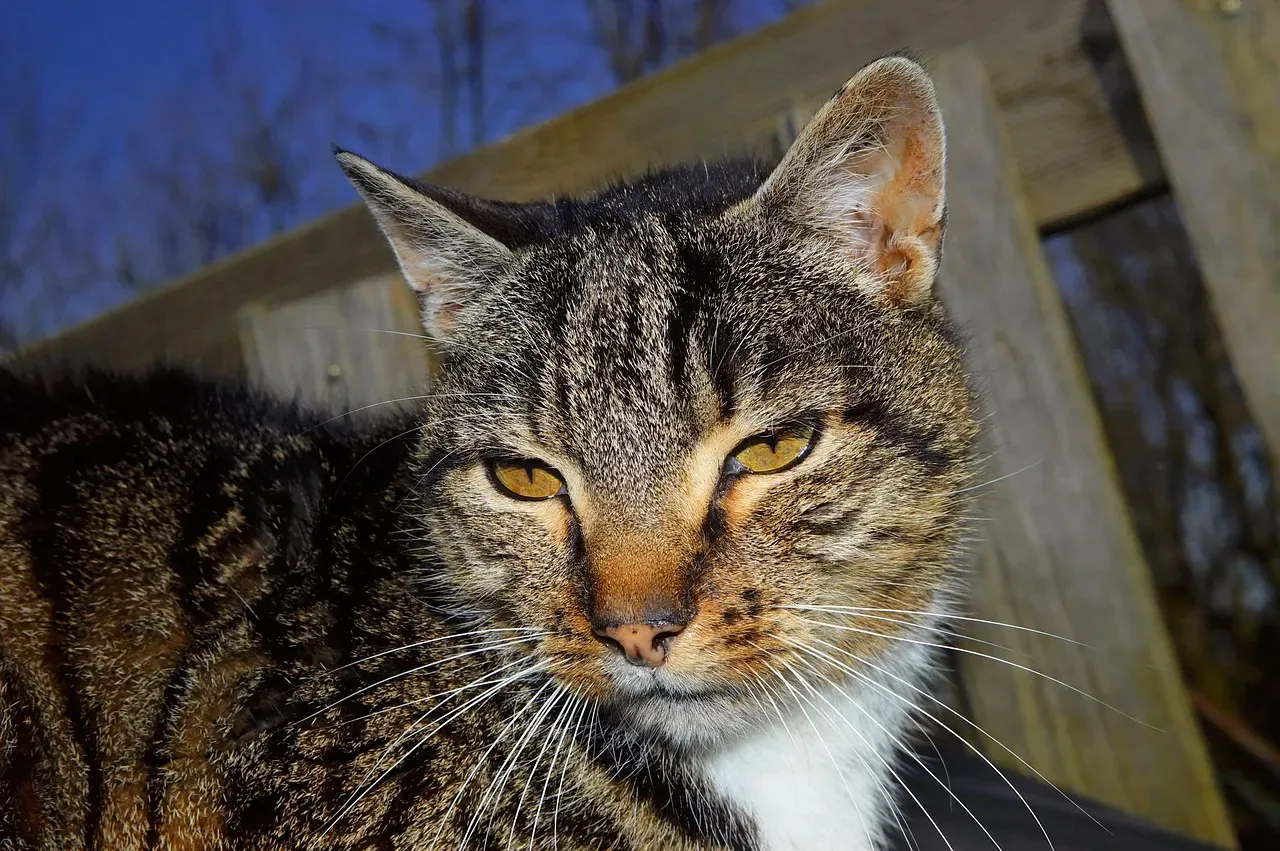
The decision to adopt a cat after 50 is a meaningful one. Energetic or mischievous cats might not do so well with an elderly owner, but there are plenty of breeds that are happy to curl up on their owners’ laps and be loved. Animals that are calmer and thrive on having company often suit older folk, who might typically spend more time at home. The right fit genuinely matters, for both the owner and the animal.
As you select your feline friend, paying attention to the cat’s age, since kittens will have higher energy levels than older cats, and their personality traits are important. Look for a cat that loves cuddling and won’t mind being around people all day. Consider factors like veterinarian bills, grooming needs, and any allergies in the home before making your decision. It’s also worth considering adopting an adult or senior cat from a shelter, since their temperament is already established and there are no surprises. Older pets may be better suited to older people. An active kitten might be too much for someone with mobility issues, while an elderly cat could offer quiet companionship without requiring constant playtime.
The right cat doesn’t just share your home. It shares your rhythm. The breeds worth avoiding for those over 50 aren’t bad cats at all; they simply thrive in a different kind of household. Choose a breed that fits your energy and your pace, and that bond will reward you in ways that are genuinely hard to measure.

- 7 Things Cardinals Notice Before Choosing Your Yard - July 26, 2026
- Did You Know the Earth Has an Invisible Shield and The Moon Helps Us Understand It - July 26, 2026
- 5 Cat Breeds That Are Nearly Impossible to Housebreak - July 26, 2026