

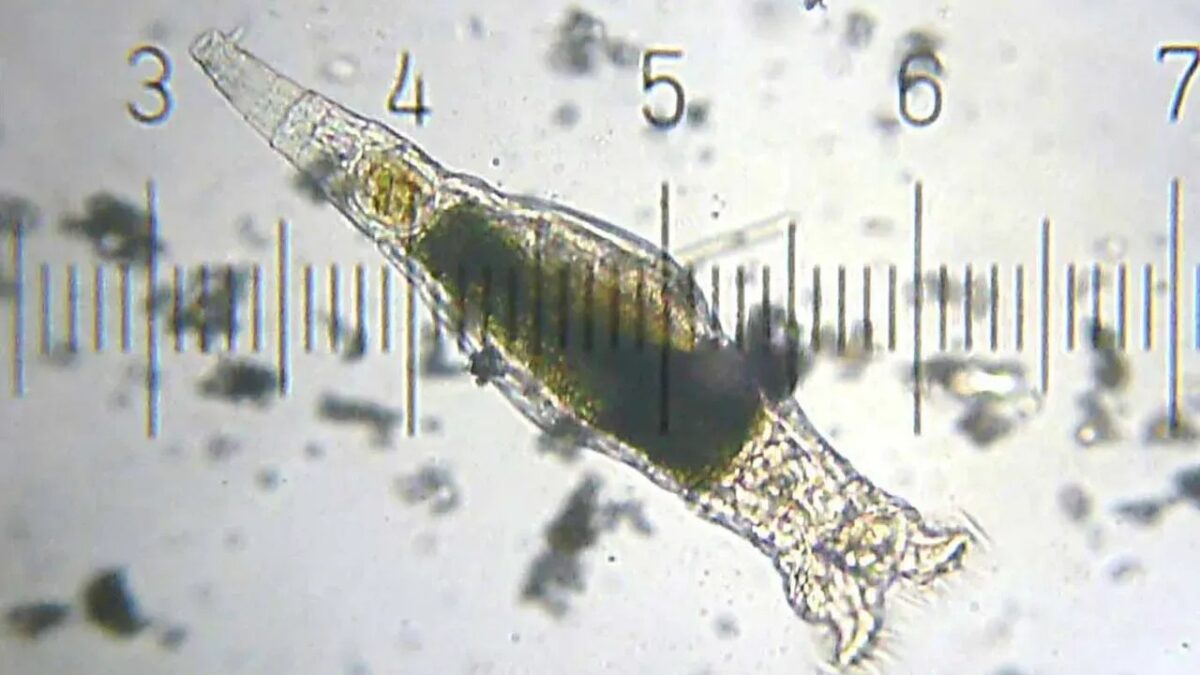
There’s something almost mythological about the idea of creatures frozen for thousands of years suddenly waking up and going about their business like nothing happened. Science fiction has teased us with this concept for decades. The reality, it turns out, might be even stranger than the stories.
Russian scientists working with permafrost samples have managed to revive organisms that have been locked in ice for an almost incomprehensible span of time. We’re not talking years or even centuries. We’re talking tens of thousands of years. If that doesn’t make you stop and stare at the ceiling for a moment, I honestly don’t know what will. Let’s dive in.
The Permafrost: Earth’s Most Unlikely Time Capsule
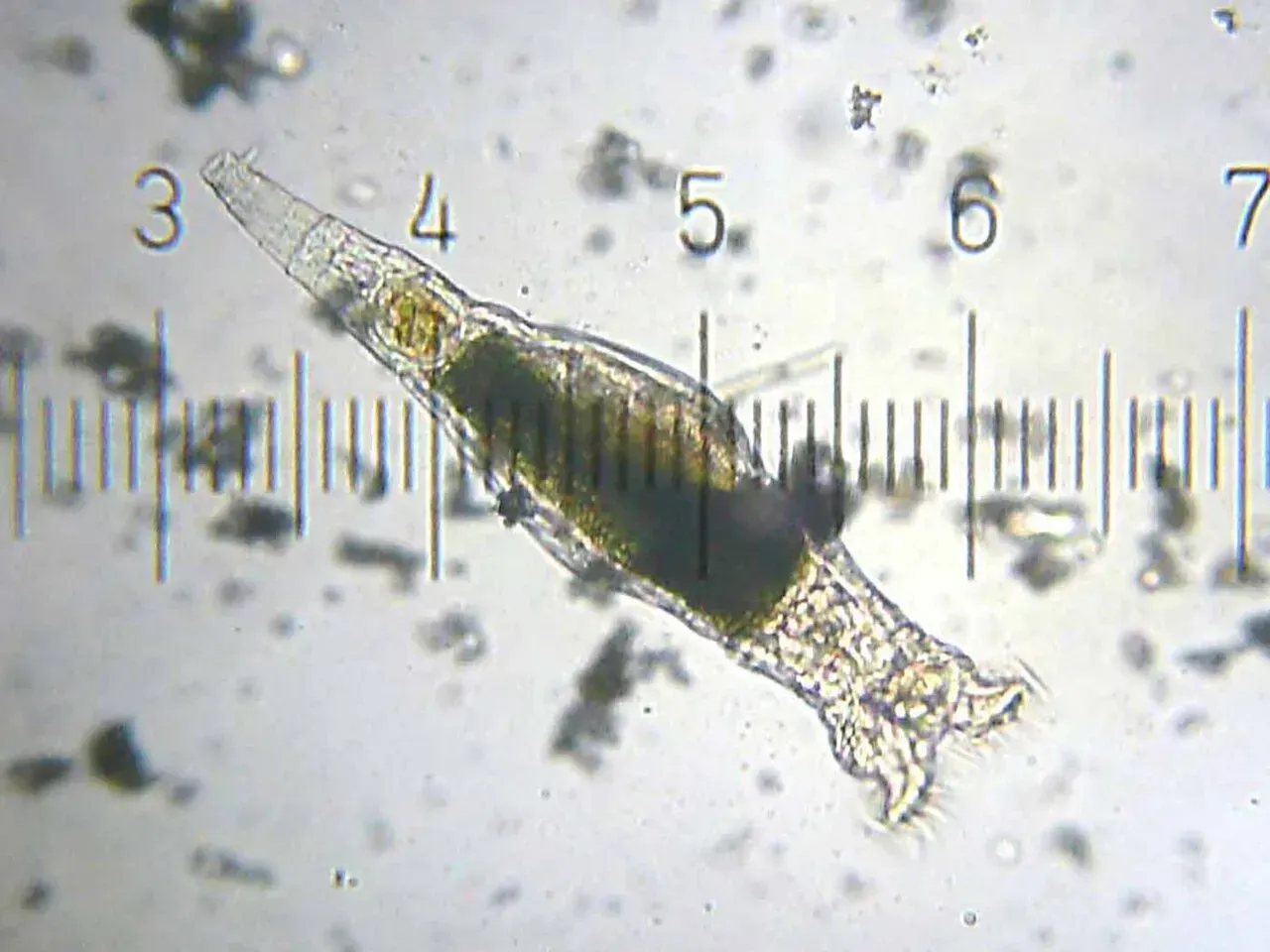
Permafrost is exactly what it sounds like. It’s ground that stays frozen year-round, stretching across vast regions of Siberia and other parts of the Arctic. For most people, it’s just frozen dirt. For scientists, it’s a biological archive unlike anything else on the planet.
The cold, oxygen-poor conditions inside permafrost slow biological decay to nearly a standstill. Organisms trapped inside aren’t quite dead, but they’re not really alive either. They exist in a kind of suspended animation, a state so complete that even their cellular structures can remain remarkably intact across geological timescales.
What Was Actually Revived and How Old Were These Things?
The organisms at the center of this story are microscopic creatures called bdelloid rotifers. These tiny animals are already famous among biologists for being extraordinarily tough. They can survive radiation, dehydration, and extreme temperatures that would destroy most living things.
What makes this particular discovery so jaw-dropping is that the rotifers recovered from Siberian permafrost were estimated to be around 24,000 years old. Twenty-four thousand years. To put that in perspective, the last Ice Age was still in full swing when these creatures were last active. They were essentially frozen during the time of woolly mammoths. And then, in a Russian laboratory, they simply started moving again.
The Science Behind Surviving Thousands of Years in Ice
Here’s the thing that really gets scientists excited. Understanding how these animals pull off this biological miracle could reshape everything we know about cell preservation. Bdelloid rotifers appear to produce certain protective proteins and enter a state of cryptobiosis, essentially halting all metabolic activity without permanent damage.
It’s a bit like hitting the world’s most reliable pause button on a video game. Every process stops. Nothing degrades significantly. Then when conditions improve, everything just resumes. The mechanisms involved, particularly how cells avoid ice crystal damage and oxidative stress over such enormous timescales, are still being actively studied. Honestly, if we could replicate even a fraction of this capability in human medicine, the implications would be staggering.
This Isn’t the First Time Permafrost Surprised Scientists
Bdelloid rotifers aren’t alone in this remarkable club. Researchers have previously revived mosses, seeds, and even nematode worms from ancient permafrost. In one well-known case, a 32,000-year-old plant tissue was successfully regenerated. The Siberian permafrost has repeatedly proven itself to be a biological treasure chest.
Still, each new revival raises fresh questions rather than settling old ones. The rotifers represent a step up in complexity compared to plants or simple worms. They are genuinely multicellular animals with differentiated organs, a gut, a nervous system of sorts. Bringing something with that level of biological complexity back after 24 millennia feels like crossing a threshold that wasn’t supposed to be crossable.
What This Means for the Study of Life’s Limits
For astrobiologists, this kind of research is almost intoxicating. If life can survive for tens of thousands of years in frozen, harsh conditions on Earth, the argument for life surviving in similar environments elsewhere in the solar system becomes considerably more serious. Places like Europa, the icy moon of Jupiter, or Mars, with its frozen subsurface regions, suddenly look more promising.
It also forces us to reconsider what we even mean by “alive.” Is an organism that has had zero biological activity for 24,000 years truly alive? Or does it cross back over the threshold only when it starts moving again? It’s hard to say for sure, but these are the kinds of questions that keep researchers up at night in the best possible way. The boundaries between life and death, it turns out, are far blurrier than we once assumed.
The Risks and Ethical Conversations Nobody Wants to Skip
Let’s be real for a second. The revival of ancient organisms from permafrost isn’t without its concerns. As the Arctic warms and permafrost thaws at an accelerating rate due to climate change, ancient microbes and other organisms are being released naturally into the environment. Some researchers have raised concerns about ancient pathogens re-emerging, though the actual risk to human health remains a subject of ongoing debate.
There’s also a broader ethical dimension worth sitting with. How far should this science go? Rotifers are one thing. The same permafrost also contains preserved remains of larger animals, including mammoths and cave lions. Serious scientific discussions about de-extinction using ancient genetic material are no longer purely hypothetical. The science is moving faster than the ethical frameworks designed to contain it.
Why the World Should Be Paying Attention Right Now
The revival of 24,000-year-old rotifers is remarkable on its own terms. Sit with that number again. Twenty-four thousand years of frozen sleep, ended in a laboratory. It speaks to the breathtaking resilience of life in forms we barely understand, thriving, or at least surviving, under conditions we once considered categorically lethal.
The permafrost research happening in Russia and across the Arctic region deserves far more public attention than it typically gets. This isn’t niche science buried in academic journals. It has real implications for medicine, space exploration, environmental policy, and our most fundamental understanding of biology. The deeper we dig into frozen ground, the more we realize how much life has been quietly waiting for us to find it.
Conclusion: Life Is Tougher Than We Ever Imagined
If there’s one thing this story drives home with force, it’s that life doesn’t give up easily. Not after years, not after centuries, and apparently not even after tens of thousands of years sealed inside frozen ground. The bdelloid rotifers didn’t know they were supposed to be dead. They just waited.
I think the deepest takeaway here isn’t really about rotifers at all. It’s about our own assumptions. Science keeps finding that the limits we place on life are almost always drawn too conservatively. Every time we declare something impossible, nature seems to find a corner case. These tiny, wriggling creatures from the Ice Age might just be the most humbling biology lesson in recent memory.
What do you think: does the idea of ancient life waking up from permafrost inspire you, or does it unsettle you a little? Drop your thoughts in the comments.

- Urban Coyotes Show Remarkable Adaptability, Learning to Thrive in City Environments - July 22, 2026
- Beavers Are Nature’s Engineers, Creating Vital Habitats for Other Wildlife Species - July 21, 2026
- The Recovery of the California Condor Offers Hope for Other Critically Endangered Birds - July 21, 2026