

From suburban backyards to rural ranches, the underground world of big cat ownership in America is both fascinating and concerning. Many are drawn to the allure of owning these majestic creatures, yet behind the mystery and glamour lies a multitude of issues related to legality, ethical concerns, and animal welfare. This article delves into the lesser-known aspects of big cat ownership, unraveling the hidden world shrouded in secrecy.
The Growing Phenomenon of Big Cat Ownership

In recent years, the phenomenon of big cat ownership in the United States has gained significant media attention, yet it remains largely misunderstood. Estimates suggest that between 5,000 to 10,000 tigers alone live in captivity across America, surpassing their numbers in the wild. The desire to possess these animals stretches across various demographics, from exotic pet enthusiasts to individuals seeking status symbols.
Legal Regulations: A Patchwork System
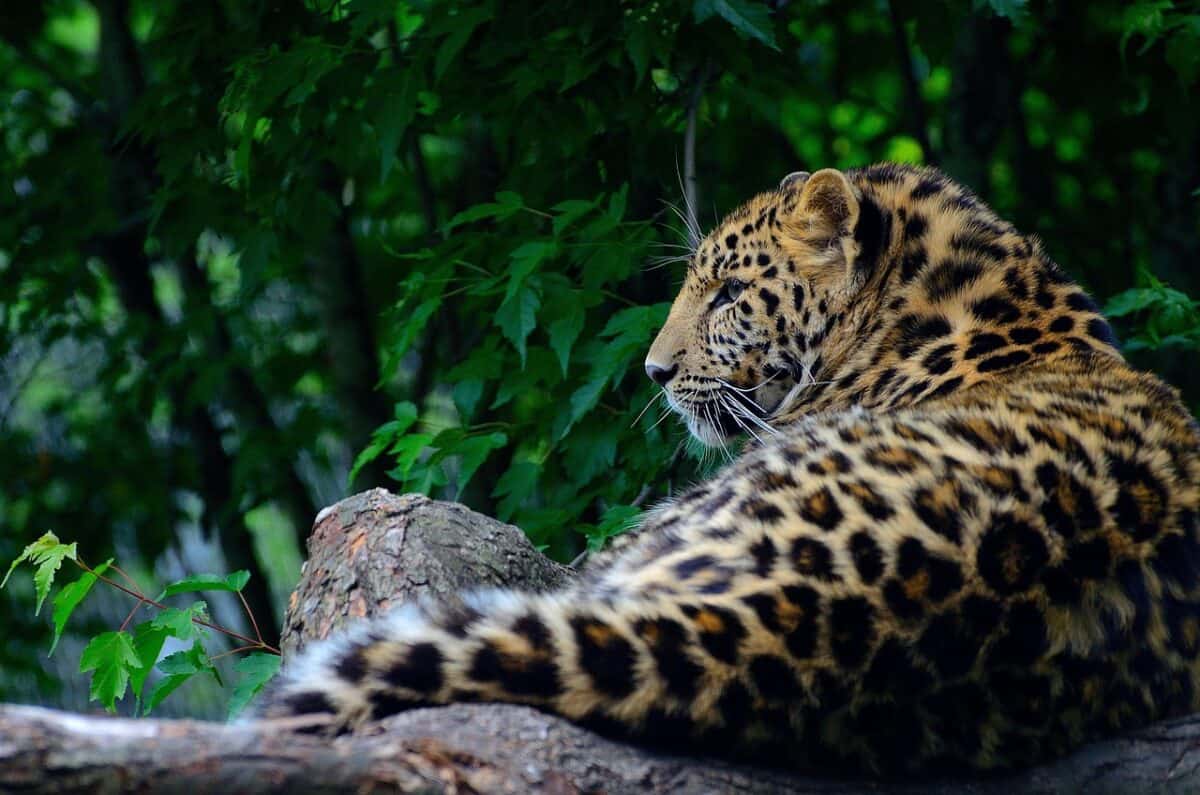
The legal landscape surrounding big cat ownership in America is complex and inconsistent. Regulations vary markedly from state to state, with some states imposing strict bans, while others have little to no restrictions. This patchwork legal system complicates enforcement and contributes to the growth of an unregulated black market for exotic animals.
The Appeal of Exotic Pets

Why are people drawn to owning big cats? For some, it’s the thrill of owning a rare and powerful creature. Others view it as a status symbol, a way to exhibit wealth and influence. Additionally, the exotic pet trade is fueled by a deep fascination with beauty and the untamed aspect of these majestic animals.
The Ethical Debate
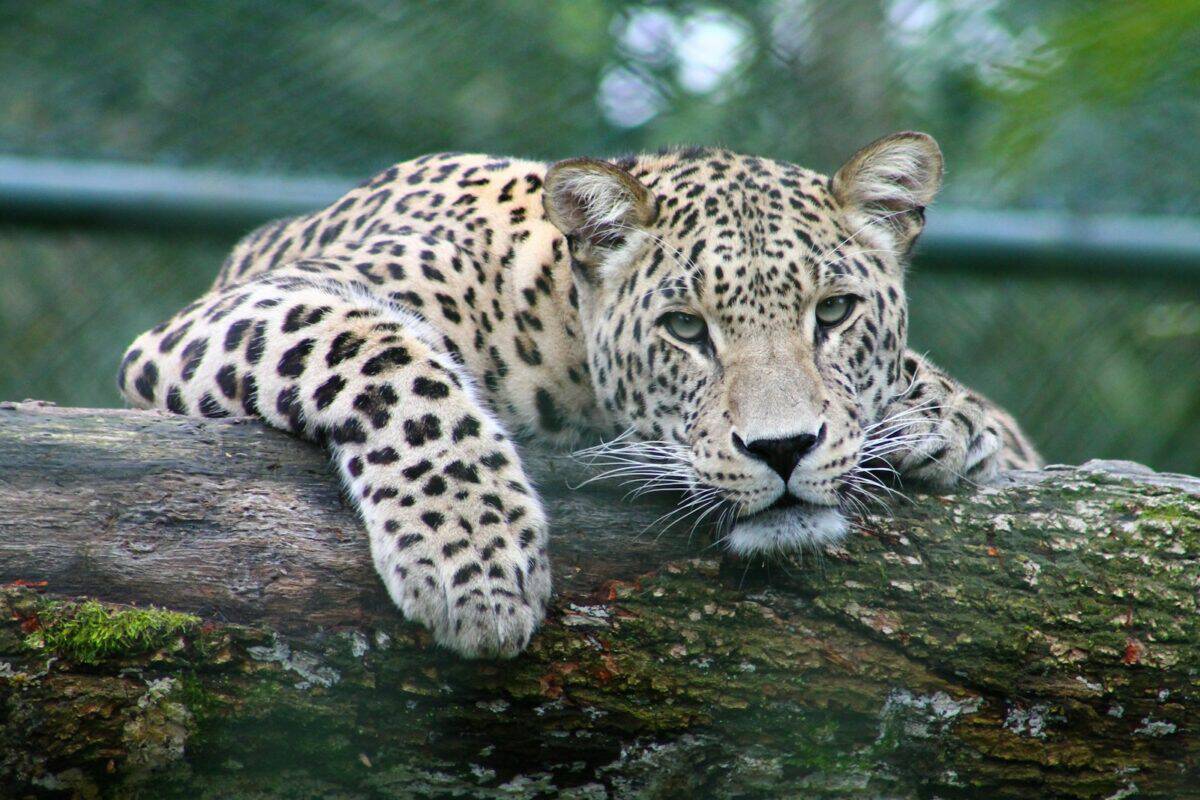
The ethics of keeping big cats in captivity are hotly debated. Critics argue that many private owners lack the necessary resources and knowledge to provide adequate care, leading to compromised animal welfare. Conversely, some advocates believe that private ownership, when regulated properly, can offer sanctuary to animals that may otherwise face extinction or harm in the wild.
Challenges of Wild Animal Care

Caring for big cats is an enormous responsibility requiring substantial resources. These animals require specialized diets, extensive veterinary care, and large enclosures to mimic their natural habitats. The failure to meet these needs often leads to physical and mental health issues among the animals in captivity.
Big Cat Sanctuaries: A Haven

Sanctuaries play a crucial role in the rescue and rehabilitation of big cats mistreated or abandoned by their owners. These organizations work tirelessly to provide a safer alternative, offering specialized care and a semblance of natural life. However, sanctuaries are often overwhelmed and underfunded, struggling to accommodate the growing number of animals in need.
The Impact on Wildlife Conservation
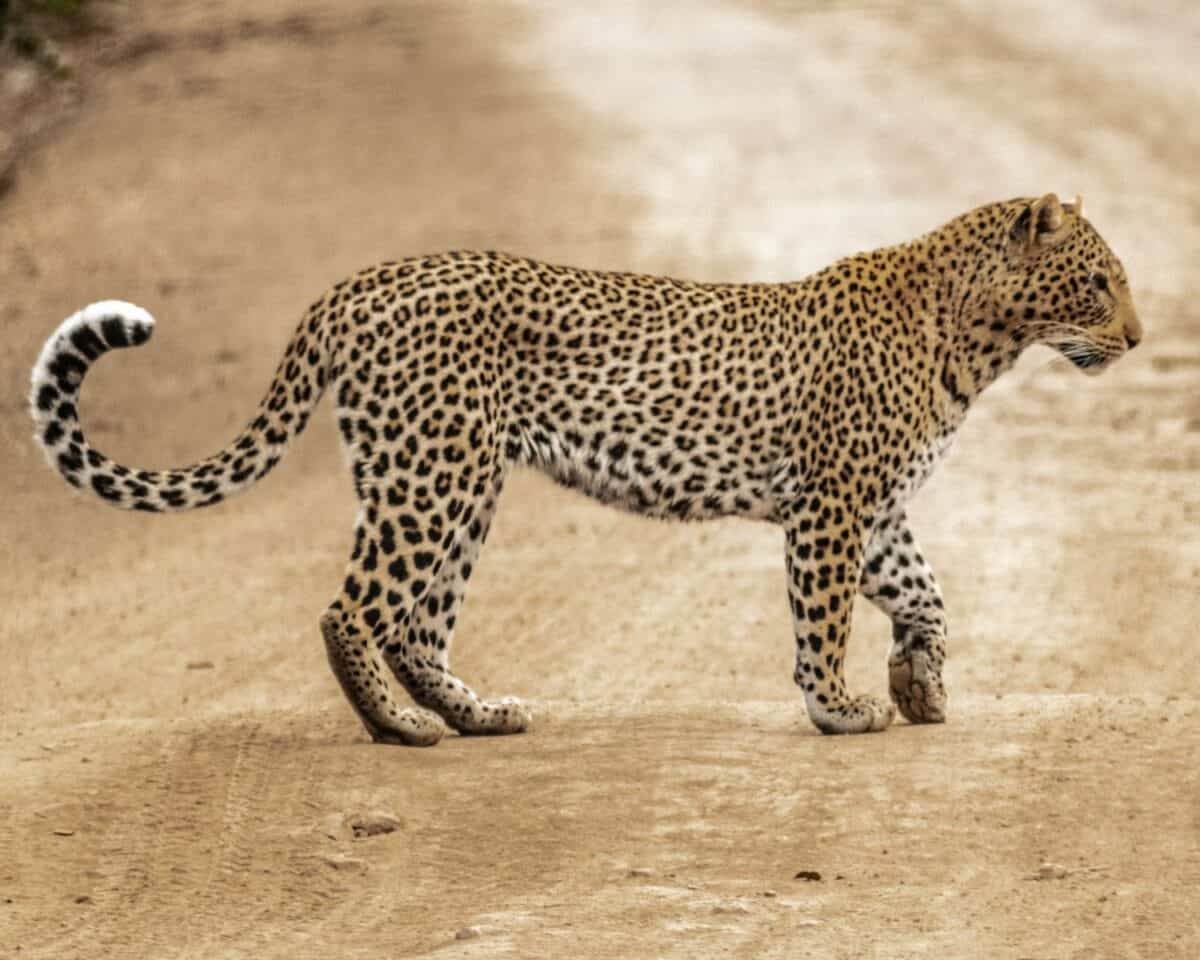
Contrary to popular belief, private ownership of big cats can negatively impact conservation efforts. The breeding of big cats in captivity does not contribute directly to species’ preservation in the wild, and many captive animals cannot be reintegrated into natural habitats. As such, this practice detracts attention and resources from legitimate conservation initiatives.
Public Safety Concerns

Big cat ownership raises significant public safety issues. There have been numerous cases of animals escaping, resulting in injuries and even fatalities. These incidents highlight the dangers associated with keeping wild animals in proximity to human populations and the inadequate regulatory measures to protect both animals and people.
The Black Market for Big Cats
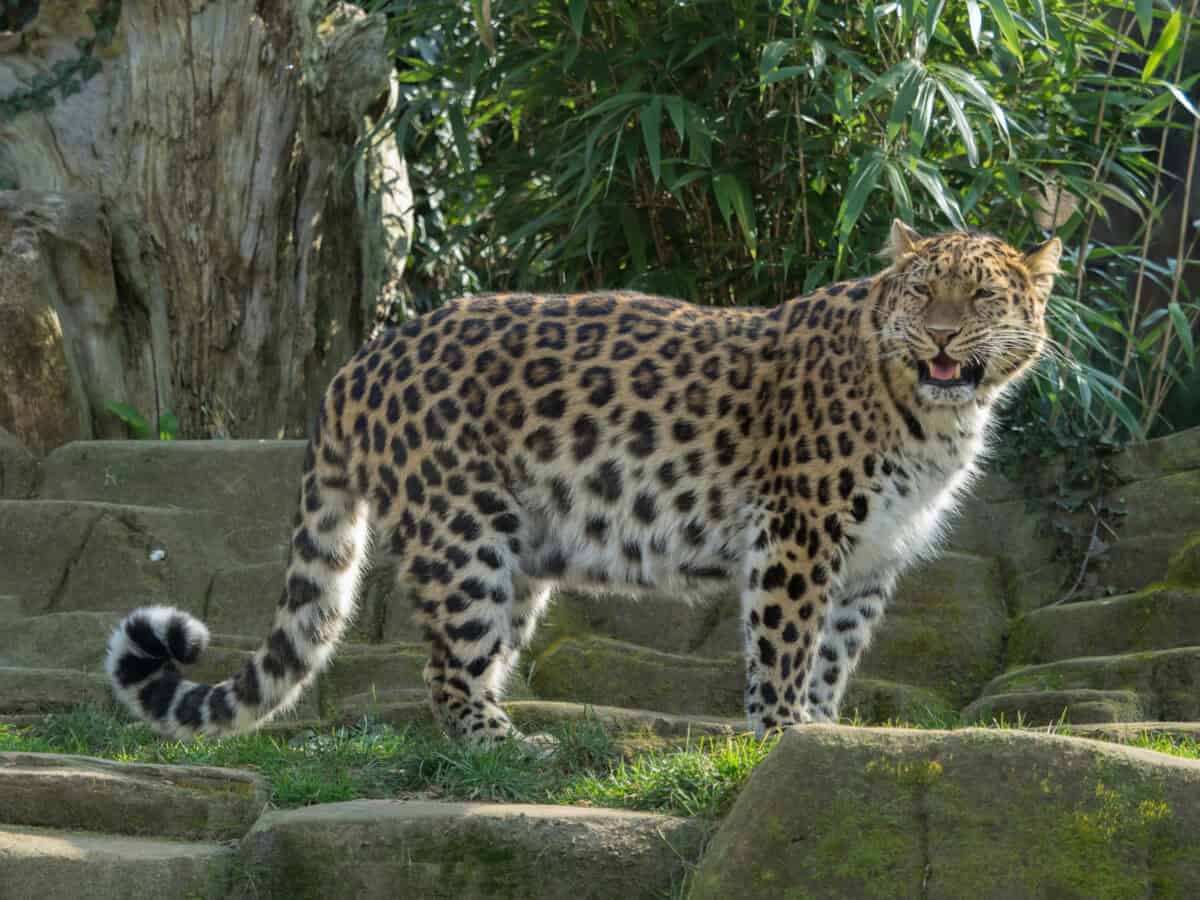
The underground trade in big cats is a lucrative but illegal enterprise facilitated by the lack of stringent laws. The demand for exotic pets fuels smuggling operations, often at the expense of animal welfare. Efforts to curb this trade face challenges due to fragmentary regulation and enforcement difficulties.
Raising Awareness and Advocacy

Raising awareness is pivotal in addressing these issues. Advocacy groups work to educate the public on the realities of big cat ownership and push for legislative reforms to protect the animals. Public engagement and support are integral to driving policy changes and promoting responsible practices.
The Role of Media and Celebrity Influence

Media portrayal and celebrity involvement have a powerful impact on the public’s perception of big cat ownership. Documentaries and campaigns have shed light on the darker side of this practice, spurring legislative conversations. Celebrities endorsing conservation efforts can significantly sway public opinion and foster change.
Looking to the Future: Toward Change

The future of big cat ownership in America lies in balancing human interests with animal welfare. Stricter regulations, supported by robust enforcement, are necessary to protect these animals. Conservation efforts must prioritize species preservation in the wild and discourage the commercialization of exotic pets. A collective effort from both the public and private sectors can pave the way towards a responsible and sustainable solution.
In conclusion, the underground world of big cat ownership in America is as complex as it is intriguing. While owning these magnificent creatures might fulfill human desires, it often comes at the expense of the animals’ well-being and safety. It is imperative to continue raising awareness, advocate for stronger laws, and promote ethical considerations to safeguard both the animals and the public.

- How Animals Predict Natural Disasters — Myth or Reality? - August 10, 2026
- The Woolly Mammoth Could Soon Walk Again—Thanks to Science - August 10, 2026
- How Bees Use Geometry to Build the Perfect Hive - August 10, 2026