
Picture this. You wake up tomorrow, and nearly half the birds that used to visit your backyard are gone. The forests feel emptier. The oceans, quieter. It sounds like science fiction, right? Here’s the thing though: for many species around the world, this isn’t some far-off nightmare anymore. It’s happening now, quietly unfolding while most of us scroll through our phones and go about our daily routines.
Scientists have a term for what might be underway. They call it the sixth mass extinction, and unlike the asteroid that wiped out the dinosaurs or the massive volcanic eruptions that reshaped ancient Earth, this one has a different culprit. Us. Humans are driving this potential crisis through activities like habitat destruction, climate change, and pollution, and the debate raging in scientific circles isn’t really whether we’re losing species at an alarming rate. That much is clear. The real question is far more unsettling: have we already crossed the threshold into a true mass extinction event, or are we just teetering on the edge?
What Actually Defines A Mass Extinction
Let’s be real here. Species go extinct all the time, and that’s actually normal. Evolution is a brutal game of winners and losers. Earth’s normal extinction rate is somewhere between 0.1 and 1 species per 10,000 species per 100 years, known as the background rate. Think of it as nature’s way of making room for new species to emerge.
Mass extinctions are defined as periods when at least 75% of species go extinct within a relatively short geological timeframe, typically less than 2.8 million years. It’s hard to wrap your head around that, honestly. We’re talking about three-quarters of all life forms vanishing. Earth has experienced five major mass extinction events in its history, at least since 500 million years ago. The most famous one killed the dinosaurs roughly 66 million years ago, though it wasn’t even the worst.
The Alarming Speed Of Modern Species Loss
Here’s where things get uncomfortable. We are currently losing species hundreds or thousands of times faster than normal background extinction rates. Read that again. Not twice as fast. Not ten times. Hundreds to thousands of times faster.
The total number of vertebrate species that went extinct in the last century would have taken between 800 to 10,000 years to disappear under normal background rates. Imagine compressing nearly ten millennia of natural loss into just one human lifetime. Around 1 million animal and plant species are now threatened with extinction, many within decades, according to major assessments. That’s not some distant future scenario. Many of us reading this could witness it.
The question scientists are grappling with is whether extinction rates alone define a mass extinction. Less than 0.1% of Earth’s known species have gone extinct in the last 500 years, far short of the 75% threshold. Some researchers argue we’re not there yet, that calling it a mass extinction now risks credibility. Others counter that we’re clearly in the early stages, and waiting for three-quarters of species to vanish before acting seems, well, insane.
Human Fingerprints Are Everywhere On This Crisis
Previous mass extinctions had dramatic causes. Asteroids. Volcanic super-eruptions. Radical climate shifts driven by geological forces. This time? The sixth mass extinction is driven by human activity, primarily the unsustainable use of land, water, and energy, and climate change. We’re the asteroid.
Currently, 40% of all land has been converted for food production. Think about that for a moment. Nearly half the planet’s land surface has been transformed to feed us. We’ve released pollutants into air, soil, fresh water, and oceans, and we’ve changed the atmosphere and climate itself. Honestly, it’s hard to think of a major ecosystem on Earth that humans haven’t fundamentally altered.
In fact, 99 percent of currently threatened species are at risk from human activities, primarily habitat loss, exotic species introductions, and global warming. The data is pretty damning. We’re not innocent bystanders in this unfolding drama.
The Scientific Debate Over Whether We’re Already There
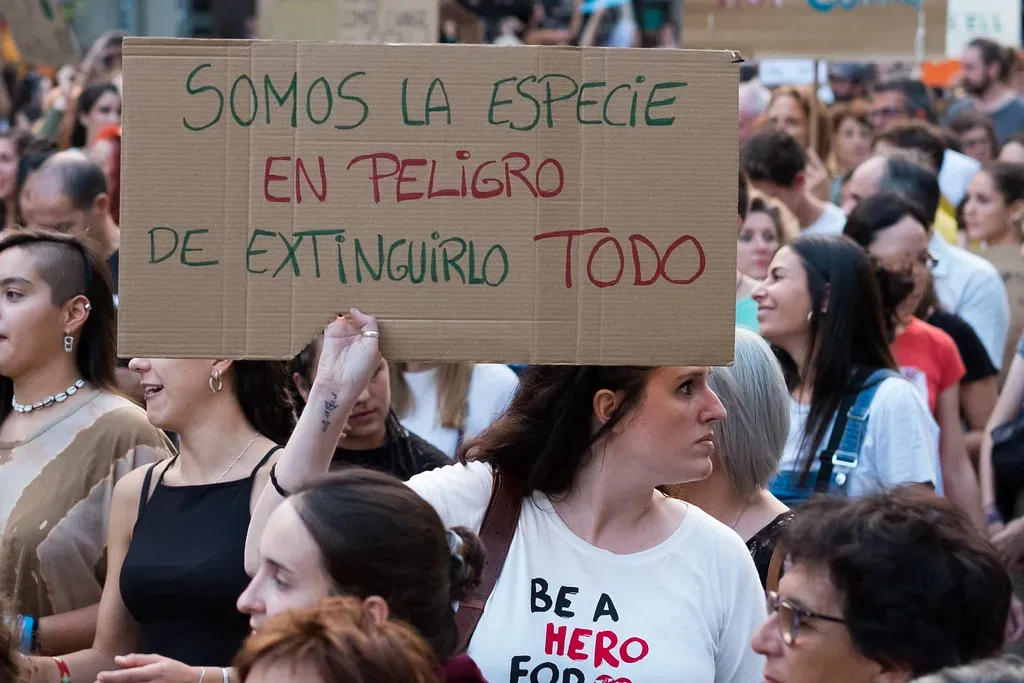
So are we in the sixth extinction or not? Scientists are legitimately divided on this. Many experts now believe we’re in the midst of a sixth mass extinction, pointing to rapidly accelerating loss rates and ecosystem collapse. They argue that waiting for the majority of species to vanish before acknowledging the crisis is like waiting for a house fire to consume the entire building before calling it a fire.
Yet there’s pushback. Some scientists argue that while catastrophic loss seems imminent, claiming a sixth mass extinction requires meeting the quantitative 75% species loss criterion, and no plausible scenarios for that level of loss have been proposed. They worry that overstating the crisis could backfire, making people feel hopeless or causing the public to dismiss conservation efforts as alarmist.
One scientist noted that the sixth mass extinction “is something that hasn’t happened yet – we are on the edge of it”. That edge, though? It’s getting narrower by the day. The window to change course is closing fast, and most researchers agree on that much at least.
What The Fossil Record Tells Us About Previous Extinctions
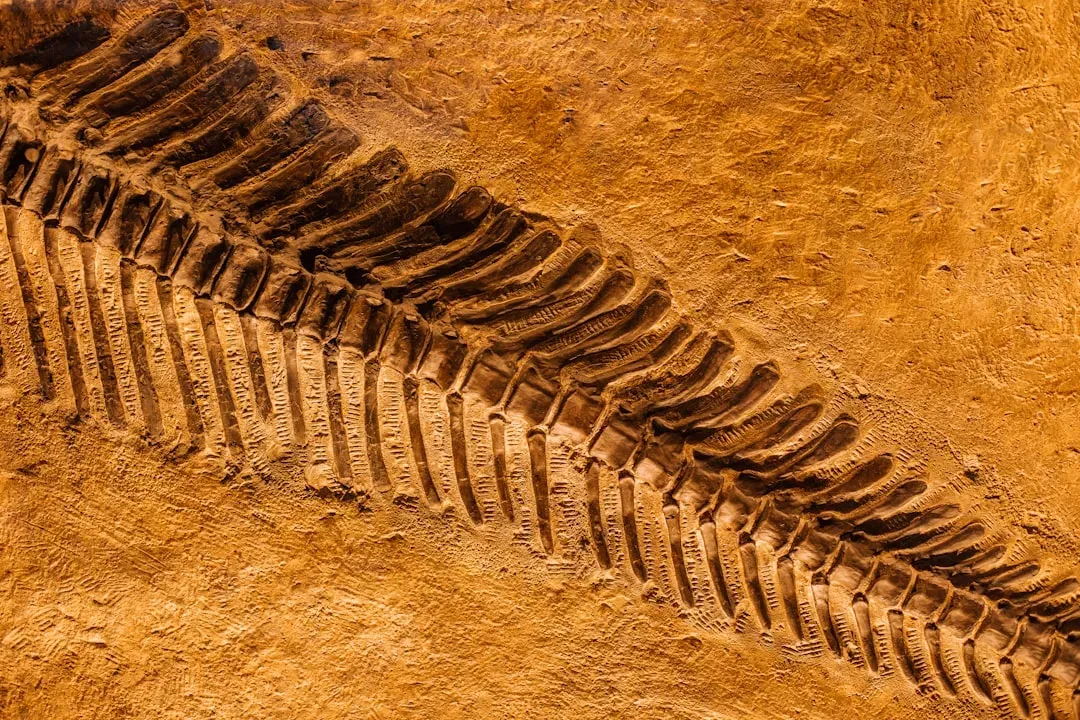
Looking back helps us understand what’s at stake. The Ordovician-Silurian extinction 443 million years ago wiped out approximately 85% of species, caused by plummeting temperatures, massive glaciation, and dramatic sea level drops, followed by rapid warming. Marine life got hammered.
The Permian-Triassic extinction 252 million years ago, called the “Great Dying,” wiped out at least 80 percent of marine invertebrates and approximately 70 percent of terrestrial vertebrates. It was the worst extinction event in Earth’s history. Then came the dinosaurs’ turn. The Cretaceous extinction 66 million years ago killed 78% of all species, most likely caused by an asteroid hitting Earth in what is now Mexico.
Here’s the kicker: After past mass extinctions, the living world took hundreds of thousands to millions of years to rediversify. Recovery isn’t quick. If we’re truly entering the sixth extinction, the damage we’re doing now will echo for longer than human civilization has even existed.
Can We Still Change The Trajectory
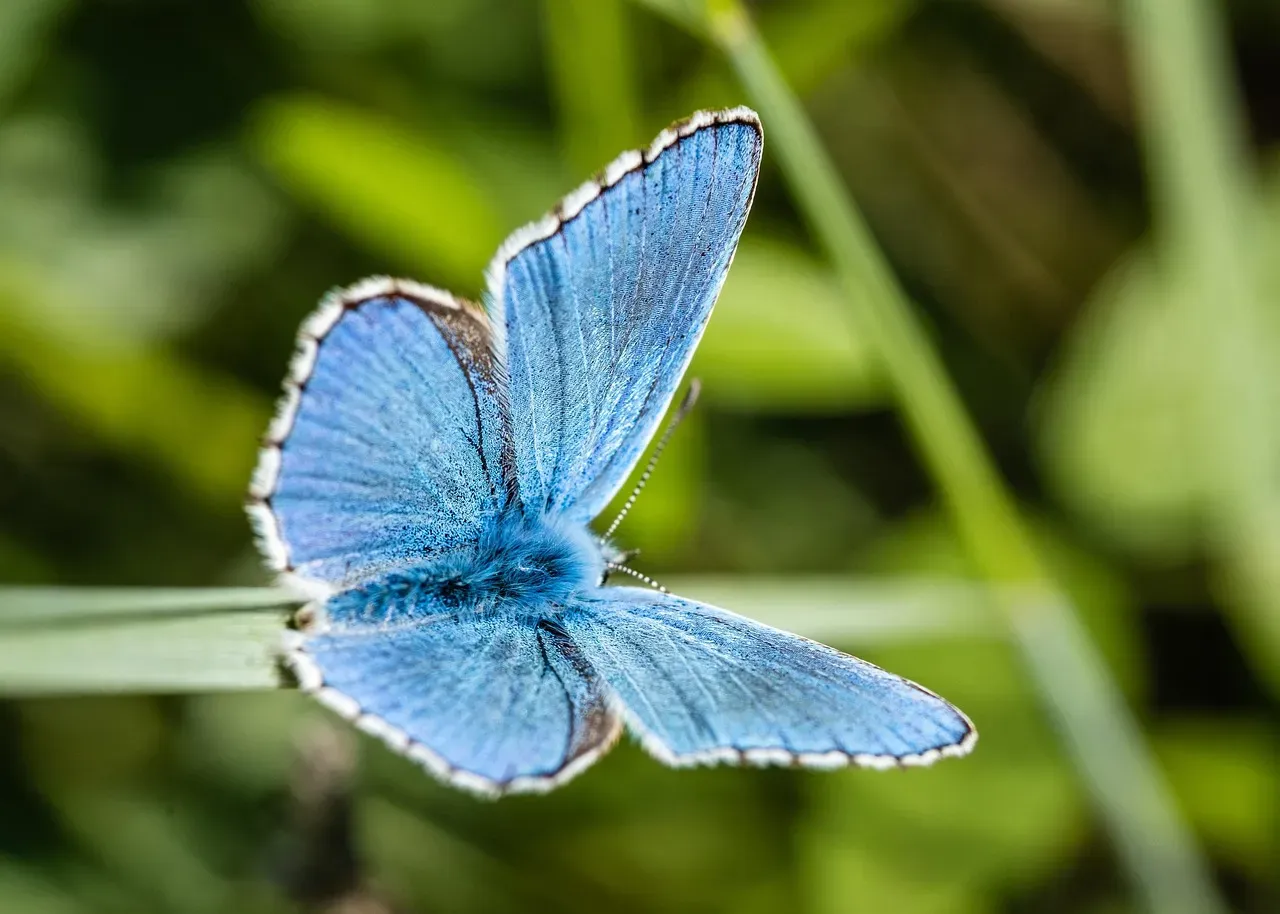
I know it sounds crazy, but there’s still room for hope. There are still opportunities to dampen our impact and protect many of Earth’s remaining species, though the time to act is shrinking. Avoiding a true sixth mass extinction will require rapid, greatly intensified efforts to conserve threatened species and alleviate pressures like habitat loss, overexploitation, and climate change, but the window of opportunity is rapidly closing.
Some practical steps are already on the table. Scientists have advocated for the global community to designate 30% of the planet by 2030, and 50% by 2050, as protected areas to mitigate the crisis. Conservation efforts for mammals and birds have shown that extinction rates can be slowed when we commit resources and political will.
The choices we make in the next few decades will determine which trajectory we follow. We’re at a crossroads, and honestly, it’s both terrifying and empowering. We caused this crisis, which means we have the power to address it. The question is whether we’ll act with the urgency the situation demands or continue as if we have all the time in the world. Spoiler alert: we don’t.
So, is Earth already in its sixth extinction? The jury is still out on whether we’ve officially crossed that threshold, but we’re undeniably in a biodiversity crisis unlike anything humanity has witnessed. What happens next depends entirely on us. What do you think about it? Are we doing enough, or is it time for a radical change in how we interact with the natural world?
