

You tell yourself he’s just old. Slower on the stairs, sleepier after lunch, a little gray around the muzzle – that’s just what happens, right? Every dog owner says it, and most of the time, they’re right.
But here’s the part nobody warns you about: the signs of “just getting old” and the signs of “quietly running out of time” look almost identical from the outside. Vets see it constantly – families who waited too long because slowing down and shutting down can wear the exact same face. The 17 differences below are the ones that actually separate the two, and by the end, you’ll never look at your senior dog’s naps, appetite, or bad days the same way again.
#1 – Is It Just Slowing Down… or Avoiding Pain?

🔥 Would you like to save this?
We'll email this post to you, so you can come back to it later!
A senior dog walking slower doesn’t automatically mean the end is near. Joints get stiff, muscles weaken, and normal wear-and-tear shows up as hesitation on stairs or shorter walks. Many older dogs simply pace themselves differently and still perk up for food, toys, or visitors. They may take longer to get moving in the morning but loosen up as the day goes on. That’s often “aging,” not “goodbye.”
But when slowness looks more like avoidance – refusing favorite activities, stopping mid-walk, or standing and staring like every step is a negotiation – that’s different. A dog who pauses at stairs, flinches when touched, or pants at rest might be dealing with serious pain, not personality change. Pain can mimic “calmness,” but it’s actually exhaustion. This is when an orthopedic exam, bloodwork, and pain management can literally add months to years of decent-quality life.
Fast Facts
- In dogs over seven years old, the incidence of OA can be as high as 80%. making joint pain far more common in seniors than most owners assume.
- Early detection of OA can be challenging, as dogs often mask their pain.
- Vet-guided pain management, weight control, and joint support can meaningfully extend a senior dog’s comfortable years.
#2 – Normal Senior Sleep vs. “Checking Out”

🔥 Would you like to save this?
We'll email this post to you, so you can come back to it later!
Older dogs absolutely sleep more. That’s normal. You’ll see longer naps, deeper sleep, and less interest in late-night chaos. Many seniors still wake easily, orient quickly, and happily join you when something interesting happens. If a dropped treat or jangling leash still gets a response, you’re likely seeing natural senior fatigue, not shutting down.
The red flag is when sleep turns into withdrawal. A dog that starts isolating in closets, hiding under beds, or ignoring their name might not just be “tired.” Sleeping through meals, not waking for visitors, or seeming confused when they do wake up can point to cognitive decline, serious illness, or a body that’s simply running out of reserves. People love to say, “He’s just old and sleepy,” but deeply withdrawn dogs are often in distress.
#3 – Gray Muzzle vs. “Something’s Really Wrong” Weight Loss

🔥 Would you like to save this?
We'll email this post to you, so you can come back to it later!
A gray muzzle and looser skin are classic, harmless signs of age. Muscle mass naturally dips a bit, especially over the hips and shoulders. As long as your dog’s weight is stable, ribs are still padded, and appetite is normal, this is usually just time doing its thing. Many healthy seniors carry a little extra softness without any crisis behind it.
What’s different – and worrying – is unplanned, steady weight loss, especially if you can suddenly feel bones that used to be cushioned. Visible spine, sharp hip bones, or a shrinking face can signal cancers, kidney disease, diabetes, gut problems, or advanced heart disease. Even if your dog “still eats fine,” a body that’s shedding weight is often a body that’s not using food properly anymore. Vets don’t consider unexplained weight loss “just aging” – they consider it a diagnostic alarm bell.
#4 – One Bad Day vs. A New, Low Baseline

🔥 Would you like to save this?
We'll email this post to you, so you can come back to it later!
Senior dogs have off days just like people. Maybe they overdid it at the park or had a rough night with fireworks. A dog having one slow day, then bouncing back to their usual self – eating, greeting, enjoying walks – isn’t necessarily nearing the end. You judge these days against their normal pattern and look for genuine recovery.
The real concern is when the “bad day” quietly becomes the new normal. If your dog’s “good” days are now just “barely okay,” that’s a shift in baseline, not random fluctuation. Constant struggle to get up, consistent disinterest in play, or needing help for everything suggests their usable energy is shrinking. When decline stops being occasional and becomes constant, you may be moving from “managing aging” into “deciding what suffering you’re willing to allow.”
#5 – Being Quieter vs. Losing Their Personality

🔥 Would you like to save this?
We'll email this post to you, so you can come back to it later!
Yes, lots of senior dogs mellow out. The wild puppy who once bounced off walls may genuinely prefer quiet cuddles and short sniff walks. A healthy mellow dog still shows a spark – tail wags, eye contact, greeting rituals, and moments of goofy joy. Their body slows, but their personality is still recognizable.
It’s different – and heartbreaking – when you look at your dog and think, “This isn’t really them anymore.” A dog who stops doing every single thing that once defined them – no more toy obsession, no interest in “their person,” no reaction to long-time triggers – may be moving beyond normal aging. Lack of interest in family, no tail wag, and a flat, distant expression can point toward significant pain, brain changes, or a body that’s shutting down. When the dog you know seems gone, even on their best days, it’s time for serious, uncomfortable conversations.
#6 – Stiff Mornings vs. “I Can’t Get Up Anymore”
🔥 Would you like to save this?
We'll email this post to you, so you can come back to it later!
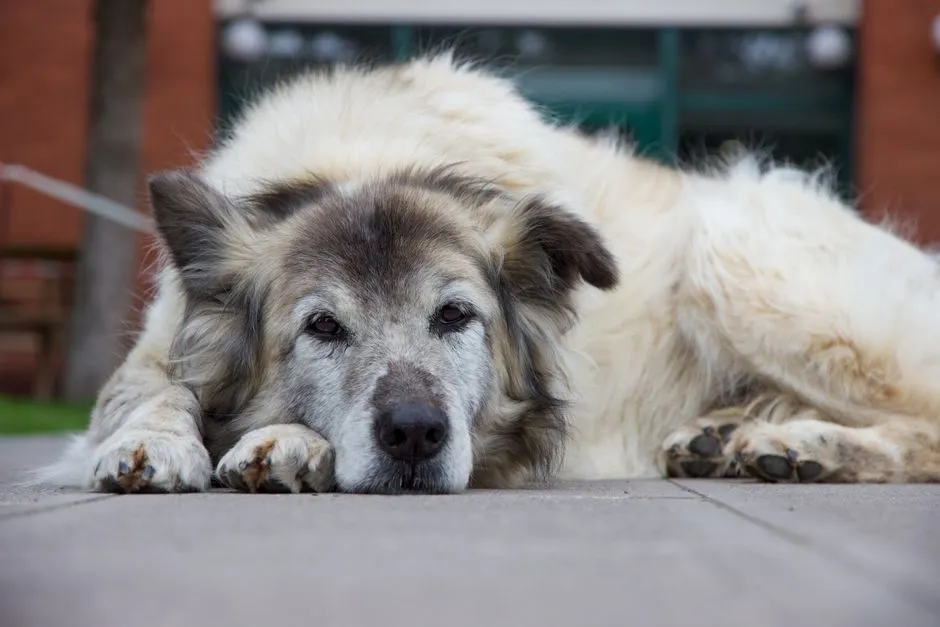
Mild stiffness getting up from bed or the couch is extremely common in older dogs. They may stretch, limp lightly for a few steps, then walk out of it. With joint supplements, weight control, and vet-approved meds, many arthritic dogs still enjoy a genuinely good life for years. They might avoid marathon hikes, but they’re content.
The line starts to shift when “a bit stiff” turns into full-on struggle. A dog needing to be lifted, dragging back legs, or collapsing when trying to stand is in a very different category. Slipping on floors, crying out when rising, or lying in their own urine because they can’t move isn’t “just arthritis” – it’s often unmanageable pain or advanced neurologic or orthopedic disease. When effort barely helps and daily function is degrading fast, you’re likely nearing quality-of-life limits, not just “getting old.”
#7 – Occasional Accidents vs. Loss of Dignity

🔥 Would you like to save this?
We'll email this post to you, so you can come back to it later!
A senior dog having the odd accident after a long car ride or a missed potty break isn’t necessarily a crisis. Bladders weaken, urgency increases, and sometimes they just don’t make it. If your dog is still trying to go outside, signaling when they can, and seems bothered by the occasional mistake, that can still be compatible with a reasonable quality of life.
Things change when bathroom trouble becomes constant and your dog doesn’t seem able to control it at all. Continuous dripping, large puddles while sleeping, or chronic diarrhea they can’t outrun can turn daily life into humiliation and discomfort. Skin burns from urine, infections, or constant cleaning are not minor inconveniences – they’re signs your dog’s body is failing to manage a basic function. Some families are fine managing diapers, pads, and medications long-term. Others see this as a line of dignity. Neither is “wrong” – but pretending it’s nothing is.
#8 – Being a Little Clingy vs. Anxious and Panicked

🔥 Would you like to save this?
We'll email this post to you, so you can come back to it later!
Older dogs often become sweeter shadows, following you from room to room. That gentle clinginess – more cuddles, wanting to be nearby, resting at your feet – is usually a comfort-seeking behavior, not a red flag. Many owners secretly love this “velcro dog” phase, and in healthy seniors, it’s perfectly normal.
Concerning clinginess looks more like panic, not affection. A dog that cries when you leave the room, paces relentlessly, can’t settle, or wakes you all night with restlessness may be dealing with pain, cognitive dysfunction, or end-stage anxiety. Some begin to howl, bark at nothing, or seem terrified in their own home. There comes a point where a dog is spending more time distressed than calm. That’s not just “needy” – it’s suffering, and it’s mentally exhausting for the dog in ways we often underestimate.
#9 – “Old Dog Brain Fog” vs. True Cognitive Decline

🔥 Would you like to save this?
We'll email this post to you, so you can come back to it later!
A little forgetfulness in seniors is common. Maybe they pause in a doorway or occasionally walk into the wrong room before correcting themselves. If they still know their people, routines, and basic commands, and can reorient easily, you’re likely seeing mild, manageable aging.
Cognitive dysfunction is different. Dogs may stare at walls, get lost in corners, forget how to get out of a room, or wander aimlessly for long stretches. Nighttime agitation, reversed sleep-wake cycles, and seeming not to recognize familiar people are serious signs. Standing outside and forgetting to come back in, or staring at their food bowl but not eating, can mean the brain is failing in ways that feel terrifying from the inside. When confusion dominates your dog’s days and nights, you’re no longer just dealing with “a bit of senior fog.”
At a Glance
- The acronym DISHAA has been … Disorientation, alterations in social Interactions, changes in Sleep-wake cycles, loss of House training and other learned behaviors, altered Activity levels, and increased Anxiety.
- cognitive decline in dogs can begin as early as 6 to 8 years of age, even though it was traditionally considered a concern starting around age 11.
- Canine cognitive dysfunction (CCD) is a neurodegenerative disease similar to Alzheimer’s disease (AD) likely to affect 14% to 35% of dogs over the age of eight years.
#10 – Picky Eating vs. Quietly Giving Up Food

🔥 Would you like to save this?
We'll email this post to you, so you can come back to it later!
Plenty of old dogs become fussy eaters. Dental issues, reduced smell, boredom with the same kibble – these can all make a dog slow down at meals. If you can tempt them with warmed food, toppers, or softer textures, and they still show clear interest, it’s inconvenient but not necessarily ominous.
It’s much more serious when food no longer matters at all. A dog turning away from once-beloved treats, refusing even hand-fed favorites, or walking away from multiple meal attempts is telling you something bigger. Persistent appetite loss – especially with weight loss, vomiting, or diarrhea – often points to organ failure, cancer, or severe pain. When even appetite stimulants and supportive care stop working, you’re watching a body that doesn’t want to fuel itself anymore. That’s a marker many vets quietly use when talking about end-of-life decisions.
#11 – Slowing on Walks vs. Refusing to Go at All

🔥 Would you like to save this?
We'll email this post to you, so you can come back to it later!
Healthy senior dogs often prefer shorter, slower walks with more sniffing and less sprinting. They might lag behind a bit, choose softer ground, or stop to rest more. As long as they still want to go, bright-eyed at the sight of the leash, that interest in the world is a strong positive sign.
Watch for the moment when they go from “slow” to “no.” A dog who once loved walks but now hides, shakes, or refuses to move when the leash appears is showing more than laziness. If they start stopping and planting themselves, or lying down mid-walk as if they’re done, you may be dealing with pain, heart or lung problems, or sheer exhaustion. The will to explore is deeply wired in most dogs – when that disappears, something is profoundly wrong.
#12 – Normal Aging Smells vs. “Something Is Dying” Odors

🔥 Would you like to save this?
We'll email this post to you, so you can come back to it later!
Senior dogs develop stronger smells. Mild doggy odor, a bit of yeast in the ears, or a whiff of old-dog breath is common and often fixable with basic care. As long as you’re not smelling them from across the room and regular grooming helps, it’s usually just maintenance.
Disturbing odors are different. Rotten, metallic, or sickly-sweet smells from the mouth, oozing skin, or infected tumors can signal advanced disease. Dogs with kidney failure sometimes have ammonia-like breath, while severe dental disease can flood the mouth with infection. Open, ulcerated masses can smell genuinely necrotic, like something decomposing. Ignoring these scents because “he’s just old” is a mistake that robs dogs of relief they could still get.
#13 – Mild Grumpiness vs. Pain-Driven Behavior Changes

🔥 Would you like to save this?
We'll email this post to you, so you can come back to it later!
Older dogs can get a bit grumpy. Maybe they growl softly when a puppy jumps on them or move away when kids get too rough. Setting boundaries is normal and actually healthy. If they calm quickly, redirect easily, and otherwise act like themselves, you’re likely seeing a senior dog protecting their comfort.
A personality flip, though, is huge. If your once-gentle dog starts snapping when touched, growling when you help them stand, or avoiding all contact, that often screams pain, not “bad attitude.” Sudden aggression, extreme touch sensitivity, or hiding to avoid interaction may mean arthritis, spinal issues, abdominal pain, or even neurological problems are tormenting them. Pretending it’s just “old and crabby” is one of the kindest lies we tell ourselves, and one of the cruelest to them.
#14 – Manageable Medical Conditions vs. Cascading Failures
🔥 Would you like to save this?
We'll email this post to you, so you can come back to it later!
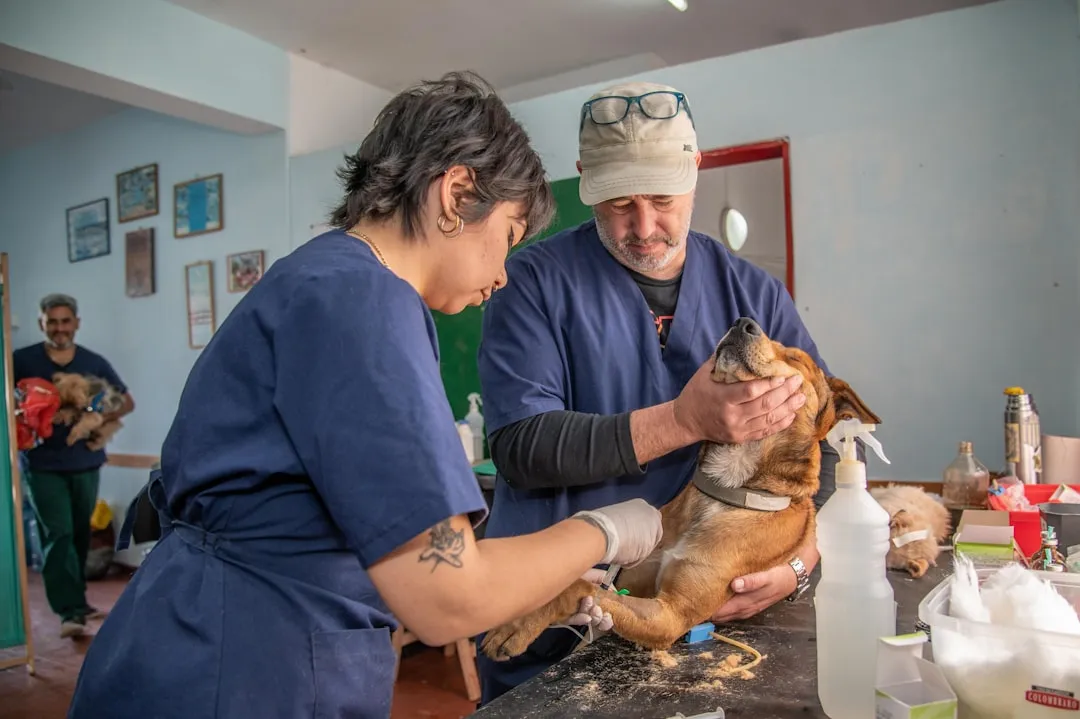
Many seniors live well with one or two chronic conditions: a controlled heart murmur, managed arthritis, maybe early kidney changes. With meds, diet, and monitoring, these dogs can still chase balls, go on trips, and enjoy life. A stable chronic illness is not automatically a death sentence.
The moment things get complicated is when problems start stacking. Heart disease plus kidney failure plus severe arthritis plus cognitive decline isn’t just “a lot to manage” – it can become a web of competing needs, where one medication helps one organ but hurts another. Vets call this “medical complexity,” and it can quietly transform caregiving into constant firefighting. When your dog is in and out of the ER, constantly adjusting meds, and never really stable, you may be prolonging time but not necessarily good time.
#15 – Brief Bad Pain vs. Unrelenting Discomfort
🔥 Would you like to save this?
We'll email this post to you, so you can come back to it later!
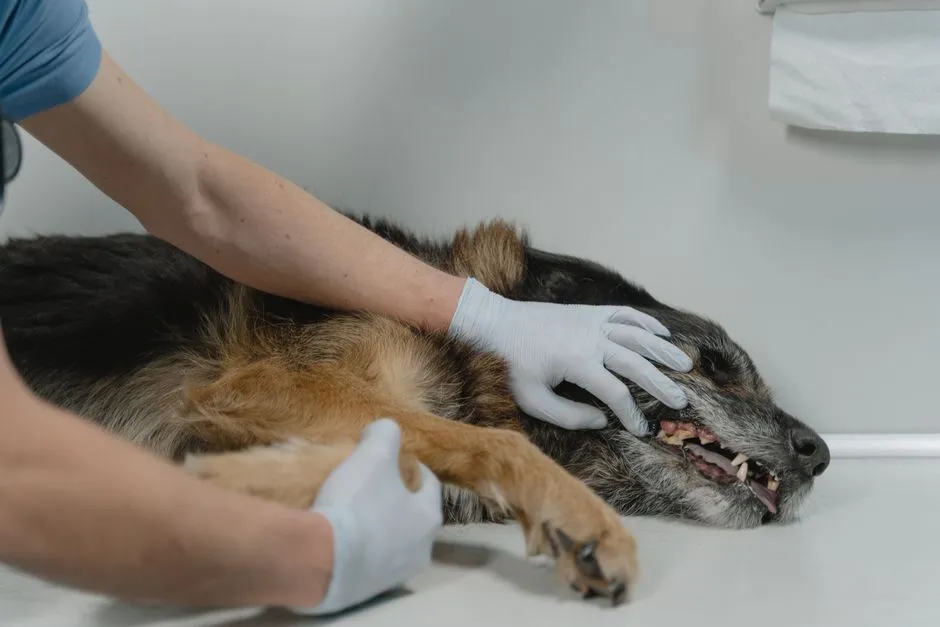
Even healthy dogs have painful moments – a strained muscle, a bee sting, a minor injury. If pain is short-lived, clearly triggered, and responsive to treatment, it doesn’t define their life. The key is that your dog returns to an obviously comfortable baseline where they can sleep, move, and enjoy things again.
End-of-life pain is different: it becomes the background of everything. If your dog pants at rest, trembles, cries out randomly, or can’t find a position that doesn’t hurt, that’s not occasional discomfort – that’s their daily reality. Needing maximum pain meds around the clock and still being uneasy, restless, or guarded tells you the body is no longer able to live without suffering. This is where many vets quietly say, “We’re running out of tools,” and holding on in this stage is often more about our fear of loss than their chance at comfort.
Worth Knowing
- Many veterinarians lean on a simple framework, often called the HHHHHMM scale, to help families weigh a senior dog’s quality of life.
- This list of letters stands for Hurt, Hunger, Hydration, Hygiene, Happiness, Mobility, and More good days than bad.
- A score above 5 in each category, or an overall score greater than 35, suggests that the dog’s quality of life is acceptable and that it is reasonable to continue end-of-life care and support.
#16 – Short, Treatable Crashes vs. “We Can Stabilize… But Not Fix”

🔥 Would you like to save this?
We'll email this post to you, so you can come back to it later!
Many senior dogs scare us with a health crash – vomiting episode, collapse, sudden weakness – and then bounce back with treatment. If your dog returns to close to their old self after fluids, meds, or a short hospital stay, you’re likely dealing with a setback, not a final chapter.
The story changes when every crisis ends with, “We can stabilize… for now.” Repeated hospitalizations, transfusions, oxygen cages – where your dog returns home weaker each time – are a major sign the body is only surviving with constant intervention. If your dog leaves the clinic fragile, spends days recovering, and then crashes again, you’re in a loop where medicine can delay, but not restore. At some point, “There’s more we can do” stops meaning “There’s more we can meaningfully give your dog.”
#17 – Still Having “Good Days” vs. Almost None Left

🔥 Would you like to save this?
We'll email this post to you, so you can come back to it later!
This is the difference that matters most. A slowing senior who still has genuinely good days – tail wags, enjoyment of food, interest in you, comfort at rest – is probably not at the true end yet. They may be fragile and limited, but they’re still experiencing pleasure. If good days clearly outnumber bad, most vets feel comfortable focusing on comfort care and time.
When you start counting and realize the opposite – bad days are stacking, good moments are rare, and you’re clinging to 10 minutes of “okay” in a 24-hour day of misery – you’re no longer arguing about aging. You’re arguing about suffering. Many experts quietly say: if you’re wondering every day whether it’s time, it’s usually not too early; it’s often already a little late. Most loving owners wait longer than they wish they had.
Some people believe holding on and hanging tough are signs of great strength. But there are times when it takes much more strength to know when to let go and then do it.
Ann Landers
The Bottom Line
🔥 Would you like to save this?
We'll email this post to you, so you can come back to it later!
Senior dogs absolutely slow down – that alone is not them “saying goodbye.” The real difference lies in patterns: stable vs. spiraling, discomfort vs. relentless pain, quirks vs. personality disappearance, occasional off days vs. a life dominated by struggle.
The most honest test isn’t whether you can keep them alive; it’s whether they still have more good days than bad, more comfort than coping, more joy than just enduring.
Here’s the opinion most people don’t want to hear: waiting for a “perfectly clear” sign often means you’ll pass it. Choosing a peaceful goodbye a little early is almost always kinder than holding on a little too long. Do you think we’re too conservative – or not conservative enough – about when to let go? Say what you really think in the comments.

- 7 Everyday Habits That Can Make Your Senior Dog Happier - November 5, 2026
- 10 Enigmatic Structures That Continue to Puzzle Scientists Today - November 5, 2026
- 10 Strange Ruins in the Americas That Challenge What We Know About Early History - November 5, 2026