

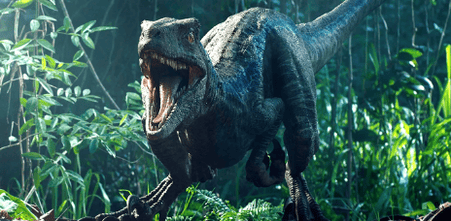
When Jurassic Park roared into theaters in 1993, it revolutionized how the public viewed dinosaurs. Steven Spielberg’s groundbreaking film introduced audiences to seemingly lifelike prehistoric creatures that captured the imagination of millions worldwide. Based on Michael Crichton’s novel, the franchise presented itself as grounded in scientific possibility—the idea that dinosaurs could be recreated from DNA preserved in amber-trapped mosquitoes.
However, paleontologists quickly noted numerous scientific inaccuracies in the portrayal of these ancient animals. While the film significantly advanced public interest in paleontology, it also cemented several misconceptions about dinosaurs that persist to this day. The science of paleontology has evolved dramatically since the early 1990s, with new discoveries continually reshaping our understanding of these fascinating creatures. Let’s examine some of the most glaring inaccuracies in the franchise’s dinosaur portrayals and compare them with current scientific understanding.
Velociraptor: Size and Feather Problems
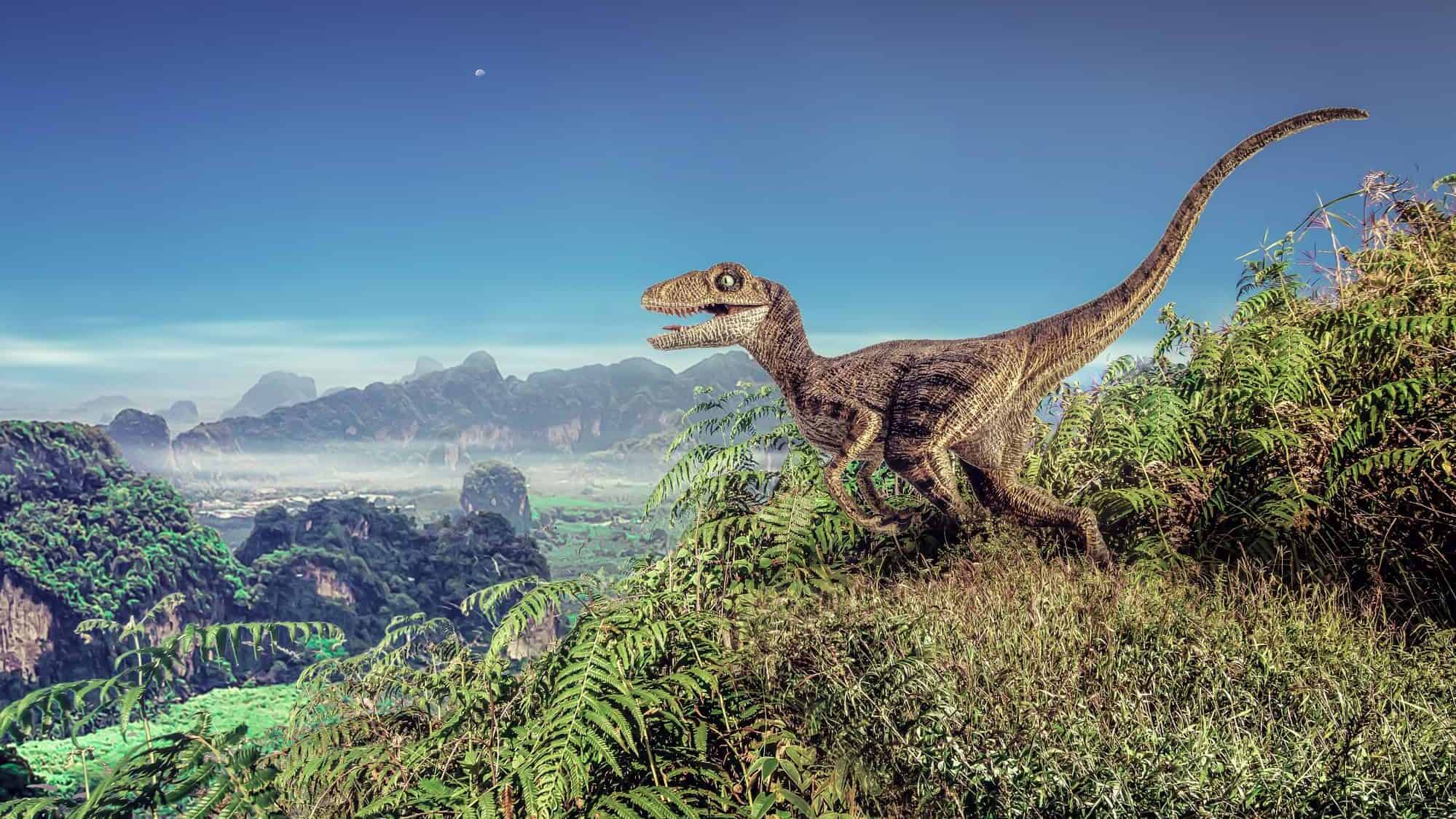
Perhaps the most iconic inaccuracy in the Jurassic Park franchise is its portrayal of Velociraptors. The film’s raptors stand about 6 feet tall and measure around 9 feet long—dramatically larger than the actual Velociraptor, which was roughly the size of a turkey (about 2 feet tall and 6 feet long including its tail). What audiences see on screen more closely resembles Deinonychus or Utahraptor, but even these comparisons aren’t perfect. Filmmakers reportedly chose to call them Velociraptors because the name sounded more dramatic.
Even more significantly, the franchise completely omitted feathers from its raptors. By the time of Jurassic World (2015), paleontologists had overwhelming evidence that Velociraptors and related dromaeosaurs were covered in feathers. Despite acknowledgment of this fact within the film’s narrative (Dr. Wu mentions that without genetic modification, the dinosaurs would look different), the franchise chose to maintain consistency with earlier films rather than scientific accuracy. This artistic decision helped maintain the reptilian aesthetic that audiences recognized but perpetuated an outdated image of these dinosaurs.
Dilophosaurus: Frills, Venom, and Size
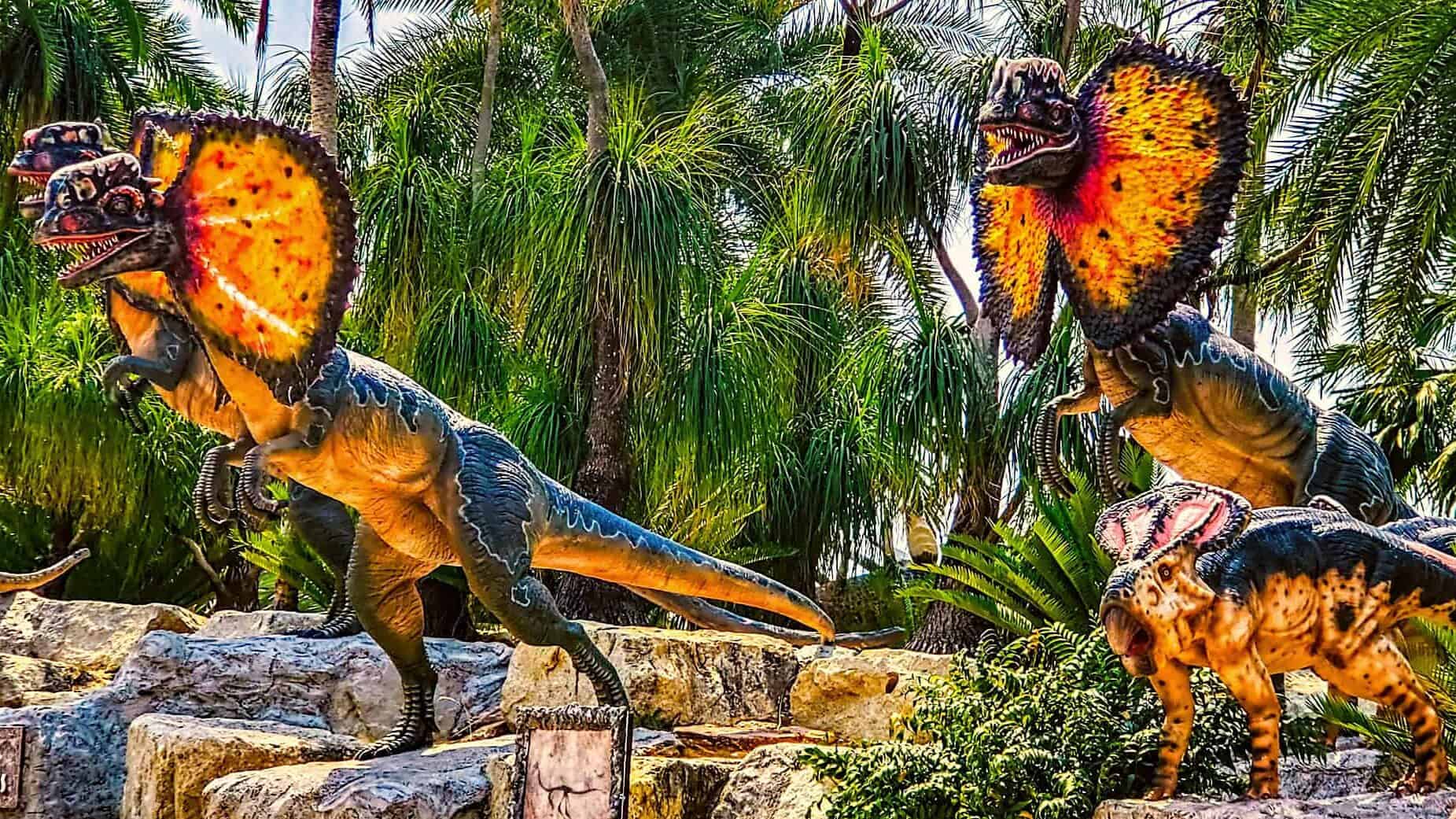
The Dilophosaurus in Jurassic Park bears little resemblance to its real-life counterpart. The film portrays it as a small dinosaur with a colorful extendable frill around its neck and the ability to spit venom—both features completely invented for the movie with no basis in fossil evidence. The real Dilophosaurus was actually much larger than shown in the film, reaching approximately 20 feet in length and standing about 6 feet tall at the hip, making it one of the largest predators of the Early Jurassic period.
No evidence suggests Dilophosaurus had a neck frill or venom-spitting capabilities. These dramatic additions were creative liberties taken by filmmakers to make the dinosaur more menacing and memorable. Interestingly, the smaller size in the film was allegedly due to practical filming considerations rather than scientific reasons. While these fictional features created a memorable cinema moment, they’ve unfortunately led to widespread misconceptions about this dinosaur that paleontologists still work to correct today.
Tyrannosaurus Rex: Vision and Speed
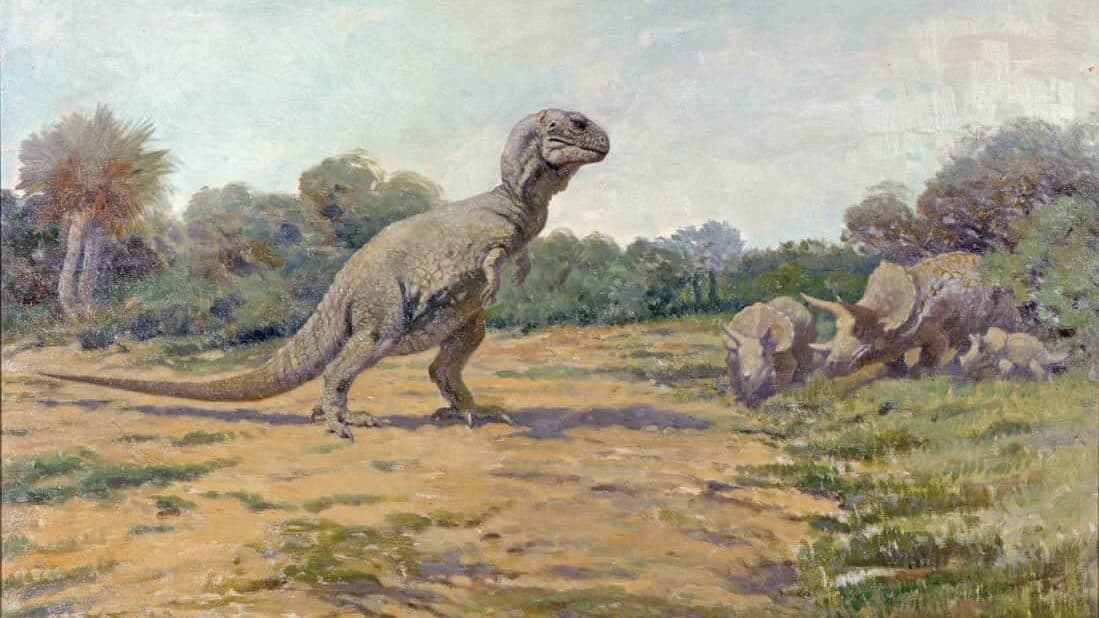
The Tyrannosaurus rex is perhaps the most recognizable dinosaur in the franchise, but its portrayal includes several significant inaccuracies. One of the most memorable moments in the original film occurs when Dr. Alan Grant explains that T. rex’s “vision is based on movement,” suggesting it cannot see stationary objects. This dramatic plot device has no basis in science—in fact, studies of T. rex’s brain cavity and eye sockets indicate it likely had excellent vision, possibly even better than modern hawks and eagles.
Another misconception involves the T. rex’s speed. While the films show it pursuing vehicles at high speeds, paleontological evidence suggests adult T. rex probably couldn’t run faster than 12-25 mph. Its massive size (weighing up to 9 tons) would have made rapid running biomechanically challenging and potentially dangerous. The infamous scene of T. rex keeping pace with a jeep moving at 40-50 mph would have been impossible in reality. Despite these inaccuracies, the franchise did correctly portray some aspects of T. rex, such as its incredibly powerful bite force and its imposing presence as an apex predator.
Pteranodon: Anatomy and Behavior
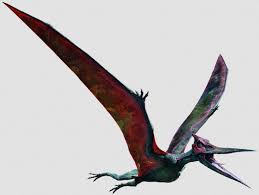
The Pteranodons in Jurassic Park III and subsequent films contain numerous inaccuracies. The film portrays them as capable of picking up and carrying humans with their feet, but real Pteranodons had weak feet adapted for gripping perches, not for grasping prey. They were primarily fish-eaters, using their long toothless beaks to scoop fish from water, not to attack large prey. Additionally, the film depicts them with teeth in some scenes, despite their name literally meaning “wing without tooth.”
The movie Pteranodons are also significantly oversized compared to their real counterparts. While impressive with wingspans reaching up to 20-33 feet, they weighed only about 35-50 pounds due to their hollow bones and lightweight structure—making them physically incapable of lifting an adult human. The aggressive, predatory behavior shown in the films is also highly speculative and unlikely based on fossil evidence. These flying reptiles (which were not dinosaurs but pterosaurs) were likely more similar to modern seabirds in behavior than the movie monsters they’re portrayed as.
Spinosaurus: Posture and Aquatic Abilities
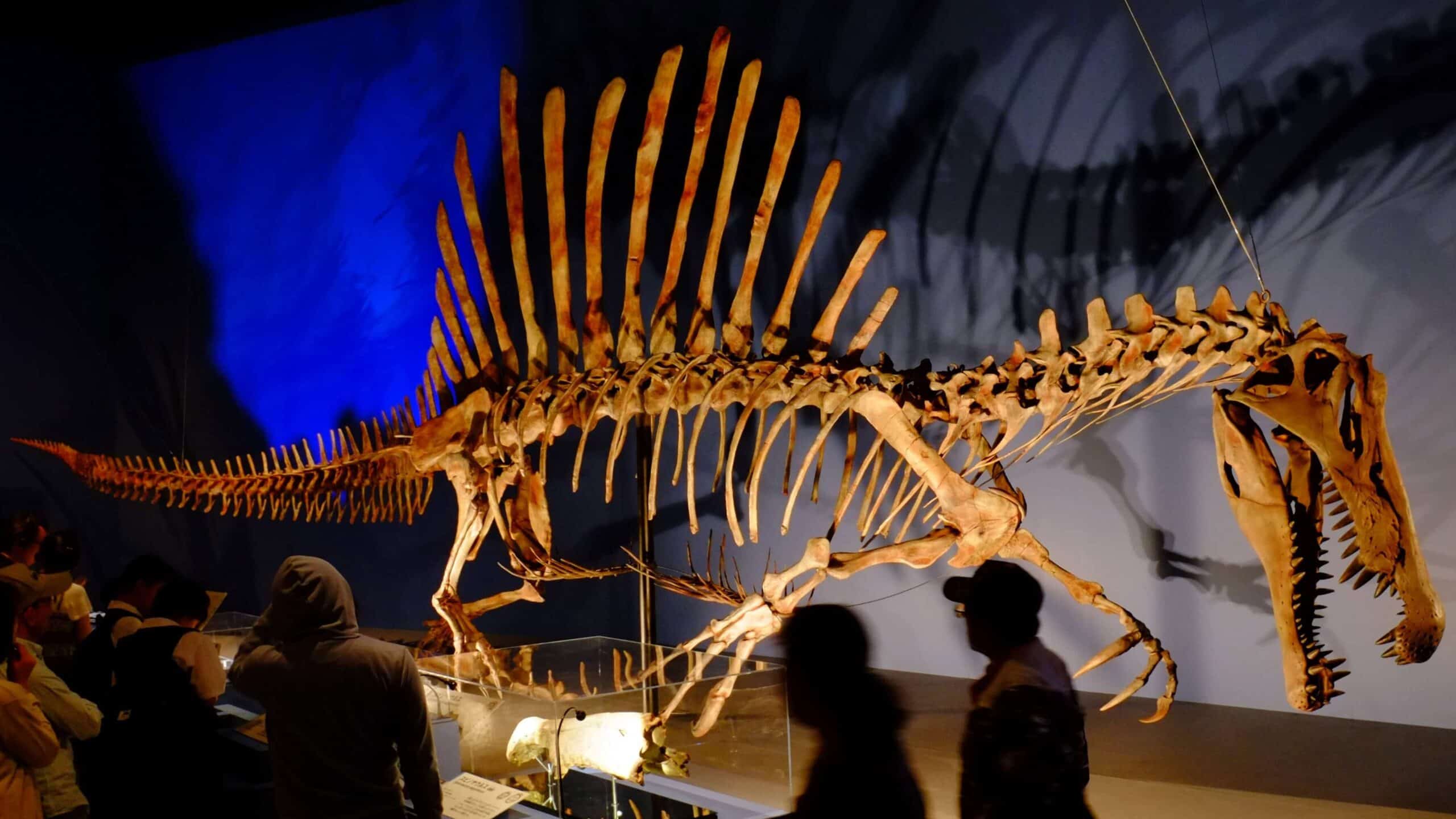
The Spinosaurus from Jurassic Park III became an instant fan favorite when it defeated a T. rex in combat. However, its portrayal was based on incomplete fossil evidence available at the time and has since been proven highly inaccurate. Recent discoveries suggest Spinosaurus had shorter hind limbs than previously thought and may have been primarily aquatic—potentially the first known semi-aquatic dinosaur. The film portrays it as a competent biped, similar to other large theropods, but newer evidence suggests it may have been better adapted for swimming or a quadrupedal gait on land.
The iconic sail on its back, while accurately included, is portrayed with speculative appearance and function. Scientists now believe this sail may have been more rounded or hump-like than the straight sail shown in the films. Additionally, the film’s depiction of Spinosaurus as a super-predator capable of defeating a T. rex is highly questionable. While Spinosaurus was indeed larger than T. rex, its jaw and teeth were adapted for catching fish, not for the bone-crushing battles depicted on screen. The dramatic showdown may have made for exciting cinema, but it represents one of the franchise’s most scientifically dubious moments.
Gallimimus: Appearance and Diet
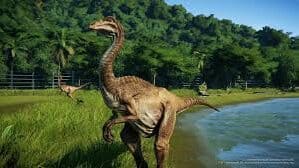
The Gallimimus featured in the original Jurassic Park film’s memorable “flocking” scene were depicted as completely scaly, ostrich-like animals. However, paleontological evidence strongly suggests these ornithomimid dinosaurs were covered in feathers, particularly on their arms and tails. The film’s portrayal reinforced the outdated image of dinosaurs as exclusively scaly creatures, missing an opportunity to showcase the diversity of dinosaur coverings that science was beginning to understand even in the early 1990s.
Additionally, the film portrays Gallimimus as pure carnivores when Dr. Grant compares them to “a flock of birds escaping a predator.” While they certainly may have fled from predators, modern scientific consensus suggests Gallimimus and related ornithomimids were omnivores or herbivores. Their toothless beaks and weakly muscled jaws were likely better suited for stripping leaves or catching small prey like insects, not for the purely predatory lifestyle suggested in the film. Despite these inaccuracies, the scene effectively conveyed the idea that some dinosaurs exhibited bird-like flocking behaviors, which is supported by fossil evidence of group living among certain dinosaur species.
Stegosaurus: Brain Size and Tail Function
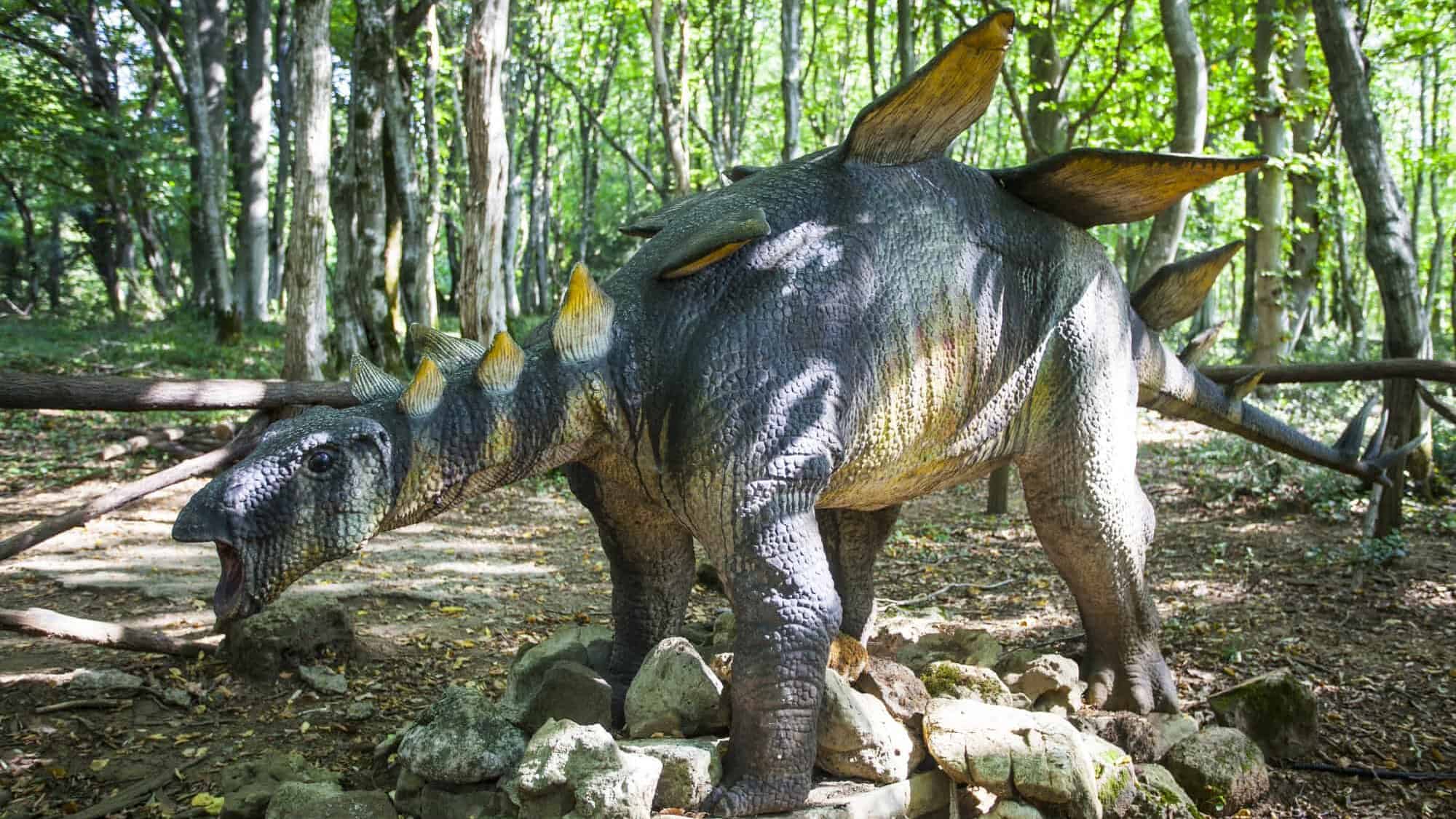
The Stegosaurus makes its first major appearance in The Lost World: Jurassic Park, where it’s portrayed as an aggressive animal that attacks when it perceives a threat to its young. While the protective parental behavior is plausible, the film perpetuates the myth that Stegosaurus had a “brain the size of a walnut,” suggesting extremely limited intelligence. This common misconception originated from early studies that misinterpreted the dinosaur’s neural anatomy. While Stegosaurus did have a relatively small brain for its body size, it wasn’t as tiny as popularly believed, and the so-called “second brain” in its hip region was actually an enlargement of the spinal cord that helped control its back legs and tail.
The film correctly shows the iconic back plates and tail spikes (called thagomizers) but offers little insight into their actual functions. Modern paleontology suggests the plates were primarily for display and possibly thermoregulation rather than defense. The four tail spikes were indeed defensive weapons, but the film misses an opportunity to showcase how they would have been used with precision rather than random thrashing. Evidence from fossil injuries on predators suggests Stegosaurus could aim its tail with considerable accuracy—a fascinating capability the films never explore.
Brachiosaurus: Posture and Breathing
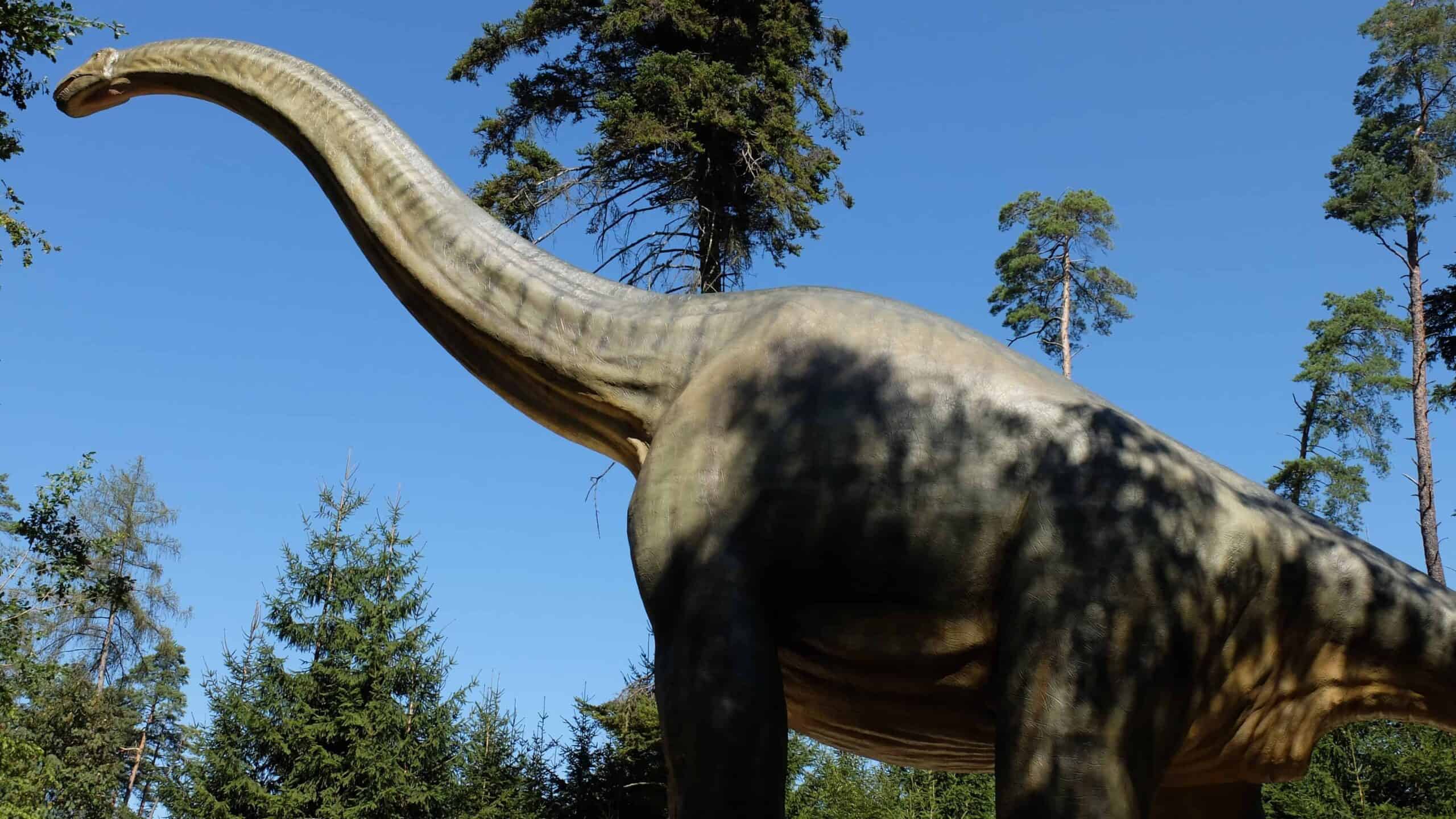
The majestic Brachiosaurus that welcomes visitors to Jurassic Park in the original film creates one of cinema’s most awe-inspiring dinosaur moments. However, its portrayal includes several anatomical inaccuracies. The film shows Brachiosaurus regularly rearing up on its hind legs to reach high vegetation, a behavior that would have been extremely difficult and risky for such a massive animal. While not impossible, paleontologists consider such behavior unlikely as a regular feeding strategy due to the immense stress it would place on the animal’s cardiovascular system and skeleton.
Another notable inaccuracy involves the Brachiosaurus’s nostrils, which are placed at the top of its head in the film. Fossil evidence indicates its nostrils were actually located on the sides of its snout, not on top. The film also portrays these sauropods producing whale-like calls, which is purely speculative since vocal structures don’t fossilize. More recent scientific estimates suggest sauropods might have produced low-frequency sounds similar to elephants or crocodilians. Despite these inaccuracies, the film correctly conveyed the immense size and graceful nature of these massive herbivores, helping audiences appreciate the true scale of these magnificent creatures.
Mosasaurus: Size and Behavior

The Mosasaurus featured prominently in Jurassic World is dramatically oversized compared to actual fossil evidence. Real Mosasaurus maximus reached impressive lengths of up to 50 feet, but the film version appears to be at least 2-3 times larger—capable of consuming an entire great white shark in one bite and later leaping out of water to catch a pterosaur, similar to a modern orca. This extreme size exaggeration was likely done for dramatic effect but creates a highly inaccurate impression of these already impressive marine reptiles.
Beyond its size, the film’s portrayal of Mosasaurus behavior is largely speculative. While they were indeed apex predators of Late Cretaceous seas, the spectacular leaping behavior shown in the film would have been physically challenging for an animal of even the realistic size of Mosasaurus. Additionally, the film depicts the animal with a flat tail fin similar to fish or ichthyosaurs, but fossil evidence indicates mosasaurs had a downward-pointing tail fin more similar to some modern monitor lizards. The Mosasaurus sequences undoubtedly provide some of the franchise’s most spectacular moments, but they sacrifice scientific accuracy for cinematic spectacle.
Pachycephalosaurus: Battering Ram Behavior
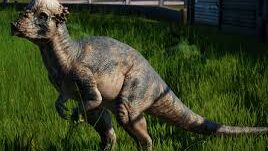
The dome-headed Pachycephalosaurus makes a memorable appearance in The Lost World: Jurassic Park, where it’s portrayed as using its thick skull dome as a battering ram, violently charging and head-butting both objects and humans. For many years, this was indeed the prevailing hypothesis about how these dinosaurs used their distinctive head domes. However, more recent studies examining the neck structure and dome composition of pachycephalosaurs have cast serious doubt on this behavior.
Modern paleontological research suggests that direct, high-speed head-butting would have caused brain damage even with the thick skull dome. Instead, these dinosaurs likely engaged in flank-butting contests (hitting each other’s sides) or used their domes primarily for display and species recognition rather than as weapons. Some studies indicate the dome structure wasn’t optimized for absorbing the kinds of impacts shown in the film. While the movie’s portrayal was consistent with scientific hypotheses of its time, it represents another case where advancing paleontological knowledge has moved beyond the franchise’s depictions.
Compsognathus: Pack Hunting and Size
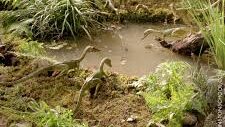
The tiny Compsognathus (affectionately called “compys” in the films) are portrayed as vicious pack hunters that swarm and overwhelm larger prey, including humans. While small theropods may have hunted in groups, the extreme coordination and piranha-like swarming behavior shown in the films—particularly in The Lost World: Jurassic Park—is highly speculative and likely exaggerated. Real Compsognathus fossils suggest they were primarily solitary hunters of small prey like lizards, insects, and small mammals, not organized pack hunters capable of taking down animals many times their size.
The films also slightly exaggerate their size, showing them approximately the size of chickens, whereas fossil evidence indicates they were closer in size to modern lizards—about 1-2 feet long including the tail and weighing only a couple of pounds. The portrayal of their venom as paralytic and eventually lethal is another complete fabrication with no basis in paleontological evidence. No known non-avian dinosaur possessed venom glands. Despite these inaccuracies, the compys do illustrate an important paleontological reality: that dinosaurs came in many sizes, not just the giants that typically capture the public imagination.
The Legacy of Jurassic Park’s Dinosaur Portrayals
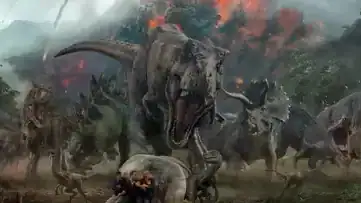
Despite its numerous scientific inaccuracies, Jurassic Park’s impact on both public dinosaur awareness and paleontology itself cannot be overstated. The franchise sparked unprecedented public interest in dinosaurs and prehistoric life, inspiring a generation of paleontologists who first fell in love with dinosaurs through these films. Many professional paleontologists today readily acknowledge the influence Jurassic Park had on their career choices, even as they work to correct the misconceptions it created.
The tension between scientific accuracy and cinematic excitement continues with each new installment in the franchise. Filmmakers have repeatedly chosen consistency with earlier films over updating dinosaur portrayals to reflect current science—a decision that frustrates some scientists but maintains the iconic look audiences expect. This approach explicitly became part of the plot in later films, with characters acknowledging that their creations aren’t authentic dinosaurs but genetically modified versions designed for entertainment value.
Ultimately, Jurassic Park and its sequels serve as fascinating time capsules of dinosaur science at various points over the past three decades. The inaccuracies in these portrayals provide valuable teaching opportunities for paleontologists to discuss how our understanding of prehistoric life continues to evolve. For audiences, recognizing these inaccuracies doesn’t diminish the films’ entertainment value but rather enhances appreciation for the ongoing scientific journey to understand these remarkable animals that ruled our planet for over 160 million years.
As we look toward future installments in the franchise, perhaps the most scientifically accurate approach would be to embrace the narrative already established: these aren’t real dinosaurs but genetically engineered theme park monsters. This acknowledgment might finally free the franchise to either update its dinosaur designs to reflect current science or continue with its established versions—now with full awareness that what we’re seeing on screen is science fiction rather than scientific representation.

- 14 Fascinating Facts About Rattlesnakes - June 16, 2026
- How Elephants Remember Friends After Decades - June 16, 2026
- 12 Spiders Adapting to Rising Temperatures - June 16, 2026