

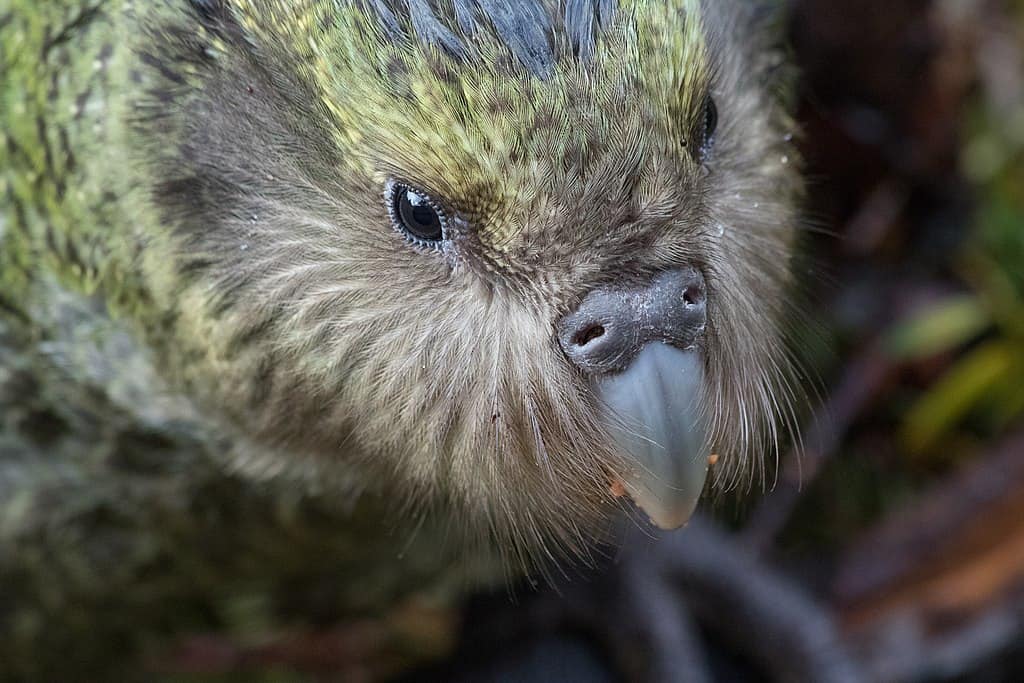
The kakapo (Strigops habroptilus) is a remarkable bird, known not only for its unique nocturnal and flightless nature but also for its critically endangered status. With its charming yellow-green plumage, expressive eyes, and endearing behavior, the kakapo captures the hearts of conservationists and bird enthusiasts alike. Native to New Zealand, this ground-dwelling parrot is unlike any other, playing a critical role in the country’s natural heritage. However, the kakapo’s survival hangs by a thread, spurring intensive conservation efforts to bring it back from the brink of extinction.
The Plight of the Kakapo
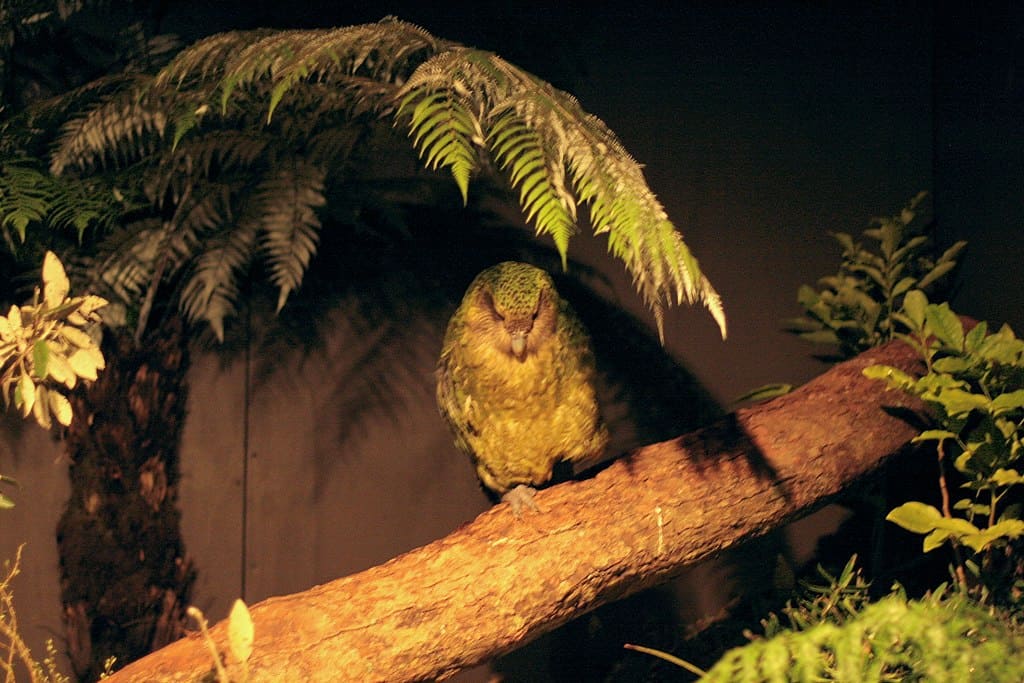
The kakapo’s journey to becoming the world’s rarest parrot is a story of ecological change and introduced species. For millions of years, these parrots thrived in New Zealand’s diverse forests, adapting to a predator-free environment with a unique set of behaviors — including their inability to fly. However, the arrival of humans and non-native predators such as rats, stoats, and cats drastically altered their ecosystem. The kakapo, being flightless, was particularly vulnerable to these new threats, leading to a dramatic decline in numbers.
By the 1970s, the kakapo population had dwindled to a mere 18 individuals, and the species seemed destined for extinction. The bird faced dire challenges: not only was it preyed upon by introduced predators, but its low reproductive rate and specific breeding conditions further compounded its vulnerability. The realization of the kakapo’s precarious situation prompted urgent conservation action to save this unique parrot from disappearing forever.
A Multi-faceted Conservation Effort

Conservationists embarked on an ambitious mission to rescue the Kakapo, forming the Kakapo Recovery Program in 1995. This initiative brought together experts from the New Zealand Department of Conservation, universities, and NGOs like Forest & Bird. The program adopted a multi-faceted strategy that focused on breeding, research, and habitat management to stabilize and grow the kakapo population.
One of the primary tactics was relocating the remaining kakapos to predator-free islands, such as Codfish Island and Anchor Island. These sanctuaries offered a haven where the birds could breed and thrive without the threat of predators. Intensive monitoring programs were established, utilizing radio transmitters to track the birds’ movements, health, and breeding behaviors. Conservationists also employed innovative techniques, such as supplementary feeding and artificial insemination, to enhance reproductive success and genetic diversity among the kakapo population.
Recent Successes in Kakapo Conservation

The efforts to save the kakapo have yielded promising results. As of recent estimates, the kakapo population has grown to over 200 individuals — a significant increase from the brink of extinction just a few decades ago. The breeding seasons have become more successful, partially due to the program’s efforts to optimize environmental conditions and the application of scientific advances in genetics and avian medicine.
In particular, the implementation of artificial insemination has proven to be a game-changer. This technique has increased the fertility rate of eggs, an essential factor considering the kakapo’s naturally low offspring production. Moreover, community engagement and funding support have played crucial roles in sustaining conservation activities, highlighting the importance of public awareness and involvement in wildlife preservation.
Challenges and the Road Ahead
Despite these successes, the kakapo’s future remains uncertain. Climate change poses new challenges, potentially affecting the availability of native food sources and the delicate balance of their island sanctuaries. Additionally, ensuring genetic diversity within such a small population is a continual concern, requiring ongoing scientific research and intervention.
The Kakapo Recovery Program aims to address these challenges through enhanced habitat restoration, climate adaptation strategies, and further research into the genetic health of the population. Long-term goals include increasing the kakapo numbers to a level where emergency conservation measures are no longer necessary, and the species can sustain itself in its natural habitat.
The Importance of Saving the Kakapo

The kakapo is not just a symbol of New Zealand’s unique biodiversity but also a testament to the resilience of conservation efforts in the face of adversity. Its survival would serve as a benchmark, illustrating how focused, well-coordinated conservation initiatives can rescue a species from the precipice of extinction. Furthermore, studying the kakapo provides valuable insights into ecological balance, the impact of human activities on native species, and the methodologies that can be employed to preserve other endangered wildlife around the globe.
In conclusion, the kakapo’s comeback story underlines the critical importance of protective measures, community involvement, and scientific innovation in conservation. As efforts continue, the world’s rarest parrot not only inspires hope but reinforces the urgency of acting swiftly to preserve our natural heritage for future generations.

As a little kid, I fell in love with nature, wildlife, and animals. Living in the USA, South Africa, Italy, China and Germany gave me the opportunity to discover the world's Wildlife. My favorite animals are Mountain Gorillas, Siberian Tigers, and Great White Sharks.
I'm a certified PADI Open Water Diver, went to Everest Base Camp and Trekked Gorillas in Uganda. I hold a Master of Science in Economics and Finance.
Please send any feedback to feedback@animalsaroundtheglobe.com
- 13 Aquatic Mammals That Don not Look It - July 10, 2026
- 15 Unlikely Hunters With Killer Instincts - July 10, 2026
- 10 Low-Maintenance Pets for Busy Owners - July 10, 2026