

Deep in the forests, high in the skies, and beneath the ocean’s surface, nature’s most accomplished vocalists are performing their own version of karaoke. Unlike humans who need lyrics on a screen and instrumental backing tracks, these animal performers have mastered the art of song through millions of years of evolution. Birds trill elaborate melodies at dawn, whales compose haunting ballads that travel for miles underwater, and wolves harmonize under moonlit skies. These natural musicians don’t sing for entertainment—their songs serve crucial purposes in survival, reproduction, and communication. This fascinating phenomenon of animal vocalization shares surprising similarities with human musical expression, creating a natural karaoke scene that’s been playing long before humans invented microphones and speakers.
The Science Behind Animal Songs

Animal vocalization is far more complex than random noise—it’s often structured communication with specific purposes. Scientists studying bioacoustics have discovered that many species produce sounds following patterns similar to human music, with rhythm, repetition, and even regional “dialects.” These vocalizations are shaped by both genetic programming and learning, creating a fascinating intersection of nature and nurture.
The physical mechanisms behind animal songs vary widely across species. Birds possess a specialized organ called the syrinx, which functions similarly to the human larynx but with greater versatility, allowing them to produce multiple tones simultaneously. Marine mammals like whales and dolphins use air movement through specialized nasal passages, while wolves rely on vocal cord vibrations amplified by their distinctive head shape. Each species has evolved unique adaptations that optimize sound production for their specific environment and communication needs.
Avian Virtuosos: The Master Songsters
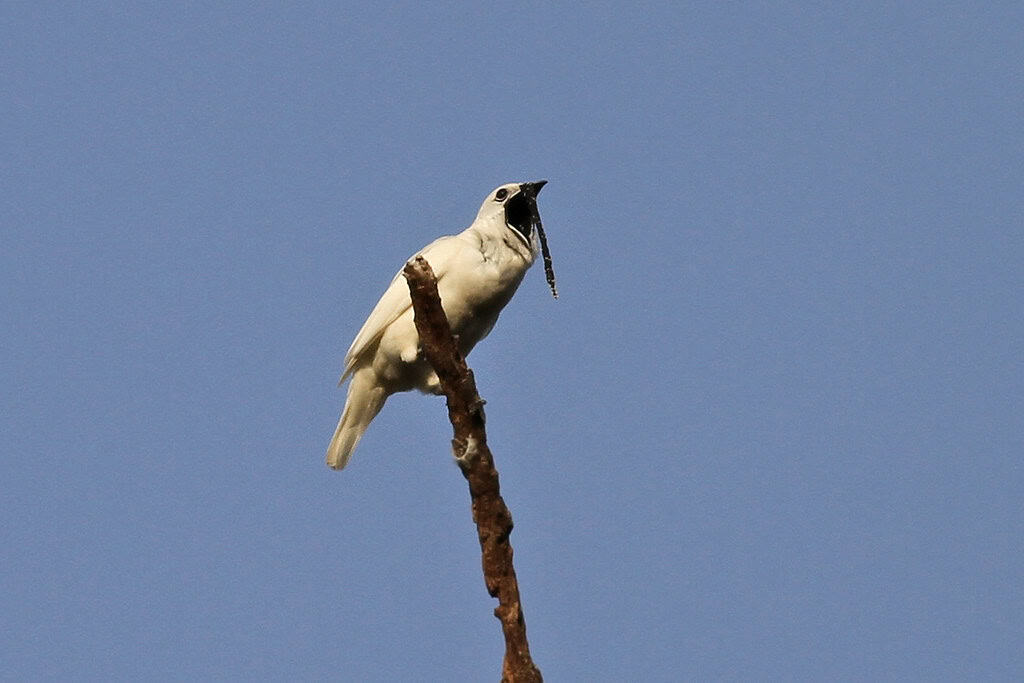
Birds represent perhaps the most diverse and accomplished singers in the animal kingdom. With over 4,000 songbird species worldwide, their vocal performances range from simple calls to intricate melodies that can contain dozens of distinct phrases. The male nightingale, famous for its nocturnal serenades, can produce over 200 different song types. Even more impressive is the brown thrasher, which boasts a repertoire of over 1,000 song types—making it the bird world’s equivalent of a karaoke champion who knows every song in the catalog.
These avian performances serve multiple purposes beyond mere aesthetics. Male birds sing primarily to attract mates and defend territories, with females often selecting partners based on song complexity, which signals genetic fitness. Some species, like Australian lyrebirds and mockingbirds, are talented mimics that incorporate sounds from their environment—including other bird species, human-made noises, and even mechanical sounds—into their vocal repertoires. This ability to learn and repeat sounds makes them the true karaoke stars of the natural world.
The Songs of the Deep: Cetacean Symphonies

Beneath the ocean’s surface, whales compose some of Earth’s most mysterious and complex vocalizations. Humpback whale songs stand out as particularly sophisticated, with males producing sequences that can last up to 30 minutes and follow specific structural patterns. These underwater compositions include themes that evolve across seasons and years, with all males in a population adopting new variations that spread like hit songs across ocean basins. Scientists have documented these songs changing gradually over time, creating a cultural evolution of music that spans generations.
Even more impressive is the range and reach of these marine melodies. Blue whales, the largest animals on Earth, produce low-frequency calls that can travel hundreds of miles through the ocean. Their songs, often below the threshold of human hearing, represent some of the most powerful natural sounds on the planet, reaching volumes up to 188 decibels. Meanwhile, dolphins and orcas communicate through complex whistles and clicks that not only transmit information but help establish strong social bonds within their pods, demonstrating that these marine musicians use their songs to maintain community just as humans might gather around a karaoke machine.
Wolves: Nature’s Choral Ensemble
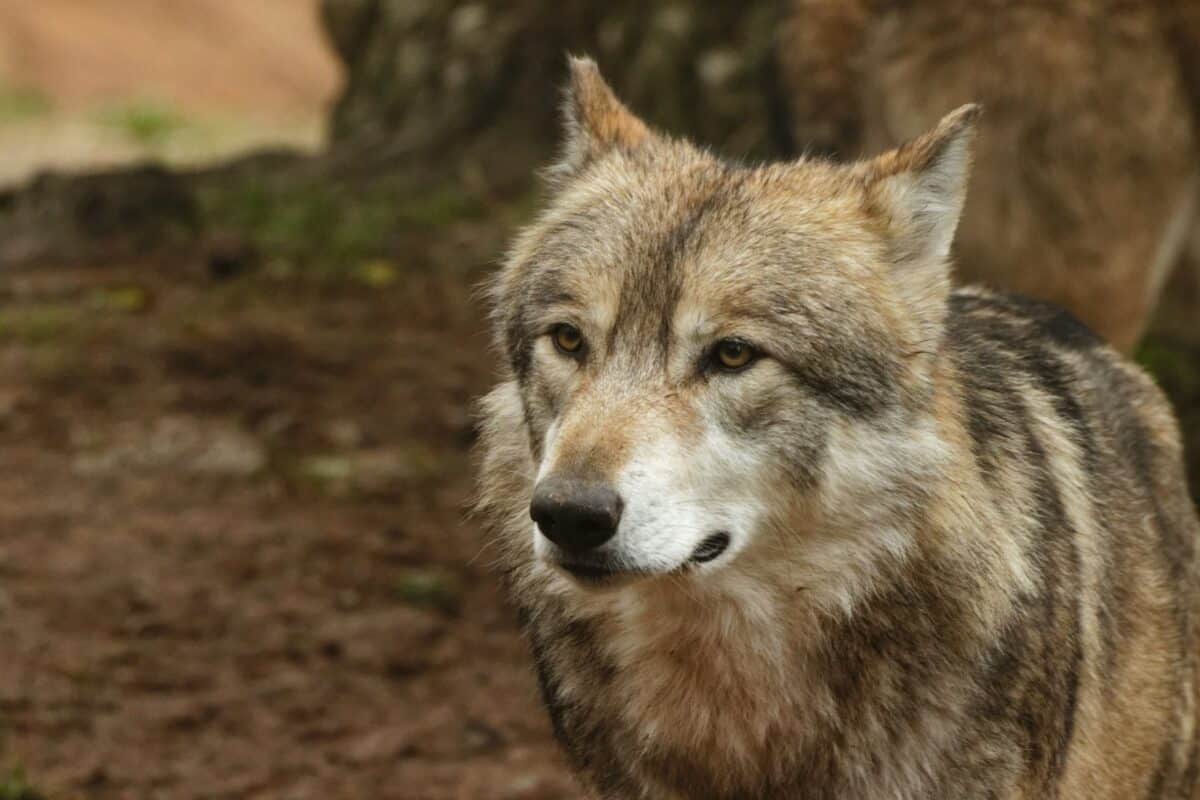
Few natural sounds evoke stronger emotions than the howl of wolves echoing through a forest at dusk. Unlike the solo performances of many birds or the individual songs of whales, wolf howling typically occurs as a group activity, creating natural harmony as multiple pack members join the chorus. Each wolf has a distinctive voice, and researchers can often identify individuals by their unique vocal signatures. These collective performances strengthen pack bonds while simultaneously warning other wolves about territorial boundaries.
The complexity of wolf vocalization extends beyond the iconic howl. These social predators communicate through a sophisticated repertoire that includes whines, growls, barks, and even subtle body language. The timing and coordination of their howling sessions demonstrate remarkable synchronization, with wolves often howling in complementary pitches that minimize sonic interference—a natural version of harmony. Studies suggest that wolves howl more frequently when separated from close pack members, indicating these vocalizations serve an emotional purpose similar to how humans might sing songs about lost love or separation.
Mimicry: The Ultimate Karaoke Skill
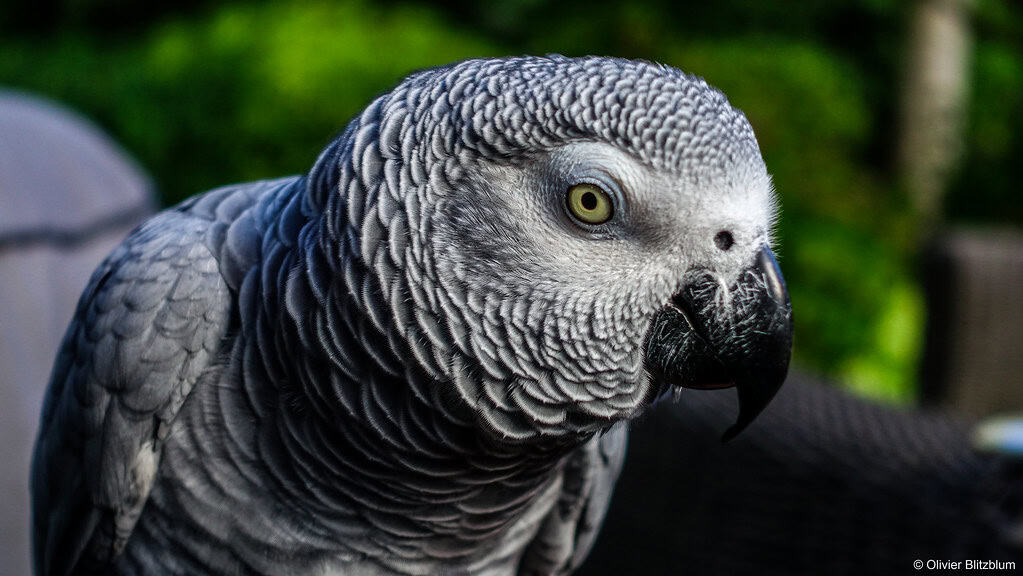
Some animals take vocal performance to another level through mimicry, the ability to reproduce sounds from their environment with astonishing accuracy. The Australian lyrebird holds the title for the most accomplished mimic, capable of reproducing virtually any sound it hears—from other bird calls to camera shutters, car alarms, and even chainsaws. These birds spend years perfecting their repertoire, incorporating new sounds throughout their lives in what could be considered the wildlife equivalent of expanding a karaoke playlist.
Other remarkable mimics include the African grey parrot, capable of reproducing human speech with contextual understanding; the mockingbird, which can learn and perform the songs of dozens of other bird species; and certain species of dolphins that appear to “name” each other with signature whistles and can repeat the calls of their companions. This capacity for vocal learning and mimicry requires sophisticated neural pathways and represents one of the most complex cognitive abilities in the animal kingdom, creating a parallel to how humans learn and perform songs during karaoke sessions.
Regional Dialects: Animal Accents
Just as human languages develop regional accents and dialects, many singing animals exhibit distinct local variations in their vocalizations. Sperm whales, for example, form vocal clans with distinctive “codas”—rhythmic patterns of clicks that identify group membership and persist across generations through cultural transmission. These whale dialects function similarly to human accents, providing information about an individual’s origin and social affiliations.
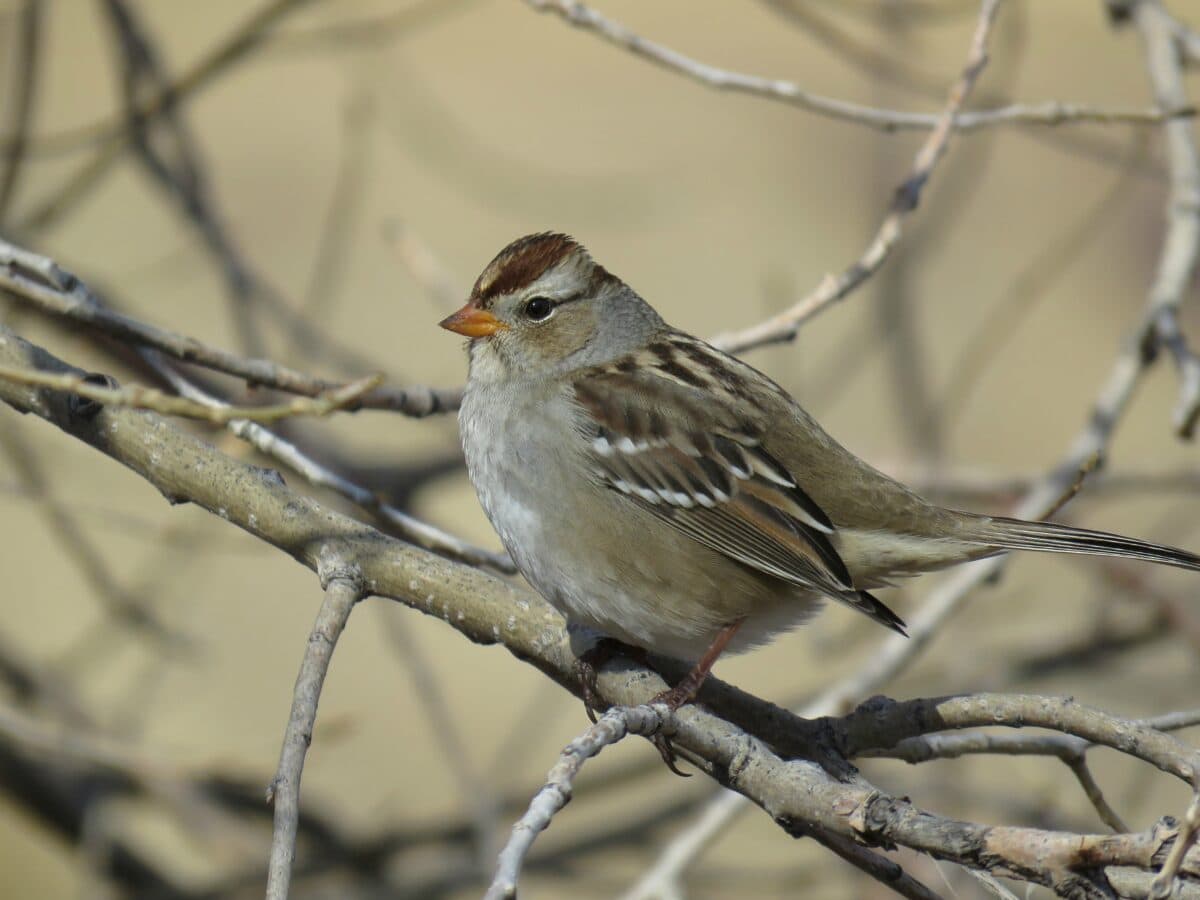
Birds show even more pronounced regional differences in their songs. White-crowned sparrows from different parts of North America sing recognizably different versions of their species’ song, with variations in tempo, pitch, and phrasing. Young birds learn these regional dialects during a critical period in development, similar to how human children acquire the accent of their community. These animal dialects not only demonstrate the importance of learning in song development but also reveal how cultural evolution shapes natural soundscapes across geographic boundaries—a phenomenon that parallels how popular music develops regional styles.
The Dawn Chorus: Nature’s Morning Concert
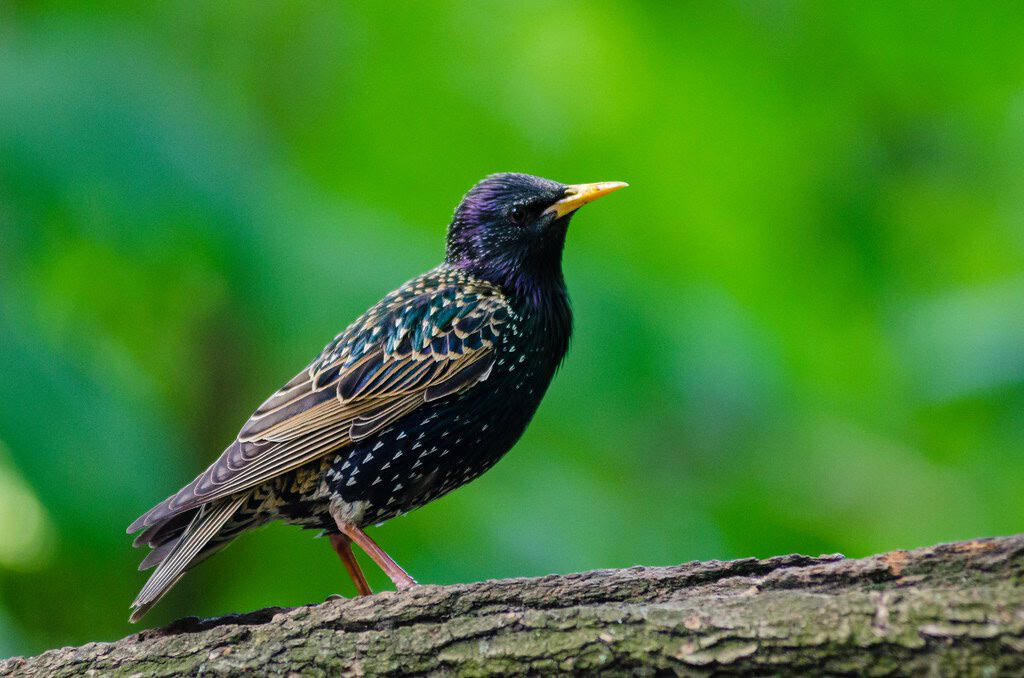
One of nature’s most spectacular vocal performances occurs each morning as birds create the phenomenon known as the dawn chorus. Beginning in the faintest light before sunrise, different species join this daily concert in a specific sequence, starting with thrushes and robins, followed by wrens and warblers, and concluding with finches and sparrows. This progression creates a natural symphony that can include dozens of species, each occupying its own acoustic niche to minimize interference from other singers.
Scientists have proposed several explanations for why birds invest so much energy in these morning performances. The calm air at dawn provides optimal conditions for sound transmission, allowing males to advertise their territories efficiently. The low light makes foraging difficult but still permits vocal communication, creating an ideal time for social signaling. The dawn chorus represents one of nature’s most democratic karaoke sessions—all birds participate regardless of skill, creating a community soundscape that defines wild places worldwide and has inspired human music throughout history.
The Role of Songs in Courtship
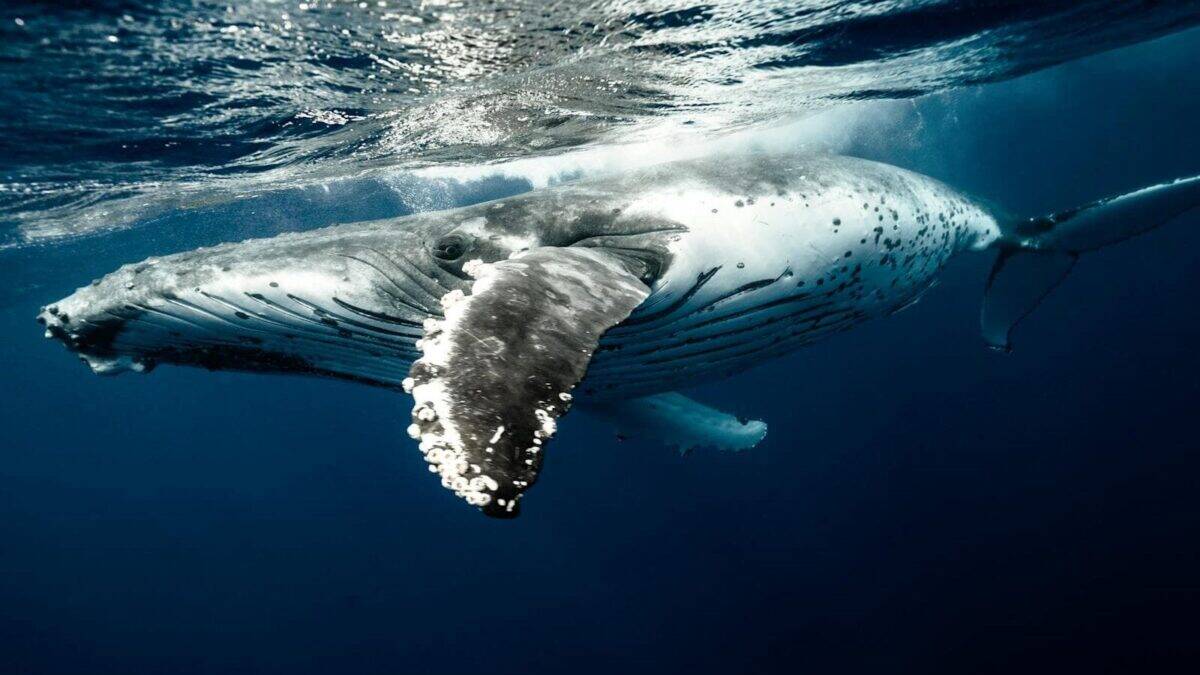
Across many singing species, vocal performance plays a crucial role in attracting mates—making animal songs nature’s original romance ballads. Male birds often produce their most complex and energetic songs during breeding season, with females evaluating potential partners based on song quality. Research has shown that song complexity correlates with male fitness in many species, as producing intricate vocalizations requires excellent health, neurological development, and sufficient energy reserves. In essence, a bird’s song serves as an honest advertisement of genetic quality.
This pattern extends beyond birds. Male humpback whales sing primarily during breeding season, with their complex songs likely serving as both advertisements to females and competitive displays for other males. Even insects get into the act—male crickets and katydids produce species-specific songs by rubbing specialized body parts together, with females navigating toward preferred singers. These courtship performances demonstrate how natural selection has shaped animal vocalizations to communicate critical information about mate quality, creating nature’s equivalent of romantic karaoke ballads designed to impress potential partners.
Learning to Sing: The Development of Animal Songs
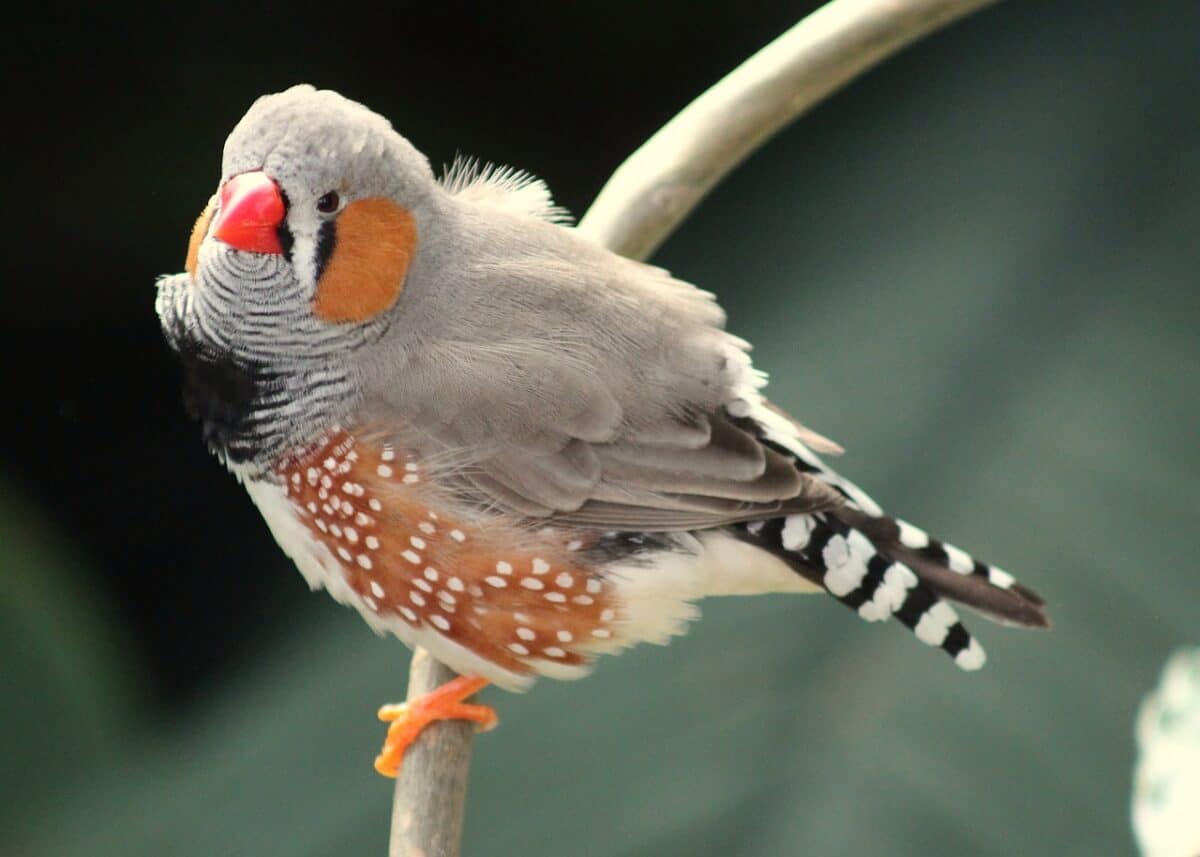
The acquisition of songs varies dramatically across species, revealing fascinating parallels to how humans learn music. Some animals, like crickets, are born with their complete vocal repertoire genetically programmed. Others, including many songbirds, must learn their species-specific songs during critical developmental periods. Young male zebra finches, for example, go through distinct phases similar to human language acquisition: they first listen to adult males, then practice through “subsong” (comparable to human babbling), followed by “plastic song” (variable practice), before finally crystallizing their adult song.
This learning process involves dedicated brain regions, including the high vocal center (HVC) and robust nucleus of the arcopallium (RA), which function similarly to human language areas. Whales also appear to learn their songs culturally rather than inheriting them genetically, with juveniles acquiring the current version from adults through social transmission. This capacity for vocal learning represents a rare trait in mammals, shared by only a few groups including humans, elephants, bats, seals, and cetaceans. The neural mechanisms underlying this ability provide valuable insights into the evolution of human musical and linguistic capacities.
Conservation Concerns: Protecting Nature’s Musicians

The songs of wild animals face increasing threats from human activities that disrupt natural soundscapes. Noise pollution from traffic, industrial activity, and urban development interferes with animal communication, forcing species to modify their vocalizations or abandon noisy habitats entirely. Studies have shown that birds in urban environments often sing at higher pitches to overcome low-frequency noise from vehicles, while marine mammals struggle to communicate over the constant background of shipping traffic and underwater exploration.
Habitat loss represents another serious threat, as many singing species require specific acoustic environments for effective communication. Forest fragmentation disrupts the transmission of bird songs, while ocean acidification may affect how sound travels underwater, potentially disrupting whale communication. Climate change adds further pressure by altering the timing of breeding seasons and disrupting the synchronization between singers and their audience. Conservation efforts increasingly recognize the importance of preserving not just physical habitats but also the acoustic environment necessary for animal communication—protecting nature’s karaoke venues for future generations of wild performers.
Human Connections: What Animal Songs Teach Us
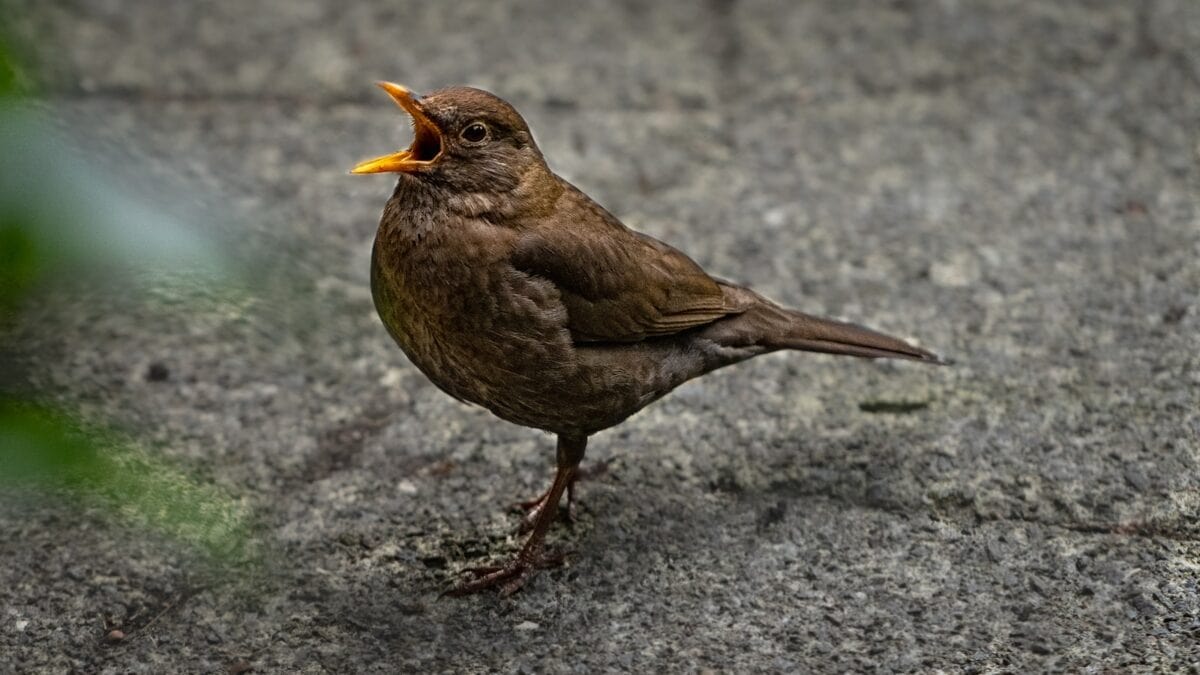
The parallels between animal vocalizations and human music offer intriguing insights into the evolutionary origins of our own musical traditions. Both serve similar functions—from attracting mates and establishing territory to strengthening social bonds and expressing emotions. The universal elements of rhythm, repetition, and melodic structure appear across species, suggesting that certain musical principles may be deeply rooted in biology rather than being purely cultural inventions. Some researchers propose that human music and language evolved from common ancestral communication systems similar to those we observe in singing animals today.
Beyond their scientific significance, animal songs create powerful emotional connections between humans and the natural world. The melancholy call of a loon across a lake, the cheerful melody of a robin at dawn, or the haunting chorus of wolves at dusk evokes primal responses in human listeners. These sounds have inspired countless musical compositions, poems, and art throughout human history. As we better understand the complexity and significance of animal vocalizations, we gain not only scientific knowledge but also a deeper appreciation for the rich tapestry of sound that surrounds us—nature’s original soundtrack that was playing long before humans picked up their first karaoke microphone.
The Wild Symphony Continues

From the treetops to the ocean depths, from frozen tundra to tropical rainforests, nature’s karaoke performers continue their ancient concerts regardless of human audience. These animal songs represent one of the most sophisticated forms of communication in the natural world, carrying messages about identity, territory, reproductive fitness, and emotional states across diverse environments. While humans may gather around electronic karaoke machines to experience the joy of singing, wild animals have been perfecting their vocal performances for millions of years with purposes far beyond entertainment.
As our scientific understanding of animal vocalizations advances through new recording technologies and analytical methods, we continue to uncover greater complexity and meaning in these natural songs. What once might have seemed like simple noise reveals itself as structured communication with distinct patterns, learning processes, and cultural transmission. The parallels between animal songs and human music offer a humbling reminder that our artistic expressions have deep evolutionary roots. By listening more carefully to nature’s vocalists, we not only expand our scientific knowledge but also reconnect with the ancient soundscapes that have surrounded our species throughout its evolution—the original and most enduring karaoke performance on Earth.

- This Tiny Insect Can Survive in Outer Space—Here’s How - July 21, 2026
- Could the Tasmanian Tiger Be Brought Back to Life? - July 21, 2026
- Why You Should Never Approach a Sleeping Hippo - July 21, 2026